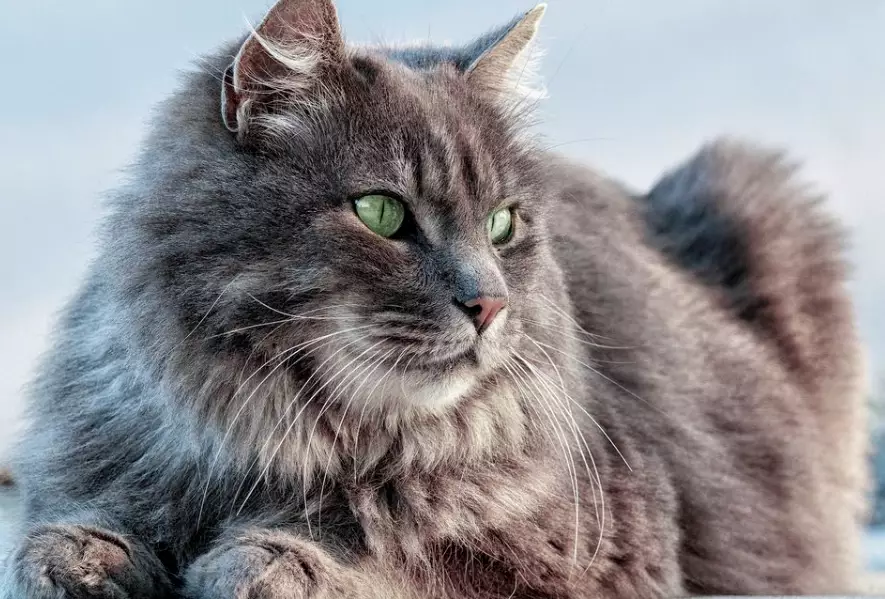
You see the photos online. That stunning, plush silver-blue coat, those mesmerizing green eyes. The Blue Russian cat looks like a living piece of velvet art. But if you're considering bringing one into your life, you're not just getting a beautiful accessory. You're inviting a complex, fascinating, and often misunderstood personality into your home. Forget the generic "quiet and shy" description. The true Blue Russian cat personality is a captivating blend of deep loyalty, sharp intelligence, and a dignified independence that can feel aloof if you don't speak their language.
I've lived with a Blue Russian named Smokey for over eight years. When he first arrived, hiding under the bed for a week, I thought I'd made a huge mistake. The breed guides didn't prepare me for the reality. Now, I understand his quirks are his strengths. This guide is what I wish I'd had—a deep dive into the real temperament of these cats, not just the breed standard highlights.
What's Inside This Guide
The Core of the Blue Russian Personality: The "Loyal Ghost"
Calling them "shy" is a massive oversimplification. It's more accurate to describe them as selectively social. With strangers, visitors, or in new environments, they often live up to their "ghost" nickname—vanishing into thin air. But with their trusted family? They transform.
This duality is the heart of their personality. They form incredibly strong, almost dog-like bonds with one or two primary humans. My Smokey follows me from room to room, not demanding constant petting, but just present. He'll sit on the desk while I work, a quiet, supportive companion. He's not a lap cat in the traditional, sprawling sense. He's a "nearby" cat. He prefers to curl up beside me, or better yet, on the back of the sofa right behind my head.
This reserved nature isn't fear. It's a calculated observation. They are master assessors of character and situation. A common mistake new owners make is forcing interaction when guests arrive. This breaks their sense of control and can prolong the hiding phase. The expert move? Ignore them. Let them observe from a distance and decide when, or if, to make an appearance. Often, once the "threat" settles down, you'll find them quietly inspecting the visitor's shoes or sitting just at the edge of the room, watching.
Key Personality Traits Decoded
Let's break down the specific elements that make up the Blue Russian cat's temperament. It's not a single note, but a symphony of characteristics.
The Intelligence Factor: These are smart cats. Not just "can be trained" smart, but problem-solving, observant smart. They learn routines quickly and will remind you if you're late for dinner. They can figure out simple puzzle toys fast, but their intelligence also means they bore easily. A bored Russian Blue might develop habits you don't love, like turning off light switches or opening cabinet doors just for fun.
Communication Style: Don't expect constant meowing. Russian Blues are known for their soft, chirping voices. They communicate more with body language and those huge, expressive eyes. A slow blink from a Russian Blue is a solid "I love you." A twitching tail tip while they're sitting still? They're mildly annoyed or over-stimulated. Learning this subtle language is key to your relationship.
The Playful Side (It's There!): They retain a playful, kitten-like side well into adulthood, but it's on their terms. They love chase games, feather wands, and anything that mimics prey. The play session is often a trust-building exercise. After a good play, they're more likely to be receptive to affection. But here's the non-consensus bit: they can be incredibly picky about toys. A toy they loved yesterday might be utterly boring today. You need a rotation.
| Situation | Typical Blue Russian Behavior | What It Really Means |
|---|---|---|
| New Person Visits | Hides under bed, vanishes. | Assessing safety. Not necessarily scared, just cautious. Forcing contact worsens this. |
| Evening Relaxation | Sits nearby, maybe on the same couch, not necessarily on lap. | Maximum expression of comfort and trust. This is their version of cuddling. |
| Mealtime | May follow you to kitchen, chirp softly, weave around legs. | Polite but persistent reminder. They are creatures of habit and expect routine. |
| During Play | Focused, athletic leaps, then sudden stop and walk away. | They self-regulate. When they're done, they're done. Pushing them leads to disinterest. |
| Grooming Time | Often enjoys being brushed, may even present belly. | High-level trust activity. Their plush coat needs regular care, and most accept it gracefully. |
Sensitivity to Atmosphere: This is huge and rarely discussed enough. Russian Blues are emotional sponges. They pick up on household tension, arguments, or stress. If you're having a bad day, don't be surprised if your normally affectionate Blue becomes more distant or hides. They thrive in calm, predictable, and peaceful environments. A chaotic, loud, or emotionally volatile home is a nightmare for them.
How to Build Trust with Your Blue Russian Cat
Earning the full love of a Russian Blue is a reward, not a given. It requires a specific approach that respects their boundaries.
Step 1: Let Them Come to You. Always. This is the golden rule. Extend a finger for them to sniff. Sit on the floor and ignore them, letting them approach and investigate you on their terms.
Step 2: Use a Calm, Quiet Voice. Loud, boisterous talk sends them running. Speak softly. I've found reading a book out loud in a calm voice helps them get used to your presence without pressure.
Step 3: Engage in Ritual Play. Use a wand toy daily at a consistent time. This builds positive association without the pressure of physical touch. It also burns their intelligent energy.
Step 4: Respect the "No." If they pull away, stop petting. If they hide, let them be. Forcing interaction destroys weeks of progress in seconds. Their trust is fragile to earn but solid once given.
Step 5: Create Safe High Spaces. Cat trees, shelves, or window perches give them a sense of security and control. They love to observe their domain from above.
I learned Step 4 the hard way. Early on, I'd pull Smokey from under the bed to "comfort" him when guests were over. It just made him distrust me for the rest of the day. Now, I give him his space, and he always emerges sooner and with more confidence.
Living with Others: Russian Blues, Pets, and Kids
This is a major search intent. Can this "shy" cat handle a busy household?
With Other Cats
They can do well with another cat, if introduced properly and the other cat has a compatible temperament. Another calm, respectful cat is ideal. A hyper, in-your-face kitten might overwhelm them. The introduction must be slow—think weeks, not days. Use scent swapping and visual barriers. A Russian Blue will rarely be the dominant cat in a multi-cat home; they prefer to avoid conflict.
With Dogs
Possible, but the dog's personality is critical. A calm, cat-savvy, older dog can be a good match. A high-prey-drive or boisterous puppy will terrorize a Russian Blue. The cat must always have dog-free escape routes and high places. Never leave them unsupervised until you are 1000% certain of their dynamic, which can take months.
With Children
This is tricky. Russian Blues are not the best match for very young, loud, or unpredictable children who might chase or grab them. They will flee and hide, and the child will be disappointed. However, with older, gentle, and respectful children who understand how to move slowly and let the cat initiate contact, they can form a beautiful, quiet bond. They are not scratchy or aggressive, but they will simply remove themselves from uncomfortable situations. Teach kids to watch for the cat's "I'm done" signals: tail twitching, ears going back, turning away.
Care Tips That Match Their Personality
Their temperament influences their care needs beyond food and water.
Diet: They can be prone to obesity if free-fed. Their elegant build hides weight gain easily. Use measured meals. Some owners report sensitive stomachs, so a high-quality, consistent diet is best. Sudden changes can cause issues.
Grooming: That famous double coat is low-shedding but needs weekly brushing to prevent mats and reduce hairballs. Most enjoy this bonding ritual. It's a great trust-building activity.
Health Monitoring: They are generally healthy, but like all purebreds, have some predispositions. Be aware of potential for urinary tract issues and dental disease. Their reserved nature means they hide pain exceptionally well. Subtle changes in behavior—like hiding more than usual, being less interested in play, or changes in litter box habits—are your first clues something is wrong. Don't wait for obvious signs.
Environmental Enrichment: This is non-negotiable for their intelligent minds. Puzzle feeders, treat-dispensing toys, rotating wand toys, and secure outdoor access like a catio are fantastic. A bored Russian Blue is an unhappy one. A window with a bird feeder outside is cat TV for them.
Your Blue Russian Personality Questions Answered
Understanding the Blue Russian cat personality is about appreciating nuance. They aren't the simple, low-maintenance pet some hope for, nor are they unfriendly. They are deeply loyal, intelligent companions who offer a quiet, profound kind of love. It's a love you have to earn, and one that feels all the more special because of it. If you can provide a peaceful home, respect their boundaries, and speak their subtle language, you'll gain a feline friend of unparalleled grace and devotion.