Let's cut to the chase: yes, Balinese cats can be fantastic pets, but they're not for everyone. If you want a quiet, independent cat that minds its own business, look elsewhere. Balinese cats are affectionate, talkative, and demand attention—think of them as the extroverts of the cat world. I've owned Balinese cats for over a decade, and while I adore them, I've seen plenty of owners get overwhelmed by their energy. This guide will give you the real scoop, from personality quirks to grooming hassles, so you can decide if a Balinese is your perfect match.
Quick Navigation: What's Inside
- The Balinese Cat: More Than Just a Pretty Face
- Personality Deep Dive: Are They Really "Dog-Like"?
- Daily Care and Grooming: What It Really Takes
- Health Issues You Can't Ignore
- Are Balinese Cats Good with Kids and Other Pets?
- The Real Cost of Owning a Balinese Cat
- Common Mistakes First-Time Owners Make
- Your Questions Answered (FAQ)
The Balinese Cat: More Than Just a Pretty Face
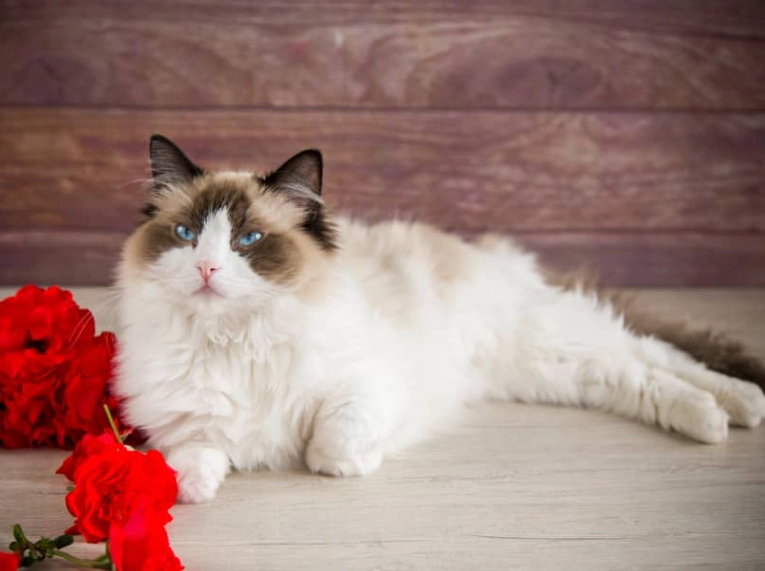
Balinese cats are often called the long-haired version of the Siamese, but that's a bit misleading. They originated as a natural mutation in Siamese litters back in the 1950s, and breeders selectively developed them for their silky, single-layer coats. Unlike typical long-haired cats, Balinese have minimal undercoat, which means less matting and shedding—a huge plus for allergy sufferers. According to the Cat Fanciers' Association (CFA), they're recognized for their svelte bodies, striking blue eyes, and pointed coloration (darker ears, face, paws, and tail).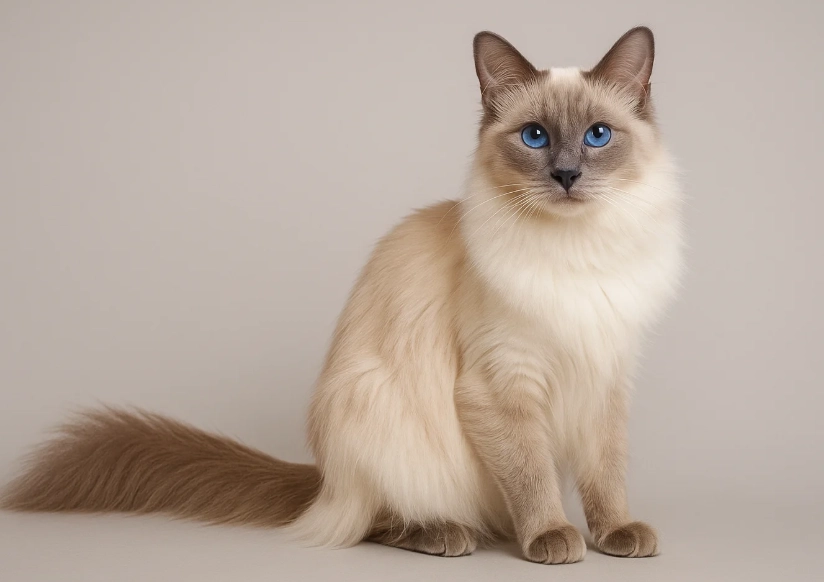
One thing most websites gloss over: Balinese cats aren't actually from Bali. The name was coined because their graceful movements reminded people of Balinese dancers. It's a marketing thing, but it stuck. If you're considering one, focus on their traits, not the exotic name.
Personality Deep Dive: Are They Really "Dog-Like"?
People love to say Balinese cats are dog-like, and in some ways, it's true. They're incredibly social and hate being alone for long periods. My own Balinese, Luna, follows me from room to room and even plays fetch with crumpled paper balls. But here's the catch: their need for interaction can border on obsessive. If you work 12-hour days, a Balinese will likely develop separation anxiety, leading to destructive behaviors like scratching furniture or excessive meowing.
Their vocal nature is another big point. Balinese are chatty—not just occasional meows, but full-on conversations. They'll tell you about their day, complain if dinner is late, and chirp at birds outside. Some owners find this endearing; others find it exhausting. I had a friend who rehomed her Balinese because the constant noise drove her partner nuts.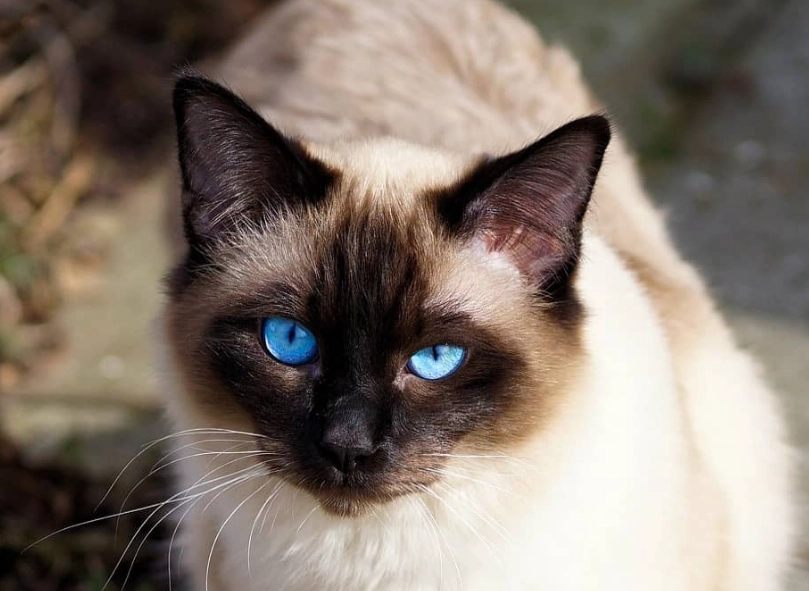
Key personality traits:
- Affectionate to a fault: They'll curl up on your lap for hours and demand petting.
- Playful and energetic: They need daily play sessions to burn off steam. Puzzle toys are a lifesaver.
- Intelligent and curious: They can learn tricks, but they also get into everything—think opened cabinets or stolen socks.
Compared to other breeds, Balinese are more outgoing than Persians but less aloof than Russian Blues. If you want a cat that's part companion, part entertainer, this might be your breed.
Daily Care and Grooming: What It Really Takes
Here's where many owners get surprised. Despite the long hair, Balinese cats are relatively low-maintenance groomers. Their coat lacks a dense undercoat, so it doesn't mat easily. A weekly brushing with a stainless-steel comb is usually enough to keep it sleek. During shedding seasons (spring and fall), you might need to brush twice a week. I use a slicker brush and follow up with a damp cloth to reduce loose hair.
But grooming isn't just about fur. Balinese are prone to dental issues, so regular teeth brushing is crucial. I learned this the hard way when my first Balinese needed a pricey dental cleaning at age five. Now, I brush their teeth twice a week with a cat-specific toothpaste.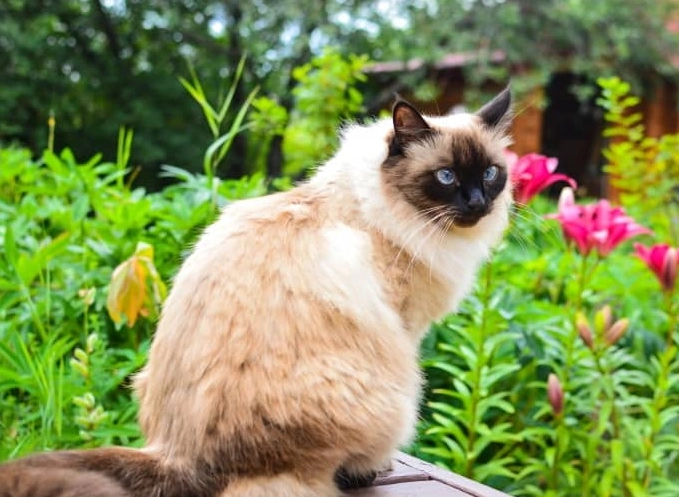
Let's break down care needs with a table comparing Balinese to two other popular breeds:
| Care Aspect | Balinese Cat | Persian Cat | Siamese Cat |
|---|---|---|---|
| Grooming Frequency | Weekly brushing | Daily brushing | Weekly brushing |
| Shedding Level | Low to moderate | High | Moderate |
| Dental Care Need | High (prone to tartar) | Moderate | Moderate |
| Exercise Requirements | High (30+ mins daily play) | Low | High |
| Social Needs | Very high (hates solitude) | Moderate | High |
Other daily care includes nail trimming every two weeks and ear checks for wax buildup. Balinese are generally clean, but their long hair can trap litter—using a high-sided litter box helps.
Diet Tips from Experience
Balinese cats have fast metabolisms and can be picky eaters. I feed mine a mix of high-quality dry kibble (for dental health) and wet food (for hydration). Avoid cheap fillers like corn; look for protein-rich formulas. The International Cat Association (TICA) recommends monitoring weight, as Balinese can gain pounds if overfed.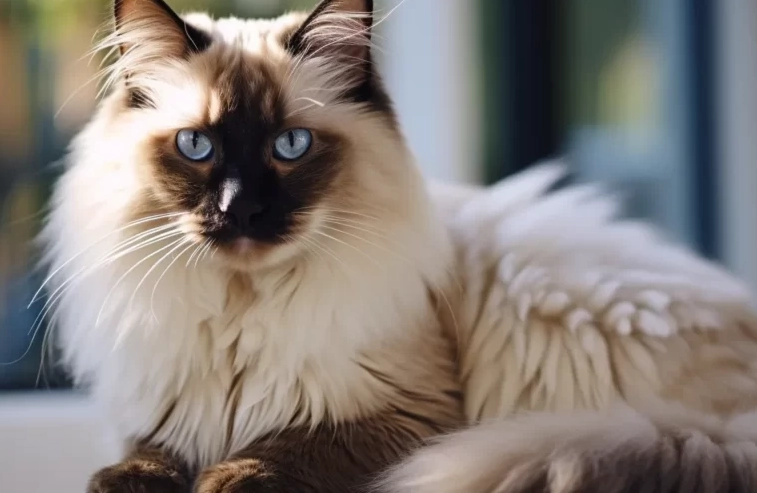
Health Issues You Can't Ignore
Overall, Balinese are healthy cats with a lifespan of 15-20 years, but they inherit some Siamese vulnerabilities. Reputable breeders screen for these, so always ask for health certificates.
Common health problems:
- Progressive retinal atrophy (PRA): A genetic eye disease that can lead to blindness. Symptoms often appear in adulthood.
- Amyloidosis: A liver condition more common in Siamese-related breeds. It's rare but serious.
- Dental disease: As mentioned, their teeth need extra attention to prevent gingivitis.
- Asthma: Some Balinese develop respiratory issues, especially in dusty environments.
I make sure my cats get annual vet check-ups, including blood work. Pet insurance is worth considering—I pay around $30 a month per cat, and it's saved me thousands on emergency visits.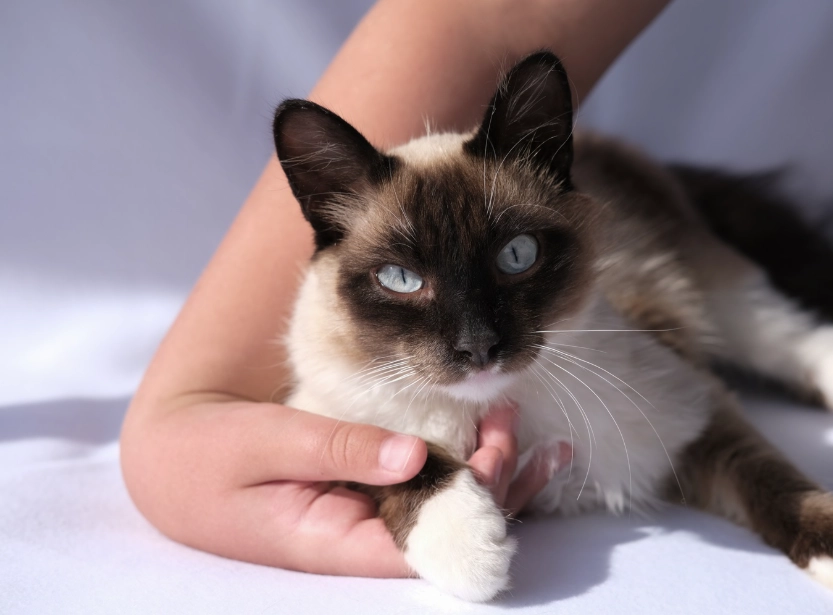
Are Balinese Cats Good with Kids and Other Pets?
This depends on your household. Balinese are gentle and patient, making them great with respectful kids. They'll tolerate being carried around by a toddler (within reason) and enjoy interactive play. But they're not rugged; a rough-housing child might stress them out. Teach kids to handle them calmly.
With other pets, Balinese usually do well. They're social and can bond with dogs or other cats, especially if introduced slowly. My Balinese gets along with my Labrador, but they had a two-week introduction period. The key is providing enough attention—if you add another pet, ensure your Balinese doesn't feel neglected.
One nuance: Balinese can be territorial with same-sex cats. I've seen cases where two male Balinese clash unless neutered early. Spaying or neutering is non-negotiable for behavior management.
The Real Cost of Owning a Balinese Cat
Let's talk money, because surprises here can lead to rehoming. Initial costs are steep: a Balinese kitten from a reputable breeder runs $800 to $2,500, depending on lineage. Adoption from rescues is cheaper ($100-$300), but purebred Balinese are rare in shelters.
Annual expenses break down like this:
- Food: $400-$600 (premium diet)
- Litter and supplies: $200-$300
- Vet visits (routine): $200-$400
- Grooming tools: $50-$100
- Toys and enrichment: $100-$200
Emergency funds are a must. When Luna had a urinary blockage, the vet bill hit $1,500. Start a pet savings account or get insurance.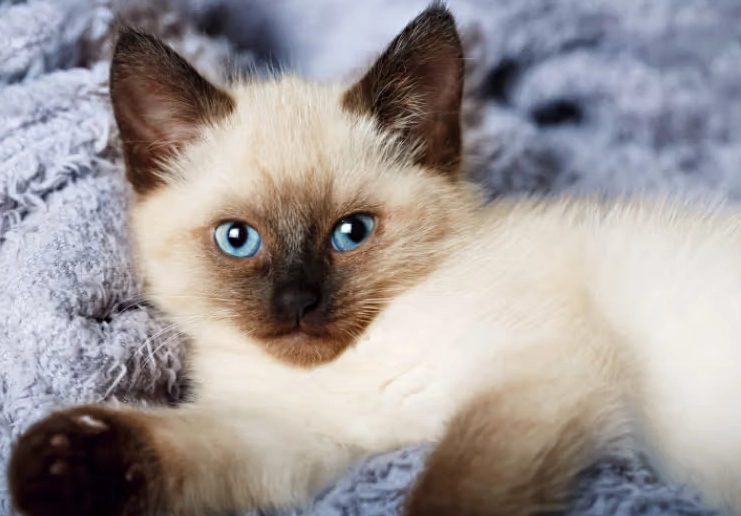
Common Mistakes First-Time Owners Make
After years in Balinese circles, I've seen recurring blunders. Avoid these to save headache:
Underestimating time commitment: Balinese need daily interaction—play, cuddles, conversation. If you're rarely home, they'll act out.
Ignoring dental care: Many assume cats' teeth are fine. Bad dental health leads to systemic issues. Start brushing early.
Skipping breed research: People get seduced by the looks without understanding the personality. Visit breeders, meet adult Balinese, and ask hard questions.
Overlooking noise tolerance: Their vocalizations are constant. Test yourself by playing YouTube videos of Balinese cats meowing for an hour. If it grates, reconsider.
A pro tip: Balinese thrive in pairs. If you can afford it, get two kittens. They keep each other company and reduce separation anxiety.