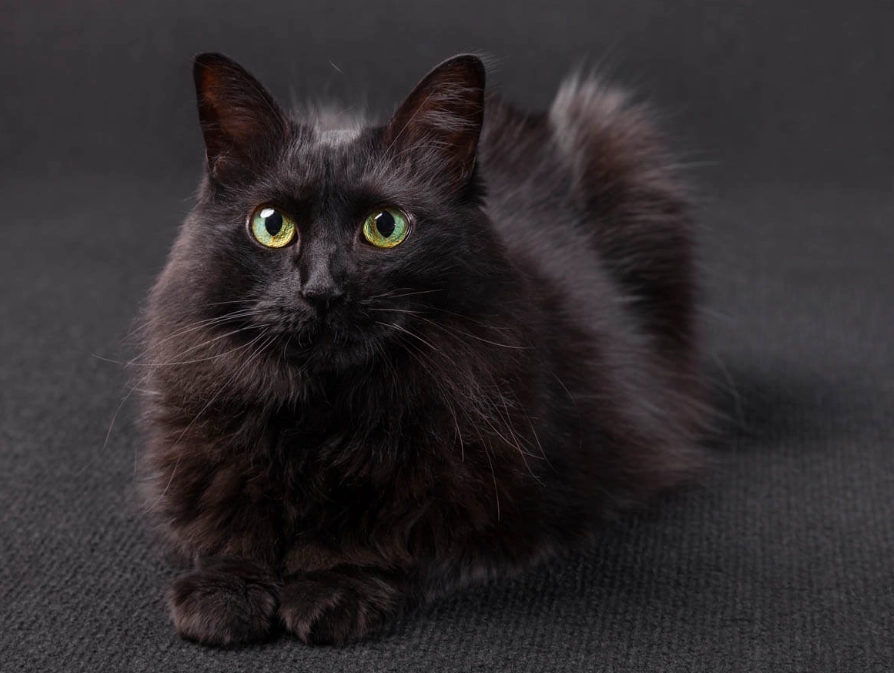
You've got a stunning, pitch-black cat with mesmerizing eyes. Friends comment on its sleekness, its almost panther-like grace. Someone offhandedly says, "That looks like a Bombay cat!" And now you're wondering—could it be? Is my cat one of those rare, intentionally bred "miniature black panthers"? Let's cut to the chase: identifying a true Bombay cat goes far beyond just having a black coat. It's a specific recipe of looks, build, and personality. After years around cat shows and breeders, I've seen countless black domestic shorthairs mistaken for Bombays. Here’s exactly what to look for, point by point.
Quick Guide to Spotting a Bombay
The Unmistakable Look: Core Physical Traits
Forget vague descriptions. A real Bombay cat fits a very precise physical standard, created by blending American Shorthairs with sable Burmese. If your cat misses more than one of these key markers, it's likely a beautiful black cat of another type.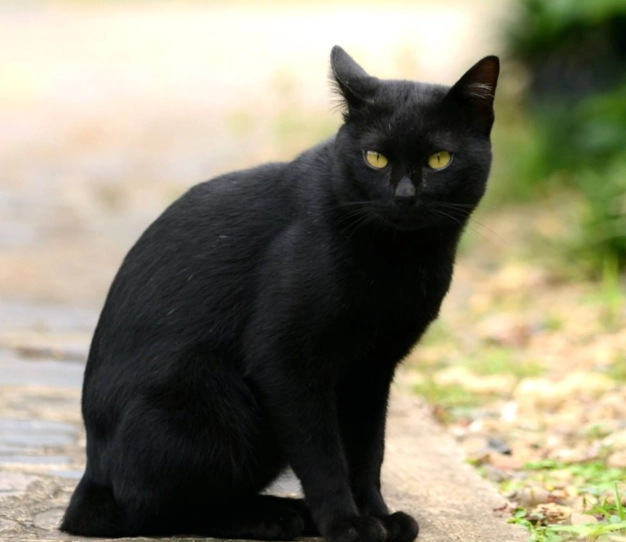
- Coat Color: Jet black only. Not dark brown, not charcoal, not black with hidden tabby stripes (called "ghost markings"). From nose to tail tip, it's a solid, uniform black.
- Coat Texture & Shine: This is the giveaway. The fur is exceptionally short, fine, and sits incredibly close to the body. It has a unique, satin-like sheen that reflects light, often called a "patent leather" finish. Run your hand over it—it should feel like warm, polished silk.
- Eye Color: Ranging from gold to a deep, penetrating copper. This is a breed hallmark. Green, hazel, or yellow eyes automatically disqualify a cat from being a purebred Bombay. The eyes are round and set wide apart.
The Supporting Details: Body and Structure
The overall impression is one of surprising heft and muscular power in a medium-sized cat. They are deceptively heavy when you pick them up—a phenomenon breeders call "a brick wrapped in silk."
Look for a rounded head with no sharp angles. The face should have a sweet, open expression. The nose has a distinct dip, or "break," when viewed in profile—it's not a straight Roman nose. Ears are medium-sized, set wide, and slightly rounded at the tips.
The body is compact and muscular, not long or rangy. The tail is straight, medium in length, and doesn't taper much. Paws are rounded and neat. From the moment they're born, Bombay kittens are black with those copper eyes starting to show; there's no other kitten color phase.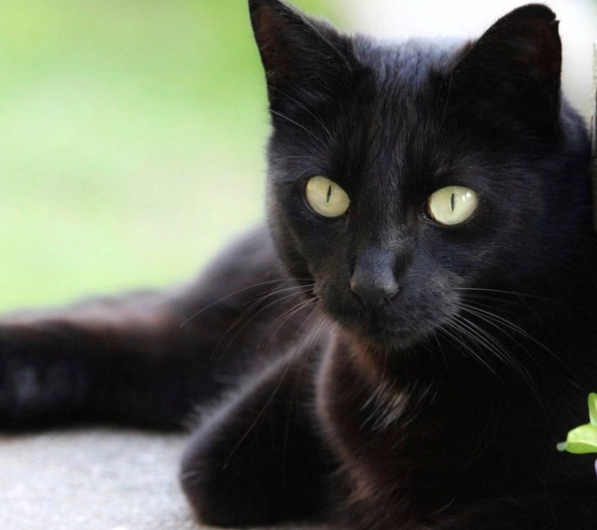
It's All in the Attitude: The Bombay Personality
This is where many black domestic cats reveal they're not Bombays. The breed's temperament is as distinctive as its coat. They are famously, almost dog-like, in their devotion and social needs.
A true Bombay thrives on constant companionship. They will follow you from room to room, not out of curiosity, but out of a need to be involved. They hate being alone for long periods and can develop anxiety if isolated regularly. I've known breeders who say getting a Bombay means signing up for a 15-year shadow.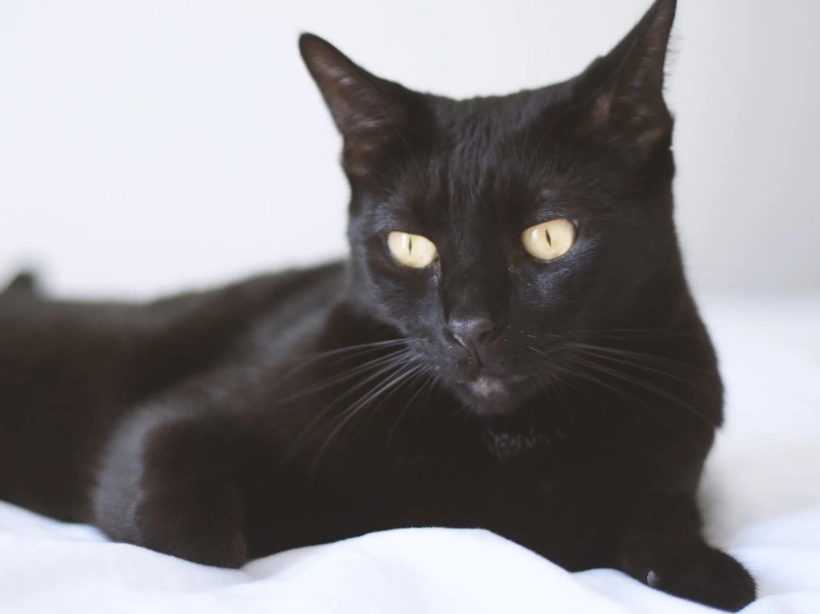
They are remarkably vocal, but not in a loud, yowling way. They have a soft, chirpy voice and will "talk" to you about their day, greet you at the door, and comment on your activities. It's a conversational murmur.
Playfulness lasts well into adulthood. They love fetch, learning tricks, and interactive toys. They are typically very tolerant and gentle with children and other pets, making them excellent family cats—if the family is usually home.
Here's a subtle mistake I see: people assume any friendly black cat is exhibiting "Bombay traits." The difference is intensity. A Bombay's need for interaction is all-consuming. A friendly domestic shorthair might enjoy a cuddle and then wander off; a Bombay's goal is to merge with you.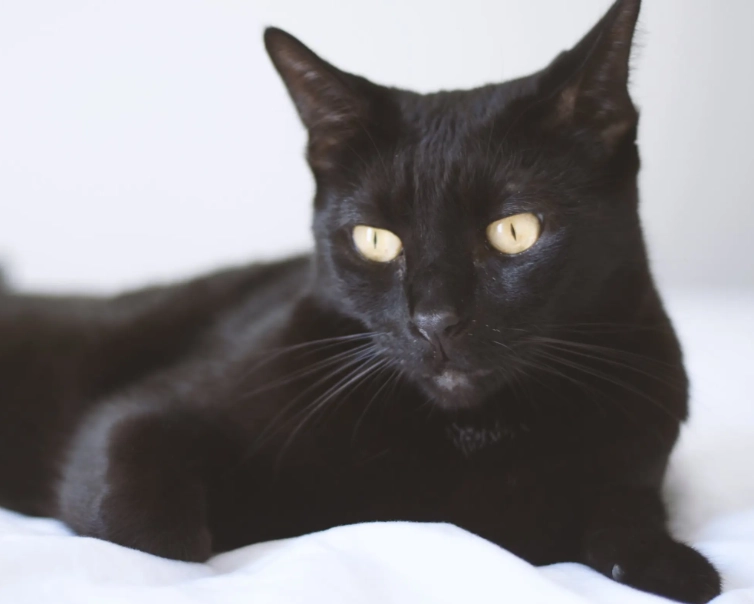
Common Lookalikes: What Your Cat Probably Isn't
This is crucial. Most black cats are not Bombays. Let's clear up the confusion.
| Trait | Bombay Cat | Common Black Domestic Shorthair (DSH) | Black Oriental Shorthair |
|---|---|---|---|
| Build | Medium, muscular, compact "brick." | Varies widely; can be lanky or stocky. | Long, slender, tubular body; wedge-shaped head. |
| Coat | Jet black, patent-leather shine, very fine. | Black, but texture can be coarser; may have faint tabby markings in sun. | Black, but lies flat without the distinctive luminous shine. |
| Eyes | Gold to copper only. Round. | Any color (green, yellow, hazel common). | Usually green. Almond-shaped. |
| Personality | Dog-like, velcro companion, chatty. | Independent to affectionate—huge range. | Extremely active, vocal (loud), "busy." |
| Head Shape | Rounded, with a short nose and a clear "break." | No standard shape. | Long, triangular wedge with large ears. |
The other frequent mix-up is with the Burmese. While Bombays owe their build to the Burmese, a sable Burmese is dark brown, not black. In certain light, a Burmese can look black, but in direct sun, the brown undertones become apparent. A Bombay is black in any light.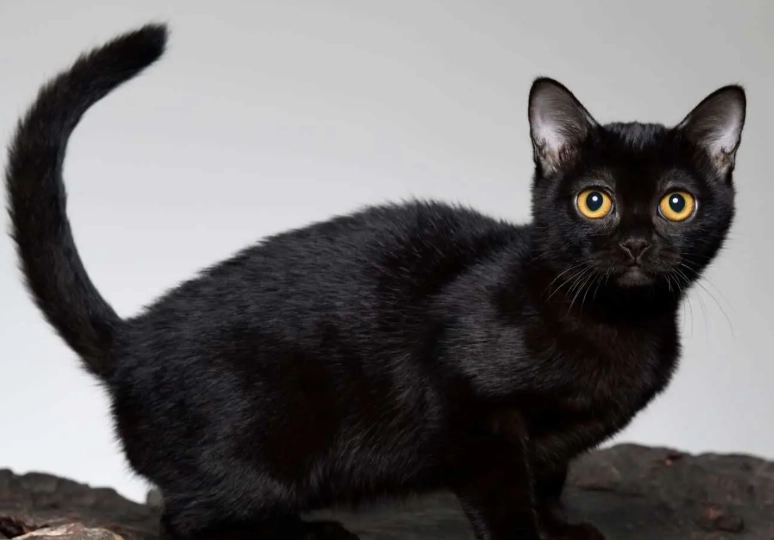
The Final Step: How to Be Certain
You've checked the coat, the eyes, the build, and the personality. They all scream "Bombay." How do you get proof?
Registration Papers: This is the only definitive method. A purebred Bombay will come from a breeder registered with a major cat registry like The Cat Fanciers' Association (CFA) or The International Cat Association (TICA). The kitten will have a pedigree document tracing its lineage back to the foundation cats. No papers, no proven Bombay—it's that simple. Reputable breeders like those listed on the CFA's website will provide this.
DNA Testing: This is a newer, more accessible option for cats of unknown origin. Companies like Basepaws or Wisdom Panel offer cat breed detection tests. While not as precise as dog DNA tests due to less breed divergence in cats, they can detect strong genetic markers associated with the Burmese/Bombay lineage. A result showing a high percentage of "Burmese" or "Asian" ancestry in a jet-black cat is strong circumstantial evidence you have a Bombay or a Bombay mix.
Let's be real: if you found your cat in a shelter or as a stray, it's overwhelmingly likely you have a stunning black domestic shorthair. And that's fantastic! They're wonderful, healthy cats. But if you purchased from a breeder without papers, you should question the claim. True Bombay breeders are meticulous about documentation.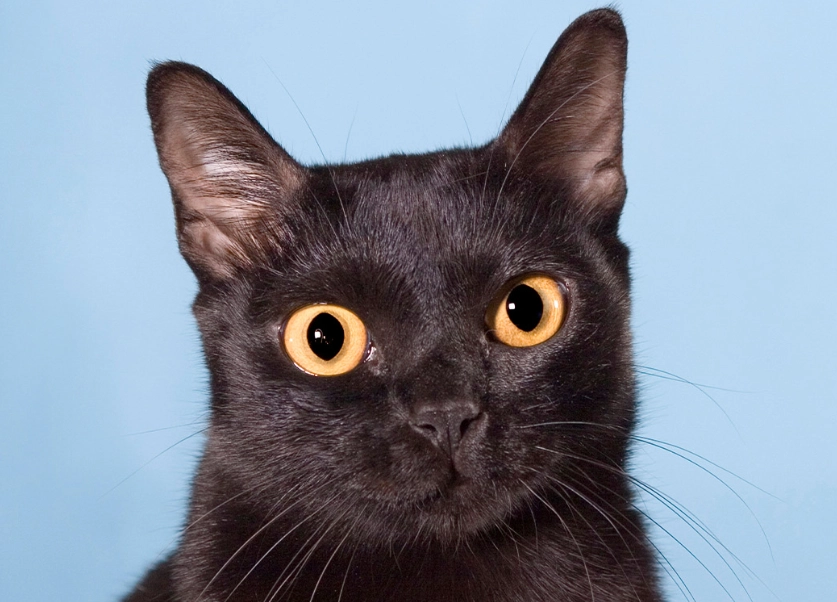
Your Burning Questions Answered
My black cat has green eyes and a sleek coat. Could it be a Bombay mix?
The copper eye color is a dominant, fixed trait in the breed. Green eyes almost certainly rule out a significant Bombay ancestry. You likely have a sleek black domestic shorthair, possibly with some other refined breed in its distant past. The mix would have diluted the defining copper eye gene.
I think my shelter cat is a Bombay based on everything here, but she's quite independent. Does that mean she's not one?
It's a major red flag. While individual personalities vary, a strong independent streak is highly uncharacteristic of the breed. Bombays are bred for extreme sociability. A standoffish Bombay is like a silent Siamese—it goes against the breed's core identity. Her looks might be coincidental, or she may have experienced trauma that overrides her natural instincts.
Are all Bombay cats completely black? No white spots at all?
Correct. According to the official breed standards from registries like the CFA, any white lockets, spots, or markings are a disqualifying fault in the show ring. A single white hair might be an anomaly, but a visible patch means the cat is not a breed-standard Bombay, even with papers. This strictness is about preserving the "black panther" illusion.
How much does a purebred Bombay kitten cost, and is that the only way to get one?
From a reputable, health-testing breeder, expect $1,500 to $2,500 USD. This covers vaccinations, early socialization, genetic screening (for conditions like craniofacial defect, which some lines carry), and that all-important pedigree. It is essentially the only way to guarantee you get a Bombay. They almost never appear in general shelters. Breed-specific rescues occasionally have adults, but there's high demand and long waiting lists.
My cat looks like a Bombay but is huge, over 15 pounds. Is that normal?
Bombays are medium-sized cats, with males typically topping out around 12 pounds of very dense muscle. A cat over 15 pounds is likely just a large domestic cat or has mixed ancestry from a larger breed. That "brick" feeling is about density, not necessarily scale. A giant house panther is cool, but it doesn't fit the breed standard frame.