Let's cut to the chase. If you're looking for a simple number, a Maine Coon kitten from a reputable breeder typically costs between $1,200 and $2,500 in the United States. But that's just the starting ticket price. The real answer is messier, more interesting, and full of decisions that will impact your wallet and your heart for the next 15 years. I've been around these gentle giants for over a decade, and the most common mistake I see isn't about color or gender—it's buyers not understanding the full financial picture before falling in love with a pair of fluffy ears.
That initial price tag can swing wildly from $600 to over $4,000 based on factors you might not have considered. And the cat itself is only part of the story. We need to talk about the first-year setup, the ongoing costs, and the huge red flags that separate a responsible breeder from a scammer or a backyard operation. This guide will walk you through every dollar, so you can budget realistically and bring home a healthy, happy companion without nasty financial surprises.
What's in this guide?
The Honest Maine Coon Price Breakdown
Forget the single number. Think of it in tiers, each with its own trade-offs between cost, ethics, and predictability.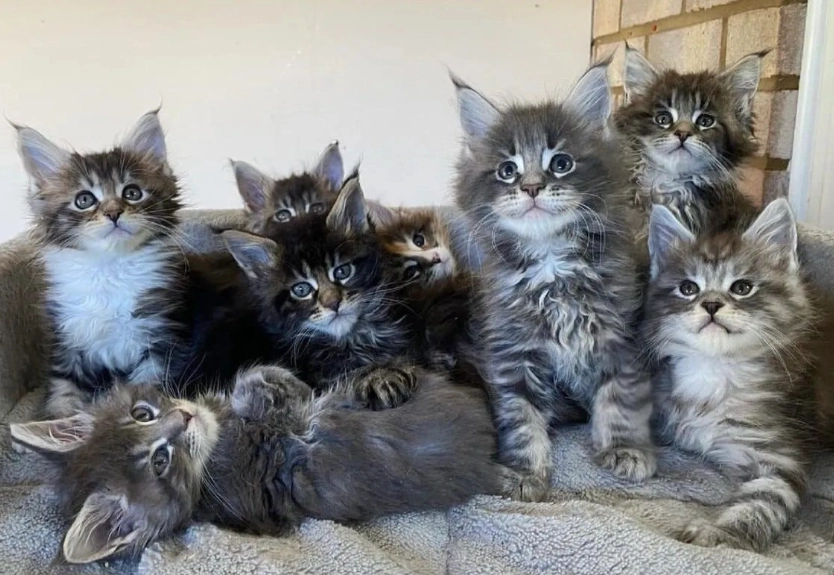
1. From a Reputable Breeder: $1,200 - $2,500+
This is the standard range for a pet-quality kitten from a breeder registered with a major cat association like The International Cat Association (TICA) or the Cat Fanciers' Association (CFA). What does "pet-quality" mean? It's a kitten perfectly healthy and wonderful for a family home but may have a slight cosmetic deviation from the strict breed standard (like a white locket on a solid-colored cat) that prevents it from being shown in championship categories. These cats are almost always sold with a spay/neuter contract.
Prices climb from here based on:
- Breeder Reputation & Location: Top-tier breeders with decades of experience and national champion lines command higher prices, often $2,000+. Breeders in high-cost-of-living areas (Northeast, West Coast) also charge more.
- Color & Pattern: Some rare or highly sought-after colors like solid white, smoke, or specific tabby patterns can add a premium.
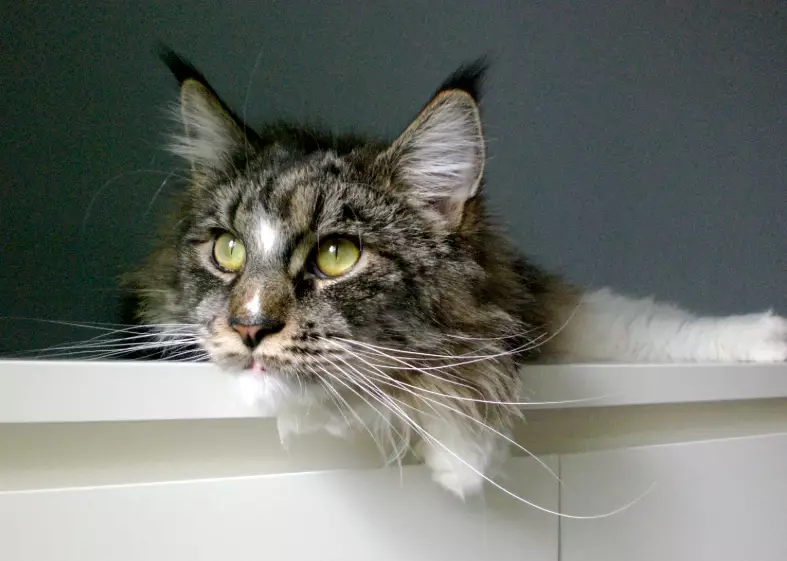
- Show/ Breeding Potential: If a kitten is deemed potential show or breeding quality, the price can jump to $3,000 - $4,000 or more. These kittens come with full breeding rights and are sold to other registered breeders.
| Source | Typical Price Range | What's Usually Included | Best For |
|---|---|---|---|
| Reputable Breeder (Pet Quality) | $1,200 - $2,500 | Health guarantees, first vaccinations, deworming, spay/neuter, microchip, starter kit, contract. | Families wanting predictability in health, temperament, and support. |
| Show/Breeder Quality Kitten | $3,000 - $4,500+ | All of the above + breeding rights, extensive pedigree documentation. | Experienced breeders or show enthusiasts. |
| Adoption (Rescue/Shelter) | $150 - $400 | Spay/neuter, vaccinations, microchip, sometimes basic vet check. | Those prioritizing giving a cat a home, comfortable with an adult cat or mixed breed. |
| Backyard Breeder / Online Scam | $500 - $900 | Often just the kitten. Little to no health screening, questionable vaccinations. | No one. This is a high-risk category. |
2. Adoption: $150 - $400
Yes, you can find Maine Coons or Maine Coon mixes in shelters and breed-specific rescues. The ASPCA notes that purebreds make up about 5% of shelter intakes. The fee covers the cat's veterinary care (spay/neuter, shots, microchip) and supports the rescue. The cat is usually an adult, which is a huge advantage—you know its full-grown size and personality. The downside? True, young, purebred Maine Coons in rescues are rare and get adopted quickly.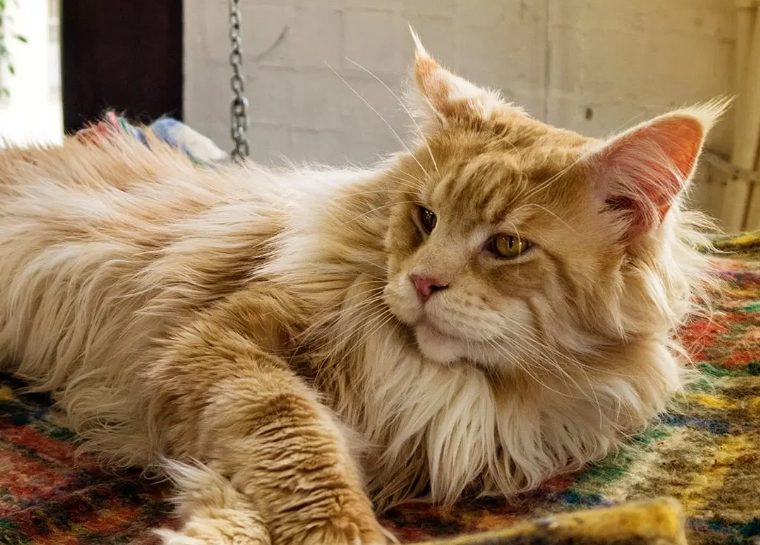
3. The Danger Zone: Backyard Breeders & Scams ($500 - $900)
This price range is a major red flag. It's low enough to tempt you but high enough to make the seller a profit. These sellers often skip expensive health testing, don't provide registration papers, and raise kittens in poor conditions. The "bargain" often leads to heartbreak and vet bills ten times the purchase price. I knew someone who bought a "discount" Maine Coon; the $800 kitten developed severe hypertrophic cardiomyopathy (a common heart condition in the breed) by age two, leading to thousands in vet costs and an early goodbye.
My take: The breeder's price isn't a profit margin; it's a reflection of their investment in health, socialization, and care. If the price seems too good to be true, it almost always is. The real cost of a cheap kitten is paid later at the veterinary clinic.
Why Are Maine Coon Cats So Expensive?
It's not just because they're big and fluffy. Reputable breeding is a massive, costly undertaking.
Health Testing is Non-Negotiable. A responsible breeder will test their breeding cats for genetic conditions common in Maine Coons. The gold-standard tests include screening for Hypertrophic Cardiomyopathy (HCM) via echocardiograms (cost: $300-$500 per cat, yearly), and DNA tests for Spinal Muscular Atrophy (SMA) and Hip Dysplasia. This isn't a one-time cost. It's ongoing.
The Time and Care Investment. Kittens stay with the breeder for 12-16 weeks, not the 8 weeks you see from bad sources. Those extra weeks are critical for proper socialization and learning cat manners from their mother. The breeder is paying for high-quality food, litter, utilities, and dedicating hours each day to handling and playing with the kittens.
Overhead Costs. Think registration fees with TICA/CFA, website maintenance, advertising at cat shows, and maintaining clean, spacious facilities for the cats. It's a small business.
A breeder selling kittens for $1,500 with a litter of 4 might gross $6,000. After subtracting the costs of health testing, premium food, vet care for mom and kittens, and all the overhead, the actual profit is modest. They do it for love of the breed, not to get rich.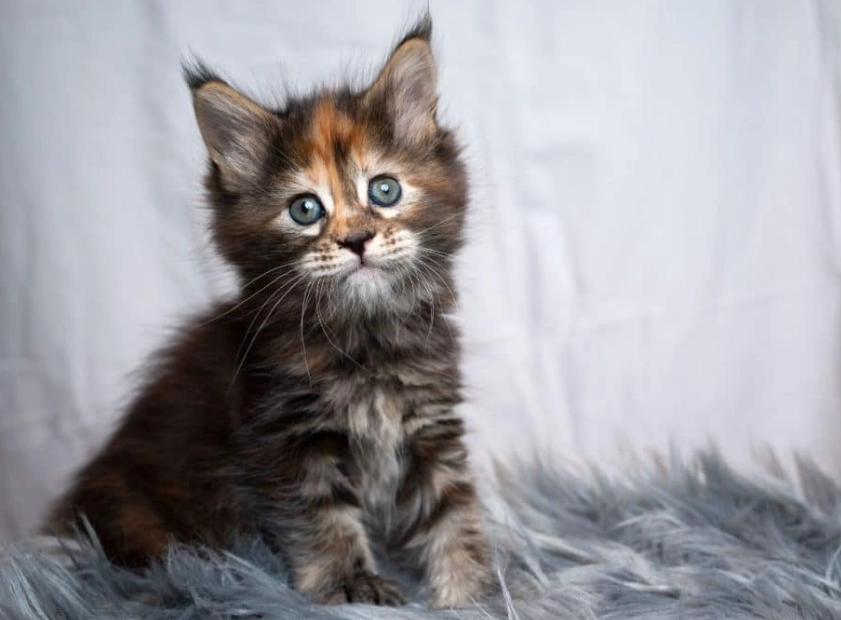
Your Step-by-Step Guide to Buying a Maine Coon
This is how you translate research into action and find a healthy kitten.
Step 1: Find Breeders, Not Sellers. Start with the breeder directories on the TICA and CFA websites. These are vetted starting points. Look for breeders who have a focused breeding program (not 10 different breeds) and whose websites are informative, not just salesy.
Step 2: The Interview Goes Both Ways. A good breeder will interrogate you. They'll ask about your home, other pets, your experience, and your plans for the cat. Be prepared for this. If they don't ask questions, that's a bad sign.
Step 3: Ask for Proof, Not Promises. Request to see the health testing certificates for the kitten's parents (HCM scans, genetic test results). Ask about their contract—it should include a health guarantee against genetic defects for at least one year, a requirement to return the cat to them if you can't keep it, and a spay/neuter clause for pet kittens.
Step 4: Visit if Possible. If geographically feasible, visit the cattery. You should see clean, open spaces where cats are part of the household, not isolated in cages. During the pandemic, many breeders offered video tours, which is a decent alternative.
Step 5: Get on a Waitlist. Good breeders rarely have kittens "available now." They have waitlists. Be patient. Paying a deposit is normal, but ensure it's refundable or transferable under clear terms.
The Hidden First-Year & Ongoing Costs
The kitten price is just the entry fee. Here’s what you’re really signing up for.
Initial Setup (First Month): $500 - $1,000
- Large Cat Tree ($150 - $400): These are big cats. A flimsy tree won't cut it.
- Extra-Large Litter Boxes ($50 - $100): You'll need at least two. Jumbo size.
- Quality Food & Bowls ($100 - $200): Maine Coons benefit from high-protein, grain-inclusive or grain-free diets. They eat a lot.
- Carrier, Toys, Grooming Tools ($100 - $200): A sturdy carrier, brushes for their long fur, and durable toys.
- Vet Visit & Final Vaccinations ($150 - $300): Even if the breeder started shots, you'll need to finish the series.
Annual Ongoing Costs: $800 - $1,500+
- High-Quality Food: ($400 - $800/year). They are large and active.
- Litter: ($200 - $300/year). You go through more with big boxes.
- Routine Vet Care: ($200 - $400/year). Annual checkups, preventatives.
- Pet Insurance: ($300 - $600/year). This is my non-negotiable advice. For a breed prone to certain health issues, insurance is a financial lifesaver. Get it while the cat is young and healthy.
Budget for the Unexpected: A single emergency vet visit for an intestinal blockage (they love to chew things) or a urinary issue can easily cost $2,000 - $5,000. This is where that pet insurance pays for itself many times over.
Red Flags: How to Spot a Scam or Bad Breeder
These are the signs that should make you walk away immediately.
They have multiple litters available all the time. Reputable breeders plan one or two litters a year per queen.
They refuse to let you see where the cats live or only offer to meet in a parking lot.
No health testing documentation is provided, or they say "the vet said they're healthy." A vet check is not the same as genetic and cardiac screening.
The price is significantly below market rate ($600 - $900) and they pressure you to pay via irreversible methods like wire transfer or gift cards.
They don't ask you any questions. A true breeder cares where their kittens go.
Your Maine Coon Cost Questions Answered
So, how much should you pay for a Maine Coon? Aim for the $1,200-$2,500 range from a transparent, health-testing breeder and consider it a down payment on 15 years of companionship. Budget another $1,500-$2,000 for the first year's setup and care. Or, open your heart to a rescue cat for a fraction of the cost. Either way, go in with your eyes open. The right cat is priceless, but being prepared for the real cost is what lets you enjoy the journey without financial panic shadowing every purr.