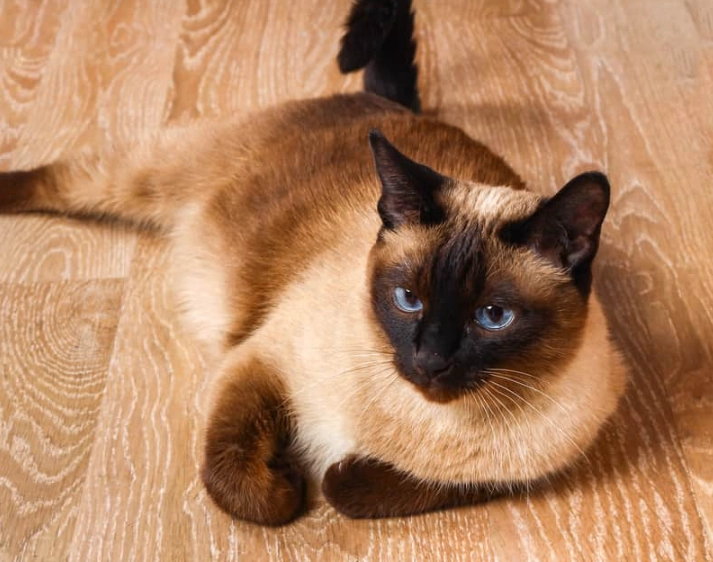
Ask someone to describe a Siamese cat, and they'll probably mention blue eyes, a sleek body, and those signature dark "points" on the ears, face, paws, and tail. But here's something that trips up a lot of new cat enthusiasts: not all Siamese cats look the same. In fact, walking into a cat show or browsing breeders' websites can be confusing. You'll see cats that are long, slender, and wedge-headed next to others that look sturdier and rounder-faced, yet they're all called Siamese.
The truth is, the Siamese cat breed has evolved dramatically over the last century, leading to three distinct types that are recognized and cherished today. Understanding these differences is crucial, especially if you're thinking of bringing one of these vocal, intelligent companions into your home. The body shape and structure can tell you a lot about their likely personality and care needs.
Based on my years talking to breeders and owners, the confusion often starts when people fall in love with the *color* but don't consider the *body type*. It's like wanting a specific car model but not realizing it comes in a sport coupe, a sedan, and an SUV version—each drives differently.
What You’ll Discover in This Guide
1. The Traditional or ‘Applehead’ Siamese: The Original Blueprint
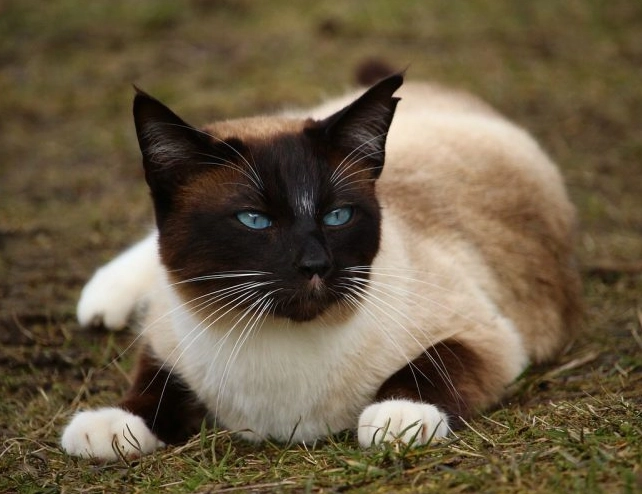
This is the cat that first arrived from Siam (now Thailand). If you look at vintage photos from the late 1800s and early 1900s, this is what you see. They're sometimes called "Appleheads"—a nickname breeders and enthusiasts use, though it's not an official breed name—because of their noticeably rounder head shape.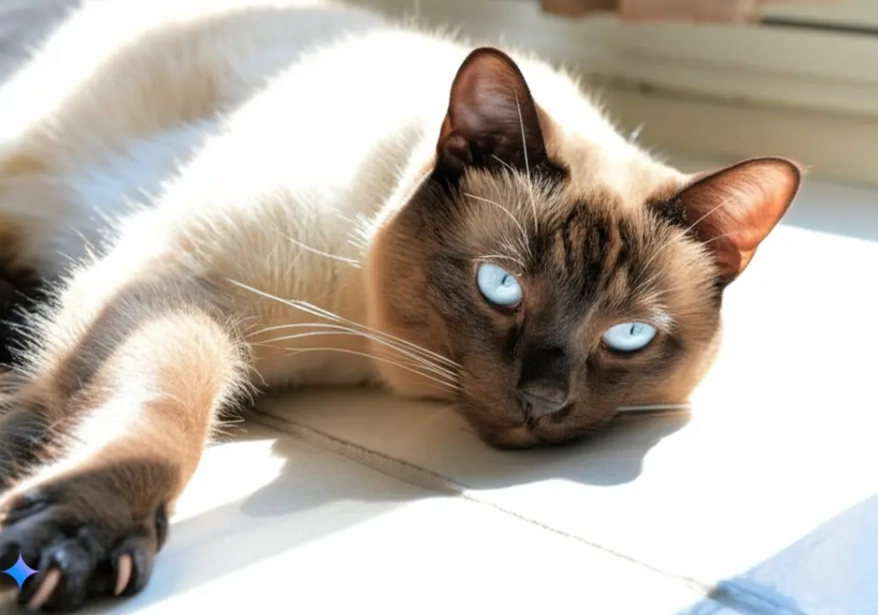
Appearance & Breed Standard
Forget the extreme wedge. The Traditional Siamese has a modified, slightly rounded wedge head. The profile shows a gentle dip, not a straight line from forehead to nose. Their body is medium to large, muscular, and substantial—what cat fanciers call "cobby." They are not heavy, but they feel solid when you pick them up. The ears are medium-sized and proportional to the head, set more to the side.
These cats are recognized by specific registries that focus on preserving historical breeds, such as The Traditional Cat Association (TCA). They adhere to a separate standard from the modern show Siamese.
Temperament & Personality
Owners of Traditionals often describe them as slightly more relaxed than their modern counterparts. They retain the famous Siamese intelligence, curiosity, and devotion. They will follow you, talk to you, and demand your attention. However, many breeders and long-time owners note a subtle difference in energy levels. They're active and playful, but perhaps not *constantly* in motion like some modern lines can be. Their voice is still loud and expressive, but the tone can be slightly deeper.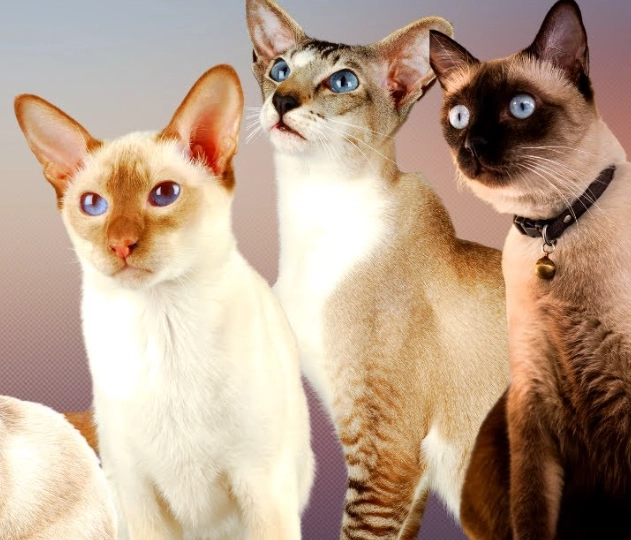
2. The Classic or ‘Old-Style’ Siamese: A Balanced Middle Ground
This is where things get interesting and a bit less defined. The Classic Siamese represents the middle phase of the breed's evolution, roughly from the 1950s to the 1980s. They are not as extreme as the Modern show cats but are more refined than the original Traditionals. You might see them called "Old-Style" Siamese.
Appearance & Breed Standard
The Classic type strikes a balance. The head is a definite wedge, but it's longer and more proportional, not the extreme tapered wedge. The body is long, tubular, and svelte, but you can still see some underlying musculature. It's elegant without being fragile. The legs are long and slender, and the tail is long and tapering. This look is what many people who grew up with Siamese in the mid-20th century remember.
Finding a "Classic" Siamese can mean looking for breeders who prioritize this intermediate look, sometimes breeding selectively away from the most extreme modern standards while not aiming for the full Traditional type.
Temperament & Personality
This is often considered the "sweet spot" of Siamese personality by many admirers. They have the high intelligence, intense social nature, and vocal prowess the breed is famous for. They are active, acrobatic, and need engagement. From my conversations, owners of these cats find them to be perfectly balanced companions—highly interactive and entertaining without being overwhelmingly needy in the way some ultra-modern lines can be described (where the cat may develop separation anxiety more easily).
They are true "velcro cats" but might be content to supervise your activities from a nearby perch after some vigorous play.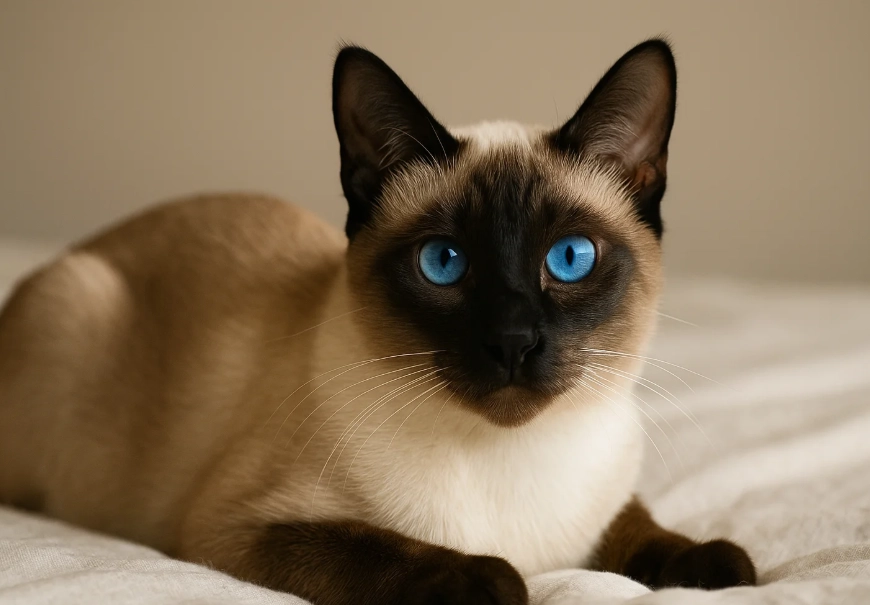
3. The Modern or ‘Show-Style’ Siamese: The Contemporary Icon
This is the Siamese you see winning ribbons in major cat shows governed by organizations like the Cat Fanciers' Association (CFA) or The International Cat Association (TICA). Over decades, the breed standard in these registries has called for an increasingly long, slender, and angular look. This is the type most frequently depicted in modern media.
Appearance & Breed Standard
The head forms a long, tapering wedge. When you look straight on, the sides of the head are straight lines from the narrow nose to the wide-set ears, forming a triangle. The profile is a perfectly straight line from the forehead to the tip of the nose. The body is long, tubular, and whip-thin, with fine bones and lean muscle. The legs are long and slender, and the tail is long and thin like a whip. The ears are strikingly large and wide at the base, continuing the lines of the wedge.
This is a study in elegance and extremes. It's a look that inspires strong feelings—some adore it as the pinnacle of feline grace, while others feel it has strayed too far from the breed's origins.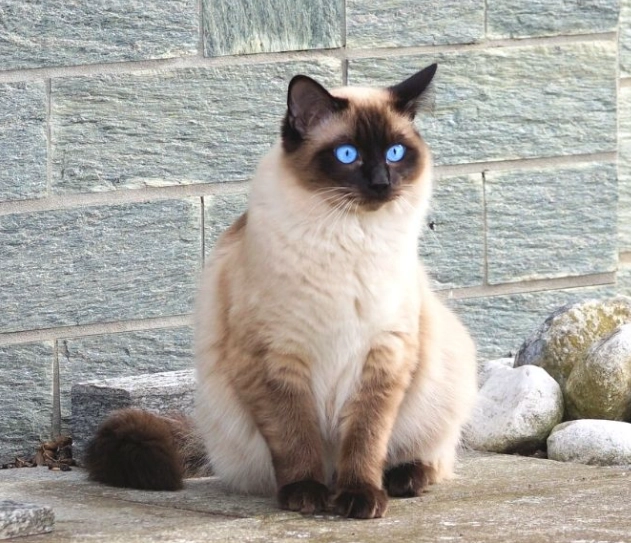
Temperament & Personality
Here's a non-consensus point many experienced breeders will whisper about but isn't in the official write-ups: the drive for this specific physical extreme can sometimes be linked to an intensification of personality traits. Modern Siamese are often described as the most intense of the three types. They are supremely intelligent, incredibly active, and can be exceptionally demanding and vocal. They form profound bonds with their people and often do poorly if left alone for long hours regularly. Their energy is boundless, and they need more active play and puzzle toys to stay happy.
This isn't a flaw—it's a feature for the right person. But it's a crucial consideration.
How to Choose the Right Siamese Type for You
It's not just about which one you think is prettiest. Your lifestyle is the deciding factor. Let's break it down with a quick comparison.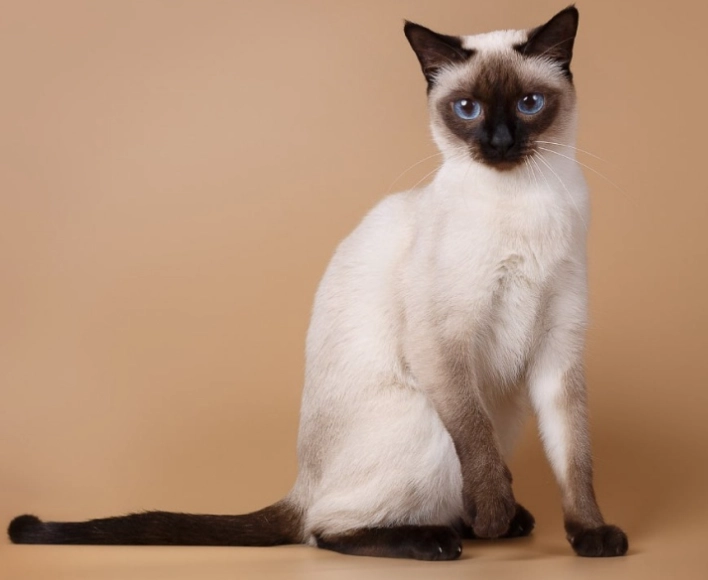
| Feature | Traditional Siamese | Classic Siamese | Modern Siamese |
|---|---|---|---|
| Build | Medium to large, muscular, substantial | Long, svelte, balanced, elegant | Long, tubular, extremely slender, fine-boned |
| Head Shape | Modified wedge, rounded, "apple" shape | Definite but proportional wedge | Long, tapering, straight-line wedge |
| Energy Level | High, but often described as more relaxed | High, balanced, acrobatic | Very high, intense, seemingly boundless |
| Vocalization | Loud, expressive, can be deep-toned | Classic loud, chatty Siamese voice | Often extremely vocal, persistent, high-pitched |
| Ideal Home | Families, first-time owners, relaxed settings | Most homes that can provide play & company | Active, experienced owners, often home |
| Find Them Through | Traditional Cat Association (TCA) breeders | Select breeders focusing on "old-style" lines | CFA/TICA show breeders |
The most important step? Visit breeders in person. Don't just look at pictures online. Meet the cats, see the parents, and ask the breeder endless questions about personality. A reputable breeder will be interviewing you just as much to see if their cats are a match for your life.
And remember, color points (seal, chocolate, blue, lilac, plus newer colors like red and lynx) are available across all three types. That's a separate choice from body type.