In This Guide
- The Science Behind the Soot: Black Cat Genetics 101
- So, Are 100% Black Cats Rare? The Regional Reality Check
- Black Cats in the Pedigree World: A Different Ball Game
- Beyond Rarity: The Myths and Realities of Living with a Black Cat
- Finding and Caring for Your Own 100% Black Cat
- Your Questions Answered: Black Cat FAQ
- Final Thoughts: Rarity is in the Eye of the Beholder
So you're scrolling through cat pictures, and you see this stunning, sleek creature that looks like a tiny panther. It's jet black from whisker to tail tip. No white socks, no hidden spot, just pure midnight. And the question pops into your head: are 100% black cats rare? I used to wonder the same thing. After years of being a cat enthusiast and talking to breeders, vets, and shelter volunteers, I've gathered some answers that might surprise you. It's not a simple yes or no. The truth is tangled up in genetics, geography, and even a bit of old-fashioned superstition.
Let's get one thing straight off the bat. When people ask "are 100% black cats rare?", they usually mean cats with no other color hairs at all—a solid, non-fading, pitch-black coat. We're not talking about black cats with a tiny white locket or a few hidden grey hairs. We're talking absolute void. And that specific kind of black cat? Its rarity is a fascinating story.
Key Takeaway First: Genetically pure black cats are not exceptionally rare globally, but finding one that is 100% solid black with no other markings or color changes involves a specific genetic lottery. Their commonness or rarity shifts dramatically depending on where you live and the cat's breed.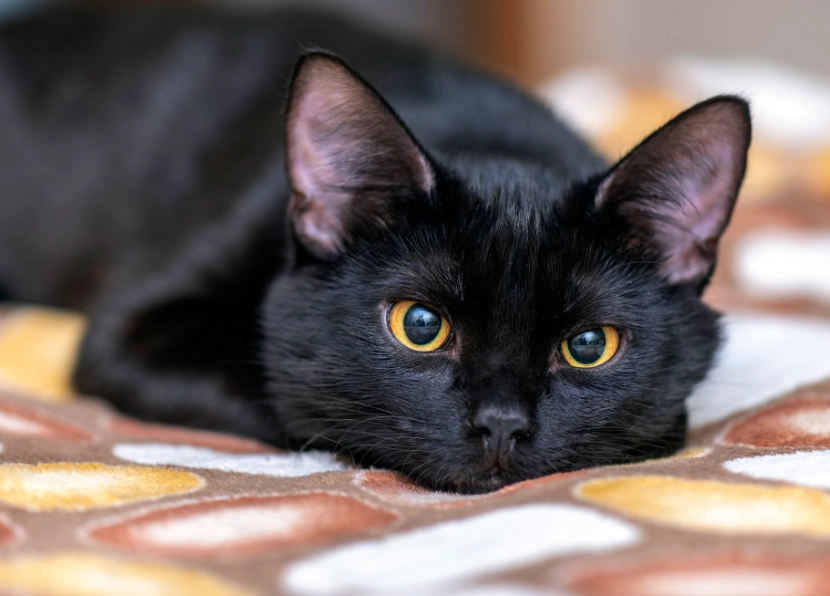
The Science Behind the Soot: Black Cat Genetics 101
To really understand if 100% black cats are rare, you gotta dig into the genetics. It's simpler than you think. A cat's fur color is primarily determined by two pigments: eumelanin (black/brown) and pheomelanin (red/orange). The gene that gives us that gorgeous solid black color is called the Non-agouti (a/a) gene.
Here's the gist. Most cats have a tabby pattern genetically coded into them (the agouti gene). This pattern can be masked, but it's often there. The Non-agouti gene essentially turns off this underlying tabby pattern. When a cat inherits two copies of this recessive gene (one from each parent), it allows the black pigment (eumelanin) to be expressed evenly across every single hair, resulting in that solid black coat.
But wait, there's another player. The dominant black gene (B) also exists. This one is more straightforward and simply instructs the cells to produce black pigment. The interaction between these genes gets complex, but for our purpose, know this: creating a cat that is truly, consistently black without any ghost patterns, rusting (reddish tinge in sunlight), or white spots requires a specific genetic combo.
I remember a breeder telling me, "You can have two black cats and still get a tabby kitten if they're both carrying the recessive tabby gene. Guaranteeing a litter of all solid black kittens is tricky." That stuck with me. It's a roll of the dice every time.
| Genetic Factor | What It Does | Impact on "100% Blackness" |
|---|---|---|
| Non-agouti (a/a) Gene | Suppresses the tabby pattern, allowing solid color expression. | Essential. Without two recessive copies, tabby markings may show through. |
| Dominant Black (B) Gene | Directs production of black pigment (eumelanin). | Primary driver of black color. The B allele is dominant over brown (b). |
| Color Density Gene | Controls the intensity of the pigment in each hair shaft. | Affects whether the black is jet or a faded gray/brown. |
| White Spotting Gene (S) | Causes white patches, from a single locket to mostly white. | The enemy of "100% black." Even a tiny white spot means the cat isn't technically solid black. |
So, from a purely genetic standpoint, the building blocks for a black cat are common. But aligning all those blocks perfectly to get a 100% solid, unmarked, jet-black cat? That's where the odds change.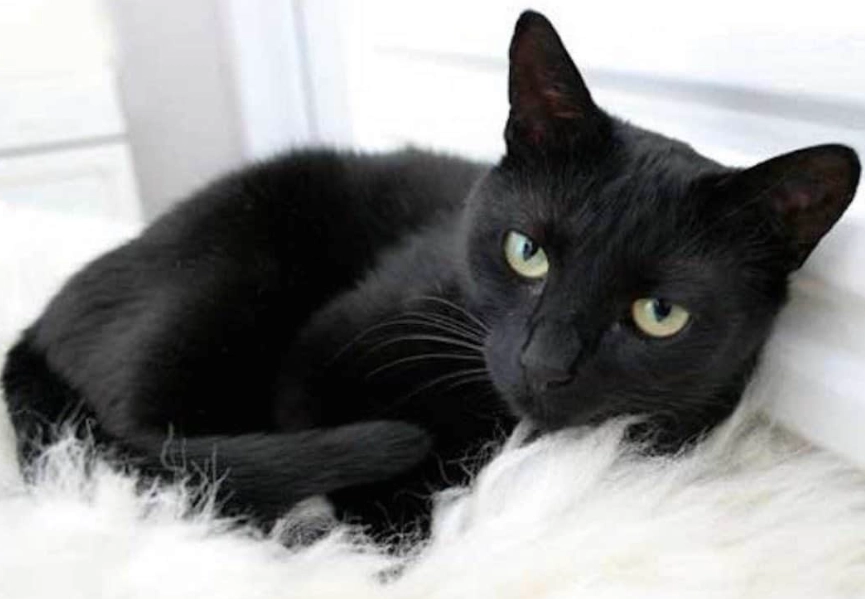
So, Are 100% Black Cats Rare? The Regional Reality Check
This is where the answer gets interesting. If you're asking are 100% black cats rare in the world, the broad answer is no. Black is a very common coat color in domestic shorthairs and longhairs (your typical moggie or house cat). In many places, black cats are everywhere in shelters.
However, and this is a big however, pure solid black with no white whatsoever is less common than black cats with a little bit of white. That tiny white locket on the chest or a few white hairs on the belly is incredibly common due to the white spotting gene. So, a completely unmarked black cat is somewhat less frequent than its black-and-white counterpart.
Geography plays a huge role. In the United Kingdom and parts of Europe, solid black cats are very common. Some studies, like those referenced by the UK's International Cat Care, suggest black is one of the most prevalent coat colors in the non-pedigree cat population. Walk into a British shelter, and you'll likely see several. But in Southeast Asia, for instance, the classic tabby or ginger coats might be more dominant. It's a population genetics thing.
In North America, the story is tinged with sadness. Black cats are often the last to be adopted due to persistent superstitions and the silly notion that they don't photograph well for social media (which is nonsense, by the way). This means in shelters, they are over-represented. So while they might be common in shelters, it's not because they are bred more; it's because they are adopted less. This creates a false perception of abundance, but also a heartbreaking reality for individual cats.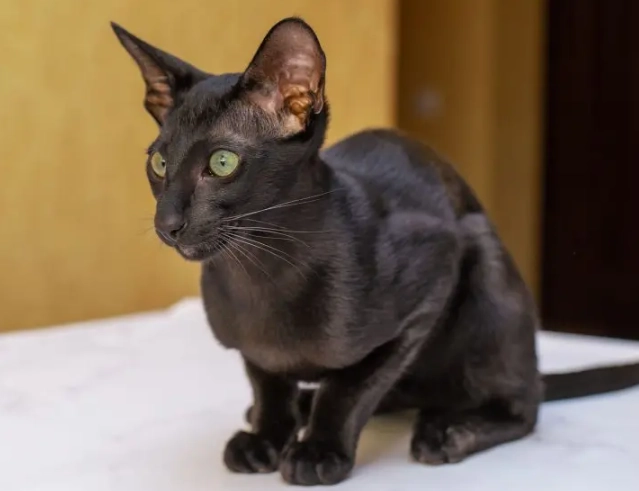
Black Cats in the Pedigree World: A Different Ball Game
When we shift from everyday moggies to purebred cats, the question "are pure black cats rare?" gets new answers. For some breeds, a flawless black coat is a standard and sought-after color. For others, it's impossible.
- Common in These Breeds: The Bombay cat was literally created to look like a miniature panther. A perfect, sleek black coat is the only color for this breed. The Oriental Shorthair, the British Shorthair, and the American Shorthair all have black as a standard and accepted color. In these breeds, a good quality solid black cat is not rare, but a well-bred example with perfect coat quality is always special.
- Impossible in These Breeds: You'll never find a 100% black Siamese, Ragdoll, or Russian Blue. Their color-point or specific solid-color genetics simply don't allow for a black coat in the traditional sense.
- The Curious Case of the Turkish Angora: Here, solid black is possible but often accompanied by the white spotting gene, making a completely spotless black specimen rarer within the breed.
I once met a Persian breeder who specialized in blacks. She told me, "Keeping a long-haired black coat pristine and free of rusting (that reddish sun-bleach) is a full-time job. A show-quality solid black Persian is a masterpiece." So in the fancy world of cat shows, a top-tier black coat can be quite prized and relatively rarer among the winners, where every hair counts.
Beyond Rarity: The Myths and Realities of Living with a Black Cat
Let's be honest. When someone searches are 100% black cats rare, they're often thinking about getting one. The question behind the question is: "Is there something special or difficult about them?" Let's tackle the myths head-on.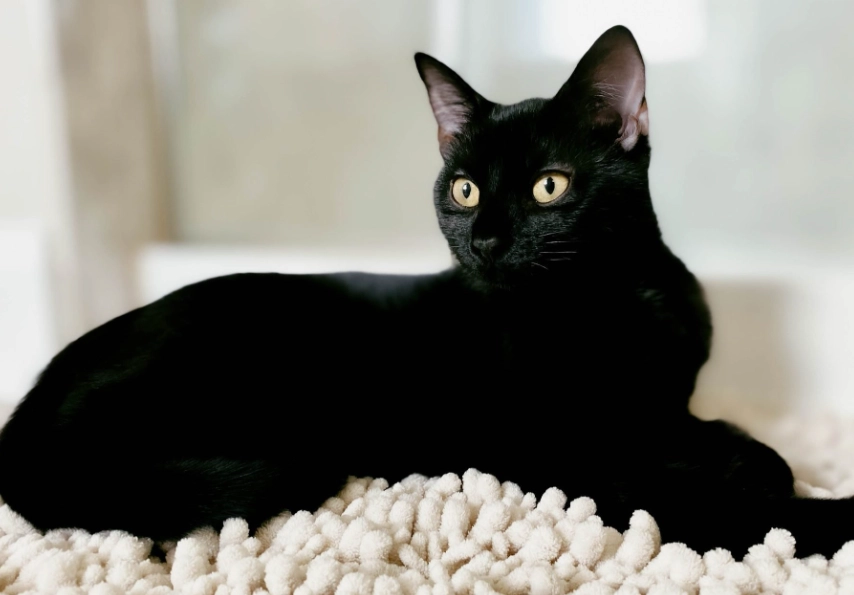
Myth-Busting Time
Myth 1: Black cats are less healthy. Nope. Coat color has no direct link to overall health. However, some genetic lines in certain breeds may have predispositions, but that's about breeding, not color. The Cornell Feline Health Center states that health is determined by a wide array of genes, not just those for color.
Myth 2: They are all witches' familiars/bad luck. This tired superstition is responsible for so much harm. In many cultures (like Japan and the UK), black cats are considered good luck. This myth directly impacts adoption rates, especially around Halloween, when many shelters suspend black cat adoptions to prevent misuse.
Myth 3: They don't photograph well. This is my personal pet peeve. Black cats photograph beautifully with the right lighting! They look like living silhouettes with mesmerizing eyes. It's a challenge I enjoy as a pet photographer.
The Real Considerations (The Good and The Annoying)
Okay, let's get real. Having lived with a solid black cat for a decade, here's the unvarnished truth.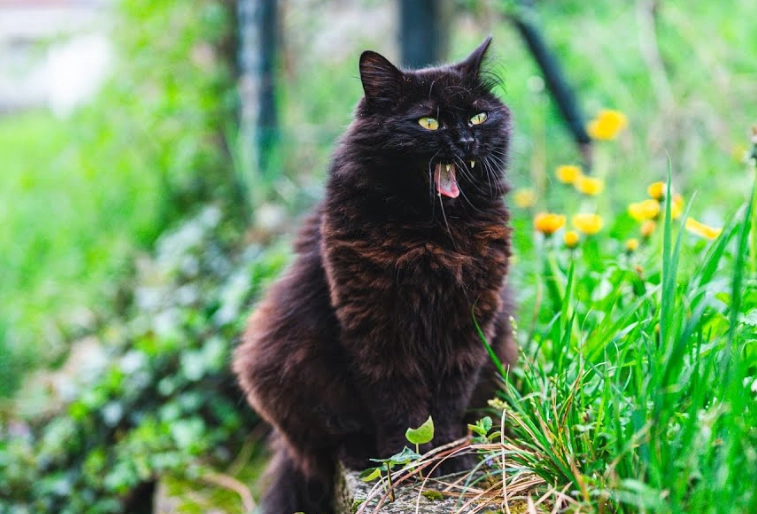
The Awesome Parts: They are stunning. There's an elegance to them that's unmatched. Many black cat owners swear their cats have uniquely sweet, goofy, or loyal personalities (though science says personality isn't color-linked). They're like a warm, purring shadow that follows you around. You also never have to worry about visible fur stains!
The Annoying Parts: You will trip over them in the dark. Constantly. They become invisible on dark carpets or in dim hallways. I've lost count of the near-heart attacks. Also, that beautiful black coat shows every single speck of white lint or dandruff. Grooming is a must to keep them looking sharp. And in bright sunlight, some black cats can develop a rusty brown tinge—it's called "rusting" and it's normal, but if you're obsessed with jet-black, it might bug you.
A Personal Gripe: The absolute worst is when people still make "witchy" comments or joke about bad luck when they meet my cat. It's 2024, folks. Can we move on? He's just a cat who loves chicken and hates closed doors.
Finding and Caring for Your Own 100% Black Cat
If you're now dreaming of a little house panther, here's how to find one and keep it healthy.
Adoption is the First and Best Port of Call. Seriously. Shelters are full of wonderful black cats of all ages waiting for a home. You might not find a pedigreed Bombay, but you will absolutely find a loving, solid black domestic shorthair. Tell the staff you're looking for a cat with no white markings—they can help you. Websites like Petfinder let you search by color.
If You Want a Specific Breed: Do your homework. Find reputable breeders registered with organizations like The International Cat Association (TICA) or the Cat Fanciers' Association (CFA). A good breeder will be happy to discuss the genetics of their lines and show you the parents. Expect to be on a waiting list.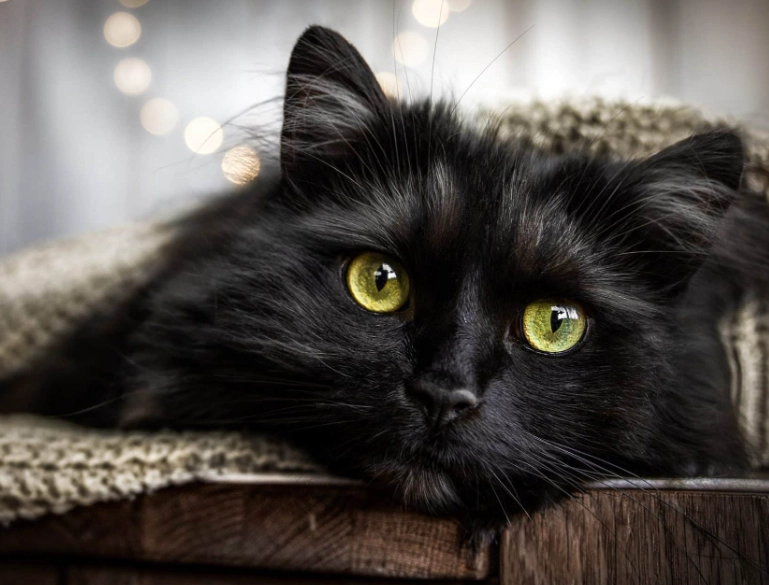
Care Tips Specific to Black Coats
- Diet for a Glossy Coat: A high-quality diet rich in omega-3 and omega-6 fatty acids promotes skin health and a shiny, dark coat. A dull coat can look more grey.
- Sunbathing in Moderation: To minimize rusting, limit excessive sunbathing. This is also good for skin cancer prevention.
- Regular Grooming: Brush them weekly (more for longhairs) to remove loose hairs and distribute skin oils. This keeps the coat sleek and reduces hairballs.
- Visibility & Safety: Put a reflective or light-colored breakaway collar on them if they go outside. It helps you and drivers see them. Keep night lights on in hallways!
Your Questions Answered: Black Cat FAQ
Final Thoughts: Rarity is in the Eye of the Beholder
So, after all this, are 100% black cats rare? Genetically common, but the perfectly solid, unmarked specimen is less frequent than other color patterns. Geographically variable. Common in shelters, sadly, due to human bias. Prized in some breed circles.
But here's the most important thing. Rarity shouldn't be the reason you want one. The black cats waiting in shelters aren't rare to themselves; they're just individuals needing a home. They offer the same spectrum of love, mischief, and companionship as any other cat. Their fur is just a darker shade of wonderful.
Maybe the real question isn't "are they rare?" but "are they right for you?" If you answer yes, please consider giving a shelter cat a chance. You might just find that a common black cat is the most uniquely wonderful friend you've ever had.
And you'll definitely learn to watch your step in the dark.