Quick Navigation
Let's be real, if you've ever seen a calico cat, you've probably stopped and stared. There's something just magnetic about that wild patchwork of orange, black, and white fur. It's like a living, breathing piece of abstract art that purrs and demands treats. I remember the first time I met a true calico, a feisty little thing named Patches at my local shelter. She wasn't just a cat; she was an event. One minute she was rubbing against my leg, the next she was giving me the side-eye for not petting her the right way. It got me wondering—what's the deal with these cats? Is the attitude part of the package, or was Patches just having a day? Turns out, there's a whole fascinating world behind those three-colored coats.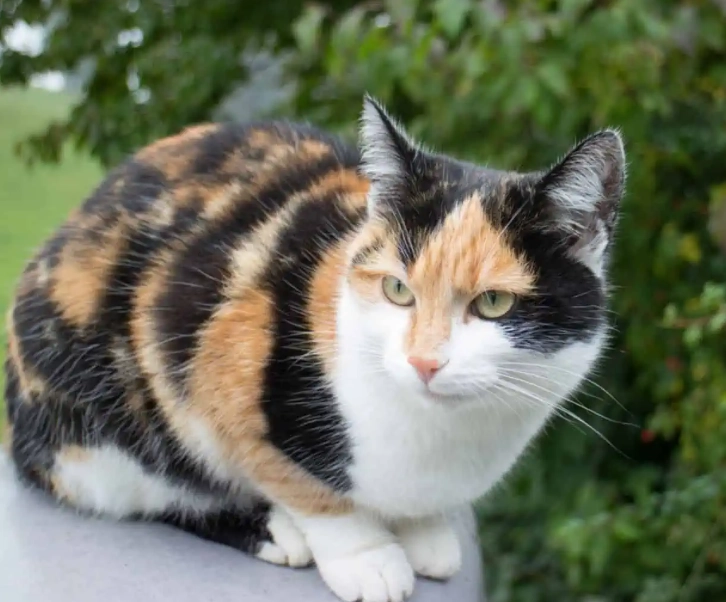
Here's the thing a lot of people get wrong: "Calico" isn't a breed. Not even close. It's a color pattern. You can find calico coats on Persian cats, Maine Coons, Japanese Bobtails, and your standard domestic shorthair. It's all about the splash of colors, not the pedigree.
So, What Exactly IS a Calico Cat?
At its simplest, a calico cat is a cat that displays three distinct colors: white, black (which can appear as grey, charcoal, or brownish), and orange (which can range from pale cream to deep, vibrant rust). The key is the presence of all three. The white is usually the base, forming large patches, with the orange and black splashed on top in smaller, distinct blobs. It's chaotic and beautiful. Sometimes the black can look diluted, giving a grey-blue and cream effect—those are called "dilute calico cats," and they're just as stunning.
Now, this is where the science gets cool, and honestly, a bit mind-bending. The reason you almost never see a male calico cat is locked in their genes. Coat color in cats is carried on the X chromosome. The gene for orange fur is on one X, and the gene for black fur is on another. Female cats have two X chromosomes (XX). Through a crazy process called X-inactivation early in development, one X chromosome gets randomly "turned off" in each cell. So, in some patches of skin cells, the "orange" X is active, and in others, the "black" X is active. The result? A mosaic of orange and black fur. The white patches come from a separate, totally different gene that limits color production.
Male cats have one X and one Y chromosome (XY). They only have one coat color gene from their mother's X. So, they can be orange OR black, but not both (barring a very, very rare genetic anomaly). That's why finding a male calico is like finding a four-leaf clover—it happens, but it's a genetic oddity, and those males are usually sterile. The Cornell Feline Health Center has a great, straightforward breakdown of this if you want to dive deeper into the genetics.
It's this genetic lottery that makes every calico cat a one-of-a-kind masterpiece. No two are patterned the same. It's nature's randomness at its most visually spectacular.
The Infamous Calico 'Tude: Myth or Reality?
Okay, let's talk about the elephant in the room—the "calico personality." Ask any vet or long-time cat owner, and you'll hear stories. They're often described as sassy, independent, bold, and fiercely loyal to one person. They're the queens of their domain, with plenty of opinions to share (usually loudly).
But is it the coat color causing the attitude? Not directly. There's no scientific evidence that fur pigment codes for personality. However, there might be a sneaky link. Remember the genetics? That complex X-inactivation process doesn't just affect fur color; it can influence other traits linked to the X chromosome. Some researchers and behaviorists speculate this might contribute to a more pronounced, variable temperament. Combine that with the fact that nearly all calicos are female, and female cats can sometimes exhibit different social behaviors than males, and you've got a recipe for a strong-willed cat.
My friend's calico, Mochi, is a perfect example. She's a lovebug with my friend, following her from room to room and sleeping on her head. But when I come over? I'm tolerated at best. She'll accept a single chin scratch, then give me a look that clearly says, "We're done here," and saunter off. It's not aggression; it's just very clear boundaries. On the other hand, I've met calicos who were shy wallflowers. So while the stereotype of the "diva" calico exists for a reason, it's not a universal law. Every cat is an individual. But yeah, maybe be prepared for a cat with a big personality.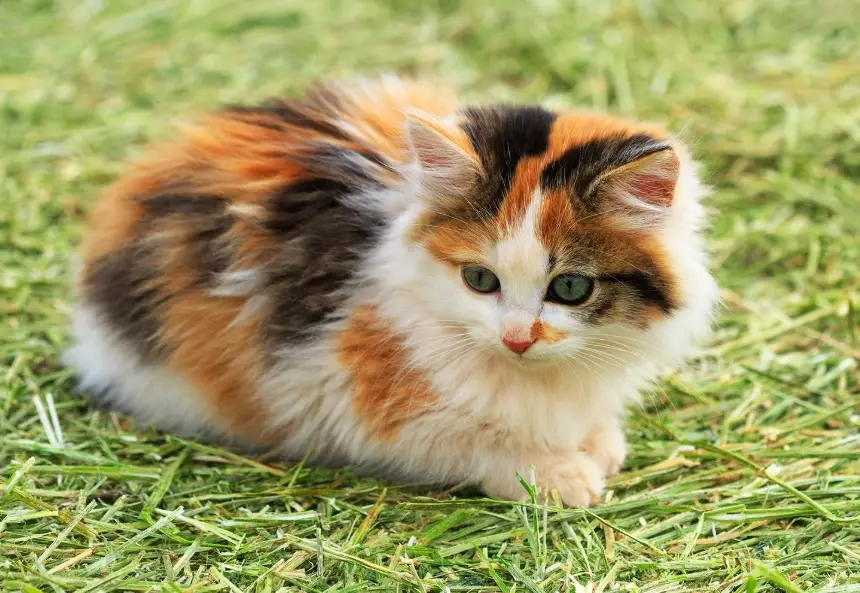
Living With a Calico: Care and Considerations
Caring for a calico cat isn't fundamentally different from caring for any other cat, but there are a few things to keep in mind, especially because they are overwhelmingly female.
Grooming Needs
This depends entirely on their breed. A long-haired calico Persian will need daily brushing to prevent mats. A short-haired domestic calico might only need a weekly brush to reduce shedding and hairballs. Their coat pattern doesn't change their grooming needs; their fur length does. Regular brushing is a great bonding activity, though, and most calicos I've known enjoy the attention—on their terms, of course.
Health Watch
Again, their health is more tied to their breed than their color. However, being almost always female, they are susceptible to health issues common in female cats. The big one is mammary cancer. Unfortunately, cats have a high rate of mammary tumors, and about 90% of them are malignant. The single most effective way to drastically reduce this risk? Spaying your cat before her first heat cycle. It's not just about preventing kittens; it's a major health intervention. The American College of Veterinary Internal Medicine (ACVIM) consensus guidelines strongly support early spaying for long-term health benefits.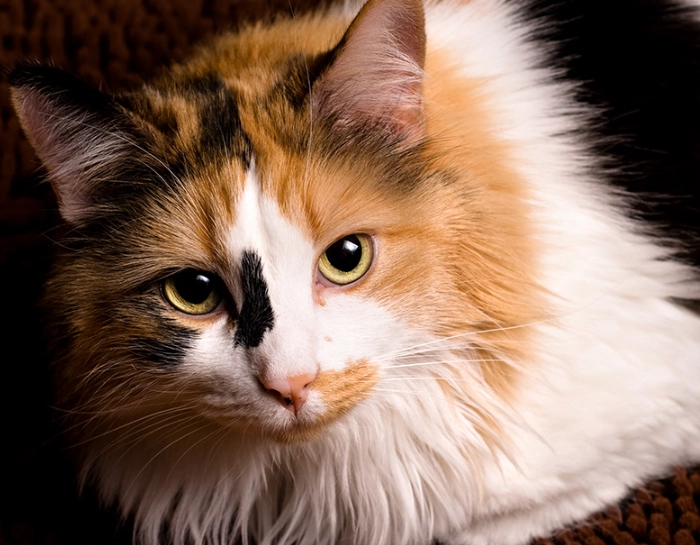
Otherwise, keep up with regular vet check-ups, a balanced diet, and plenty of play. Watch for signs of urinary tract issues, which can also be more common in females. A good diet that promotes urinary health is a smart choice.
| Care Aspect | What to Focus On | Why It Matters for Calicos (and All Cats!) |
|---|---|---|
| Nutrition | High-quality, age-appropriate food. Watch portion sizes. | Prevents obesity, supports urinary health (key for females), and keeps that gorgeous coat shiny. |
| Preventive Health | Early spaying, annual vet visits, core vaccinations, parasite control. | Early spaying is the #1 prevention for mammary cancer. Regular check-ups catch issues early. |
| Enrichment | Interactive toys, scratching posts, puzzle feeders, window perches. | A busy, stimulated cat is a happy cat. Prevents boredom-related behavior issues common in intelligent, active felines. |
| Grooming | Brush according to coat length. Check nails and ears regularly. | Reduces hairballs, prevents painful mats, and is a great way to check for skin issues or parasites. |
How Long Do Calico Cats Live?
This is a great question with a pretty standard answer: a healthy, well-cared-for indoor calico cat has the same average lifespan as any other domestic cat—typically 12 to 15 years, with many living into their late teens or even early twenties. Their longevity isn't magically bestowed by their tri-color coat; it's determined by genetics (from their specific breed mix), diet, environment, and the quality of veterinary care they receive.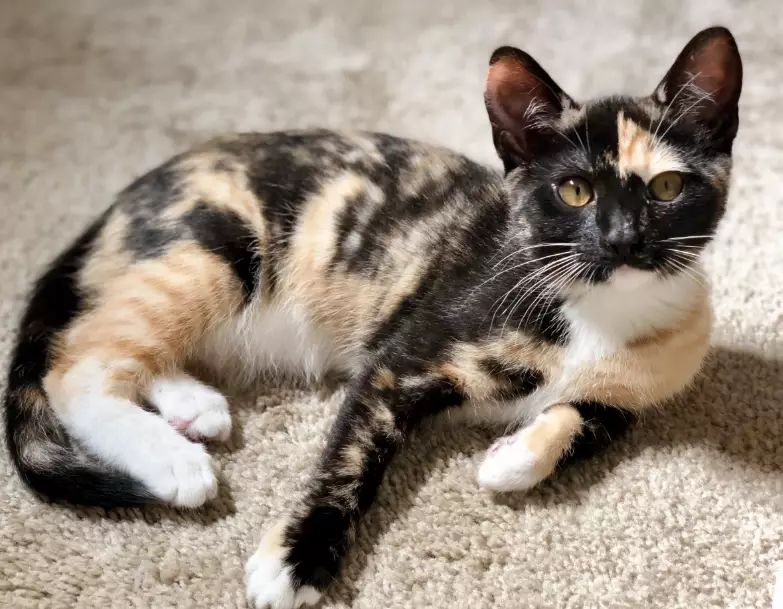
Letting a calico cat (or any cat) roam outdoors unsupervised significantly shortens their potential lifespan due to risks like traffic, predators, diseases, and fights. Keeping them as indoor cats is the single best gift you can give them for a long life. If they crave the outdoors, consider a secure catio or harness training.
Naming Your Patchwork Pal
With a look that unique, the name has to fit. People often lean into the color theme or the perceived personality. Here's a fun list of popular calico cat names to spark some ideas:
- Color-Inspired: Patches, Callie, Autumn, Marbles, Puzzle, Mosaic, Calypso, Ember, Pepper.
- Food-Themed (always a hit): Cookie, Mochi, Nutmeg, Reese (like the peanut butter cup), Torte, Marzipan.
- Personality-Based: Sassy, Duchess, Queenie, Zelda, Xena, Cleo (for Cleopatra).
At the end of the day, the name that feels right when you look at them is the winner. My neighbor's massive, fluffy calico is named "Tiny." It's perfect.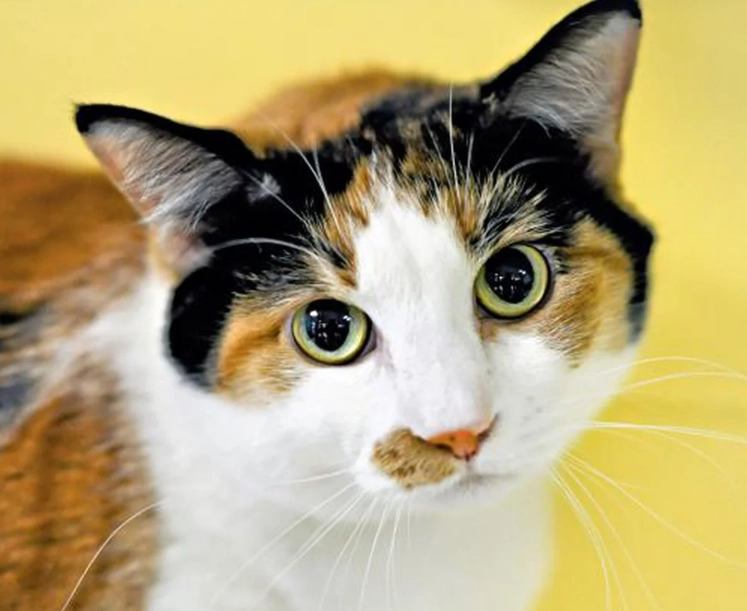
Your Calico Cat Questions, Answered
Final thought: Calico cats are a walking lesson in genetics, individuality, and beauty. They remind us that the most interesting things in nature are often the result of happy accidents and complex codes. Whether yours is a laid-back lap cat or a demanding drama queen, you're sharing your home with a little piece of living science and art. And that's pretty special.
If you're considering bringing one of these colorful characters into your life, head to your local shelter. Look past the craziness of the colors for a second and see the cat underneath. You might just find your perfect, sassy, one-of-a-kind match. I know Patches found hers, and she rules the roost with an iron paw—and her family wouldn't have it any other way.