In This Guide
Okay, let's be real. If you're anything like I was when I first got into cats, you've probably squinted at a beautifully patchy cat and thought, "Is that a tortoiseshell or a calico?" They both look like a box of crayons melted all over them, right? I remember fostering a litter where two sisters looked almost identical—one was dubbed a calico, the other a tortie. It took me a solid week of confused Googling to really get it. The truth is, that confusion is super common, and the line between them is both simple and fascinatingly complex.
This isn't just about putting a label on a cat. Getting the tortoiseshell cat vs calico distinction right matters if you're trying to understand their potential health, their famous (or infamous) personalities, or even just satisfying your own curiosity. It's a question that pops up in vet offices, shelters, and living rooms everywhere. So, let's ditch the vague descriptions and dive into what truly sets these magnificent mosaic cats apart. We'll cover everything from the basic "how to tell" to the deep genetics, and yes, we'll tackle the big one: is "tortitude" a real thing?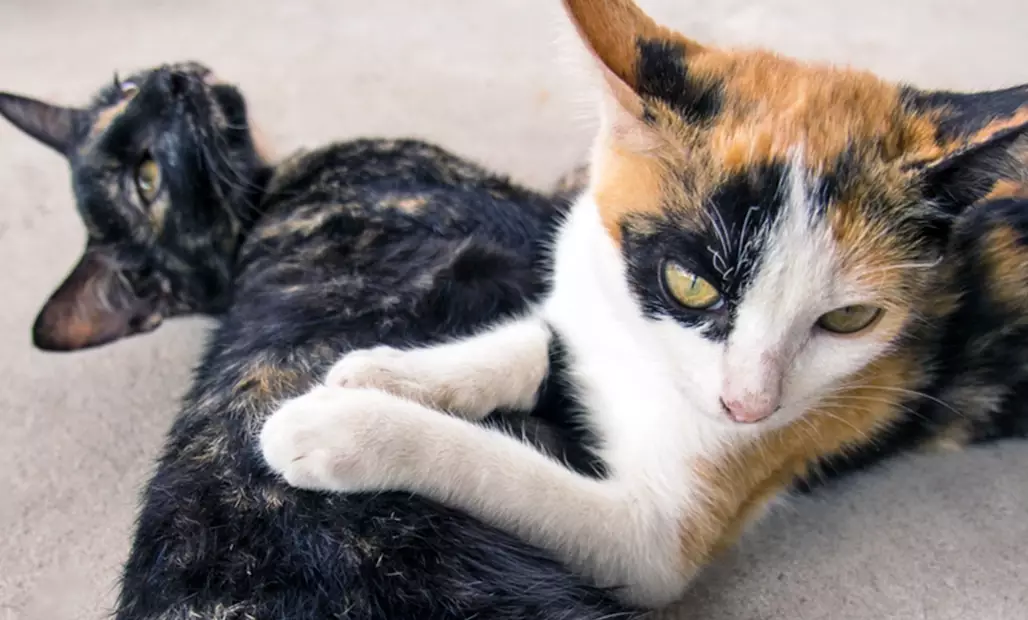
The Genetic Blueprint: It's All in the X Chromosomes
Before we talk about orange patches and white socks, we have to talk science. And don't worry, I'll keep it painless. The core of the entire tortoiseshell vs calico cat difference lies in genetics, specifically in something called X-chromosome inactivation. This is the key that unlocks everything.
Here’s the crash course. Coat color in cats is linked to the X chromosome. One X carries the gene for orange fur (phaeomelanin), and another X carries the gene for black (or its variants like chocolate, cinnamon; eumelanin).
The Making of a Tortoiseshell
A female cat (with two X chromosomes) can inherit one orange and one non-orange X. In her early development, in each cell, one X chromosome gets randomly "switched off." If the cell with the "orange" X active becomes a skin cell, that patch of fur grows orange. If the cell with the "black" X active becomes a skin cell, that fur grows black. The result? That beautiful, mottled, brindled mix of orange and black (or their dilute forms like cream and blue) with little to no distinct, large patches. That's the classic tortoiseshell pattern. It's a blended, marbled effect.
Male cats, typically XY, usually only have one X chromosome. So they can be orange OR black, but not both (barring rare genetic exceptions like Klinefelter syndrome XXY, which can produce male torties). This is why over 99.9% of tortoiseshell and calico cats are female. It's a pretty neat fact.
Where the Calico Comes In
Now, take that same tortoiseshell cat. Add in the influence of the "white spotting" gene. This is a separate gene (not on the X chromosome) that dictates how much white fur a cat has, from a little locket on the chest to a mostly white body. The classic calico cat is essentially a tortoiseshell cat *with* significant white spotting.
The white spotting gene acts like an eraser, preventing color from developing in certain areas. So, on the colored parts of the cat, you see the distinct, separate patches of orange and black that were there in the tortoiseshell "base," but now they are often larger and more clearly defined because they are isolated on islands of color on a white background. Think of it as tortoiseshell patches floating on a sea of white.
That's the genetic heart of it. Tortoiseshell = orange + black fur mixed/brindled. Calico = orange + black fur in distinct patches + white. Simple in theory, but nature loves variety.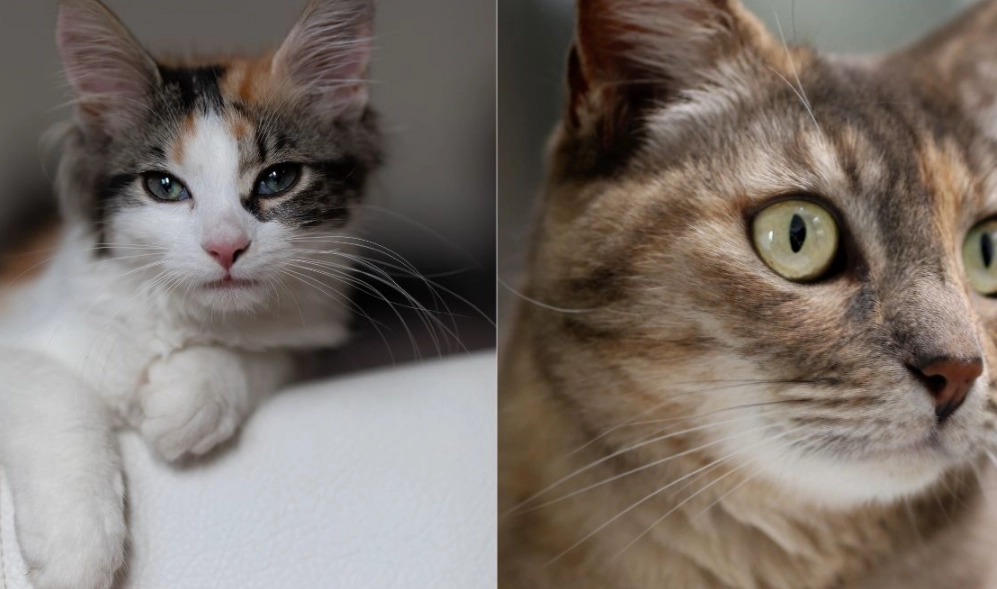
Beyond the Patchwork: Decoding the Visual Clues
So, you're looking at a cat. How do you decide? Let's break down the visual checklist. Sometimes it's obvious, sometimes it's a head-scratcher.
The Color Mode: Blended vs. Blocky
This is the first and most reliable clue.
- Tortoiseshell (Tortie): The orange and black (or cream and grey) are intimately mixed. It looks brindled, swirled, or marbled. You can't easily draw a line around a big patch of solid orange; it's flecked with black, and vice-versa. Some describe it as a "salt and pepper" effect but with orange and black. My foster fail, Pepper, is a perfect example—from a distance she looks dark, but up close she's a stunning mix of rusty orange and jet black hairs woven together.
- Calico: The orange and black appear as more distinct, separate, solid patches. You'll see a clearly defined patch of orange on the head, a block of black on the back, etc. The edges between colors are sharper. The presence of white creates clear boundaries, making the colored patches look like islands.
There's a grey area (pun intended): the "tortico" or "caliby." This is what had me confused for so long. Some cats show both patterns! They might have a brindled tortoiseshell section on their back but a large, solid orange patch on their side and plenty of white. Most cat fancier organizations would classify a cat with significant white as a calico, even if some patches are brindled. In everyday talk, "tortico" is a useful term for these in-between beauties.
The White Factor: The Ultimate Decider
This is the simplest rule of thumb, and it's pretty accurate.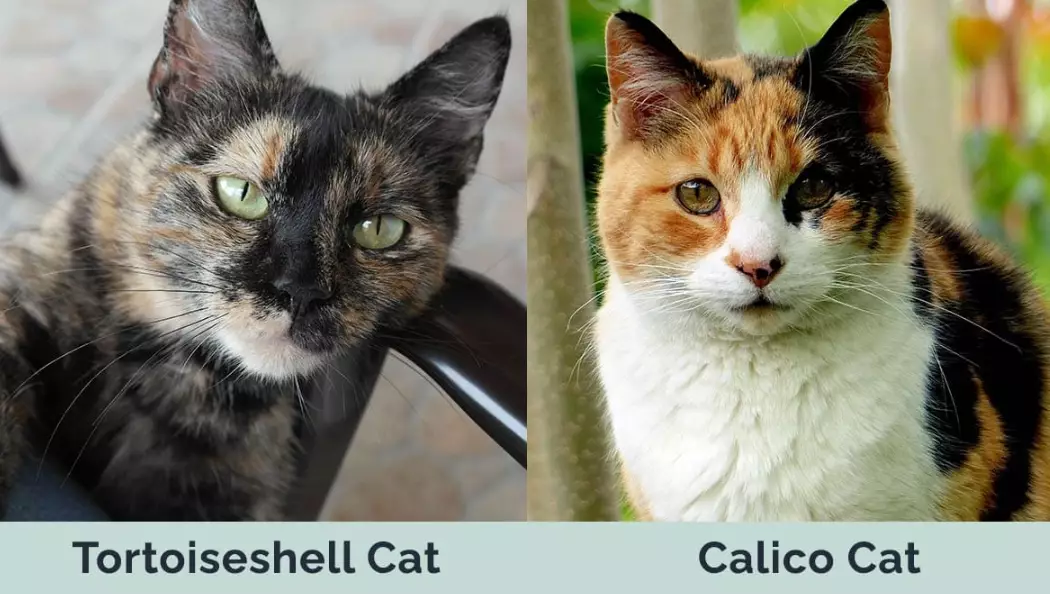
Quick Reference: If the cat has little to no white fur, it's almost certainly a tortoiseshell. If it has a lot of obvious white (typically on the belly, paws, chest, and face), it's almost certainly a calico. The amount of white is what usually pushes a cat from the tortie category into the calico category.
Let's put this side-by-side in a table, because sometimes seeing it laid out helps.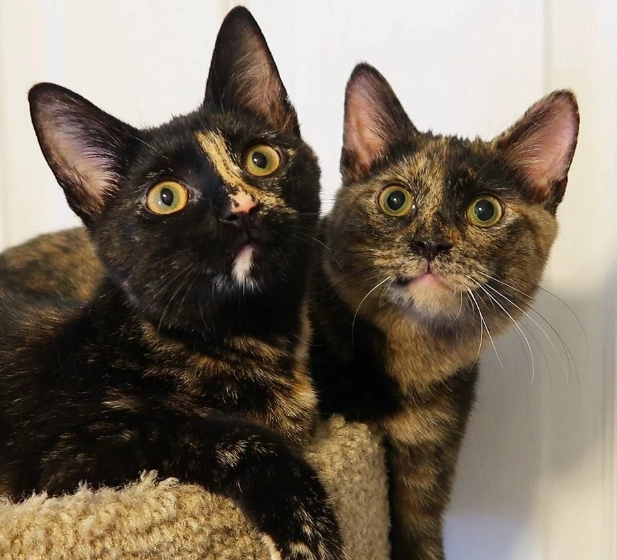
| Feature | Tortoiseshell Cat | Calico Cat |
|---|---|---|
| Primary Pattern | Brindled, marbled, swirled mix of orange/black. | Distinct, separate patches of solid orange and black. |
| White Fur | Little to none. May have a small locket or toes. | Significant amounts (25%-75% of the body). |
| Patch Definition | Low. Colors are blended at the edges. | High. Colors are in clear, blocky patches. |
| Genetic Basis | Two X chromosomes (orange & non-orange alleles) + minimal/no white spotting gene. | Two X chromosomes (orange & non-orange alleles) + active white spotting gene. |
| Common Nicknames | Tortie. | Sometimes called a "tricolor" or "trike." |
See? It starts to make sense. The white is the game-changer in the tortoiseshell cat vs calico showdown.
Personality, Health, and the "Tortitude" Myth
Now for the juicy stuff everyone argues about online: do they have different personalities? And what about their health?
Unpacking "Tortitude"
Let's address the elephant in the room. "Tortitude" is the popular belief that tortoiseshell (and often calico) cats are more strong-willed, sassy, independent, and feisty than other cats. Ask any vet or shelter worker, and many will nod knowingly. There are countless anecdotes about torties being "queens" of their household.
But here's my take, after living with a few: Is it a universal truth? No. Is there something to it? Maybe.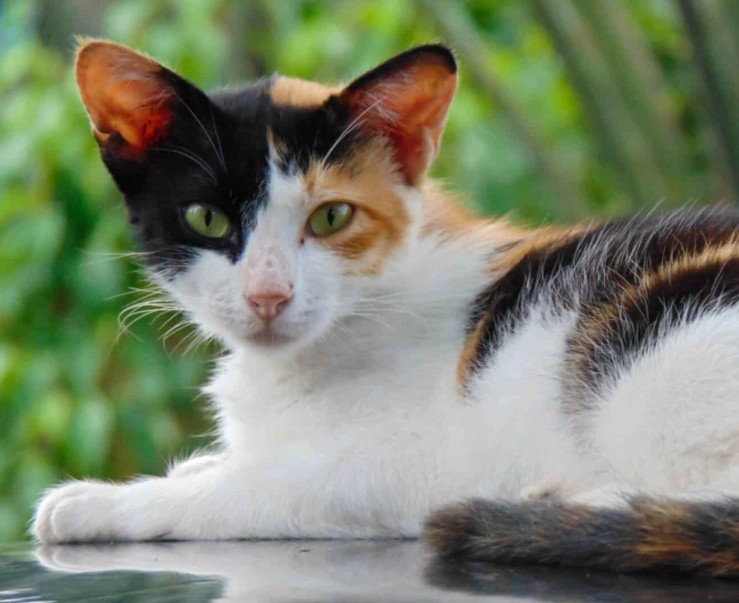
There is no scientific study that conclusively links coat color to specific personality traits in a direct, causative way. However, the gene for orange coat color is on the X chromosome, which is also linked to other traits. Some researchers speculate there might be pleiotropy (where one gene influences multiple traits). Mostly, it's likely a combination of confirmation bias (we notice the sassy torties more) and the fact that these cats are almost exclusively female. Female cats can sometimes be more selectively social and less constantly "in-your-face" than some males, which can be misinterpreted as aloofness or sass.
My calico, Mosaic, is the sweetest, most docile cat I've ever met—she defies the stereotype completely. But my friend's tortie? She runs the house like a tiny, furry dictator. The range is huge.
The Bottom Line on Personality: You cannot predict a cat's personality based solely on whether it's a tortoiseshell or calico. Individual history, socialization, and breed mix play far larger roles. However, be prepared for many, many people to warn you about "tortitude" if you bring one home!
Health Considerations: What to Watch For
Their unique genetics don't make them inherently unhealthy, but there are a few things to be aware of.
First, because the vast majority are female, they are subject to health concerns specific to females, such as mammary cancer and pyometra (uterine infection). Spaying your cat dramatically reduces these risks. The American Veterinary Medical Association (AVMA) strongly recommends spaying for long-term health, and you can read more about the benefits on their resource page.
Second, the rare male tortoiseshell or calico. These males are almost always sterile due to their XXY chromosome configuration (Klinefelter syndrome). They may also face a slightly higher risk of certain health issues associated with the syndrome. If you are lucky enough to meet one, regular vet check-ups are key.
Otherwise, their health profile is similar to other domestic cats. A balanced diet, regular exercise, preventive vet care (vaccinations, parasite control), and dental hygiene are the pillars of a long life. The Cornell Feline Health Center is an excellent, authoritative source for general cat health information that applies to all cats, regardless of coat color.
I learned the hard way about dental care. My old tortie, Ember, developed severe dental disease because I didn't prioritize check-ups. It was expensive and stressful to treat. Don't make my mistake—get those teeth checked.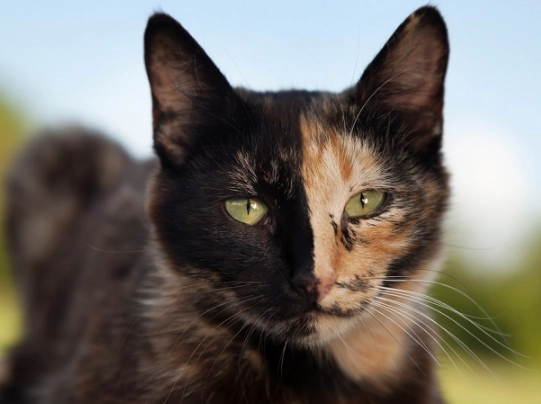
Your Tortoiseshell vs Calico Questions, Answered
The Final Mosaic: Choosing Your Companion
At the end of the day, the tortoiseshell cat vs calico discussion is a fascinating dive into genetics and feline beauty. But it shouldn't be the main reason you choose a cat.
Whether you're drawn to the molten-lava look of a tortie or the bold, patchwork quilt of a calico, you're welcoming a cat with a truly unique coat—a living piece of art. Their genetics make them special, but their hearts are what make them family.
Remember, the white is the clearest sign. No white? Probably a tortie. Lots of white? Probably a calico. But if you're still not sure, just call her beautiful. She won't mind a bit.
I hope this clears up the confusion. It did for me, after all those years. Now you can look at those gorgeous, patchy cats and know exactly what you're seeing—a wonderful, complex, and utterly individual feline friend.