Your Roadmap to Himalayan Cat Costs
Okay, let's be honest. You saw a picture of a fluffy, flat-faced Himalayan cat, and your heart melted. Those big blue eyes, that luxurious coat... it's instant love. But before you get lost in dreams of cuddles, there's a practical question you need to ask: what's the real Himalayan cat cost?
I've been through this myself. A few years back, I was set on getting one. I thought, "How expensive can a cat be?" Boy, was I in for a surprise. The initial price tag from the breeder was just the tip of a very large, very fluffy iceberg. We're talking food, grooming, vet visits—the whole shebang. It adds up faster than you think.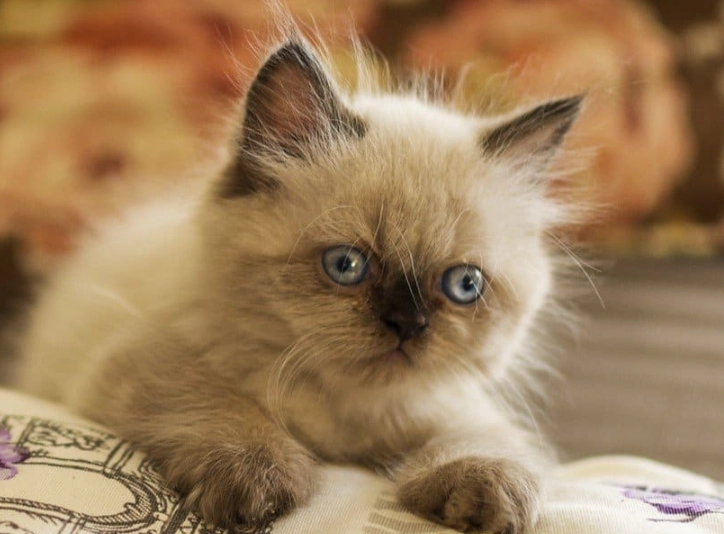
This guide isn't about scaring you off. It's about giving you the full, unvarnished picture. Because knowing the true Himalayan cat cost, from that first adorable kitten all the way through to their senior years, is the most responsible thing you can do as a future pet parent. We'll break down every dollar, from the obvious to the "oh, I didn't think of that" expenses. Let's get into it.
The Sticker Shock: Initial Purchase & Setup Costs
This is the number most people search for first. "Himalayan cat price." And it's a wide range, heavily dependent on one major factor: where you get your cat from.
Buying from a Reputable Breeder: The Premium Route
If you want a kitten with specific breed standards, documented pedigree (like from The International Cat Association (TICA) or CFA), and health screenings, a responsible breeder is the way to go. But you pay for that assurance.
Expect a Himalayan cat cost from a good breeder to fall between $1,000 and $2,500. Sometimes more for show-quality lines or rare colors. Why so much? A decent breeder isn't running a kitten mill. They invest heavily in:
- Health Testing: Screening parent cats for common issues like Polycystic Kidney Disease (PKD) and progressive retinal atrophy. This costs them hundreds per cat.
- Premium Care: Top-quality food for the queen and kittens, vaccinations, deworming, microchipping, and early vet checkups.
- Socialization: Hours of human interaction to ensure kittens are well-adjusted.
- Contract & Support: A good contract will include a health guarantee and require you to spay/neuter unless you're buying for breeding rights (which costs even more). They should also be a resource for life.
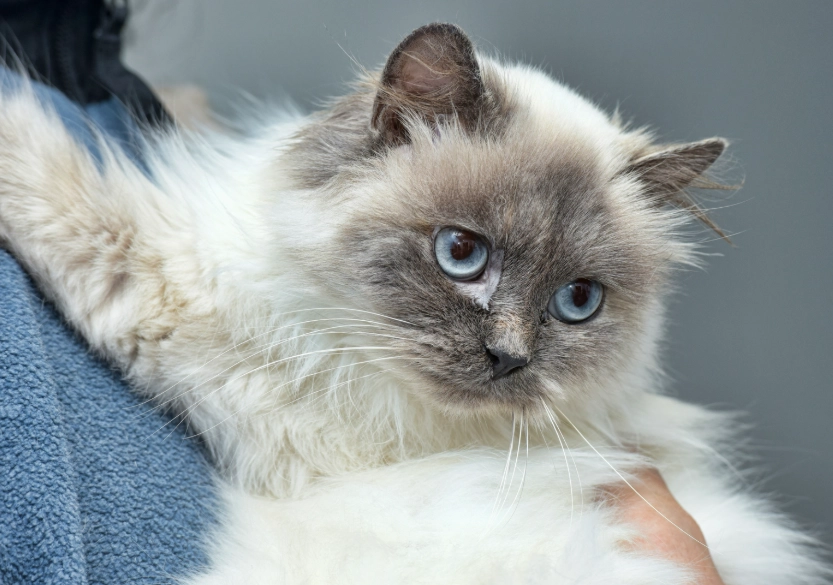
Red Flag Alert: If you see a "Himalayan cat for sale" ad online for $300 or $500, run. That's almost certainly a backyard breeder or a scam. The low price means they've cut every corner on health, socialization, and ethics. The eventual vet bills for a sickly kitten from such a place will dwarf the "savings." I learned this the hard way when a friend bought a cheap "Persian" that turned out to have a host of respiratory issues.
Adoption & Rescue: The Heartwarming (and Budget-Friendly) Option
This is where you can significantly reduce your upfront Himalayan cat cost. Purebred cats, including Himalayans, do end up in shelters and rescue groups. They might be adults, seniors, or just cats whose previous owners couldn't keep them.
Adoption fees typically range from $75 to $300. This usually covers spay/neuter, initial vaccinations, a microchip, and sometimes a vet check. Organizations like Petfinder are great for searching. You're not just saving money; you're giving a cat a second chance. The personality is already known, which is a huge plus.
The Non-Negotiable Startup Kit
Whether you buy or adopt, you need to gear up. Here's a realistic list of initial supplies. Don't cheap out on the essentials—it pays off in the long run.
| Item | Estimated Cost Range | Why It Matters |
|---|---|---|
| High-Quality Carrier | $40 - $80 | Safety first. A sturdy, secure carrier for vet trips. |
| Litter Box & Scoop | $25 - $60 | Consider a large, high-sided box for less mess. |
| Premium Clumping Litter | $20 - $25 (first bag) | Essential for hygiene and odor control. |
| Food & Water Bowls (Stainless Steel/Ceramic) | $15 - $40 | Prevents cat acne, easier to clean than plastic. |
| High-Quality Kitten/Adult Food | $30 - $60 (first bag/cans) | Nutrition is the foundation of health. Don't skimp. |
| Scratching Posts (Multiple!) | $30 - $100+ | Save your furniture. Get a tall, stable one and a horizontal pad. |
| Bedding & Basic Toys | $30 - $70 | For comfort and mental stimulation. |
| Brush & Comb (Slicker & Wide-toothed) | $20 - $40 | Critical for Himalayans. Mats are painful and expensive to remove. |
| Nail Clippers & Styptic Powder | $10 - $20 | For routine nail care. |
| Initial Setup Total (Approx.) | $220 - $515 | This is before the cat even walks in the door. |
See? The purchase price is just part one. The real, ongoing Himalayan cat cost is in the care.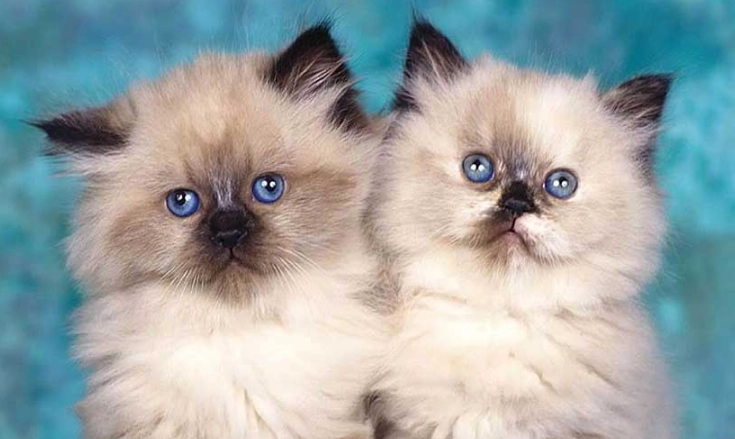
The Yearly Reality: Ongoing & Recurring Expenses
This is where your budget lives. These costs repeat every month, every year, for your cat's entire life (12-15+ years). Let's break down the annual Himalayan cat cost.
The Annual Budget Breakdown
Here's a realistic look at what you'll spend each year to keep a Himalayan healthy and happy. These are estimates for a single, healthy adult cat.
Food: You Are What You Eat
Himalayans can be picky, and their flat faces sometimes mean they need shallow dishes. A high-quality diet is non-negotiable to maintain their coat and overall health. We're talking $300 to $700 per year. Dry food is cheaper, but many vets recommend wet food for higher moisture content (good for urinary tract health). A mix is common. Grain-free, high-protein options cost more but can mean fewer allergies and a healthier cat.
Litter: The Never-Ending Purchase
With that glorious fur comes tracking. You'll go through more litter than you think. Budget $200 to $400 annually. Clumping, low-dust litter is best for hygiene and for their sensitive respiratory systems. Scoop daily, change fully regularly.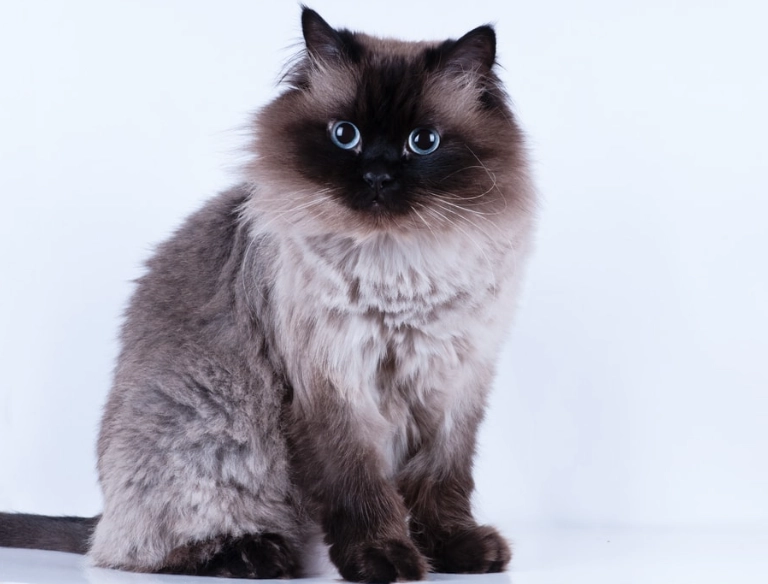
Grooming: Not a Luxury, a Necessity
This is the biggest differentiator in the Himalayan cat cost compared to short-haired breeds. That gorgeous coat will mat if not brushed daily. Seriously, every single day. A 10-minute brush session prevents hours of agony (for both of you) and a huge vet bill for sedation and shaving.
- DIY Grooming: If you commit to daily brushing, your main cost is just your time and the occasional replacement brush. Maybe $20 a year.
- Professional Grooming: Many owners take their Himalayan to a groomer every 4-8 weeks for a bath, brush-out, nail trim, and sanitary trim. This can run $60 to $120 per session. That's $360 to $1,440+ per year. It's a significant line item.
A friend of mine thought she could handle the grooming herself. She lasted three months before the mats got out of control. The $200 shave-and-bath at the groomer was a tough lesson.
Routine Veterinary Care
Even a perfectly healthy cat needs preventive care. The American Animal Hospital Association (AAHA) recommends annual wellness exams. This isn't optional.
- Annual Check-up: $50 - $100.
- Core Vaccinations (Boosters): $60 - $120.
- Flea/Tick/Heartworm Prevention: $150 - $300 per year. Yes, even indoor cats need this. Fleas can come in on your clothes.
- Dental Care: Often overlooked. Dental treats, water additives, and eventually a professional cleaning (which can cost $300-$800) are part of long-term health.
So, baseline annual vet costs: $260 to $520, not including any surprises.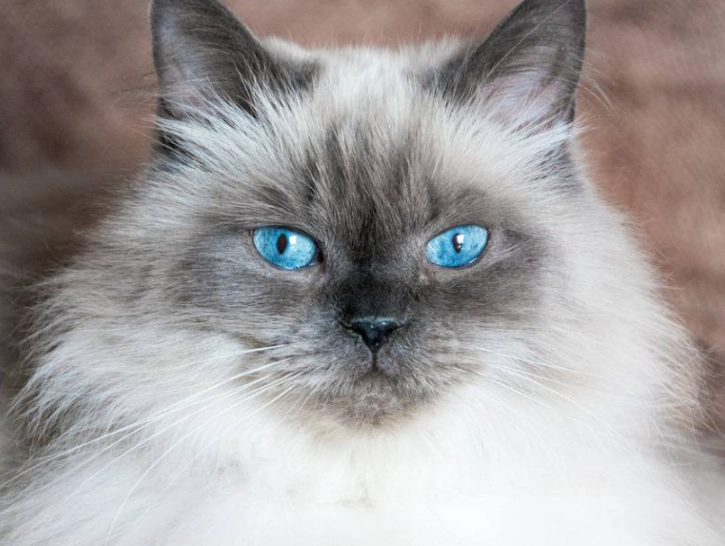
Pet Insurance vs. Savings Fund
This is a personal choice, but with a purebred prone to certain issues (brachycephalic syndrome, dental problems, PKD), it's worth serious consideration.
- Pet Insurance: Premiums for a Himalayan might be $30 to $60 per month ($360-$720/year). It covers a percentage of unexpected accidents and illnesses after a deductible. It provides peace of mind but doesn't cover routine care.
- Savings Fund: Alternatively, automatically transfer $50-$100 a month into a dedicated savings account. This builds a cushion for emergencies. The problem? A major surgery on day one could cost $5,000 before you've saved a dime.
I opted for insurance after a $2,000 emergency visit for a blocked urethra with a previous cat. The math worked for me.
The "Oh No" Moments: Unexpected & Occasional Costs
These are the budget-busters. The things you hope never happen but must plan for.
Medical Emergencies
Urinary blockages, ingestion of a foreign object, a sudden infection, an injury. Emergency vet visits start at $200 just to walk in. Diagnostics (x-rays, bloodwork) add hundreds. Surgery? Thousands. A major emergency can easily hit $2,000 to $5,000+. This is the single biggest financial risk of pet ownership.
Chronic Health Issues
Himalayans, with their flat faces, can suffer from brachycephalic airway syndrome, leading to noisy breathing and heat intolerance. They are also prone to dental disease and eye conditions (like tearing). Managing a chronic condition means specialist visits, medication, and special diets, adding hundreds per year.
Boarding or Pet Sitting
Going on vacation? A professional pet sitter might charge $20-$30 per visit. Boarding at a facility can be $30-$50 per night. For a two-week trip, that's another $400-$700.
Quick Mental Math: The 15-Year Picture
Let's do a conservative, low-end estimate for a healthy Himalayan over 15 years, excluding major emergencies.
Initial Cost: $1,500 (breeder) + $400 (setup) = $1,900.
Annual Costs: $500 (food/litter) + $400 (vet) + $400 (grooming) = $1,300/year.
Over 15 years: $1,300 x 15 = $19,500.
Total Low-End Estimate: $21,400.
Now imagine adding a few emergencies, premium food, and professional grooming. It's not hard to see the total Himalayan cat cost approach $30,000 or more over their lifetime. It's a long-term commitment in every sense.
How to Budget Smartly and Save (Without Compromising Care)
Knowing the Himalayan cat cost is daunting, but there are smart ways to manage it.
- Learn Basic Grooming: The #1 money-saver. Commit to daily brushing. Watch YouTube tutorials. A well-maintained coat avoids $100+ groomer visits.
- Preventive Care is Cheaper Than Treatment: That annual $100 vet check can catch a problem early, saving you thousands later. Keep up with dental care to avoid expensive cleanings and extractions.
- Buy in Bulk & Shop Smart: Subscribe and save on litter and food from reputable online retailers. Compare prices on flea prevention.
- DIY Enrichment: Make your own toys (cardboard boxes, crumpled paper balls). A cat tree is a worthy investment, but you don't need the most expensive one.
- Seriously Consider Adoption: The adoption fee is a fraction of a breeder's cost, and the cat often comes vetted. You can find purebred rescues specializing in Persians and Himalayans.
Your Himalayan Cat Cost Questions, Answered
Why are Himalayan kittens so expensive compared to other cats?
Responsible breeding is incredibly resource-intensive. It's not just about mating two cats. It's about genetic health testing, providing exceptional prenatal and kitten care, early socialization, vet visits, and the breeder's expertise. You're paying for a health guarantee and a well-started kitten, not just a commodity.
Is it cheaper to adopt a Himalayan cat?
Absolutely, in terms of upfront cost. The adoption fee is massively lower. However, an adult or senior rescue cat may have unknown health issues that could incur future costs. The overall lifetime cost of care (food, grooming, vet) will be similar regardless of source, but you save that initial $1,000-$2,500.
What's the single most underestimated part of the Himalayan cat cost?
Grooming, without a doubt. People see the beautiful coat but don't comprehend the daily time commitment or the high price of professional grooming. Neglect leads to mats, which lead to skin infections, pain, and a very expensive, stressful shave-down at the vet.
How can I find a reputable breeder and avoid scams?
Visit the breeder in person. Ask to see the mother cat and living conditions. Demand proof of health testing (PKD, etc.) for both parents. A good breeder will interview you extensively. They should be registered with a body like TICA or CFA and provide a detailed contract. If they only communicate via email, only accept payment via wire transfer, or have multiple litters always available, it's a scam.
What's the average monthly cost for a Himalayan cat?
After the initial outlay, budget a minimum of $100 to $250 per month for a healthy cat. This covers food, litter, routine vet care spread monthly, and setting aside money for grooming and emergencies. If you use a professional groomer monthly and have insurance, you'll be at the higher end.
Is pet insurance worth it for a Himalayan?
For me, yes. Given their potential for breathing and eye issues, having insurance means I can say "yes" to the best treatment without a financial panic. It turns a large, unpredictable cost into a predictable monthly premium. Shop around, read the fine print (exclusions for hereditary conditions), and get it while your cat is young and healthy.
Look, bringing a Himalayan into your home is a joy. They're affectionate, gentle, and stunning companions. But their beauty comes with a responsibility—and a price tag. The true Himalayan cat cost is a lifelong investment of both money and time.
Do your homework. Budget honestly. Plan for the worst while hoping for the best. If you can look at that annual estimate and feel confident, not anxious, then you're ready. You'll be providing a wonderful life for a deserving cat, and that's truly priceless.
Just remember to buy a good vacuum cleaner. You're going to need it.