Quick Navigation
- What's a Persian Angora Cat Really Like? Personality Decoded
- The Real Deal on Grooming: It's Not Optional
- Health and Lifespan: What to Watch For
- Finding a Persian Angora Kitten: A Minefield to Navigate
- Cost of Ownership: Breaking Down the Investment
- Living with a Persian Angora: Your Home Setup
- Common Questions (FAQ) - The Stuff You Actually Google
- Final Thoughts: Is This the Right Cat for You?
So you're thinking about getting a Persian Angora cat. Let's be honest, you probably saw a picture online of this fluffy cloud with stunning eyes and fell head over heels. I get it, I was there too. But before you rush out to find a kitten, there's a lot to unpack about this specific, often misunderstood breed. It's not just a "long-haired cat." Owning a Persian Angora is a commitment to daily grooming, understanding a unique personality, and navigating some confusing breed history. This guide is the result of talking to breeders, owners, and my own experience – the good, the bad, and the hairy.
First things first, let's clear up the biggest point of confusion.
Quick Clarification: The term "Persian Angora" can be tricky. Historically, it referred to the original long-haired cats from the Ankara region of Turkey (Angora). Modern cat associations like The Cat Fanciers' Association (CFA) and The International Cat Association (TICA) recognize the Turkish Angora as a distinct, natural breed with a silky, single coat. The "Persian" we know today is a separate breed with a much thicker, double coat and flatter face. However, many people and some breeders use "Persian Angora" to describe a traditional, doll-faced Persian or a long-haired cat with Angora-like features. For this guide, we're focusing on the cat most people are searching for: a long-haired, elegant cat with a profile that isn't extremely flat, often possessing the graceful build and silky fur reminiscent of the Angora lineage.
If you're looking for the ultra-flat-faced Persian, this isn't quite it. The Persian Angora cat tends to have a sweeter, more moderate face. It's an important distinction that affects their health and care.
What's a Persian Angora Cat Really Like? Personality Decoded
Forget the aloof, furniture-dwelling cat stereotype. The Persian Angora cat personality is a fascinating mix. They're often described as "dog-like" in their loyalty, which is partly true, but they have their own very feline quirks.
I remember visiting a breeder and being followed from room to room by a stunning white male. He wasn't demanding pets aggressively, just... present. Observing. That's a key trait. They want to be involved in your life. You'll be cooking, and they'll be perched on a nearby chair. You'll be working, and they'll find a sunbeam on your desk. They form deep bonds with their favorite person.
But here's a personal opinion some might disagree with: they can be surprisingly opinionated. Not aggressive, just clear about what they want. A closed door is an insult. A particular brand of food might be rejected with a look of utter disdain. They communicate with chirps, trills, and those intense, intelligent eyes more than constant meowing.
They're playful well into adulthood, but it's a graceful play. Don't expect a wild midnight zoomies session that knocks over lamps (usually). Their play is more about chasing a feather wand with balletic leaps or batting a ball thoughtfully. They are intelligent and can learn tricks, but on their own terms. Trying to force a Persian Angora to do anything is a recipe for a standoff.
With children and other pets, they are typically tolerant but not endlessly patient. A calm, respectful child will find a gentle friend. A noisy, chaotic household might make them retreat to a high, safe perch. They often do well with another calm cat, especially if introduced properly.
Key Personality Traits at a Glance
- Affectionate but selective: Deeply bonded to their family, sometimes choosing a single person.
- Intelligent and observant: They watch everything and seem to understand more than you'd think.
- Playful yet graceful: Retains kitten-like curiosity without being destructive.
- Voice of reason: Not overly vocal, but uses soft sounds and body language effectively.
- Can be reserved with strangers: Takes time to warm up to new people.
Is a Persian Angora cat the right personality for you? If you want a constant, quiet companion who is more partner than pet, yes. If you want a cat that greets every party guest with enthusiasm, maybe not.
The Real Deal on Grooming: It's Not Optional
This is the section that makes or breaks the decision. That gorgeous coat is a magnet for mats. We're talking serious, skin-pulling, painful mats that can form in a matter of days if neglected. I learned this the hard way when I catsat for a friend and missed two days of brushing. The resulting tangle behind the ear was a nightmare to resolve humanely.
Grooming a Persian Angora isn't a weekly chore; it's a daily ritual. Think of it as meditative bonding time. The goal is to prevent mats from ever starting.
Pro Tip from an Owner: Get them used to it as kittens. Make grooming sessions short, positive, and full of treats. An adult cat who hasn't been groomed regularly will see the brush as a weapon.
The Essential Grooming Toolkit
Don't just buy any brush. The wrong tool can do nothing or even damage the coat.
- A High-Quality Steel Comb: This is your #1 tool. Start with wide teeth to work through sections, then fine teeth to catch loose undercoat. The American Veterinary Medical Association emphasizes the importance of proper tools for coat health.
- A Slicker Brush: Good for fluffing up the top coat and removing loose hair. Use gently to avoid scratching the skin.
- A Pin Brush with Rounded Tips: Perfect for a final, smooth pass and for beards/chest fluff.
- Detangling Spray: A lifesaver for minor knots. Look for conditioning sprays.
- Blunt-Tipped Scissors: Only for carefully snipping out small, impossible mats as a last resort. If you're not confident, go to a groomer.
The Step-by-Step Daily Grooming Routine
- Inspect: Run your fingers through the coat, feeling for any snags or clumps. Pay special attention to armpits, behind the ears, the belly, and the britches (back legs).
- Comb: Start with the wide-tooth comb. Section the fur and work from the tips toward the skin. Never drag a comb through a mat from the top down—it tightens it.
- Brush: Follow up with the slicker or pin brush to remove the loose hair the comb brought up.
- Face Check: Wipe the corner of the eyes gently with a soft, damp cloth to prevent tear staining, especially in white or light-colored cats.
What about baths? Some owners bathe their Persian Angora cat monthly to keep the coat pristine and reduce oil. Others rarely do. If you bathe, use a cat-specific shampoo, ensure thorough rinsing (soap residue is terrible), and have a warm, draft-free space for drying. A high-velocity pet dryer is a great investment to blow out loose undercoat. Air-drying can lead to… you guessed it, mats.
The Hard Truth: If the daily grooming commitment sounds exhausting, this is not the breed for you. Neglect leads to severe matting, which is painful, can hide skin infections, and ultimately requires a full shave (a "lion cut") by a professional, which is stressful for the cat. It's unfair to the animal.
Health and Lifespan: What to Watch For
Generally, the Persian Angora cat (with its less extreme face) is healthier than the ultra-typed flat-faced Persian. But they are still a purebred with predispositions. A good breeder will be transparent about testing.
The number one issue tied to their beauty is Hypertrophic Cardiomyopathy (HCM), a common heart disease in cats. Reputable breeders screen their breeding cats for this via annual echocardiograms. Ask to see proof. The Cornell Feline Health Center provides excellent resources on understanding HCM.
Another potential concern is Polycystic Kidney Disease (PKD). While more common in Persians, any breed with Persian ancestry should be screened. An ultrasound can rule it out.
Due to their long coats, they can be prone to hairballs. Regular grooming is the first defense. Special diets or hairball remedies (like malt paste) can help.
Their large, expressive eyes can sometimes have issues with excessive tearing or, in rare cases, be prone to conditions like progressive retinal atrophy. Regular vet check-ups are crucial.
With excellent care, a proper diet, and genetic luck, a Persian Angora cat can live a long life—anywhere from 12 to 18 years is possible. The key is prevention and a partnership with a good veterinarian.
Diet and Nutrition: Fueling the Fluff
You are what you eat, and a cat's coat is a direct reflection of diet. A cheap, grain-filled kibble won't cut it. Look for high-quality, protein-rich wet or dry food. Many owners find that a diet with named meat sources (chicken, salmon) as the first ingredients and healthy fats (like omega-3 and omega-6) promotes a soft, shiny, and healthy coat.
Obesity is a silent killer for any indoor cat. These cats are elegant but can become lazy if not encouraged to play. Measure their food, avoid endless free-feeding, and use puzzle feeders to engage their brains. A fat Persian Angora cat is at higher risk for diabetes, arthritis, and other issues, not to mention the grooming becomes harder.
Finding a Persian Angora Kitten: A Minefield to Navigate
This is where you need your detective hat on. The term "Persian Angora" is sometimes used by backyard breeders or kitten mills to sell mixed-breed long-haired cats at a high price. You must do your homework.
Avoid: Classified ads with multiple litters always available, prices that seem too good to be true, breeders who won't let you visit, who won't show you the mother cat, or who want to meet in a parking lot.
Seek: A breeder who asks you questions. Who is passionate about the breed's health and temperament. Who raises kittens underfoot in their home (not in a cage in a shed). Who provides:
- Proof of genetic testing for HCM and PKD in the parents.
- A clean, warm, social environment for the kittens.
- A health guarantee and a contract that requires you to return the cat to them if you can't keep it.
- Veterinary records for vaccinations and deworming.
- Lifetime support and advice.
Consider looking for breeders of Traditional Doll-Face Persians or Turkish Angoras if you have a specific look in mind. Attend a cat show! It's the best way to meet breeders, see adult cats, and ask questions in person. The CFA and TICA websites have breeder directories, but still vet them thoroughly.
Adoption? It's rare but not impossible.
Sometimes purebred cats end up in rescue. Check breed-specific rescues for Persians or Angoras. You might find an adult Persian Angora cat in need of a home. An adult is a fantastic option—their personality is already known, and they are often past the crazy kitten energy.
Cost of Ownership: Breaking Down the Investment
Let's talk money frankly. The initial purchase price for a Persian Angora kitten from a reputable breeder can range from $800 to $2500+, depending on lineage, color, and location.
| Expense Category | Estimated Cost (USD) | Notes |
|---|---|---|
| Kitten Purchase | $1,200 - $2,500 | One-time, from a good breeder. |
| Initial Vet Visits & Vaccinations | $200 - $400 | Spay/Neuter, microchip, initial shots. |
| High-Quality Food & Supplies | $500 - $800 | Litter box, carrier, scratching posts, premium food. |
| Grooming Tools & Starter Kit | $100 - $200 | High-quality combs, brushes, shampoo. |
| Pet Insurance OR Emergency Fund | $300 - $600 (insurance) / $500+ (fund) | Highly recommended. One emergency can cost thousands. |
| First-Year Total (Approx.) | $2,300 - $4,500+ | Not including unexpected illnesses. |
Then there are ongoing annual costs: food ($400-$700), litter ($200-$300), routine vet care ($150-$300), grooming supplies, and insurance premiums. Professional grooming every few months can add $80-$150 per session.
It's a significant financial commitment. Don't let the upfront kitten price fool you.
Living with a Persian Angora: Your Home Setup
These cats are indoor-only cats. Their beauty makes them targets, and they lack street smarts. Create a stimulating indoor environment.
- Vertical Space: Cat trees, wall shelves, window perches. They love to survey their kingdom from up high.
- Scratching Posts: Multiple, sturdy posts in different materials (sisal, carpet) to save your furniture.
- Quiet Retreats: A cozy cat bed in a quiet corner for when they need a break.
- Interactive Toys: Wand toys, puzzle feeders, and laser pointers (always end with a physical treat).
- Litter Box Strategy: Use a large, high-sided box to contain litter scatter. Many prefer unscented, fine-clumping litter. Clean it daily.
Common Questions (FAQ) - The Stuff You Actually Google
Are Persian Angora cats hypoallergenic?
No cat is truly hypoallergenic. Allergies are usually to a protein in cat saliva (Fel d 1), not just the hair. While a Persian Angora cat may produce less of this protein than some breeds, and their silky hair might hold less dander than a downy undercoat, they still groom themselves and spread allergens. Always spend time with one before committing if you have allergies.
How much do they shed?
They shed. A lot. Especially during seasonal changes. Daily grooming will capture most of the loose hair before it ends up on your black pants, but be prepared for a layer of fine white (or whatever color) fur on everything. An air purifier is a worthy investment.
Can I shave my Persian Angora cat in the summer?
This is controversial. Their coat actually insulates them from heat as well as cold. A lion cut can be a last resort for severe matting or if the cat is elderly and cannot groom itself. Shaving for human convenience removes their natural protection and can sometimes cause the coat to grow back poorly. Talk to your vet or a professional groomer first.
Are they good for first-time cat owners?
This is a tough one. Their temperament can be wonderful for a first-timer—gentle and affectionate. However, the intensive grooming demands are a major hurdle. A first-time owner might underestimate it. If you are a dedicated, patient person willing to learn proper grooming, it's possible. But a shorthair breed is often a more forgiving choice for a first cat.
What's the difference between a Persian Angora and a Maine Coon?
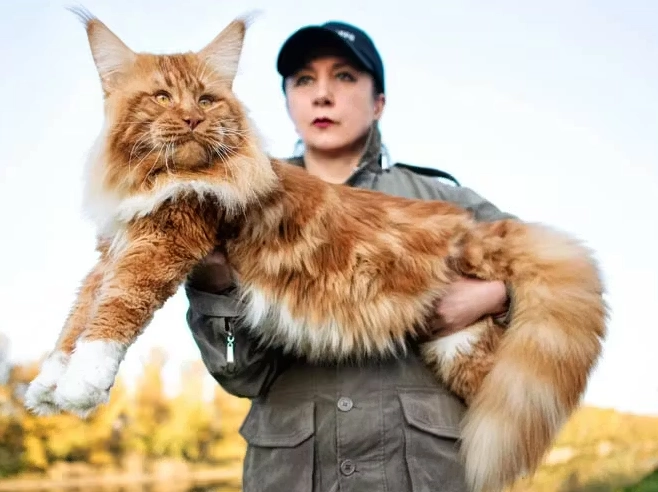
Worlds apart! The Maine Coon is a giant, rugged, natural breed with a shaggy, water-resistant coat and a rectangular body. The Persian Angora is medium-sized, fine-boned, elegant, with a silky, flowing coat. Their personalities differ too—Maine Coons are famously goofy and playful, while Persian Angoras are more refined and observant.
Final Thoughts: Is This the Right Cat for You?
Look, I adore these cats. Their serene presence, their intelligent gaze, the sheer beauty of a well-kept Persian Angora cat is breathtaking. It's a living work of art.
But I won't sugarcoat it. They are high-maintenance. The daily grooming is non-negotiable. The potential health issues require vigilance and a good breeder. The cost is real.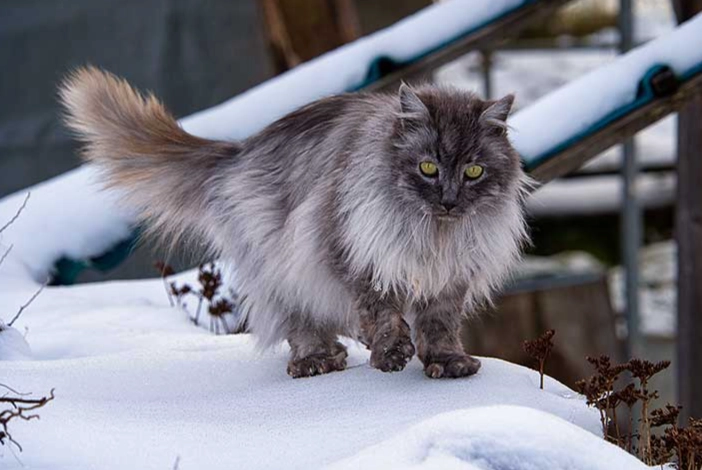
If you lead a busy, unpredictable life with frequent travel, this breed will suffer. If you want a low-effort pet, look elsewhere. If you're prepared for the commitment, however, you'll be rewarded with a companion of unparalleled grace and devotion. A cat that isn't just a pet, but a quiet, beautiful fixture in your daily life.
Do your research, meet the breed in person, and be brutally honest with yourself about the lifestyle you can provide. If it aligns, then welcome to the wonderful, fluffy world of the Persian Angora cat. Just buy a good vacuum cleaner first.