In This Article
Let's talk about the Abyssinian cat. You've probably seen pictures. That gorgeous, warm, ticked coat that seems to shimmer. Those big, alert ears. They look like little cougars or ancient Egyptian statues come to life. I remember the first time I met one at a friend's house. I expected a regal, aloof creature perched on a throne. What I got was a furry, four-legged whirlwind who immediately tried to climb my leg to get a better look at my earrings. That's the Abyssinian for you. Looks can be deceiving.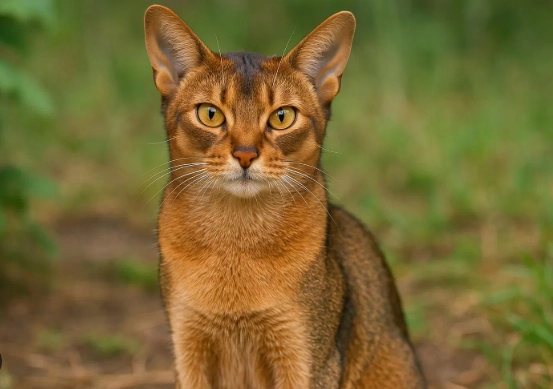
If you're searching for info on the Abyssinian cat, you're likely past the "oh, they're pretty" phase and into the "but what are they REALLY like?" stage. Good. Because owning an Aby (as fans call them) is a specific kind of adventure. It's not for everyone, and I think a lot of breed guides sugarcoat that. This one won't. We'll dig into everything: the incredible history, that unmistakable personality, the day-to-day reality of care, and the health stuff you absolutely need to know before you bring one home.
Where Did This Cat Even Come From? Unraveling the Abyssinian's Past
The name "Abyssinian" points to Ethiopia (formerly Abyssinia), and that's where the romantic story begins. Many believe these cats are direct descendants of the sacred cats worshipped in ancient Egypt. There's a striking resemblance to the cats depicted in Egyptian art, and a taxidermied cat from the late 19th century in the British Museum was labeled "Abyssinian." The breed was first formally exhibited in England in 1871.
But here's where genetics throws a curveball. Modern DNA studies, like those referenced by the Cornell Feline Health Center, suggest the breed's genetic roots may be closer to the coast of the Indian Ocean and parts of Southeast Asia, not Africa. The distinctive ticked coat gene is prevalent in that region. So, the true origin might be less about Pharaohs and more about trading ships. It's likely British soldiers or traders brought cats with that unique coat back from ports in Asia or Africa, and the "Abyssinian" name stuck for its exotic appeal.
Whatever their true geographic origin, the modern Abyssinian cat we know was developed and refined primarily in Britain. The breed faced near extinction after the two World Wars but was rebuilt by dedicated breeders. Today, they are consistently one of the most popular shorthair breeds, recognized by all major cat registries like The International Cat Association (TICA) and the Cat Fanciers' Association (CFA).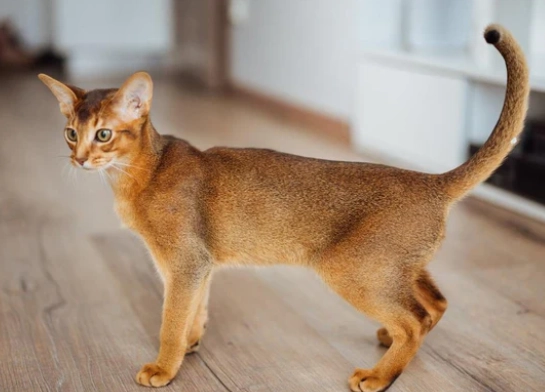
That Iconic Look: More Than Just Ruddy
Okay, let's describe the Abyssinian cat's appearance, because it's their calling card. The first thing you notice is the coat. It's not a solid color, nor is it tabby-striped. It's "ticked" or "agouti." This means each individual hair has alternating bands of light and dark color. It creates this incredible, warm, sandy shimmer without any obvious patterning. It's nature's perfect highlight job.
The classic and most common color is "ruddy" (sometimes called "usual"), a warm burnt orange-brown with black ticking. But there are other stunning official colors:
- Ruddy: The original. Deep orange-brown base with black ticking. Paw pads are black.
- Blue: A soft, warm slate blue base with darker slate blue ticking. A really elegant, muted look. Paw pads are mauve.
- Sorrel: Sometimes called "red." It's a bright coppery-red base with chocolate brown ticking. Much lighter and brighter than ruddy. Paw pads are pink.
- Fawn: A delicate, rosy light cream base with darker cream ticking. Looks like a café au latte. Paw pads are pink.
Beyond the coat, the Abyssinian cat has a lean, muscular, and medium-sized body. They feel surprisingly dense and solid when you pick them up. They're not fluffballs; they're athletes. Their head is a modified wedge with those trademark large, cupped ears that seem always on alert. Their eyes are almond-shaped, expressive, and come in shades of gold, green, or hazel, outlined with a fine dark line as if wearing eyeliner.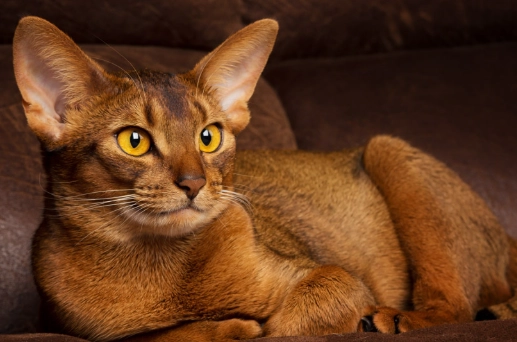
Is the Abyssinian Cat Hypoallergenic?
Let's tackle this head-on, because it's a huge search query. No cat breed is truly hypoallergenic. The primary allergen, Fel d 1, is produced in saliva and skin glands. While an Abyssinian's short, fine coat may trap less loose hair and dander than a longhair's, and they are known to be fastidious groomers (spreading saliva), they still produce the allergen. Some individuals with mild allergies might tolerate them better, but there are no guarantees. Don't get an Aby expecting a sneeze-free life—always spend time with one first if allergies are a concern.
The Abyssinian Personality: Think "Furry Monkey"
This is the most important section. Their looks get you in the door, but their personality decides if you stay. Forget the aloof cat stereotype. An Abyssinian cat is the extrovert of the feline world.
They are incredibly active and playful, well into adulthood. A kitten is a tornado; an adult Aby is a focused hurricane. They need interactive play sessions daily. Wand toys, puzzle feeders, fetch—they love it all. They get bored easily, and a bored Aby becomes a mischievous Aby. Think: opening cabinets, turning on faucets, swiping items off counters.
They're scarily smart.
You can teach them tricks (come, sit, high-five) more easily than most dogs I've known. They learn how doors work, how to manipulate simple latches. This intelligence demands engagement. They want to be involved in everything you're doing—cooking, working on the computer, reading a book. They will supervise.
Are they affectionate? Yes, but on their own terms. They are not typically lap cats who will snooze for hours. They are more likely to sit next to you, or follow you from room to room. Their affection is shown through companionship and interaction. They form very strong bonds with their people and can suffer from separation anxiety if left alone for very long periods. A pair of Abyssinians often does wonderfully as they can entertain each other.
The Downside Nobody Talks About Enough
That high energy and intelligence can be a double-edged sword. If you want a calm, decorative pet that minds its own business, an Abyssinian will drive you insane. They can be demanding for attention, vocal (not loud yowling, but persistent chirps and trills), and destructive if their environment isn't stimulating. They're not great for a super serene, minimalist home where you want everything perfectly in place. Your home becomes their playground.
Caring for Your Abyssinian Cat: A Practical Guide
Caring for an Aby isn't overly complicated, but it needs to be tailored to their nature. It's less about high-maintenance grooming and more about high-maintenance entertainment.
Grooming & Shedding
Their short coat is easy. A weekly brushing with a fine-toothed comb or rubber grooming mitt is plenty to remove loose hairs and distribute skin oils. It's more of a bonding activity than a necessity. They shed, but the hairs are short and fine, so they're less noticeable than from a longhair. They generally keep themselves very clean.
Diet & Nutrition
These are active cats with a high metabolism. They need a high-quality, protein-rich diet. Whether you choose wet, dry, or a combination, ensure it's formulated for the life stage of your cat (kitten, adult, senior). Obesity is less common in this active breed, but it's still possible with free-feeding. Consult your vet or resources like the World Small Animal Veterinary Association (WSAVA) Global Nutrition Guidelines for reliable advice. Always provide fresh water; some Abyssinians enjoy drinking from cat fountains.
Exercise & Environmental Enrichment (This is CRITICAL)
This is the core of Abyssinian cat care. You must actively play with them. Aim for at least two 15-20 minute interactive play sessions per day. But beyond that, their environment needs to be engaging.
- Vertical Space: Cat trees, tall scratching posts, and wall shelves are non-negotiable. They love to climb and survey their kingdom from the highest point.
- Puzzle Toys: Food-dispensing puzzles make mealtime a brain game.
- Window Access: A secure perch by a window with a bird feeder outside is kitty TV.
- Rotation of Toys: Don't leave all toys out. Rotate a few to keep them novel.

| Life Stage | Key Activity Needs | Mental Stimulation Tips |
|---|---|---|
| Kitten (0-1 year) | Near-constant play. Short, frequent bursts. | Introduce a variety of safe toys (crinkle, chase, kicker). Start clicker training basics. |
| Adult (1-7 years) | Sustained, vigorous play sessions. High energy peaks. | Advanced puzzle feeders, agility-style games, learning new tricks. |
| Senior (7+ years) | Energy may decline. Gentler, shorter play. | Softer puzzles, comfortable perches in sunbeams, gentle grooming sessions. |
Health & Lifespan: What to Watch For
The average lifespan of an Abyssinian cat is generally 12-15 years, though many live longer with good care. They are generally healthy, but like all purebreds, they have some predispositions to certain genetic conditions. Responsible breeders screen for these.
- Renal Amyloidosis: This is the most significant health concern in the breed. It's a hereditary disease where an abnormal protein (amyloid) is deposited in the kidneys, leading to kidney failure. It typically strikes in middle age. Reputable breeders will screen their breeding stock and discuss this risk. There is no genetic test yet, so it's about knowing family history.
- Gingivitis/Periodontal Disease: Abys seem prone to dental issues. Establishing a dental care routine early (brushing, dental treats, veterinary cleanings) is vital.
- Patellar Luxation: A kneecap that can slip out of place. Usually mild but worth mentioning.
- Progressive Retinal Atrophy (PRA): An inherited eye disease that can lead to blindness. A genetic test exists, and good breeders test for it.
- Hyperesthesia Syndrome: A neurological condition that can cause episodes of rippling skin, excessive grooming, and frantic behavior. It's not exclusive to Abys but is seen.
The key is to get your Abyssinian cat from a breeder who provides health clearances for the parents (for PRA, PK-defiency, etc.) and is transparent about the lines' history with amyloidosis. Regular vet check-ups, including blood work as they age, are crucial for early detection of any issue. Organizations like the American Association of Feline Practitioners (AAFP) provide great resources on preventive healthcare.
Is an Abyssinian Cat the Right Cat for You?
Let's be brutally honest. This breed is not a universal fit.
An Abyssinian cat could be perfect for you if: You want an interactive, engaging companion. You're home a fair amount or can provide a feline friend. You enjoy active play and don't mind a "helper." You have a dynamic, cat-friendly home with climbing spaces. You appreciate intelligence and personality over serene cuddliness.
Think twice about an Abyssinian cat if: You are gone 10+ hours a day regularly. You prefer a quiet, low-energy pet. You get frustrated by mischief or curiosity. You have a very formal, breakable-filled home. You are seeking a primarily lap-sitting cat.
Your Abyssinian Cat Questions, Answered
So, there you have it. The Abyssinian cat in all its glorious, demanding, intelligent, and breathtaking beauty. They're not a pet you just own; they're a companion you experience life with. They'll make you laugh, sometimes frustrate you, and constantly surprise you. If your lifestyle aligns with their needs, welcoming an Aby can be one of the most rewarding relationships you'll ever have with an animal. Just be ready for the ride—and maybe hide your good earrings.