In This Guide
- What Exactly Is a Maine Coon Cat? More Than Just Big
- The Maine Coon Personality: Why Everyone Calls Them "Dog-Like"
- Maine Coon Appearance: Breaking Down the "Giant"
- Caring for Your Maine Coon: The Daily, Weekly, and Yearly Tasks
- Maine Coon Health: What to Watch For
- The Real Cost of a Maine Coon Cat
- Finding Your Maine Coon: Breeder vs. Rescue
- Your Maine Coon Questions, Answered
- Final Thoughts: Is a Maine Coon Cat Right for You?
Let's be honest. You've probably seen a picture or a video online. A massive, fluffy cat with ear tufts like a lynx, a bushy tail, and a wise expression. Maybe it was playing fetch, or chirping at birds, or just looking regal on a couch that suddenly seemed too small. That's the Maine Coon cat, and it's easy to fall in love with the idea of one. I get it. I've been there.
But before you start browsing breeders or dreaming of names, you need to know what you're really signing up for. Owning a Maine Coon isn't like owning any other cat. It's a commitment to a specific, wonderful, and sometimes demanding kind of pet. This guide isn't just a fluffy list of fun facts. It's the deep dive I wish I had before I got my first Maine Coon, Leo. We'll talk about the glorious good, the challenging not-so-good, the costs they don't always mention, and the daily reality of life with a feline that's more like a small, furry roommate with opinions.
What Exactly Is a Maine Coon Cat? More Than Just Big
Let's clear up the myths first. No, they are not the result of a cat and a raccoon mating (biologically impossible, despite the "coon" name and bushy tail). The most likely theory, supported by genetic testing, is that they are descendants of long-haired cats brought over by sailors (possibly Vikings or New England seafarers) that then adapted to the harsh winters of the Northeastern United States. The Cat Fanciers' Association (CFA) recognizes them as one of the oldest natural breeds in North America.
Their history is one of practical survival. That thick, water-resistant coat? For Maine winters. Those large, tufted paws? Natural snowshoes. That hardy constitution? For a working farm cat life. This heritage is key to understanding their needs today. These aren't delicate, overly-bred showpieces; they are sturdy, intelligent animals built for activity.
You'll see the term "maine coon maine coon cats" used sometimes in searches—it's often just people emphasizing the breed or searching broadly. It all points to the same magnificent animal.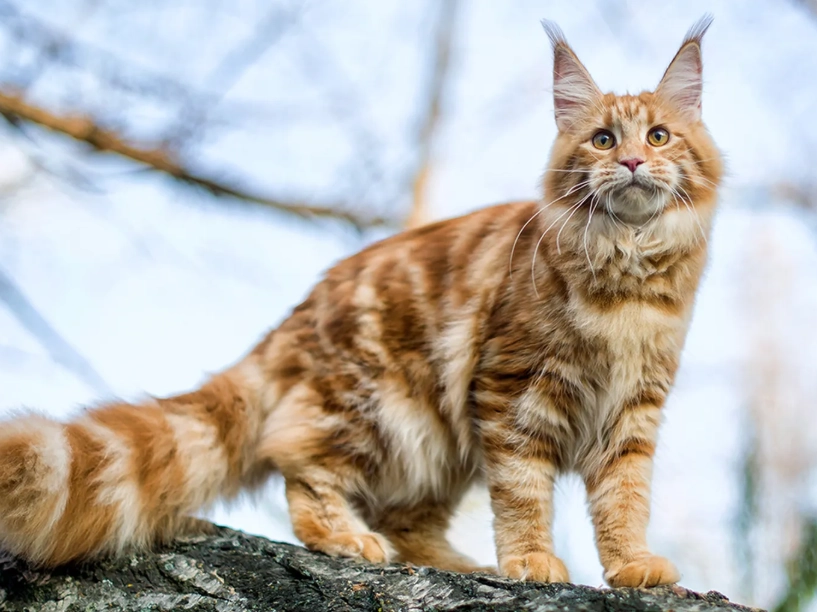
The Maine Coon Personality: Why Everyone Calls Them "Dog-Like"
This is the biggest draw, and for good reason. While every cat is an individual, Maine Coons consistently hit certain personality notes.
They are famously people-oriented. Unlike some aloof cats, a Maine Coon often wants to be where you are. Not necessarily on your lap (though some love that), but in the same room, following you around, supervising your chores. My Leo "helps" with laundry by sitting in the basket.
They are playful and intelligent well into adulthood. A bored Maine Coon can get mischievous. They excel at puzzle toys and can learn tricks like fetching, sitting, or even high-fiving. This intelligence means they need mental stimulation.
Here's a trait I love: they are often chatty, but not loud. They rarely meow in a piercing way. Instead, they trill, chirp, and make little conversational noises. It's like they're trying to have a discussion with you. You'll find yourself talking back, I promise.
They are generally great with families, including children and other pets. Their patient and gentle nature usually makes them tolerant of well-meaning kids. Their social streak often means they enjoy the company of another cat or even a dog. Introducing any pets slowly is always key, of course.
Personal Observation: The "gentle" in "gentle giant" is real. In all my years with Leo, I've never seen him extend a claw in anger, even during nail trims he dislikes. He protests with chirps and gentle pulls, not aggression. This seems to be a common thread among Maine Coon owners I've spoken to.
But It's Not All Perfect…
That wonderful personality comes with some practical realities. Their size and intelligence mean they can be accidentally destructive. A swish of that heavy tail can knock a cup off a table. Their curiosity can lead them to open cabinets (yes, some learn to do this). They need sturdy, large scratching posts and plenty of approved things to climb and scratch, or your furniture will suffer.
And that dog-like loyalty can tip into separation anxiety for some individuals if left alone for very long periods regularly. They are companions, not background decor.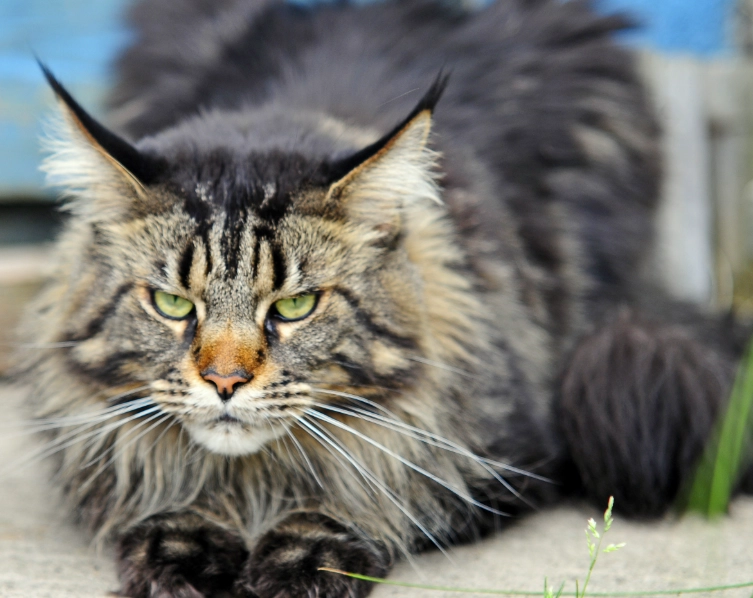
Maine Coon Appearance: Breaking Down the "Giant"
How big do they really get? Males typically weigh 13-18 pounds, but 20+ pounds is not unheard of. Females are usually 8-12 pounds. But it's not just weight—it's their length and bone structure. A Maine Coon can be over 3 feet long from nose to tail tip. They mature slowly, reaching full size around 3-5 years old.
Let's look at the specific features that make a Maine Coon cat so distinctive:
| Feature | Description | Practical Note |
|---|---|---|
| Coat | Long, shaggy, silky. It's uneven (shorter on shoulders, longer on belly & "britches"). Water-resistant top layer with a soft undercoat. | Prone to matting without regular care. That belly fur is a magnet for tangles. |
| Tail | Long, bushy, and famously expressive. Carried proudly. | You will learn to watch the tail for mood. A slow swish is very different from a happy quiver. |
| Eyes | Large, expressive, slightly oblique. Colors include green, gold, copper, or blue (in white cats). | They give you a look that feels deeply understanding. It's hard to explain until you experience it. |
| Ears | Large, tall, lynx-like tufts at the tips. Heavily furred inside. | Those tufts are adorable but check ears regularly for wax buildup. The heavy fur can trap debris. |
| Body & Frame | Rectangular, muscular, solid bone structure. Broad chest. | They feel substantial when you pick them up. Not fat, just solid. You need a sturdy carrier. |
| Paws | Large, round, tufted between toes (snowshoe effect). | Toe tufts can track litter. A high-sided or top-entry litter box helps contain the mess. |
Their coat comes in a rainbow of colors and patterns, except for pointed patterns like Siamese. Brown tabby is the classic, but you'll see solids, smokes, tortoiseshells, and more.
Caring for Your Maine Coon: The Daily, Weekly, and Yearly Tasks
This is where the commitment gets real. Caring for a Maine Coon cat is a step up in effort.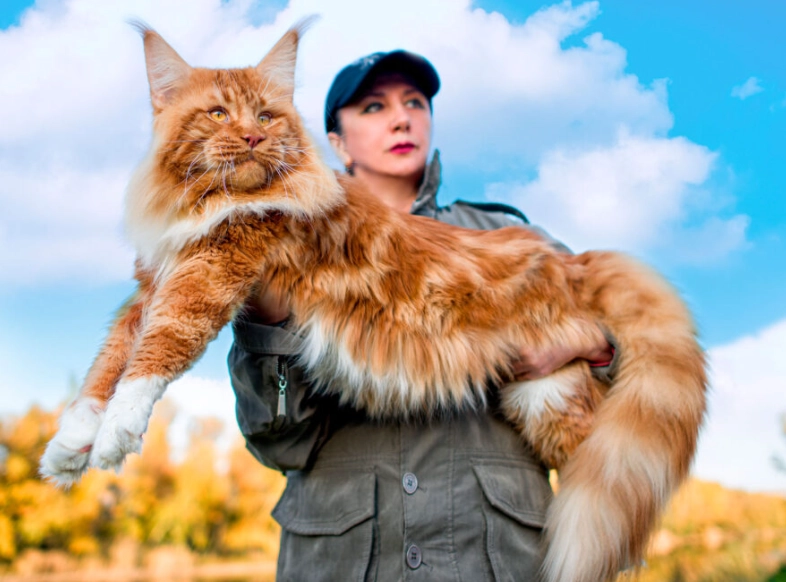
Grooming: The Non-Negotiable
You cannot skip this. That beautiful coat will mat, especially under the arms, behind the ears, and on the belly. A matted coat is painful, can pull skin, and hides skin problems.
- Brushing: Aim for 2-3 times a week with a sturdy steel comb and a slicker brush. During shedding seasons (spring and fall), daily might be necessary unless you enjoy tumbleweeds of fur.
- Bathing: It's not as crazy as it sounds. Many Maine Coons tolerate or even enjoy water due to their water-resistant coats. A bath every 4-8 weeks with a cat-specific shampoo can drastically reduce shedding and dander. It was a game-changer for me and Leo.
- Nails, Ears, Teeth: Trim nails every 2-3 weeks. Check ears weekly. Brush teeth if possible—large breeds can be prone to dental issues.
Warning: Never shave a Maine Coon unless for a severe medical reason prescribed by a vet. Their coat regulates their temperature. Shaving it can ruin its texture permanently and leave them vulnerable to sunburn and temperature swings.
Diet and Nutrition: Fueling the Giant
They need high-quality food. More muscle mass and active metabolism mean they need good protein. Because they are large-boned, some vets recommend diets supportive of joint health. They are not necessarily gluttons, but they do eat more than a smaller cat. Be portion-conscious to avoid obesity, which is hard on their big frames. A tall, wide feeding dish (often called a "whisker fatigue" bowl) is more comfortable for their large faces.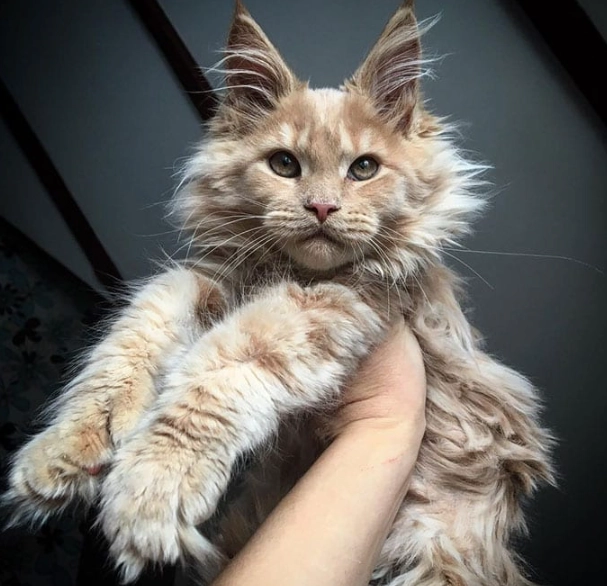
Environment and Enrichment
Think vertical. A tall, robust cat tree is not a luxury; it's a necessity. They love to climb and survey their kingdom. Provide scratching posts on every floor. Interactive toys like puzzle feeders, feather wands, and laser pointers (always end with a physical toy they can "catch") are great for their brains. They appreciate access to a secure window perch for bird-watching.
Maine Coon Health: What to Watch For
They are generally healthy, but their size and genetics predispose them to a few specific conditions. A responsible breeder will test for these.
- Hypertrophic Cardiomyopathy (HCM): This is the big one. It's a form of heart disease that is heritable in Maine Coons. Reputable breeders screen their breeding cats via echocardiograms. Ask for proof of recent HCM screening for both parents. The Cornell Feline Health Center has excellent resources on HCM.
- Hip Dysplasia: Yes, like big dogs. It's a malformation of the hip joint that can lead to arthritis and pain. Good breeders screen for this too. Keeping your Maine Coon at a healthy weight is crucial to managing this risk.
- Spinal Muscular Atrophy (SMA): A genetic disorder affecting spinal neurons, leading to muscle weakness. Reputable breeders test for this via DNA test and avoid breeding carriers.
- Polycystic Kidney Disease (PKD): Less common in Maine Coons than Persians, but some lines can be affected. Ultrasound screening is available.
The key takeaway? Choose a breeder who does genetic and health screening, not just one who produces big, pretty kittens. Pet insurance for a Maine Coon is something I strongly recommend considering early on.
The Real Cost of a Maine Coon Cat
Let's talk money, because surprises here are stressful.
- Initial Purchase/Kitten Adoption: From a reputable, health-testing breeder, expect $1,500 to $3,500+. Adoption from a breed-specific rescue is less ($200-$600) but rare. Beware of "cheap" kittens online—they often skip health testing.
- Start-Up Supplies: Extra-large carrier, heavy-duty litter box (I use a large storage tub), tall cat tree, quality brushes, premium food, sturdy dishes. Easily $300-$500.
- Annual Costs: High-quality food ($500-$800), litter ($300), routine vet care ($200-$400).
- Grooming: If you use a professional groomer for baths/deshedding, budget $80-$150 per session.
- Pet Insurance: $30-$70 per month, depending on coverage and deductible.
It adds up. They are a long-term financial commitment for their 12-15 year average lifespan.
Finding Your Maine Coon: Breeder vs. Rescue
This is the most important decision you'll make.
Going the Breeder Route: Do your homework. A good breeder is a partner for the cat's life. They will:
- Welcome visits to their home.
- Show you the mother cat and living conditions.
- Provide detailed health records and genetic screening proof for both parents (HCM, SMA, hip scores).
- Ask you as many questions as you ask them.
- Have a contract requiring spay/neuter and a clause to take the cat back at any time if you can't keep it.
- Be registered with a major cat registry like The International Cat Association (TICA) or the Cat Fanciers' Association (CFA).
Red Flags: Multiple litters always available, multiple breeds, kittens shipped without meeting you, no health testing, pressure to pay quickly, inability to see where kittens are raised.
Rescue/Adoption: Check Petfinder and search for Maine Coon rescues. Be patient. These groups thoroughly vet applicants. You might get an adult cat, which is fantastic—you skip the crazy kitten phase and know their full-grown personality and size.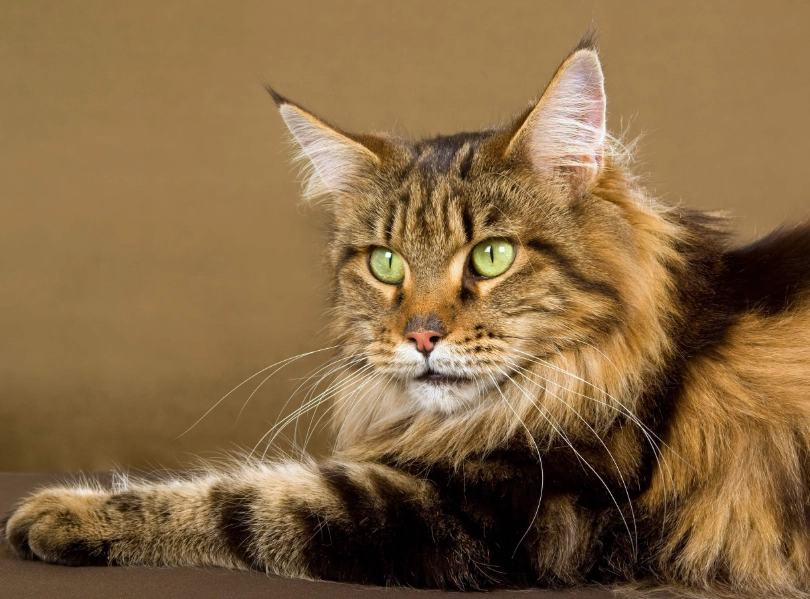
Your Maine Coon Questions, Answered
Here are the things people really want to know but don't always ask upfront.
Are Maine Coon cats hypoallergenic?
No cat is truly hypoallergenic. People are usually allergic to a protein in cat saliva (Fel d 1), not the fur itself. When cats groom, the saliva dries on their fur and becomes airborne. Some claim Maine Coons produce less of this allergen, but there's no scientific consensus. Their heavy grooming and long fur can actually spread more allergen around. If you have allergies, spend time with a Maine Coon before committing.
Are they good indoor cats?
Absolutely. In fact, given their value and friendly nature, they should be kept strictly indoors for their safety (from cars, diseases, other animals, theft). Their enrichment needs must be met inside, as discussed.
How much do they shed?
A lot. It's fine, silky hair that gets everywhere. Regular brushing and bathing are the only controls. Invest in a good vacuum cleaner.
Can I train my Maine Coon?
Yes! They are highly trainable with positive reinforcement (treats, praise). Clicker training works wonderfully. Leo comes when called (usually), sits, and gives a high-five. It's great mental exercise.
Do they need a companion?
Not necessarily, but they often thrive with one. If you work long hours, a second cat (even a non-Maine Coon) can provide companionship. Introduce them properly when young or with careful patience as adults.
Final Thoughts: Is a Maine Coon Cat Right for You?
Ask yourself these questions honestly:
- Do I have the time for regular, thorough grooming?
- Do I have the space for large cat furniture and a giant litter box?
- Can I budget for higher food costs and potential health issues?
- Do I want an interactive, involved pet that wants to be part of my daily life?
- Am I prepared for a 15+ year commitment to a large, special-needs animal?
If you answered yes, then welcoming a Maine Coon cat into your home can be one of the most delightful experiences. You're not just getting a pet; you're gaining a gentle, funny, majestic presence that will leave paw prints on your heart (and probably your couch, but that's what scratching posts are for).
Do your research, choose your source ethically, and get ready for a wonderful adventure with one of the most remarkable cat breeds in the world. The world of maine coon maine coon cats is waiting for you.