Your Reading Map
- What Exactly Is a Hairless Cat Kitten? It's Not Just One Thing.
- Caring for Your Hairless Cat Kitten: It's a Full-Time Job (But Worth It)
- Health Issues: What to Watch For With a Hairless Cat Kitten
- The Cost: How Much Does a Hairless Cat Kitten Really Cost?
- Finding a Responsible Breeder: Your Most Important Task
- Your Hairless Cat Kitten FAQ: Answers to the Real Questions
- Final Thoughts: Is a Hairless Cat Kitten Right For You?
You've seen them. Those wrinkly, wide-eyed, alien-like creatures that somehow manage to look incredibly wise and utterly helpless at the same time. A hairless cat kitten tugs at the heartstrings in a unique way. Maybe it's the oversized ears, or the soft, warm suede-like skin. The idea pops into your head: "I want one."
Hold that thought.
Bringing home a hairless kitten is a world apart from getting a fluffy Persian or a sleek Siamese. It's a commitment to a specific, and frankly, high-maintenance lifestyle—for you and the cat. I've been through it, made mistakes, learned lessons the hard way, and now have a thriving, mischievous Sphynx sprawled across my keyboard as I type this. This guide isn't just facts from a website. It's the real-talk manual I wish I'd had.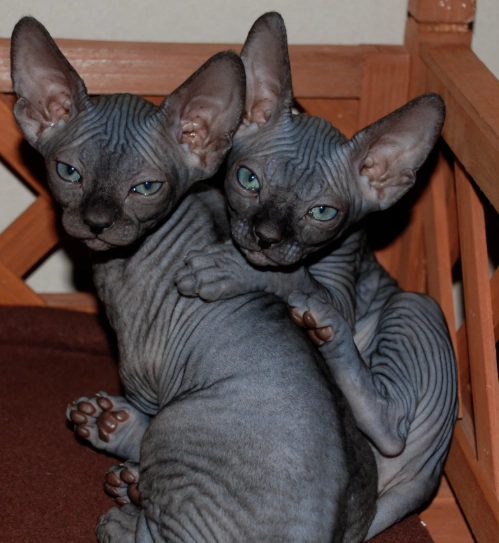
What Exactly Is a Hairless Cat Kitten? It's Not Just One Thing.
First, a big myth to bust. "Hairless cat" isn't a single breed. It's a description that covers a few distinct breeds, each with its own origin story and subtle differences. The lack of fur is caused by a natural genetic mutation, but the genes behind it vary.
The most famous, of course, is the Sphynx. Canadian in origin, they're the poster child for hairless cats. But have you heard of the Donskoy (or Don Sphynx)? Russian-born, with a dominant hairless gene that's different from the Sphynx's recessive one. Or the Peterbald, another Russian breed with a range from completely bald to a velvety peach fuzz coat.
For most people looking for a hairless cat kitten, they're looking at a Sphynx or a Donskoy. The differences matter, especially when it comes to breeding ethics and health.
| Breed | Origin | Key Trait | Skin Texture | Personality Vibe |
|---|---|---|---|---|
| Sphynx | Canada (1960s) | Recessive hairless gene | Warm peach fuzz, often wrinkly | Extroverted, clownish, "velcro" cat |
| Donskoy | Russia (1987) | Dominant hairless gene | Can be rubbery bald, often more elastic skin | Intelligent, dog-like, loyal |
| Peterbald | Russia (1994) | Varied coat types (bald to brush) | From bald to a soft coat | Elegant, affectionate, quiet |
See? Already more complicated than just "hairless." When you contact a breeder, knowing which breed they specialize in tells you a lot about their focus and knowledge.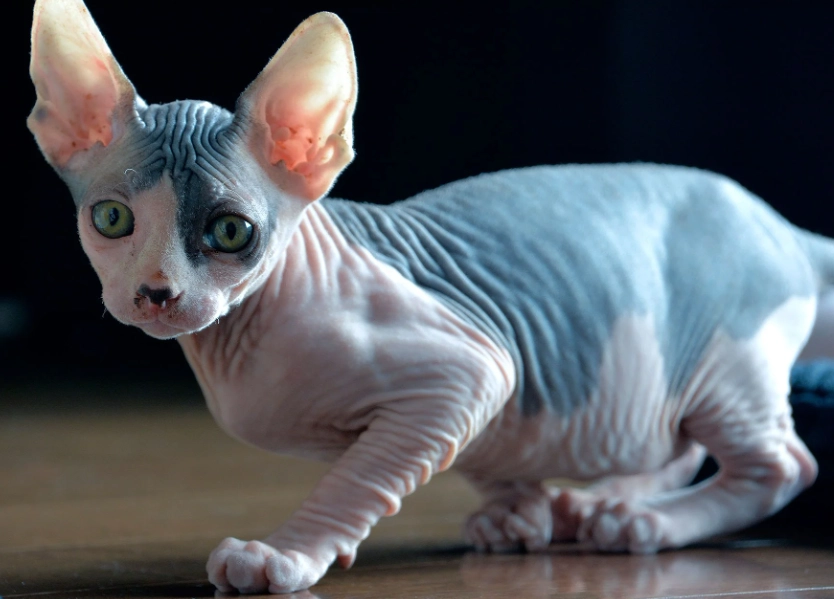
The Genetics Behind the Baldness: Why It Matters
This isn't just science class stuff. The type of hairless gene affects breeding practices. The Sphynx's recessive gene means both parents must carry it to produce a hairless kitten. This often requires careful outcrossing to maintain genetic diversity, which reputable breeders do under strict guidelines from cat registries.
The dominant gene in Donskoys is trickier. Breeding two completely hairless Donskoys together can lead to severe health issues in offspring. A good breeder will know this and pair cats responsibly. If a breeder brushes off questions about genetics, that's a red flag the size of a barn door. The International Cat Association (TICA) and the Cat Fanciers' Association (CFA) have detailed breed standards and resources on responsible breeding for these unique cats.
Caring for Your Hairless Cat Kitten: It's a Full-Time Job (But Worth It)
Okay, let's get into the nitty-gritty. You've got your wrinkly little hairless cat kitten home. Now what? Forget the low-maintenance dream. This is high-touch pet ownership.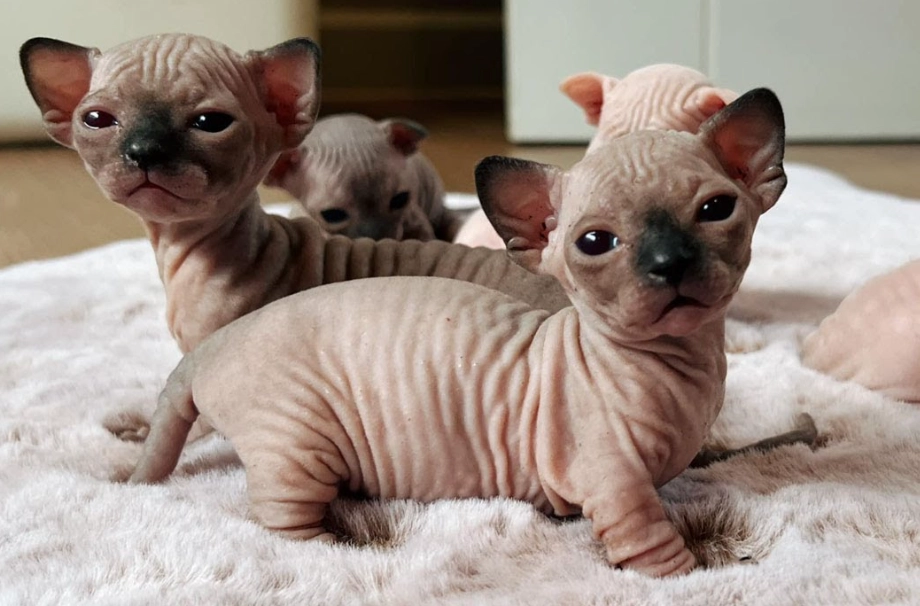
Body Temperature: They Get Cold. Really Cold.
No fur means no insulation. A hairless cat kitten loses body heat much faster than a coated cat. Your home needs to be consistently warm. Think 72-80°F (22-27°C). Drafty windows? They're the enemy.
- Sweaters are non-optional: Not just for fashion. A good cotton or soft wool sweater helps them retain heat. Have several, because they get dirty fast (more on that later).
- Heated beds are a godsend: My cat's favorite spot is a microwavable heat pad wrapped in a soft blanket. Electric heated pet beds with safety features are great too.
- Sunbathing with supervision: They love sunny spots. But here's the catch—they can get sunburned. Just like us. Keep them out of direct, harsh sunlight for long periods. If they have outdoor access (in a secure catio, never free-roaming), pet-safe sunscreen is a must. The ASPCA has general guidelines on pet sun safety worth checking.
Skin Care: You're Now a Feline Esthetician
This is the big one. Their skin produces oils (sebum) just like ours. On a furry cat, that oil gets distributed along the hair shafts. On a hairless cat kitten, it just sits on the skin. And it builds up. Fast.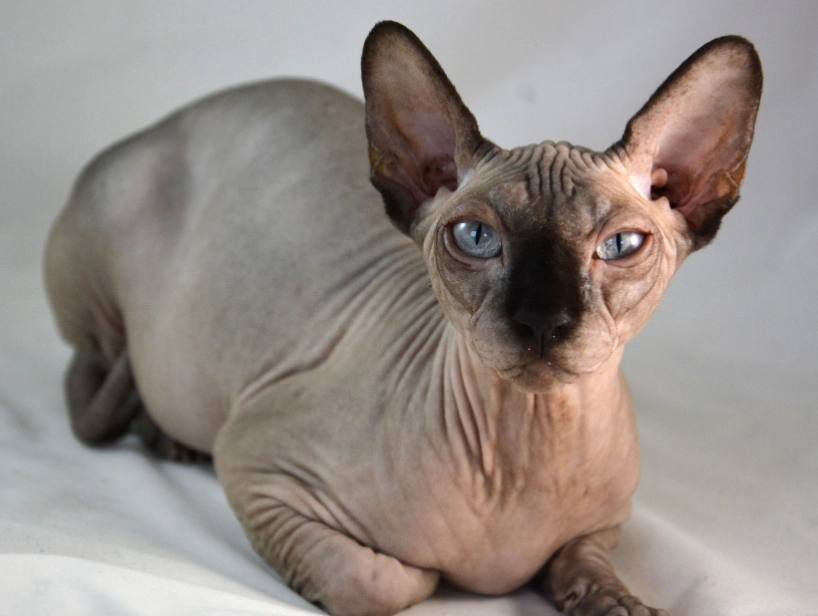
You'll notice a brownish, waxy residue in their nail beds, ears, and between those adorable wrinkles. If you don't manage it, it leads to clogged pores, acne (yes, cat acne), and a greasy feeling that gets on your clothes and furniture.
- Weekly Baths are Mandatory: Not monthly. Weekly. Use a gentle, hypoallergenic kitten shampoo or one specifically for sensitive skin. I've had good luck with oatmeal-based formulas. The water should be warm, not hot. Make it a calm, positive experience with treats. Some cats even learn to tolerate or enjoy it.
- Ear Cleaning is Critical: Their ears produce a lot of dark wax. Clean them gently with a vet-recommended ear cleaner and cotton balls once a week. Never use Q-tips deep in the ear canal.
- Wrinkle Wiping: Between baths, use unscented, alcohol-free baby wipes to gently clean between the skin folds, especially around the face and neck. This prevents "wrinkle gunk" buildup.
It sounds like a lot. It is. The first time I bathed my kitten, it was a two-person, soaking-wet disaster. Now it's a calm 20-minute routine. You adapt.
Diet and Nutrition: Fuel for the Furnace
Their high metabolism demands high-quality fuel. Cheap, filler-heavy kibble won't cut it. You'll want a diet rich in animal-based protein and fat.
- High-Quality Kitten Food: Look for brands where the first several ingredients are named meat meals (chicken meal, salmon meal) or whole meats. The protein content should be high (40%+ on a dry matter basis is a good target).
- Wet Food is Your Friend: The extra moisture is great for their skin and overall hydration. Many owners do a mix of wet and dry.
- Be Wary of Allergies: Some hairless cats seem prone to food sensitivities. Grain-free isn't automatically better, but if you notice itchy skin or digestive upset, a limited-ingredient diet might be needed. Always consult your vet before making major diet changes.
Health Issues: What to Watch For With a Hairless Cat Kitten
All purebred cats can have breed-specific concerns. Being informed isn't about fear-mongering; it's about being a prepared owner. The key for any hairless cat kitten is finding a breeder who actively tests for these conditions.
Hypertrophic Cardiomyopathy (HCM)
This is the big one. HCM is a thickening of the heart muscle and is a concern in many cat breeds, including Sphynxes. It's hereditary. A responsible breeder will have their breeding cats regularly screened via echocardiogram (an ultrasound of the heart) by a veterinary cardiologist. They should show you these clear results. Never buy a hairless cat kitten from a breeder who doesn't prioritize HCM screening.
Skin Conditions
Beyond the routine oiliness, they can be prone to:
- Urticaria Pigmentosa: Crusty skin lesions that usually appear in young kittens. Many outgrow it, but it needs vet management.
- Sunburn and Skin Cancer: As mentioned, their lack of fur offers zero UV protection.
- Fungal/Yeast Infections: The warm, oily skin can be a breeding ground if not kept clean.
Other Considerations
Dental Issues: Some lines seem to have worse dental health. Get them used to tooth brushing early.
Gastrointestinal Issues: Sensitive stomachs aren't uncommon.
The Cost: How Much Does a Hairless Cat Kitten Really Cost?
Let's talk money, because this is where dreams often meet reality. The initial price tag is just the beginning.
Purchase Price
A hairless cat kitten from a reputable, ethical breeder typically ranges from $1,800 to $3,500+. Yes, you read that right. Why so much?
- Extensive health testing (HCM scans, genetic screening) on parents.
- High-quality food and vet care for the queen and kittens.
- Small litter sizes.
- The significant time investment of the breeder in socialization and care.
If you see a hairless cat kitten for $500 or $800, run. That is almost certainly a backyard breeder or kitten mill. You will pay later, many times over, in vet bills and heartache.
Lifetime Costs (The Real Budget)
Here's a rough, sobering breakdown of annual costs after the initial purchase:
- High-Quality Food & Supplies: $800 - $1,200 (special diet, wipes, shampoo, sweaters).
- Routine Veterinary Care: $300 - $600 (check-ups, vaccines, preventatives).
- Unexpected Vet Bills: This is the wild card. A single HCM diagnosis or major skin issue can cost thousands. Pet insurance is not a luxury; it's a necessity. Get it while your kitten is young and healthy.
- Utilities: Seriously. Keeping your home warmer in winter will raise your heating bill.
Finding a Responsible Breeder: Your Most Important Task
This step determines everything. A good breeder is a mentor for the life of your cat. A bad breeder is a source of endless problems.
Green Flags of a Good Breeder
- They ask YOU more questions than you ask them. They want to know about your home, lifestyle, other pets, and why you want a hairless cat.
- They openly discuss health testing and show you documentation (OFA certificates for hearts, genetic test results).
- They raise kittens underfoot in their home, not in a cage in a basement or shed.
- They have a contract. It should cover health guarantees, require spay/neuter unless sold for breeding (to an approved home), and include a clause that you must return the cat to them if you can't keep it at any point in its life.
- They are registered with TICA or CFA and actively show their cats or are involved in the breed community.
- You can visit their cattery and meet the mother cat (and often the father).
- The kittens are not weaned or sent home before 12-16 weeks of age.
Red Flags (Walk Away Immediately)
- Multiple litters always available, multiple breeds available.
- Pressure to pay online without meeting.
- Kittens ready to go home at 6 or 8 weeks old.
- Vague answers about health, genetics, or parents.
- No contract.
- Prices significantly below market rate.
Start your search on the breeder directories of TICA and CFA. Be prepared to get on a waiting list. Good breeders don't mass-produce kittens.
Your Hairless Cat Kitten FAQ: Answers to the Real Questions
Final Thoughts: Is a Hairless Cat Kitten Right For You?
Look, I adore my hairless cat. He's hilarious, affectionate, and a constant source of entertainment. But he's also a grease factory who needs weekly baths, steals my sweaters, and requires a carefully regulated environment.
Getting a hairless cat kitten is not a casual decision. It's for someone who:
- Has the time for daily interaction and weekly grooming.
- Has the financial means for high upfront and ongoing costs.
- Wants a shadow, a companion that will be deeply involved in their daily life.
- Is prepared for potential health issues and vet visits.
- Values transparency and is willing to do the hard work of finding an ethical breeder.
If you read all this and thought, "That sounds like a lot of work," it is. Maybe a different cat is a better fit. And that's perfectly okay.
But if you read it and felt a spark of excitement at the challenge, at the unique bond, at the idea of sharing your life with this extraordinary little creature... then welcome. Do your homework, find that stellar breeder, and get ready for one of the most engaging pet relationships you'll ever have. Just buy a lot of baby wipes first.