Quick Navigation
- What "Hypoallergenic" Really Means (Spoiler: It's Not What You Think)
- Comparing Cats: A Realistic Look at Allergen Levels
- It's Not Just the Cat: Your Personal Allergy Equation
- If You're Allergic and Insist on a Himalayan: A Management Blueprint
- The Verdict: Should an Allergic Person Get a Himalayan Cat?
- Your Himalayan Cat Hypoallergenic Questions, Answered
- Final Thoughts: Look Beyond the Hypoallergenic Label
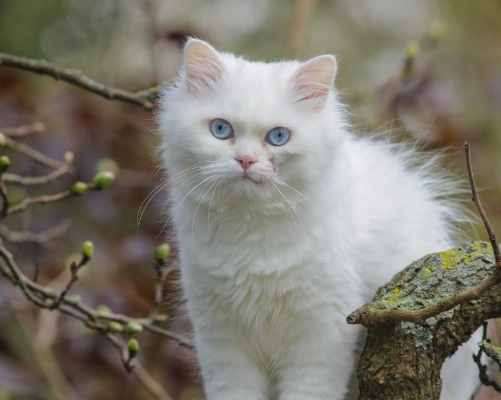
So you're thinking about bringing a fluffy Himalayan cat into your home, but there's that nagging worry in the back of your mind. What about allergies? You've probably heard the term "hypoallergenic" tossed around when it comes to certain cat breeds, and maybe someone mentioned that Himalayan cats could be one of them. Let's get real here. I've been through this myself, researching endlessly before getting my first cat while dealing with mild allergies. The short, blunt answer is no, Himalayan cats are not hypoallergenic. Not in the way most people hope for. But that's not the whole story, and understanding the nuances is what will actually help you make a decision. Calling any cat 100% hypoallergenic is a bit of a marketing myth that sets people up for disappointment. What we should be talking about is allergen levels, management, and personal tolerance.
The dream of a cat that doesn't make you sneeze or itch is powerful. For allergy sufferers, it feels like a golden ticket. The Himalayan, with its stunning blue eyes and luxurious, long coat, seems like the perfect regal companion. But its beautiful fur is actually a key part of the allergy puzzle. We need to unpack what "hypoallergenic" even means in the cat world, because it's never a guarantee—it's more of a spectrum. Some breeds might be easier on your immune system than others, but the Himalayan? It sits in a complicated spot on that spectrum.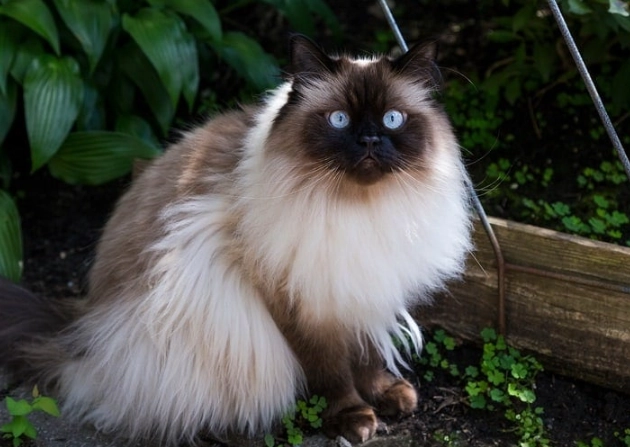
What "Hypoallergenic" Really Means (Spoiler: It's Not What You Think)
First things first, let's clear up the biggest misconception. "Hypoallergenic" doesn't mean "non-allergenic." The prefix "hypo" means "less than" or "below normal." So a hypoallergenic cat breed is theoretically one that produces fewer allergens than other breeds. It doesn't mean they produce zero. This is a crucial distinction. If your allergies are severe, even a "low-allergen" cat might trigger a reaction. The whole concept revolves around a specific protein called Fel d 1. This is public health information you can verify through sources like the American Academy of Allergy, Asthma & Immunology (AAAAI), which states that cat allergies are primarily reactions to proteins in their saliva, skin, and urine.
Cat allergies are an immune system response. Your body mistakes harmless proteins for dangerous invaders. The main culprit, Fel d 1, is produced in sebaceous glands (in the skin), salivary glands, and, to a lesser extent, anal glands. When a cat grooms itself, it spreads saliva loaded with Fel d 1 all over its fur. As the saliva dries, microscopic flakes of skin (dander) that carry the protein become airborne. That's what you breathe in. That's what lands on your sofa. The length or type of fur isn't the allergen itself; it's more like a transport system. Long fur can actually trap more dander and saliva close to the skin, but it can also prevent it from becoming airborne as easily. It's a double-edged sword.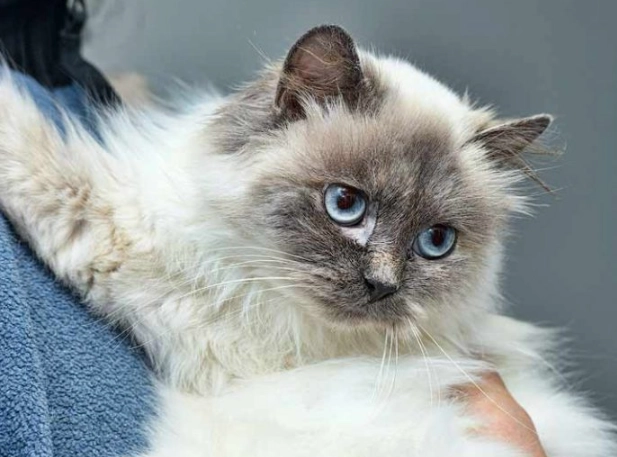
The Himalayan Cat's Allergen Profile: A Persian Legacy
The Himalayan is essentially a color-point Persian. They have the same body type, facial structure, and that famous long, dense, double coat. This coat is gorgeous but high-maintenance, and from an allergy perspective, it's a significant factor. Because they are so closely related to Persians, their allergen production is generally considered similar. There is no scientific evidence or breed-specific study I could find—and I looked—that proves Himalayan cats produce less Fel d 1 protein than the average domestic shorthair. Breeders who claim otherwise are often speaking anecdotally.
The real issue with the Himalayan cat hypoallergenic question is their grooming habits combined with their coat. They are fastidious groomers, meaning they spread saliva all over their fur frequently. Their long hair then holds onto that dried saliva and the attached dander. When they shed (and they do shed, despite what some might say), that hair carries the allergens around your home. Furthermore, their flat (brachycephalic) faces can sometimes lead to more tear staining and facial moisture, which can be another minor source of allergen spread if not cleaned regularly.
Comparing Cats: A Realistic Look at Allergen Levels
It helps to see where Himalayans might fall compared to other breeds often labeled as better or worse for allergies. Remember, this is a generalized ranking based on common characteristics and anecdotal reports from owners and breeders. The science on breed-specific Fel d 1 levels is still evolving.
| Breed Type | Common "Hypoallergenic" Label? | Coat Type & Grooming Factor | Relative Consideration for Allergy Sufferers |
|---|---|---|---|
| Himalayan / Persian | No | Long, dense double coat. High self-grooming. | Challenging. High grooming spreads saliva; long coat traps and sheds dander. |
| Siberian | Often Yes | Long, triple coat. Some studies suggest *some* individuals may produce less Fel d 1. | Potentially better, but not guaranteed. Requires individual testing. |
| Balinese / Oriental Shorthair | Often Yes | Single coat, fine hair. Less undercoat to trap dander. | Often considered better. Less fur = less dander reservoir, but still produces Fel d 1. |
| Sphynx / Devon Rex | Frequently Yes | Hairless or very short, curly coat. | Easier to manage. Allergens come from skin/saliva, but can be wiped off regularly. Not allergen-free. |
| Standard Domestic Shorthair | No | Varies widely. | Wild card. Allergen production is highly individual. |
Looking at this, you can see why the Himalayan cat hypoallergenic claim doesn't hold much water. They're in the category that presents more hurdles simply due to their physical attributes. A hairless cat, for instance, allows you to directly wash the allergen-producing skin. With a Himalayan, the allergens are buried deep in a thick fur coat that requires serious effort to manage.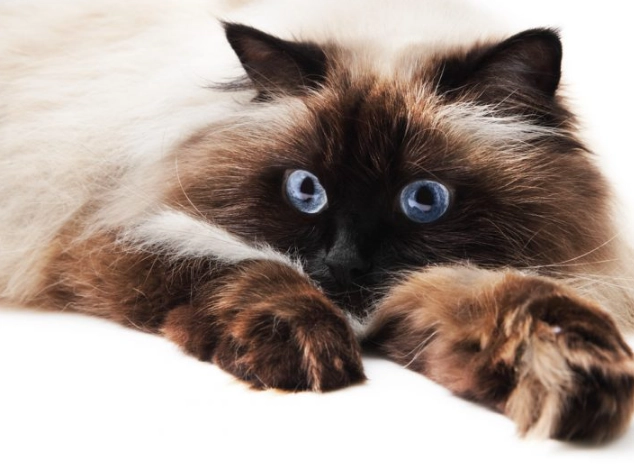
It's Not Just the Cat: Your Personal Allergy Equation
This is the part most articles gloss over. The severity of your reaction depends on you as much as the cat. Some people are only mildly allergic to Fel d 1. Others react to a different protein, Fel d 4, found in saliva. The only way to know is through testing by an allergist. Furthermore, tolerance can sometimes be built up through gradual exposure (though this is risky and doesn't work for everyone, especially those with asthma).
Your home environment is a massive variable. Carpeted floors, fabric furniture, and poor ventilation are allergen amplifiers. A small, carpeted apartment will concentrate allergens much more than a large, hard-floored, well-ventilated house. Do you have other allergies? If you're already battling dust mites and pollen, adding a cat allergen might push your system over the edge. It's a cumulative load.
So, asking "are Himalayan cats hypoallergenic?" is almost the wrong question. The better questions are: "How allergic am I?" and "What am I willing to do to manage the environment?"
If You're Allergic and Insist on a Himalayan: A Management Blueprint
Let's say you've fallen in love with the breed, you have mild to moderate allergies, and you're determined. It's not impossible, but it requires a disciplined, non-negotiable routine. Think of it as a package deal: you get the beautiful cat, but you also sign up for a serious cleaning regimen.
Environmental Control is Your Best Friend
You have to attack the allergens in your home. This is non-negotiable.
- Create an Allergy-Free Sanctuary: Make your bedroom a strict no-cat zone. This gives your immune system 8 hours each night to recover without constant exposure. It's the single most effective tip.
- Invest in a HEPA Air Purifier: Get a good one. Don't cheap out. Place it in the room where the cat spends most of its time. Run it 24/7. It needs to have a true HEPA filter that can capture particles as small as cat dander. The EPA's guide on air cleaners is a useful resource for understanding what to look for.
- Ditch the Carpets: If possible, replace carpets with hard flooring (wood, tile, vinyl). Carpets are allergen sinks. If you must have rugs, choose low-pile, washable ones.
- Use a Vacuum with a HEPA Filter: Vacuum frequently—couches, chairs, floors. A regular vacuum will just blow the tiny dander particles back into the air. A HEPA vacuum seals them in.
- Wash Everything: Wash your cat's bedding, your bedding, and any throw blankets weekly in hot water.
Cat Care and Grooming: The Direct Approach
This is where you tackle the source on the cat itself.
- Bathe the Cat (Yes, Really): This is the most effective way to physically wash allergens off the cat. Studies cited by organizations like the ASPCA note that bathing can reduce allergens on the cat, though the effect is temporary (about a week). For a Himalayan, this is a major undertaking. Start young, be gentle, use a cat-specific shampoo, and make it a positive experience. Once a week is the ideal, though every two weeks is more realistic for most owners.
- Daily Wiping with Pet Wipes: If a full bath is too much, use hypoallergenic pet wipes daily. Wipe down the cat's fur, especially around the face and back, to remove saliva and dander before it dries and flakes off.
- Frequent and Thorough Brushing: This is critical for a Himalayan anyway to prevent mats. Do it outside or in a well-ventilated area, and wear a mask if you're sensitive. The goal is to capture the loose, allergen-coated fur and dander in the brush before it sheds around your house. Dispose of the fur immediately.
- Diet and Supplements (The Emerging Frontier): Some newer cat foods and water additives claim to neutralize the Fel d 1 protein in the cat's saliva. The science behind these, like the product from Purina Pro Plan LiveClear, is promising but still new. It's not a magic bullet, but could be a helpful part of a multi-pronged strategy. I'm a bit skeptical of anything that sounds too good to be true, but the research behind it is interesting.
Personal Care for You
Don't forget to manage your own response. Over-the-counter antihistamines (like cetirizine or loratadine) or nasal corticosteroid sprays can be very effective. Talk to your doctor or allergist about a long-term plan. Allergy shots (immunotherapy) are a more permanent solution that can reduce your sensitivity to cat allergens over time, but it's a lengthy and expensive process.
The Verdict: Should an Allergic Person Get a Himalayan Cat?
This is the honest, no-BS conclusion.
If you have severe allergies or asthma, I would strongly advise against getting a Himalayan cat. The likelihood of constant misery is high, and it's not fair to you or the cat if you have to rehome it later. The heartbreak isn't worth it. Look towards breeds with less fur or proven lower allergen profiles, and even then, proceed with extreme caution and a long trial period.
If you have mild, manageable allergies and are a committed, diligent person who sees the management routine as part of pet ownership, then it's a possibility. But you must:
- Spend time with Himalayans first. Visit a breeder or a friend who has one. Sit in their home for a few hours. Pet the cat, hold it, see how you react. This is the most important step.
- Have a solid plan for all the environmental and grooming strategies listed above.
- Be prepared for the possibility it might not work, and have a backup plan that doesn't involve abandoning the animal.
The dream is tempting, but reality often has more veto power.
Your Himalayan Cat Hypoallergenic Questions, Answered
Are male or female Himalayan cats better for allergies?
Intact male cats generally produce higher levels of Fel d 1 than females or neutered males. So, if you have a choice, a spayed female might be a slightly better bet from an allergen-production standpoint. But the difference is marginal compared to the impact of grooming and environment.
Can I build an immunity to my Himalayan cat?
Some people do experience a reduction in symptoms over time (a process called "immunological tolerance"), but it's unpredictable and doesn't happen for everyone. Many people's symptoms stay the same or even worsen with constant exposure. You should not get a cat hoping you'll "get used to it." That's a major gamble.
What's the best way to test if I'm allergic to a specific Himalayan cat?
Repeated exposure in the cat's environment is the only real-world test. An allergist's skin prick test will tell you if you're allergic to cats in general, but not to a specific individual. Some breeders, if they are responsible, may allow multiple visits or even a trial period with a clause in the contract regarding allergies.
Are there any truly hypoallergenic cat breeds?
No. As established, "hypoallergenic" means lower potential to cause a reaction, not zero. Breeds like the Sphynx, Devon Rex, Cornish Rex, Balinese, and Siberian are often recommended because they may produce less Fel d 1 or have coats that minimize dander spread. But individual variation is huge.
Is a Himalayan cat a good choice for someone with asthma triggered by cats?
This is a firm conversation to have with your doctor. Asthma is a serious condition. Introducing a high-allergen-potential cat like a Himalayan into your home could be dangerous. The general medical advice is to avoid the allergen trigger altogether.
Final Thoughts: Look Beyond the Hypoallergenic Label
Chasing the idea of a hypoallergenic Himalayan cat is often a path to frustration. The breed's exquisite beauty comes with a coat that complicates allergy management. Instead of focusing on a label that doesn't truly apply, focus on actionable strategies and honest self-assessment.
Spend real time with the breed. Be brutally honest about your allergy severity and your commitment to cleaning. Talk to your doctor. Consider if another breed might be a better fit for your health and lifestyle. The goal is a happy life for both you and a cat, not to win a battle against your own immune system every single day. Sometimes, the most responsible and kindest choice—for yourself and the animal—is to admire the gorgeous Himalayan from afar and find a feline friend that lets you breathe easy, both literally and figuratively.
If you do take the plunge with a Himalayan, go in with your eyes wide open. Arm yourself with HEPA filters, a great vacuum, a grooming kit, and a lot of patience. It's a labor of love, and for the right person with mild allergies, it can be incredibly rewarding. Just don't say I didn't warn you about the brushing.