Quick Guide
- Where Did This Plush Cat Come From? A Bit of History
- That Iconic Look: British Shorthair Cat Characteristics
- The Heart of the Matter: British Shorthair Cat Personality
- Living With One: British Shorthair Cat Care Essentials
- What Can Go Wrong? British Shorthair Health Issues
- Is a British Shorthair Cat Right for YOU?
- Finding Your British Shorthair: Breeder vs. Rescue
- Final Thoughts
So you're thinking about getting a British Shorthair cat? You've probably seen those adorable, round-faced felines looking impossibly plush and dignified in photos. I get it. I was in the same spot a few years back, completely charmed by their teddy bear looks. But let me tell you, there's a lot more to these cats than just a cute face. They have a personality that's as substantial as their build, and caring for them is a unique experience. This isn't just a quick breed summary; it's the deep dive I wish I had before I brought my own British Shorthair, Winston, home. We're going to cover everything – the good, the bad, the surprisingly stubborn, and the utterly charming.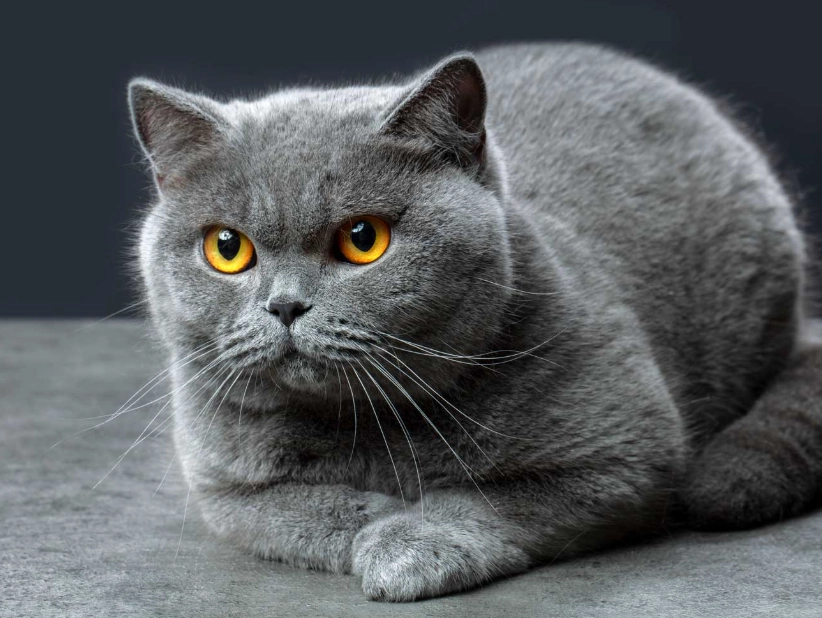
Quick Take: The British Shorthair cat is a sturdy, easygoing companion known for its dense coat, round eyes, and undemanding nature. They are the quintessential "gentleman" or "gentlelady" of the cat world—affectionate but not clingy, playful but not hyperactive. They're perfect for people who want a cat that's present but not in your face 24/7.
Where Did This Plush Cat Come From? A Bit of History
Believe it or not, the British Shorthair cat has roots that go way back. We're talking Roman Empire times. The common theory, supported by historical records, is that the Romans brought domestic cats to Britain to protect their grain stores from rodents. These tough, working cats adapted to the cool, damp British climate, developing that famously dense, water-resistant coat for survival.
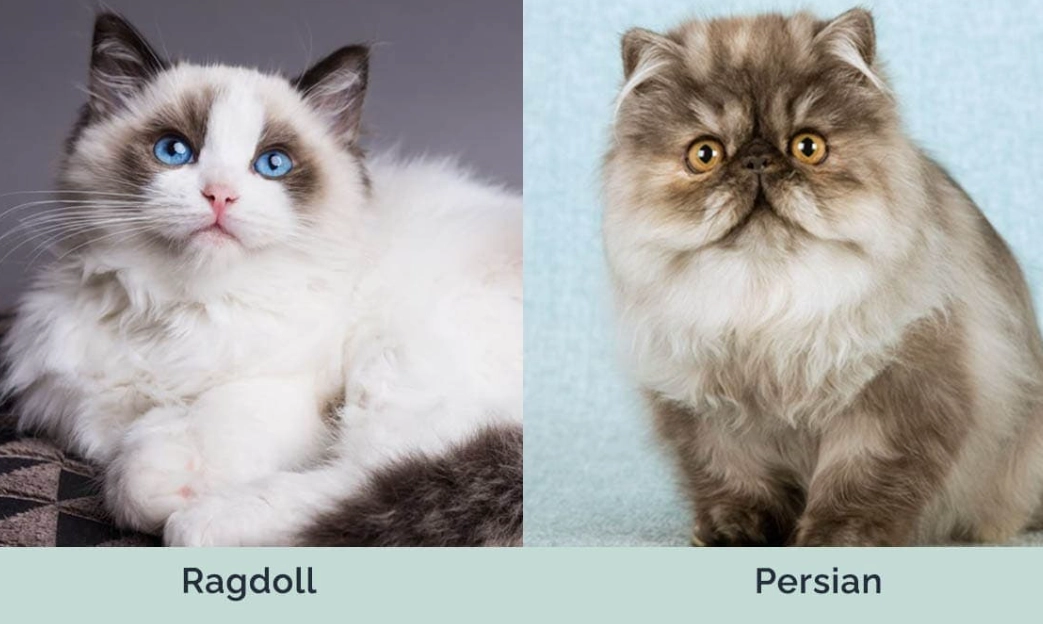
For centuries, they were just Britain's everyday, robust moggie. The transformation into the recognized breed we know today started in the late 1800s. Cat fanciers, led by Harrison Weir (often called the "father of the cat fancy"), began selectively breeding the most attractive of these street cats to emphasize their sturdy build, thick coat, and round features. The first official cat show, held at the Crystal Palace in London in 1871, actually featured British Shorthairs. They almost disappeared after the World Wars, but dedicated breeders outcrossed with other breeds like Persians to rebuild the population, which is why some modern British Shorthairs have a slightly plusher look than their Victorian ancestors. You can read more about this foundational history on the Cat Fanciers' Association (CFA) website, one of the world's largest pedigree cat registries.
That survival-of-the-fittest origin story explains a lot. It's why your British Shorthair feels so solid, why their coat is like velvet over a brick, and why they have that independent, resilient streak. They're not a fragile, made-up breed; they're built from tough stock.
That Iconic Look: British Shorthair Cat Characteristics
You can spot a British Shorthair a mile away. They have a very distinct, cobby (which is a fancy cat-fancy word for stocky and compact) body type. Everything about them is round and solid.
The Physical Blueprint
Imagine a medium to large cat that feels incredibly heavy when you pick it up. That's not fat (though they can be prone to it!), that's dense bone and muscle. They have a broad chest, powerful shoulders, and short, sturdy legs. Their paws are satisfyingly round. The head is a perfect circle with full cheeks, a short nose, and those wide-set, large, round eyes that just seem to take everything in with calm curiosity. The ears are small and rounded at the tips, set wide apart. The tail is thick, medium in length, and rounded at the tip. It's a package of harmonious curves.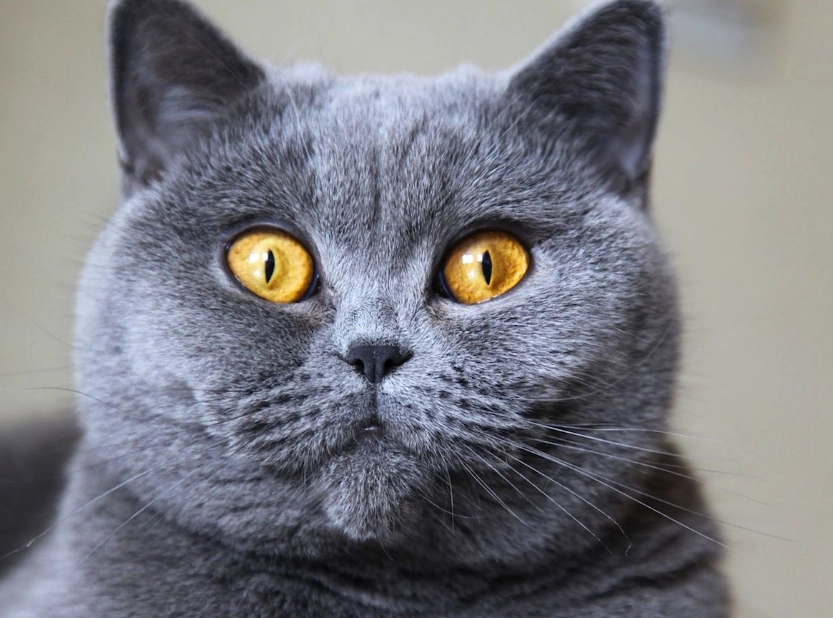
The Coat: A Touch of Velvet
Ah, the coat. This is a major selling point. It's short, but don't let that fool you. It's unbelievably dense, crisp to the touch, and stands away from the body. It has a plush, almost teddy-bear-like quality. Petting a British Shorthair is a uniquely satisfying sensory experience. Now, here's the thing everyone asks about: color.
While the iconic "British Blue" (a solid blue-grey with copper or orange eyes) is the most famous, the palette is vast. Seriously, they come in almost every color and pattern you can imagine.
| Color/Pattern Group | Common Examples | Notes |
|---|---|---|
| Solid | Blue, Black, White, Cream, Chocolate, Lilac | Blue is the classic. The coat should be even from root to tip. |
| Tabby | Classic, Mackerel, Spotted, Ticked | Silver tabbies (black stripes on a silver background) are stunning. |
| Bicolor & Particolor | Blue & White, Black & White, Tortoiseshell | Torties (black, red, and cream mixes) are almost always female. |
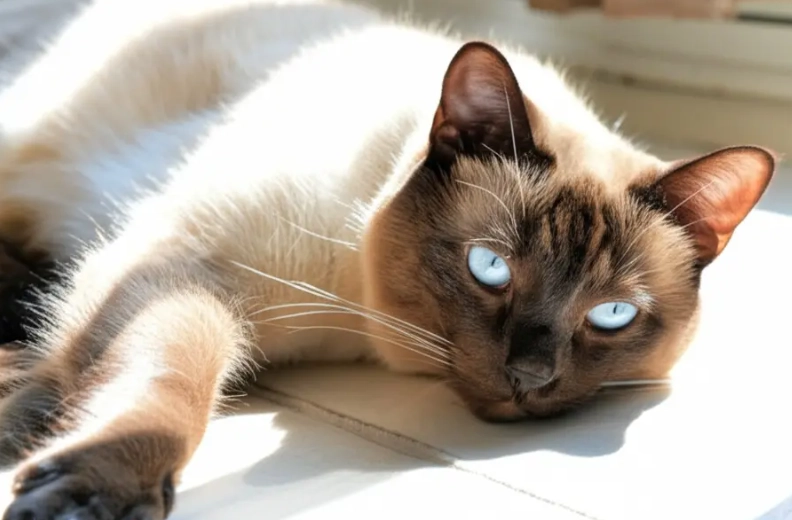
| Pointed | Seal Point, Blue Point | This pattern, like a Siamese, is called a "British Shorthair Colourpoint" in some registries. |
Eye color varies with coat color. Blues have those stunning coppers or golds. Solid whites can have blue, gold, or even odd eyes (one blue, one gold). It's a gorgeous breed for variety seekers.
I'll be honest, I was dead set on a rare color when I started looking. But when I met Winston, a classic British Blue, his personality won me over completely. The color fades into the background when you connect with the cat. Don't get too hung up on finding the "rarest" one.
The Heart of the Matter: British Shorthair Cat Personality
If you're looking for a cat that will follow you from room to room, meow constantly for attention, and be a perpetual lap cat, you might want to look at other breeds. The British Shorthair cat personality is something else entirely. It's what makes them so special to their owners.
They are famously calm, undemanding, and adaptable. They have a quiet confidence. A British Shorthair won't typically hide under the bed for days when you move house; they'll cautiously explore, decide it's acceptable, and find a new favorite windowsill. They're great with calm children (they don't like being manhandled, but they'll tolerate gentle pats) and usually get along well with cat-friendly dogs and other cats, especially if introduced properly.
But let's break down their personality into three core traits.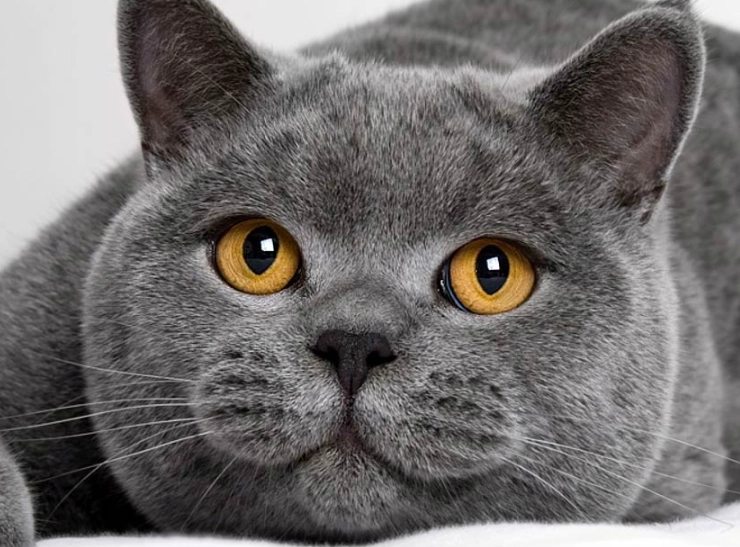
1. The Easygoing Companion
Their baseline is serene. They are not prone to anxiety or neuroses. They enjoy routine and a peaceful home. They'll greet you at the door, but not frantically. They'll want to be in the same room as you, but often just nearby, not on top of you. They show affection through quiet companionship, a slow blink, a soft head bump. It's a mature, understated kind of love. This makes them fantastic pets for busy professionals or quieter households.
2. The Independent Thinker
This is the flip side of their easygoing nature. They are not needy. They are perfectly content entertaining themselves. You might find them watching birds for hours, batting a toy mouse around, or just napping in a sunbeam. They don't require constant stimulation. This independence is a blessing for people who are out at work, but it can be misinterpreted as aloofness. They choose when to interact. You can't force a British Shorthair to cuddle if they're not in the mood.
3. The Playful (But Not Hyper) Side
Don't mistake their calm for laziness. They have playful bursts, especially as kittens and young adults. Their play style is often charmingly clumsy—that solid body isn't built for high-flying acrobatics. They love chasing wand toys, puzzle feeders, and crumpled paper balls. But after 10-15 minutes, they're done. They'll plop down, give you a look that says "that was sufficient," and resume napping. It's a very manageable energy level.
The Reality Check: That wonderful independence can sometimes come across as stubbornness. Trying to get a British Shorthair to do something it doesn't want to do (like take medicine or get into a carrier) can be a lesson in feline physics. They have a way of making themselves impossibly heavy and immovable. It's not aggression; it's passive resistance. You need patience and treats, not force.
So, is a British Shorthair cat affectionate? Yes, deeply. But it's on their terms. It's a loyal, steady, and quiet affection that grows stronger over time. They bond deeply with their family.
Living With One: British Shorthair Cat Care Essentials
Okay, so you're smitten with the personality. What does it actually take to care for one? The good news is, they are generally considered a low-maintenance breed. But "low-maintenance" doesn't mean "no-maintenance." There are specific things you need to stay on top of.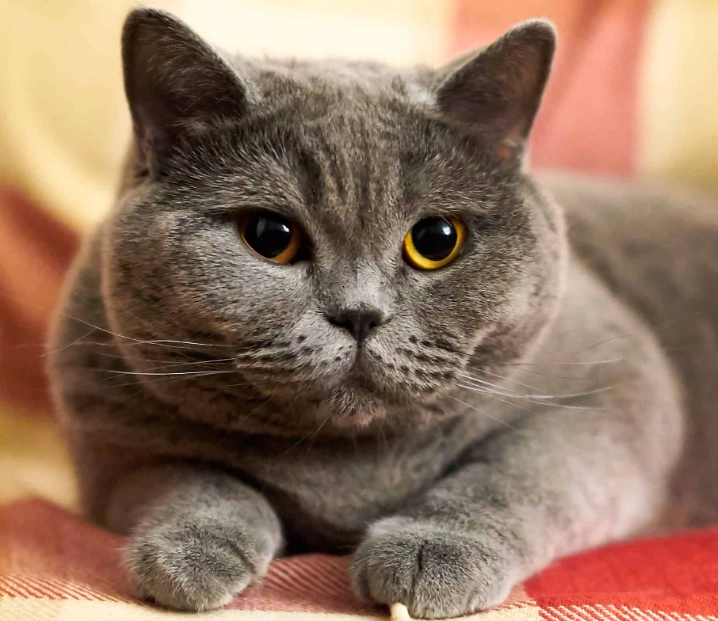
Grooming: It's Not Just About Looks
That beautiful dense coat does shed. It's not excessive like a longhair, but it's consistent. They are not hypoallergenic. Weekly brushing is absolutely crucial. It does three things: removes loose hair to reduce shedding around your house, prevents painful mats from forming close to the skin (yes, short hairs can mat!), and distributes skin oils for a healthy shine. A slicker brush or a fine-toothed comb works best. During seasonal changes (spring and fall), you might need to brush every other day.
| Task | Frequency | Tips & Notes |
|---|---|---|
| Brushing | Weekly (more during shedding seasons) | Be gentle but thorough. Go down to the skin. Make it a positive experience with treats. |
| Nail Trimming | Every 2-3 weeks | Get them used to it as kittens. Just clip the sharp tip, avoiding the quick (the pink part). |
| Ear Cleaning | Monthly, or as needed | Check for dirt or wax. Use a vet-recommended cleaner on a cotton ball, never a Q-tip in the canal. |
| Dental Care | Daily brushing ideal, or use dental treats/toys | Breed can be prone to dental issues. Start dental care early. |
Feeding: Keeping That Cobby Shape Healthy
This is critical. British Shorthairs have a tendency to gain weight. Their solid frame can sneakily turn into obesity if you're not careful. An overweight cat is at risk for diabetes, arthritis, and other serious health problems.
Feed a high-quality, portion-controlled diet. Don't just free-feed kibble. Talk to your vet about the right amount based on your cat's age, activity level, and whether they are neutered/spayed. Wet food can be a great addition as it has higher moisture content. Always ensure fresh water is available. A water fountain can encourage drinking, which is good for their urinary tract health.
I learned this the hard way. My friend's British Shorthair became a little too "plush" because they kept filling the bowl. It took a structured diet plan from the vet to get him back to a healthy weight. It's much easier to prevent it.
Exercise & Enrichment
Even though they're calm, they need activity to stay fit and mentally sharp. Interactive play sessions are key. As mentioned, they love wand toys, laser pointers (always end with a physical toy they can "catch" to avoid frustration), and puzzle feeders that make them work for their food. Cat trees and window perches are also excellent investments, allowing them to survey their domain—a favorite British Shorthair pastime.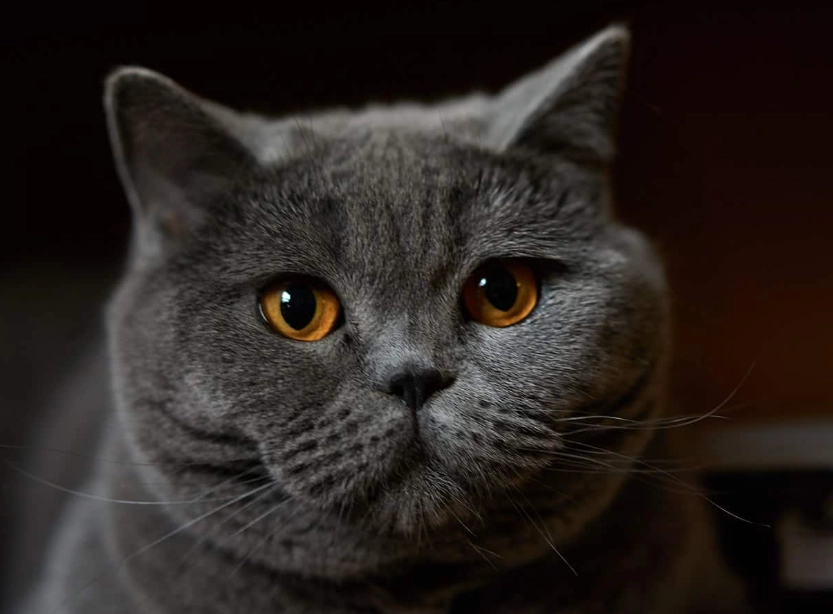
What Can Go Wrong? British Shorthair Health Issues
No breed is without its potential health concerns. Responsible breeders test their breeding stock for genetic conditions. Reputable organizations like the International Cat Association (TICA) provide breed standards and resources on genetic health. When looking for a kitten, always ask for proof of health screenings for the parents.
Here are the main health issues to be aware of:
- Hypertrophic Cardiomyopathy (HCM): This is a form of heart disease where the heart muscle thickens. It's the most common heart condition in cats, and some lines of British Shorthairs can be predisposed. Responsible breeders screen their cats with echocardiograms. There's no guaranteed prevention, but buying from a breeder who tests is your best bet.
- Polycystic Kidney Disease (PKD): This is a hereditary condition where cysts form in the kidneys. It's less common in British Shorthairs than in Persians, but due to historical outcrossing, it can still occur. A DNA test exists, and ethical breeders will test for it.
- Hemophilia B: A bleeding disorder that has been identified in some British Shorthair lines. Again, genetic testing is available for breeders.
- Obesity-Related Issues: As discussed, their love of food can lead to diabetes, joint stress, and urinary tract disease. This is largely preventable through diet and exercise.
- Dental Disease: They can be prone to gingivitis and tooth resorption. Regular dental check-ups and home care are vital.
With good care and regular veterinary check-ups (at least once a year, twice a year for seniors), a British Shorthair cat can live a long, healthy life—typically 12 to 17 years, sometimes even longer.
| Health Concern | What It Is | Prevention / Management |
|---|---|---|
| Hypertrophic Cardiomyopathy (HCM) | Thickening of the heart muscle. | Buy from breeders who echocardiogram screen parents. Annual vet checks. |
| Obesity | Excess body weight. | Portion control, measured feeding, regular play. |
| Dental Disease | Gingivitis, plaque, tooth resorption. | Annual dental vet exams, daily brushing if possible, dental diets/toys. |
For detailed, vet-written information on these conditions, resources like the VCA Hospitals' Know Your Pet library are invaluable.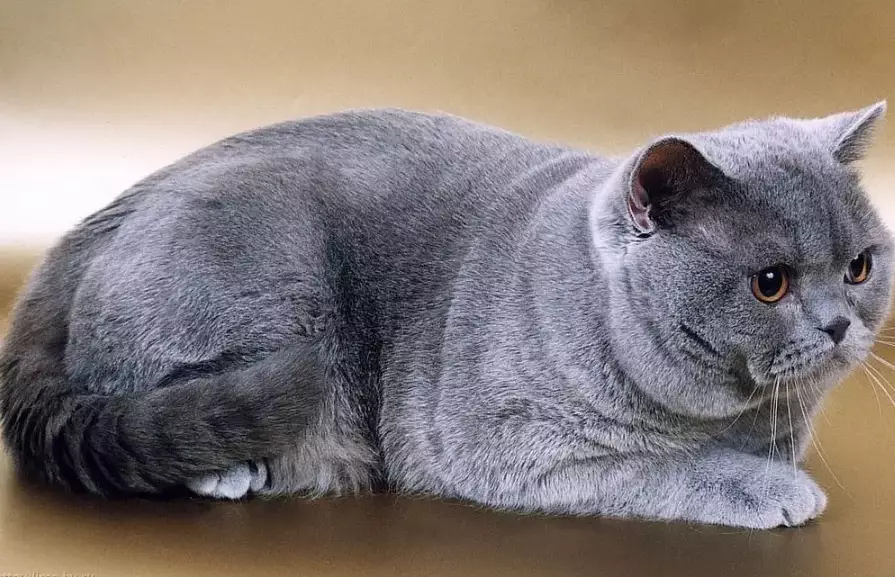
Is a British Shorthair Cat Right for YOU?
This is the million-dollar question. Let's be brutally honest. They are not the perfect cat for every single person or lifestyle.
A British Shorthair cat could be your perfect match if:
- You want a calm, undemanding companion.
- You appreciate a cat with a steady, predictable temperament.
- You have a generally quiet and stable home environment.
- You're okay with affection that is offered, not demanded.
- You are committed to managing their diet to prevent weight gain.
- You don't mind some weekly shedding and regular grooming.
You might want to reconsider if:
- You crave a constant lap cat or a "velcro" pet that follows you everywhere.
- Your home is very loud, chaotic, or has lots of unpredictable visitors.
- You want a highly athletic, acrobatic cat that does tricks.
- You are looking for a hypoallergenic breed (they are not).
- You are unwilling to be strict about portion control at mealtimes.
Finding Your British Shorthair: Breeder vs. Rescue
If you've decided this is the breed for you, you have two main paths.
Going through a Reputable Breeder: This is the most common route for getting a kitten. Expect to be on a waiting list. A good breeder will interview YOU as much as you interview them. They will:
- Show you where the cats and kittens live (in the home, not in cages).
- Provide health records for the kitten (vaccinations, deworming) and the parents (genetic test results for PKD, HCM screenings).
- Have a contract that includes a health guarantee and requires you to spay/neuter.
- Be a resource for you for the cat's entire life.
Be wary of anyone who has multiple litters available immediately, sells kittens online with no questions asked, or won't let you visit. These are red flags for kitten mills or backyard breeders.
Adoption & Rescue: Yes, purebred British Shorthair cats do sometimes end up in rescue! Breed-specific rescues exist, and they sometimes appear in general shelters or foster networks. Adult cats in rescue are often already spayed/neutered, vaccinated, and their personality is well-known. Adopting an adult bypasses the crazy kitten phase and gives a deserving cat a home. It's a wonderful option. Search for groups like "British Shorthair Rescue [Your Region]" or check with general purebred cat rescues.
Final Thoughts
The British Shorthair cat is more than just a pretty face with a plush coat. It's a companion built on centuries of resilience, offering a unique blend of quiet affection, dignified independence, and steadfast companionship. They are not the cat for everyone, but for the right person or family, they are an utterly devoted and wonderfully undramatic friend.
They ask for little: some good food (not too much!), a warm spot in the sun, a weekly brush, and your calm company. In return, they give you a presence that grounds a home. That steady, round-eyed gaze seems to understand more than they let on. If your lifestyle matches their temperament, welcoming a British Shorthair into your life can be one of the most rewarding decisions you'll make. Just be prepared for a lot of people to stop and say, "What a beautiful cat!". And you'll nod, knowing that the best part is what's on the inside.
Do your homework, choose your source (breeder or rescue) carefully, and get ready for a long, wonderful journey with a truly special breed.