What You’ll Find in This Guide
- What Exactly Is a Munchkin Cat?
- A Quick Dip Into Their History (It's More Recent Than You Think)
- The Munchkin Personality: Big Cat Energy in a Compact Package
- The Big Question: Are Munchkin Cats Healthy?
- Caring for Your Munchkin Cat: A Practical Daily Guide
- Munchkin Cat vs. Other Cats: A Quick Comparison
- Answering Your Burning Questions About Munchkin Cats
- Final Thoughts: Is a Munchkin Cat Right For You?
You've seen the photos, the videos. Those little legs, that playful dash across the floor that looks more like a speedy waddle. Munchkin cats have taken the internet by storm, and it's easy to see why they capture hearts. But behind those adorable GIFs lies a real, living creature with specific needs and a whole lot of personality packed into a small-statured frame.
I remember the first time I met one in person at a friend's house. I expected something fragile, maybe a bit hesitant. What I got was a confident, cheeky little guy named Gizmo who bossed around a giant Maine Coon like he owned the place. It completely flipped my assumptions.
This guide isn't just a dry list of facts. It's for anyone who's gone past just thinking "they're cute" and is genuinely curious about what life with a Munchkin cat entails—the good, the not-so-simple, and everything in between. We're going to ditch the fluff and get real about their health, their spirit, and whether your home is the right fit for their unique zoomies.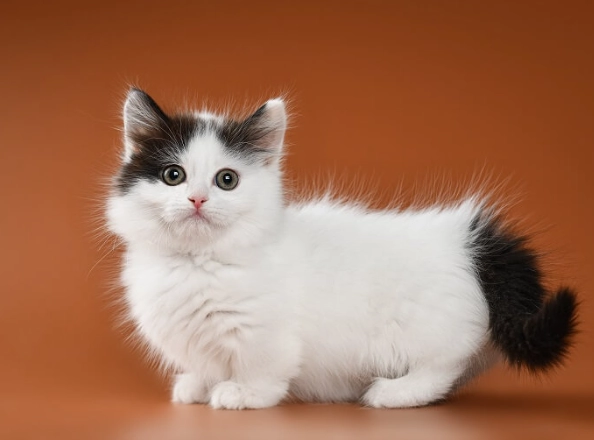
What Exactly Is a Munchkin Cat?
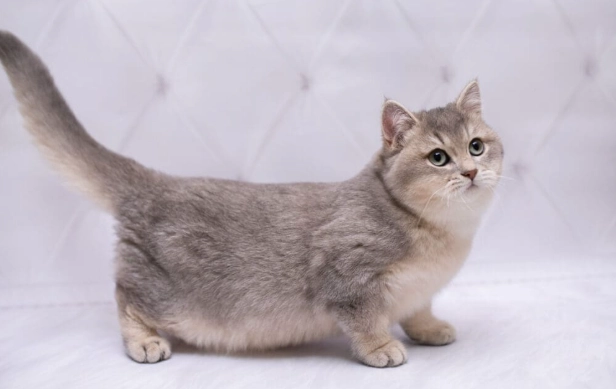
Let's start with the obvious: the legs. A Munchkin cat's most defining feature is its short legs, caused by a natural genetic mutation that affects leg bone growth. This is an autosomal dominant gene, which is a fancy way of saying if a kitten inherits just one copy of the gene from a parent, it will have short legs. It's similar to the gene that gives some dog breeds like Corgis and Dachshunds their distinctive stature.
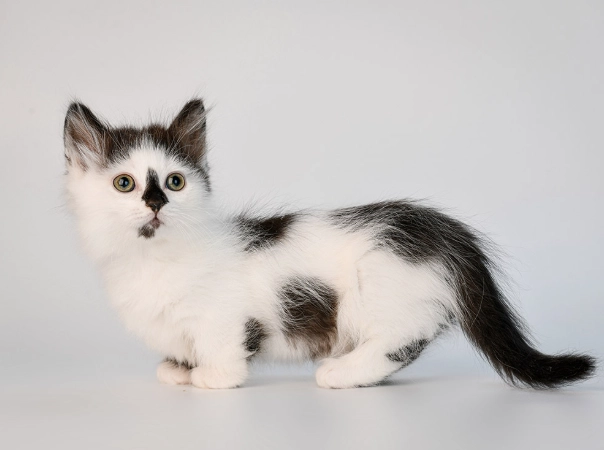
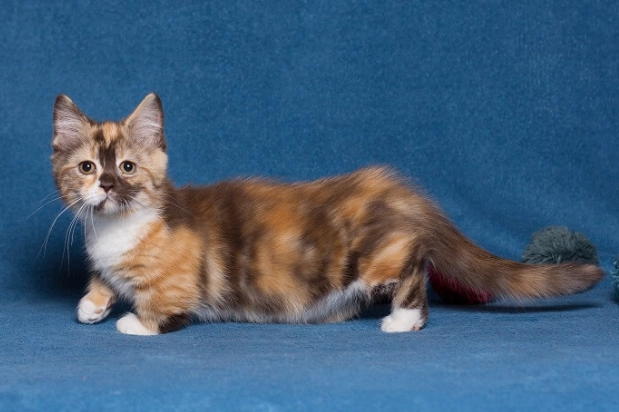
But here's the crucial part everyone misses: a Munchkin cat is not just "legs." The rest of their body is typically of normal size and proportion for a domestic cat. They have a well-muscled, medium-sized body, a tail they carry high (often like a flagpole when they're happy), and they come in every possible color and coat pattern you can imagine. Long-haired Munchkins are sometimes called "Munchkin Longhairs" and have beautiful, flowing plumes.
Quick Fact: The short-legged trait only affects the long bones in the legs. Their spine is unaffected and remains flexible and normal in structure, which is a key differentiator from some dwarfism conditions in other species that can cause spinal issues.
Their movement is unique. They don't have the fluid, slinking gait of a typical cat. Instead, they have a brisk, ground-covering walk and when they really get going, they can move surprisingly fast with a sort of ferret-like hustle. Watching them sit up on their haunches to get a better view is a common and utterly charming sight—they use their strong back legs for balance and look like tiny prairie dogs.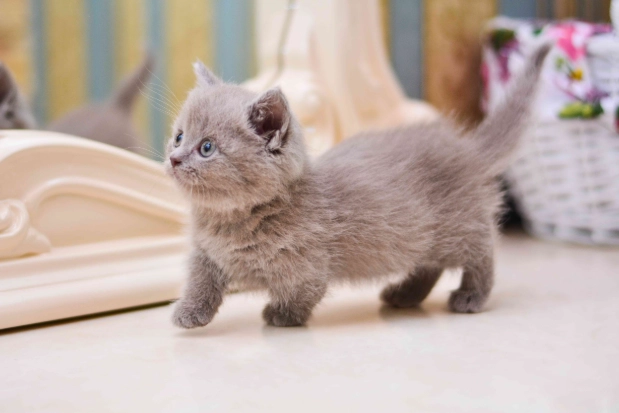
A Quick Dip Into Their History (It's More Recent Than You Think)
Unlike ancient breeds, the Munchkin cat's story as a formal breed is surprisingly modern. Stories of short-legged cats pop up in historical reports from the 1930s in Britain and the 1950s in Russia, but these lines weren't developed.
The breed as we know it began in Rayville, Louisiana, in the early 1980s. A music teacher named Sandra Hochenedel found two pregnant, short-legged cats hiding under a truck. She kept one, named her Blackberry, and half of Blackberry's kittens were born with short legs. One of those kittens, a male named Toulouse, was given to a friend, and together these cats became the foundation of the breed. The name "Munchkin" was of course inspired by the little people from *The Wizard of Oz*.
The road to recognition was bumpy, to say the least. When they were first introduced to the public via a cat show in 1991, they sparked immediate and fierce controversy. Critics hurled accusations of creating deformed animals for human amusement. Proponents argued the cats were healthy, happy, and the mutation was natural.
This debate shaped their acceptance. The International Cat Association (TICA) granted the Munchkin cat experimental new breed status in 1994, and they achieved full Championship status in 2003. However, major cat registries like the Cat Fanciers' Association (CFA) and the Fédération Internationale Féline (FIFe) still do not recognize the Munchkin, citing ethical concerns about breeding for a physical deformity. This split in the cat fancy world is a fundamental part of understanding this breed.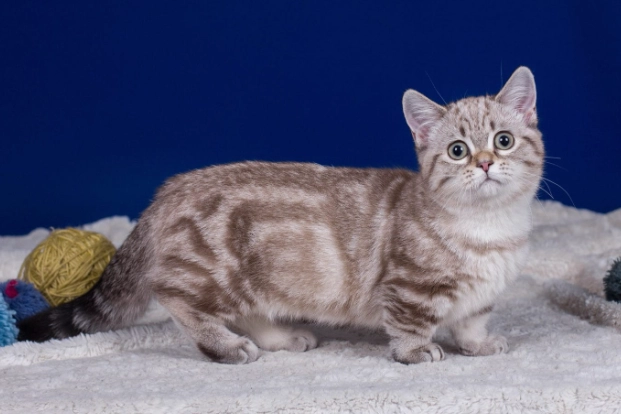
The Munchkin Personality: Big Cat Energy in a Compact Package
If you think their short legs slow them down or make them timid, prepare to be delightfully wrong. The personality of a Munchkin cat is often described as "perpetually kitten-like." They retain a playful, curious, and outgoing nature well into their senior years.
They are incredibly social and people-oriented. Many owners describe them as velcro cats—they want to be where you are, involved in what you're doing. Don't be surprised if yours follows you from room to room, hops up (yes, they can jump!) onto a nearby chair to supervise your cooking, or tries to "help" with your paperwork.
They are also known for a quirky behavior called "hoarding." They have a tendency to take small, shiny objects like jewelry, pen caps, or bottle tabs and stash them in a secret place. It's not malicious; it's more like collecting treasures. If you're missing an earring, check under the couch or in a corner of the closet first.
Now, a personal observation that not all fan sites will highlight: this high social drive means they can be prone to separation anxiety if left alone for very long hours regularly. They often do best with another pet for company, whether it's another cat (Munchkin or otherwise) or even a dog. A solo Munchkin in an empty apartment all day might get lonely and develop destructive habits.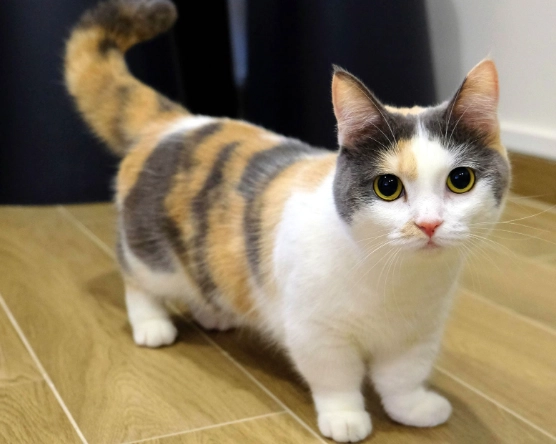
In their own words: "My Munchkin, Milo, has two modes: turbo-charged play session and dead-weight nap on my lap. There's no in-between. He'll fetch his little mouse toy until *I* get tired, and then he'll curl up and purr like a motorcycle. His legs have never stopped him from getting onto the couch or the bed—he just uses the strategically placed footstool I got him as a launch pad." – Sarah, Munchkin owner for 5 years.
The Big Question: Are Munchkin Cats Healthy?
This is the most critical section and the heart of the controversy. Let's address it head-on, without hype.
The primary health concern associated with the Munchkin cat gene is lordosis and pectus excavatum. Lordosis is an excessive curvature of the spine, and pectus excavatum is a hollowed chest. It's important to know that these conditions can occur in any cat breed, but some studies suggest there may be a higher incidence in Munchkins. However, reputable breeders rigorously screen their breeding cats to avoid propagating these issues.
Here’s where I have to be straight with you. The internet is full of extreme claims. Some say all Munchkins are doomed to a life of pain and arthritis. This is not supported by broad veterinary evidence. Others claim they have zero health problems related to their legs, which is also an oversimplification.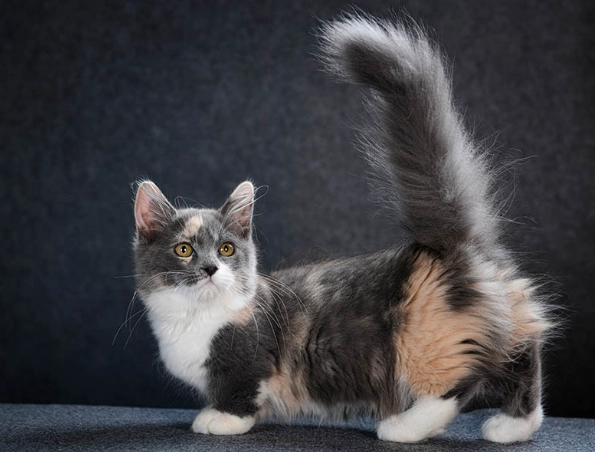
The consensus among many veterinarians who see them regularly is that a well-bred Munchkin cat, kept at a healthy weight, can live a full, active, and pain-free life. The key phrases are "well-bred" and "healthy weight." Their joints don't have to support a disproportionate body—their body is normal-sized. The potential risk for osteoarthritis may be slightly higher than in an average-legged cat, but it's not a foregone conclusion. Keeping them slim is the single most important thing an owner can do.
Critical Warning: The unethical breeding of ANY cat breed is a huge problem. With Munchkins, it's amplified because of demand. Backyard breeders or kitten mills may breed Munchkins to Munchkins (which can be done ethically with care, but often isn't) or fail to screen for health issues, leading to kittens with real problems. This is why choosing a responsible breeder is non-negotiable.
They are prone to the same common feline ailments as any other cat: dental disease, hypertrophic cardiomyopathy (a heart condition), and kidney issues later in life. Regular vet check-ups are essential.
For authoritative information on general feline skeletal health, resources like the Veterinary Partner website provide excellent, vet-authored guides. For breed-specific genetic research, the research portals of veterinary colleges often publish studies.
Caring for Your Munchkin Cat: A Practical Daily Guide
Caring for a Munchkin isn't wildly different from caring for any cat, but a few tweaks can make their life much easier and safer.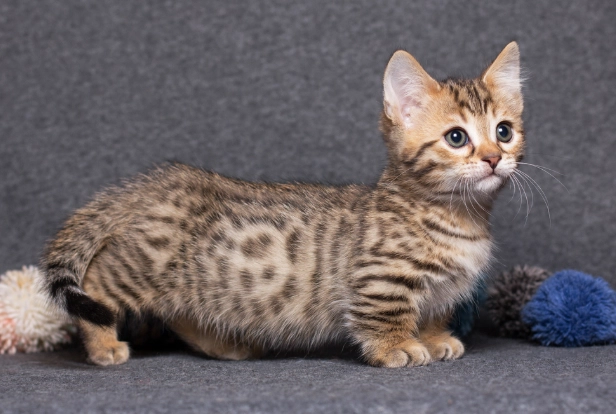
Grooming & Hygiene
This depends entirely on coat length. Short-haired Munchkins are low-maintenance; a weekly brush is plenty. Long-haired Munchkin cats require a more committed routine—brush them several times a week to prevent painful mats and tangles, especially around the hindquarters where their shorter legs might make self-grooming tricky. Pay special attention to keeping their rear end clean, as their stature can sometimes make it harder for them to stay pristine after using the litter box.
Feeding & Weight Management
This is the cornerstone of Munchkin cat care. Obesity is your enemy. Extra weight puts immense strain on their shorter legs and spine. Measure their food portions carefully based on your vet's recommendation, factoring in age and activity level. High-quality, protein-rich food is best. Avoid free-feeding (leaving a bowl of kibble out all day). Interactive puzzle feeders are a great way to make mealtime engaging and slow down fast eaters.
Exercise & Play
Never underestimate their need to play! They are energetic and smart. Provide plenty of interactive toys: wand toys, laser pointers (always end with a physical toy they can "catch"), and balls they can chase. Cat trees with low-to-medium platforms are excellent. While they can jump, their vertical leap is less than a typical cat's, so ensure their favorite perches are accessible via steps or furniture arrangement.
Environment & Safety
Think of your home from their perspective. Provide sturdy, stable steps or pet ramps to help them access beds or favored window sills. Ensure litter boxes have low sides for easy entry (though many have no trouble with standard boxes). Like all cats, keep them indoors to protect them from traffic, disease, and other animals.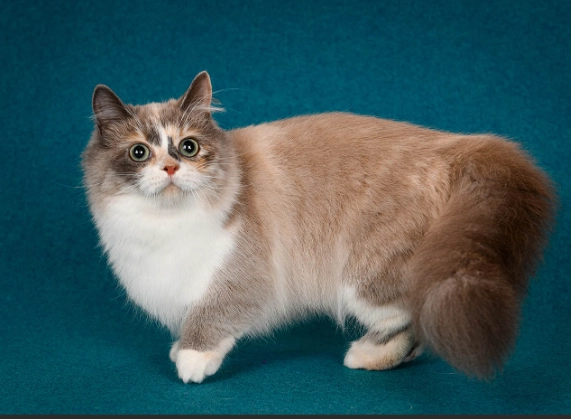
Munchkin Cat vs. Other Cats: A Quick Comparison
How does the Munchkin stack up against other popular breeds or mixes? This table breaks down some key considerations.
| Aspect | Munchkin Cat | Common Domestic Shorthair | Scottish Fold (for comparison on "unique trait") |
|---|---|---|---|
| Key Physical Trait | Short legs, normal-sized body | Variable, standard proportions | Folded ears, can have joint cartilage issues |
| Energy Level | High, playful, kitten-like | Variable, often moderate | Generally calm, placid |
| Social Needs | Very high, can get lonely | Variable | High, affectionate |
| Grooming Needs | Low (shorthair) to High (longhair) | Low | Low to Moderate |
| Potential Health Focus | Weight management, possible lordosis | General feline health | Osteochondrodysplasia (joint/bone disease) |
| Good for First-Time Owners? | Yes, if committed to weight control & activity | Often ideal | Yes, but must seek ethical breeder due to fold gene issues |
 The comparison isn't about "better" or "worse," but about fit.
Answering Your Burning Questions About Munchkin Cats
Let's tackle the specific things people type into Google.
Are Munchkin cats in pain?
This is the number one question. A healthy, well-bred Munchkin cat kept at an ideal weight should not be in chronic pain. Signs of pain in any cat include lethargy, loss of appetite, hesitation to jump or move, irritability, and over-grooming a specific spot. If you suspect your cat is in pain, see a vet immediately. The ethical debate revolves around potential *future* risks, not a guarantee of suffering.
How long do Munchkin cats live?
With proper care, a Munchkin cat's lifespan is typically 12-15 years, which is standard for a domestic cat. Some live well into their late teens. Genetics, diet, environment, and preventative healthcare are the biggest factors.
Can Munchkin cats run and jump?
Yes, absolutely! They run with a distinctive, fast bunny-hop gait. They can jump, but not as high as a cat with longer legs. They are masters of problem-solving—using furniture, steps, or even a running start to get to higher places. They are not helpless.
Are Munchkin cats good with kids and other pets?
Generally, yes. Their outgoing and playful nature often makes them great companions for gentle, respectful children. They usually get along well with other cats and cat-friendly dogs due to their social personality. Always supervise early interactions.
How much does a Munchkin cat cost?
Here's the sticker shock. From a responsible, TICA-registered breeder who does health testing, you can expect to pay between $1,000 and $2,500 or more, depending on pedigree, coat, and location. The very low price from online classifieds is a major red flag for unethical breeding. Adoption is possible but rare; check breed-specific rescues or general shelters and describe what you're looking for.
Is it ethical to buy a Munchkin cat?
This is a personal decision you must make after research. The ethical concerns are real and held by many veterinarians and welfare organizations. The pro side argues that responsible breeding of healthy lines minimizes risks and that the cats themselves are happy and adaptable. If you proceed, your ethical duty is to: 1) Choose a breeder who prioritizes health over looks, openly discusses risks, and provides health guarantees. 2) Commit to a lifetime of weight management and vet care. 3) Spay/neuter your pet to prevent supporting backyard breeding.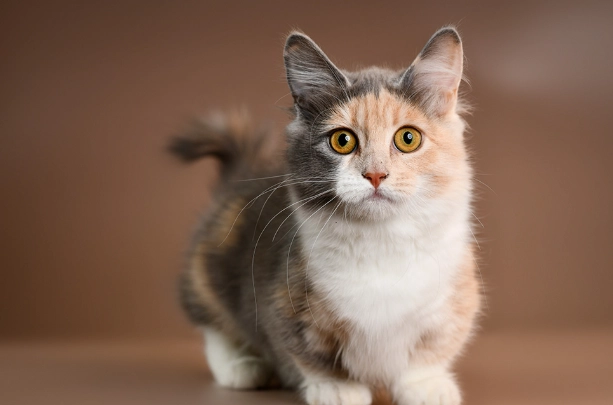
Final Thoughts: Is a Munchkin Cat Right For You?
After all this, the decision comes down to your lifestyle and values. A Munchkin cat might be a fantastic fit if you:
- Want a highly social, interactive, and playful companion.
- Are home a fair amount or can provide a pet friend for them.
- Are vigilant about diet and weight control.
- Are prepared for potential (not guaranteed) higher vet costs for joint monitoring as they age.
- Have done deep research and are comfortable with the ethical considerations of sourcing one.
You might want to reconsider if:
- You want a low-energy, independent cat.
- You travel frequently or are gone for 10+ hours a day regularly.
- The ethical debate gives you significant pause (listen to that feeling).
- You are not prepared for the financial commitment of a potential purebred purchase and associated care.
At the end of the day, Munchkin cats are individuals. They're not just a meme or a controversial topic. They are living beings with quirks, love to give, and specific needs. If you choose to welcome one, do it with your eyes wide open, a commitment to their well-being, and a heart ready for a huge dose of big personality on little legs.
My friend's cat Gizmo is now ten years old. He's a bit slower, prefers a warm lap to crazy sprints, but he still rules the roost. He's lived a full, happy life. That's the goal for any cat, short-legged or not: a life full of love, care, and respect for who they are.