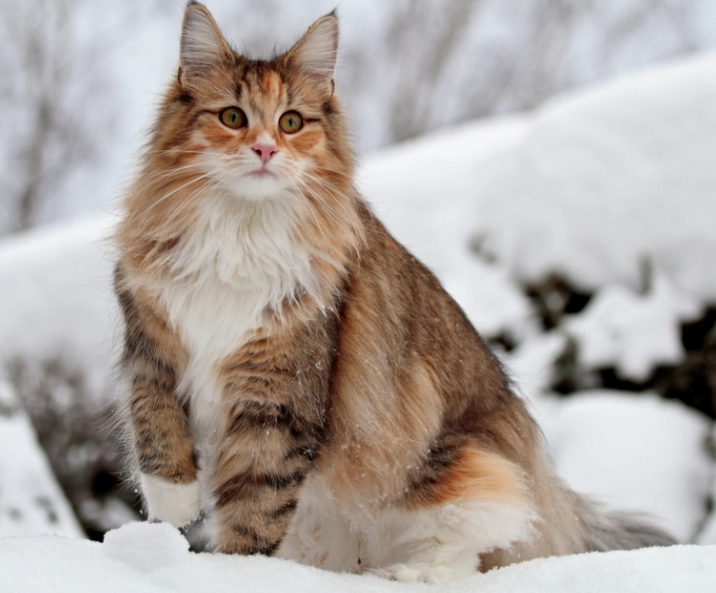
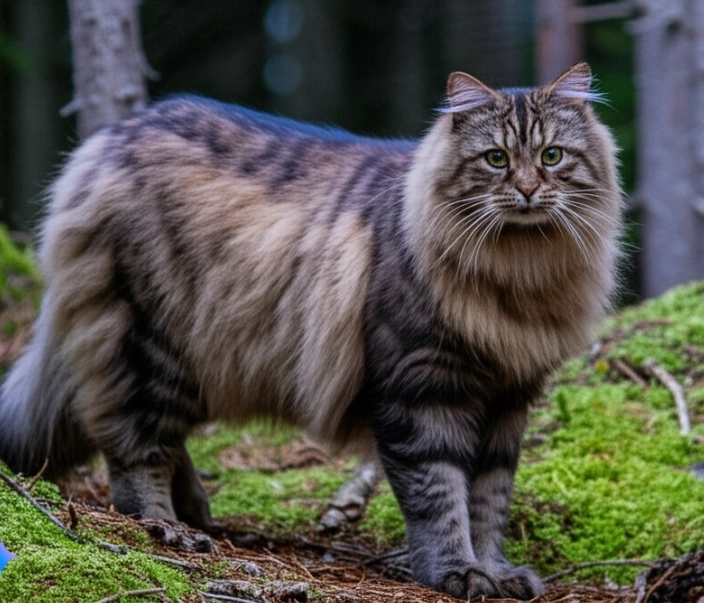
Norwegian forest cats are big. Really big. If you've ever seen one in person, you know—they're not just fluffy, they're substantial animals that can weigh over 20 pounds. But why? It's not random; it's a mix of genetics, evolution, and a bit of human influence. Let's cut to the chase: these cats evolved in Norway's harsh forests, where size meant survival, and that legacy is written in their DNA.
What's Inside: A Quick Guide
The Genetic Blueprint Behind Their Size
Genetics play the biggest role. Norwegian forest cats have specific genes that promote large size, like variations in the IGF-1 (insulin-like growth factor 1) gene, which influences growth in mammals. Studies on cat genetics, such as those referenced by The International Cat Association, show that selective breeding in Scandinavia preserved these traits. But here's something most articles miss: it's not just one gene. It's a combination of multiple genes affecting bone density, muscle mass, and even fur thickness, which makes them appear larger.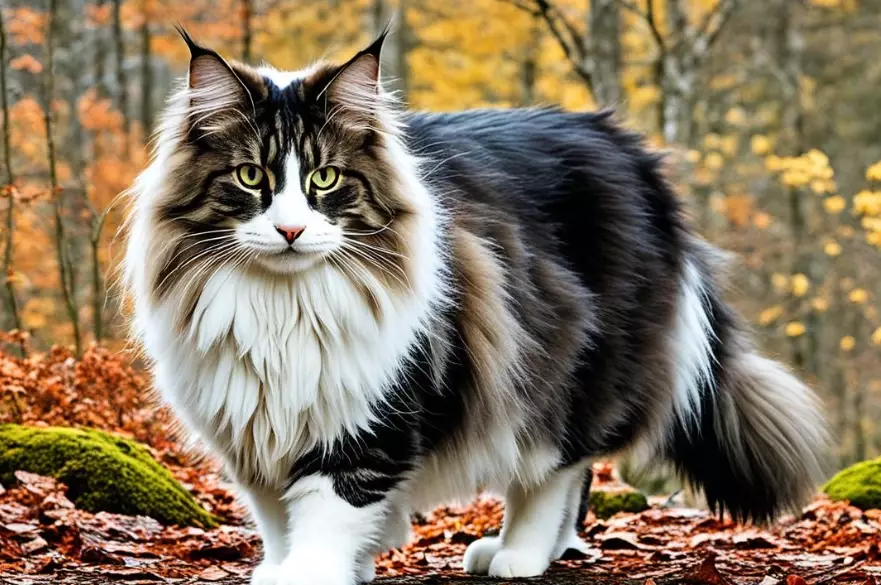
I spoke to a breeder in Oslo who's been working with these cats for decades. She pointed out that newcomers often confuse size with obesity. A healthy Norwegian forest cat should have a solid frame, not a fat belly. The genetics ensure a robust skeleton—think broad chest and strong legs—that supports their weight naturally.
Key Genes at Play
Research indicates genes related to growth hormone receptors are more active in large breeds. For Norwegian forest cats, this means slower maturation but eventual larger size. They take up to five years to fully grow, unlike smaller breeds that stop at one year. That prolonged growth period allows for more muscle and bone development.
How Evolution Shaped These Forest Giants
Evolution is the other half of the story. Norwegian forest cats originated in Scandinavia, where winters are brutal. Larger bodies retain heat better, a classic example of Bergmann's rule in ecology. Bigger cats had a survival advantage in the cold, hunting rodents in deep snow. Their thick, water-resistant fur adds to the illusion of size, but underneath, it's the frame that counts.
Historical records from Viking times suggest these cats were ship mousers, and only the toughest survived long voyages. Natural selection favored size and strength. I visited a farm in Norway where wild-type forest cats still roam; they're noticeably stockier than domestic shorthairs, with paws built for climbing icy trees.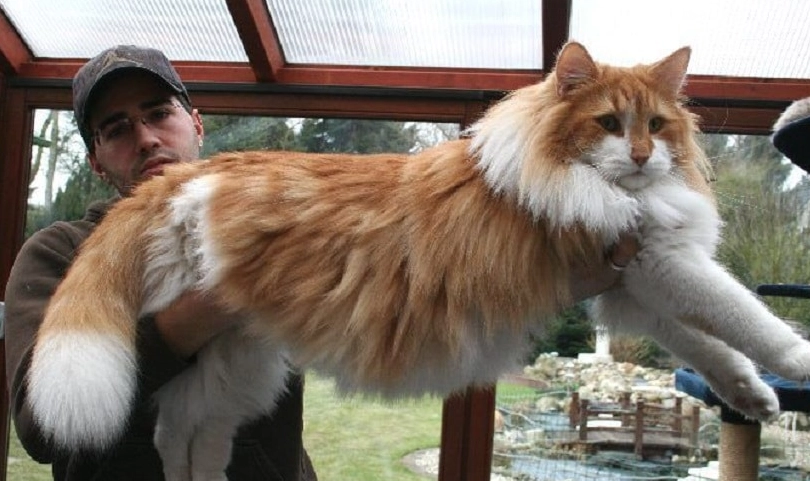
Fun fact: Some myths say they're descended from lynxes, but genetic testing debunks that. They're pure domestic cats, just adapted to an extreme environment.
Size Showdown: Norwegian Forest Cats vs Other Breeds
How do they stack up against other large cats? Let's look at the numbers. This table compares average weights and key traits.
| Breed | Average Weight (Male) | Average Weight (Female) | Notable Features |
|---|---|---|---|
| Norwegian Forest Cat | 13-22 lbs | 9-18 lbs | Thick double coat, muscular build |
| Maine Coon | 13-18 lbs | 8-12 lbs | Long tail, rectangular body |
| Siberian Cat | 12-18 lbs | 8-12 lbs | Hypoallergenic fur, robust |
| Ragdoll | 12-20 lbs | 8-15 lbs | Docile, color-point coat |
Notice that Norwegian forest cats are on the heavier end, especially males. But size isn't just weight—it's proportion. Their legs are slightly shorter relative to their body, giving a stockier appearance. I've seen Maine Coons that are taller but leaner, while Norwegians feel more dense.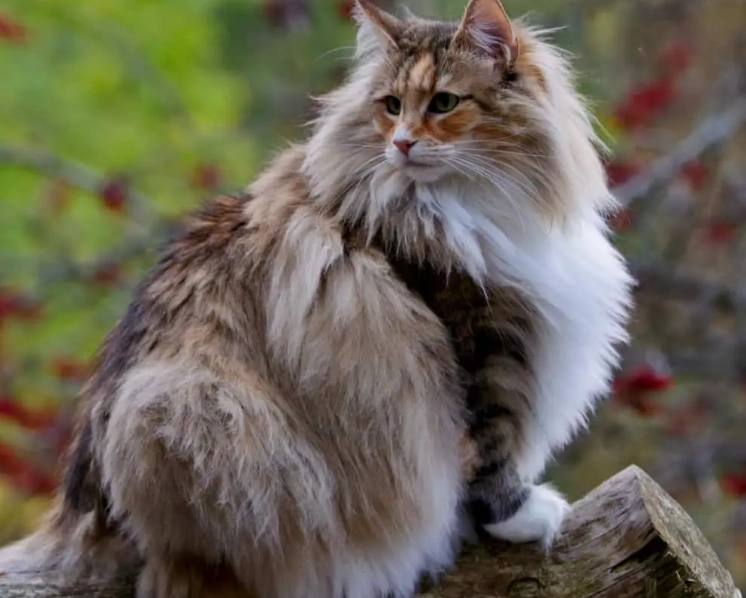
Practical Care for Your Large Companion
Owning a big cat comes with responsibilities. First, diet: they need high-protein food to maintain muscle, but portion control is critical. Overfeeding is a common mistake; I've met owners who think "big cat equals big meals," leading to obesity. Consult your vet for a feeding plan based on activity level.
Exercise is non-negotiable. These cats are active climbers. Provide tall cat trees or wall shelves. A bored Norwegian forest cat might resort to destructive behavior, like scratching furniture. I installed a ceiling-high cat tree for mine, and it cut down on unwanted climbing on curtains.
Grooming Tips
Their thick fur requires weekly brushing to prevent mats. During shedding season, daily brushing helps. Use a stainless-steel comb—it's worth the investment. Neglect grooming, and you'll face hairballs and skin issues.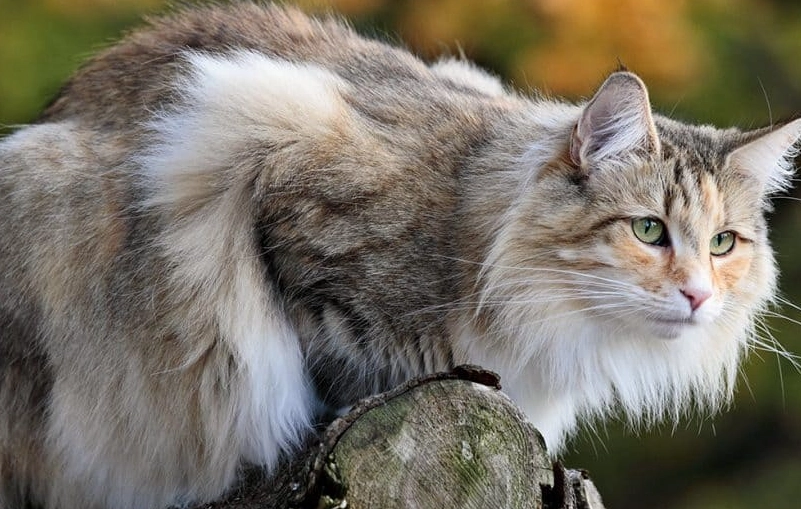
Debunking Common Myths
Myth 1: They're part wild animal. Nope, genetic studies show they're fully domesticated, with no recent wild ancestry. Myth 2: Bigger means meaner. Actually, they're known for gentle, friendly temperaments. Myth 3: They need outdoor space to thrive. While they enjoy exploration, they can live indoors with proper enrichment. I've seen them adapt to city apartments just fine.
One myth that irritates me is that they're lazy. Sure, they nap a lot, but they have bursts of energy, especially at dawn. Don't underestimate their playfulness.
Your Questions Answered
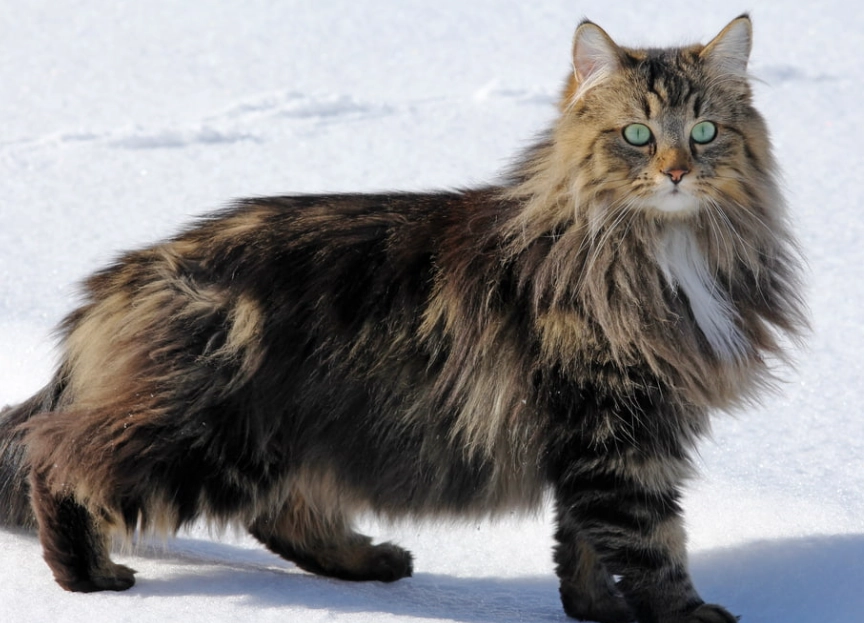
Wrapping up, Norwegian forest cats are big for solid reasons—genetics carved by evolution. If you're considering one, embrace their size as part of their charm, but stay vigilant on care. They're not just pets; they're living pieces of Scandinavian history.