Quick Navigation
- What Actually Causes Cat Allergies? (Hint: It's Not Just the Hair)
- The Hairless Cat Reality: Sphynx and Skin Care
- Other "Low-Allergen" Cat Breeds: How Do They Compare?
- Managing Allergies with a Hairless Cat: A Practical Action Plan
- Common Questions (The Stuff You're Actually Searching For)
- The Verdict: Is a Hairless Cat Right for You?
So you're thinking about getting a cat, but your allergies are holding you back. Maybe a friend suggested a hairless cat, or you saw a picture of a Sphynx online and fell in love with those big ears and wrinkled skin. The idea is tempting, right? A cat without fur must mean no allergies. It seems like the perfect solution. I get it. I've been there, talking to breeders, visiting homes with cats, and trying to figure out if I could finally have a feline friend without the constant sneezing.
Let's cut to the chase. The term "hairless cat hypoallergenic" is everywhere, but it's also one of the most misunderstood phrases in the pet world. It's not a simple yes or no answer. It's a big, complicated "it depends." And if you're serious about bringing one of these unique creatures into your life, you need the full picture, not just the marketing spiel.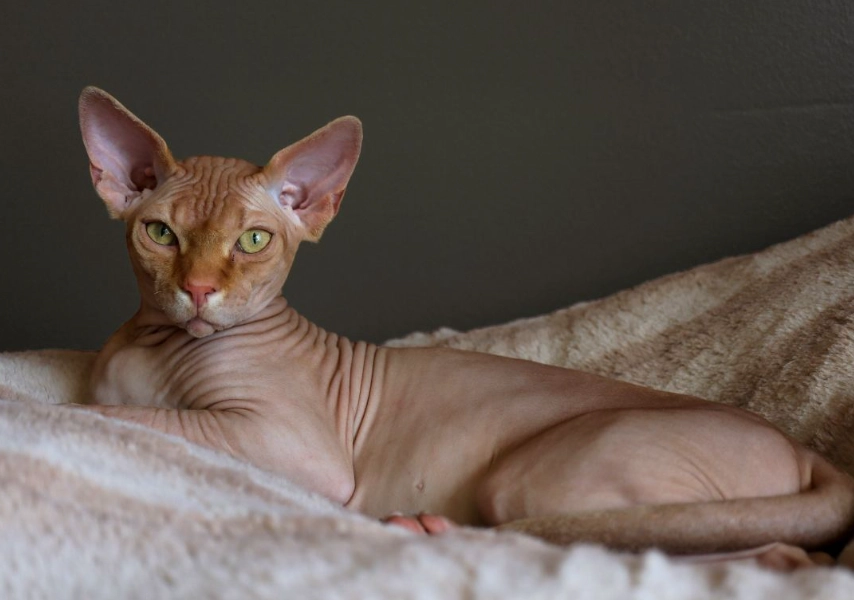
The Core Idea: No cat is 100% hypoallergenic. The goal with hairless breeds like the Sphynx is to be low-allergen or hypoallergenic, meaning they are less likely to trigger reactions in allergy sufferers. The difference is crucial for setting realistic expectations.
What Actually Causes Cat Allergies? (Hint: It's Not Just the Hair)
This is where most people get it wrong. We blame the fur. We see floating cat hair and assume that's the enemy. In reality, the primary culprit is a protein called Fel d 1. Cats produce this protein in their saliva, skin (sebaceous glands), and, to a lesser extent, their urine. When a cat grooms itself, the saliva dries on its fur and skin, and the Fel d 1 protein becomes airborne on tiny, microscopic flakes of skin called dander.
Think of dander like super-light dandruff. It's so small it can stay suspended in the air for hours and cling to carpets, furniture, and clothing. This is why you can walk into a home with a cat and start reacting even if the cat is in another room. The allergen is already in the environment.
So, where does the "hairless" part come in? Since hairless cats like the Sphynx have little to no fur, there's less surface area for the dried saliva and dander to cling to and be dispersed around your house. Less hair means fewer "allergen carriers" being shed all over your couch. That's the theory, anyway. But—and this is a big but—they still have skin. They still produce saliva. They still produce the Fel d 1 protein. The dander is still there.
In fact, because their skin is exposed and can be oilier (more on that later), some people find that hairless cat dander is actually more present in their environment if the cat isn't bathed regularly. It's a trade-off.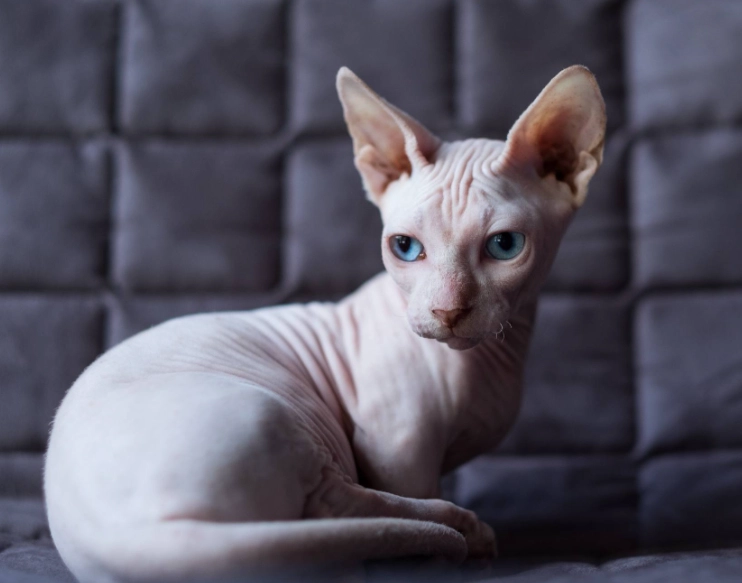
Myth Buster: "Hairless cats don't cause allergies." This is false. They can and do cause allergic reactions. The hope is that the reaction will be milder or more manageable compared to a long-haired cat.
The Hairless Cat Reality: Sphynx and Skin Care
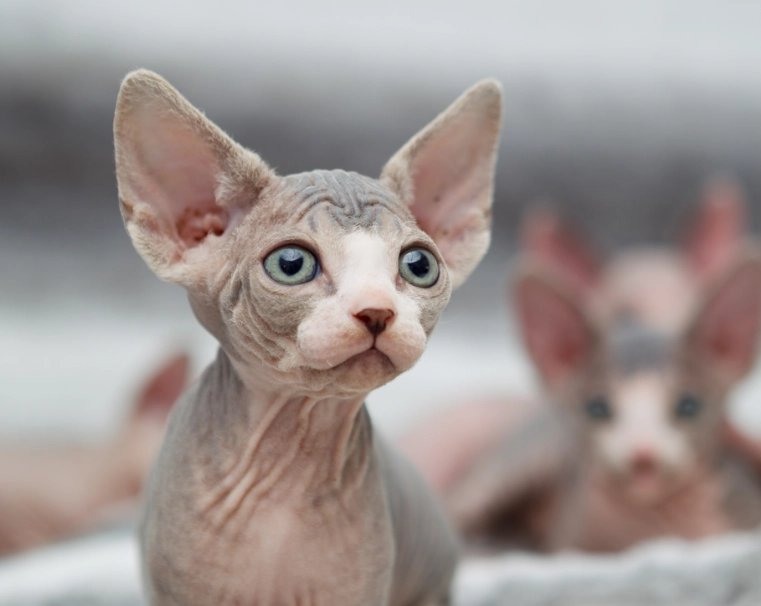
The Sphynx is the poster child for the hairless cat hypoallergenic claim. But owning a Sphynx is not a passive experience. It's high-maintenance in ways you might not expect.
Their skin isn't like ours. Without fur to absorb oils, they can get quite greasy. This oily residue, which contains the Fel d 1 protein, can build up on their skin and transfer to your clothes, your blankets, and your skin. To manage this and keep allergen levels lower, most Sphynx owners need to bathe their cat weekly or bi-weekly. It's not optional; it's essential for their health and for keeping your allergies in check.
I remember talking to a Sphynx breeder who told me, "If you're not prepared to give regular baths, don't get a Sphynx. You'll both be miserable." She wasn't kidding. It's a commitment.
Beyond bathing, you need to clean their ears more often (they have no hair in their ears to protect them from wax buildup) and keep them warm. They get cold easily! You'll find yourself buying sweaters and making sure they have warm spots to sleep.
Pro Tip for Allergy Management: Wiping your Sphynx down with a damp, hypoallergenic pet wipe between baths can help remove excess oils and dander from their skin, potentially reducing airborne allergens. It's a quick five-minute task that can make a difference.
Other "Low-Allergen" Cat Breeds: How Do They Compare?
The Sphynx isn't the only player in the game. Several other breeds are often recommended for allergy sufferers because they produce less Fel d 1 protein or have coats that trap dander more effectively. Let's see how a hairless cat hypoallergenic claim stacks up against some other popular options.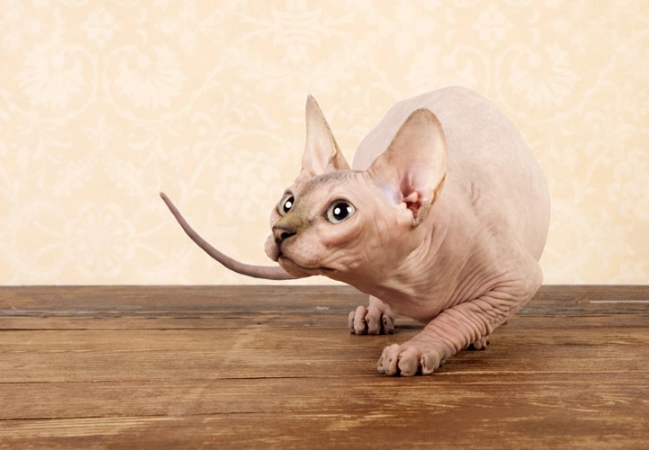
| Breed | Coat Type | Why It's Considered Low-Allergen | Maintenance Level |
|---|---|---|---|
| Sphynx | Hairless, fine down | Minimal hair shedding reduces airborne dander carriers. Requires frequent bathing to manage skin oils/dander. | Very High (weekly baths, skin/ear care) |
| Russian Blue | Short, dense double coat | Reported to produce lower levels of Fel d 1 protein. Their dense coat may trap dander close to the skin. | Moderate (weekly brushing) |
| Balinese | Long, silky single coat | Produces less Fel d 1 protein than many breeds (a genetic trait). Still have long hair that sheds. | High (frequent brushing to prevent mats) |
| Devon Rex | Short, curly, wavy coat | Very fine, sparse coat that sheds less. They still produce allergens but may spread them less. | Moderate (occasional bathing needed due to oily skin) |
| Siberian | Long, thick triple coat | Some studies and anecdotal reports suggest a significant portion of Siberians produce lower Fel d 1. Not guaranteed. | Very High (daily brushing during shedding) |
Looking at this, the hairless cat's advantage is clear in one column: no hair to shed everywhere. But the maintenance column tells a different story. You're trading vacuuming for bath time. Which is worse for you? That's a personal call.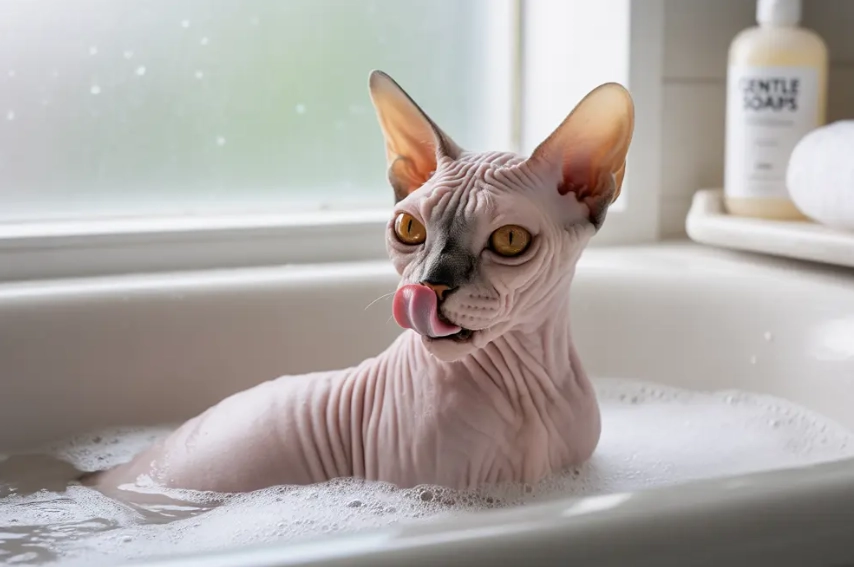
The Individual Cat Factor
Here's something breeders and vatos will tell you: allergen levels vary from cat to cat, even within the same litter. It's not just about breed. A specific Sphynx might produce more Fel d 1 than a specific Siberian. There's no way to know for sure without spending time with the individual animal.
This is why the number one advice from anyone who knows about this is: SPEND TIME WITH THE CAT BEFORE YOU COMMIT. If you're working with a reputable breeder, ask if you can visit multiple times. See if you can gently rub your face on the cat (sounds weird, I know) and wait to see if you react. A good breeder will understand and support this.
Managing Allergies with a Hairless Cat: A Practical Action Plan
Let's say you've done your visit, you've found a Sphynx that seems to work for you, and you're ready to bring it home. Getting the cat is just step one. Managing your environment is step two, three, and four. A multi-pronged approach is your best bet.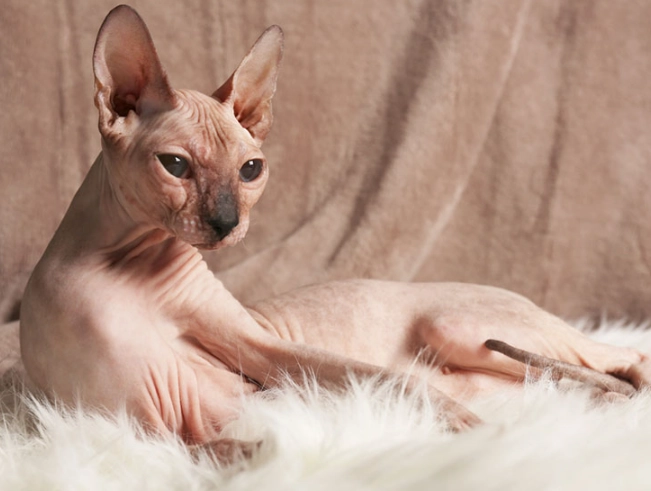
First, the cat's hygiene. We've covered baths. Use a gentle, hypoallergenic shampoo recommended by your vet. Frequent bathing can dry out their skin, which might make it produce more oil, so finding the right balance is key.
Second, your home's hygiene.
- Invest in a HEPA Air Purifier: This is non-negotiable for many allergy sufferers. A true HEPA filter can capture the tiny dander particles floating in the air. Put one in the room where the cat spends most of its time, usually the bedroom or living room. The American Academy of Allergy, Asthma & Immunology (AAAAI) recommends air filtration as a key strategy for reducing indoor allergens.
- Vacuum Relentlessly with a HEPA Filter Vacuum: Don't just push dust around. A vacuum with a sealed HEPA system will trap the allergens inside. Do this at least twice a week.
- Wash Everything: The cat's bedding, your bedding, any blankets it sleeps on—wash them in hot water weekly.
- Create Cat-Free Zones: This is tough, but making your bedroom a sanctuary where the cat is not allowed can give your immune system a break for 8 hours a day.
Third, consider your own health. Talk to an allergist. They might recommend over-the-counter antihistamines, nasal sprays, or even allergy shots (immunotherapy) which can gradually desensitize you to specific allergens like Fel d 1.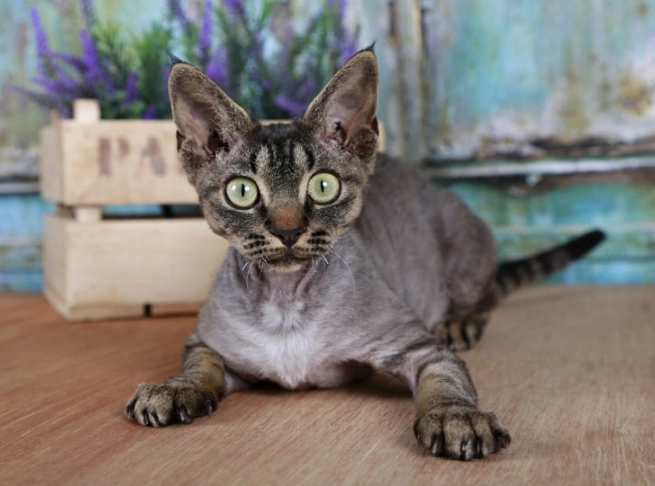
Common Questions (The Stuff You're Actually Searching For)
The Verdict: Is a Hairless Cat Right for You?
After all this, where do we land on the hairless cat hypoallergenic question?
If you have severe, life-threatening asthma or allergies triggered by cats, no cat is truly safe. The risk is too high. Please prioritize your health.
If you have mild to moderate allergies and are willing to put in significant, ongoing work, then a hairless cat might be a possibility. The keyword is "might." You must be prepared for the high maintenance: the baths, the cleaning, the potential vet bills for skin issues. You must be prepared for the possibility that even with all that effort, you might still react. It's a gamble.
For some people, it's a gamble that pays off beautifully. They find a perfect companion and their allergies stay manageable. For others, it ends in heartbreak when they have to rehome the cat. I know someone in the latter category, and it was devastating for everyone involved.
My final, personal take? The "hypoallergenic" label on hairless cats is more of a marketing advantage than a medical guarantee. It gets people in the door. The reality is more nuanced and demands more responsibility from the owner. Don't get a Sphynx just because you think it won't make you sneeze. Get a Sphynx because you love their quirky personality (they're often described as dog-like, energetic, and affectionate), you're fascinated by their appearance, and you are fully ready for the unique care they require. If the potential allergy benefit comes as a bonus after all that, then you're in the right mindset.
Do your homework. Visit breeders. Talk to owners. Spend time with the cats. And be brutally honest with yourself about the level of commitment you're signing up for. That's the only way to know if the hairless cat hypoallergenic dream can become a happy reality in your home.
For more detailed information on cat breed standards and responsible ownership, you can refer to resources like the Cat Fanciers' Association (CFA) or The International Cat Association (TICA).