Quick Navigation
- The Genetics Behind the Glimmer: How Cats Get That Silver Coat
- Meet the Tabby Patterns: It's Not Just Stripes
- Popular Cat Breeds That Commonly Come in Silver Tabby
- Personality: Does Coat Color Determine Temperament?
- Caring for That Beautiful Silver Coat
- Finding a Silver Tabby Cat: Breeder, Shelter, or Luck?
- Common Questions About Silver Tabby Cats (FAQs)
- Wrapping It Up: The True Identity of a Silver Tabby
If you've ever found yourself asking, "What kind of cat is a silver tabby?" you're definitely not alone. I remember the first time I saw one at a friend's house—a stunning cat with what looked like dark charcoal stripes painted over a shimmering, pale grey background. It was majestic. I immediately assumed it was some fancy, rare breed. Turns out, I was wrong, and that misconception is super common.
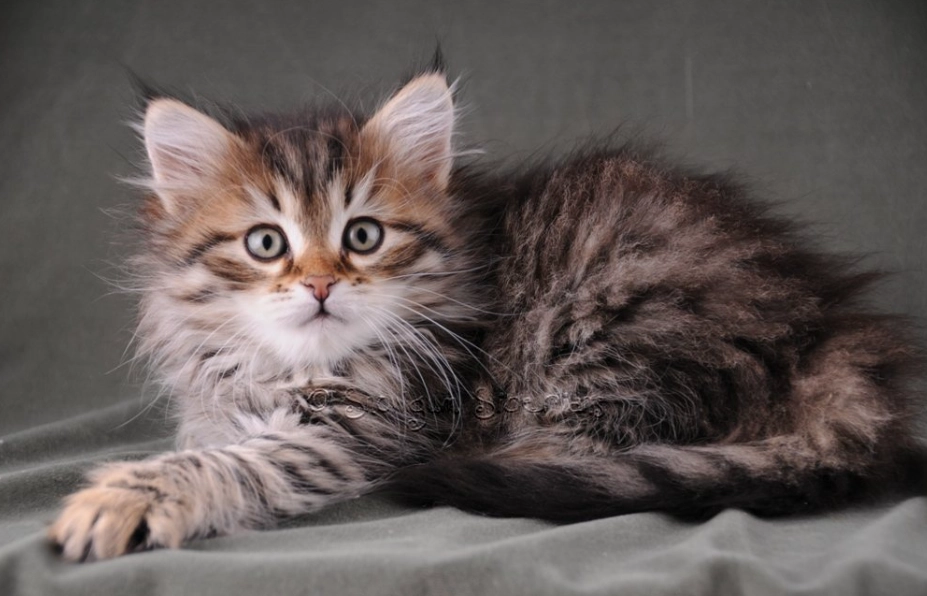
Here’s the big thing you need to know right off the bat: "silver tabby" is not a breed of cat. It never has been. It’s a description of a cat's coat color and pattern. Think of it like saying someone has "blonde hair"—it tells you about their appearance, not their nationality. A silver tabby can be a Maine Coon, an American Shorthair, a Scottish Fold, or even a common domestic shorthair. The "silver" refers to the pale, almost white undercoat color, and the "tabby" refers to the distinctive striped, spotted, or swirled pattern on top. So when someone wonders what kind of cat a silver tabby is, the most accurate answer is: it could be many kinds, all wearing a particularly beautiful fur coat.
The Genetics Behind the Glimmer: How Cats Get That Silver Coat
Okay, let's get a bit sciencey, but I promise to keep it simple. That beautiful silver look isn't random magic; it's all down to cat genetics. The silver effect is primarily caused by what's called the "inhibitor gene" (symbolized as 'I'). This clever little gene works by inhibiting the production of yellow and red pigment (pheomelanin) in the hair shaft. What's left is the black or dark pigment (eumelanin), but only at the tips of the hairs.
The result? Each individual hair has a pale, almost colorless base and a colored tip. When the colored tips form the tabby pattern (stripes, spots, etc.) against the pale background, you get the classic silver tabby contrast. The shade of silver can vary a lot. A "black silver" tabby will have deep black markings on a cool, icy white background. A "blue silver" tabby (which is stunning) has grey-blue markings on a creamier off-white background.
It’s more complex than just a single gene, of course. The width of the colored band on each hair and the overall density of the pattern play a role. This is why some silver tabbies look almost frosty white with delicate dark lines, while others have a more smoky, grey base. If you're a genetics nerd, you can dive deeper into the specifics on resources like the UC Davis Veterinary Genetics Lab cat coat color page. They break down the science in a way that’s actually understandable.
Meet the Tabby Patterns: It's Not Just Stripes
When people hear "tabby," they usually think of tiger stripes. But the tabby pattern comes in four classic types, and a silver coat can showcase any of them. This variety is a big part of what makes answering "what kind of cat is a silver tabby?" so interesting—the pattern adds another layer of uniqueness.
- Mackerel Tabby: This is the classic "tiger cat." It features narrow, vertical stripes running parallel down the cat's sides, like the bones of a fish (hence 'mackerel'). The pattern usually includes a dark line running along the spine, with stripes branching down. It's clean and elegant on a silver coat.
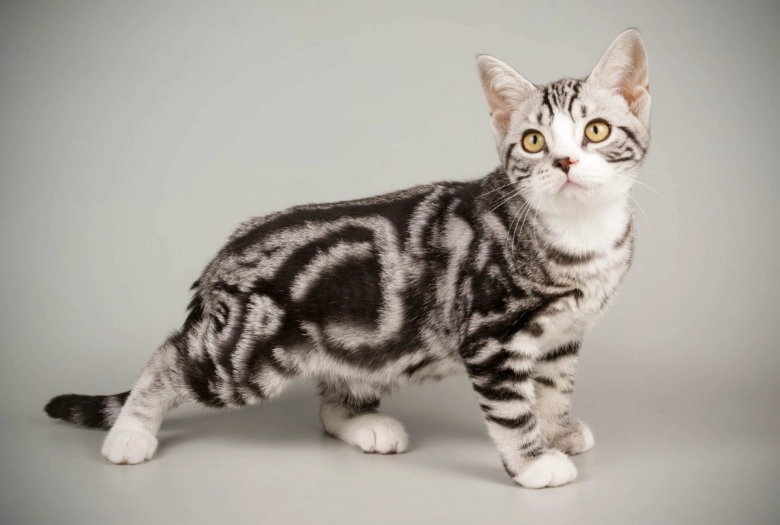
- Classic (or Blotched) Tabby: This pattern has thicker, swirling patterns that often form a distinctive "bullseye" or butterfly shape on the cat's sides. The markings are broader and more dramatic than mackerel stripes. On a silver cat, these swirls look like marbled stone—really breathtaking.
- Spotted Tabby: Instead of continuous stripes or swirls, the pattern breaks up into distinct spots of various sizes. These spots can be round, oval, or rosette-shaped. A silver spotted tabby can look remarkably like a miniature, elegant leopard.
- Ticked Tabby (Agouti): This one is subtler. From a distance, a ticked tabby might not look patterned at all, just a sandy or speckled color. But look closely at each hair, and you'll see it's banded with multiple colors. The classic example is the Abyssinian cat. A silver ticked tabby has a beautiful, shimmering, almost solid-looking pale coat with faint ghost markings on the face and legs.
Most silver tabbies you'll see are mackerel or classic. The spotted pattern is rarer and often associated with specific breeds like the Ocicat or Bengal. The ticked pattern is its own special category.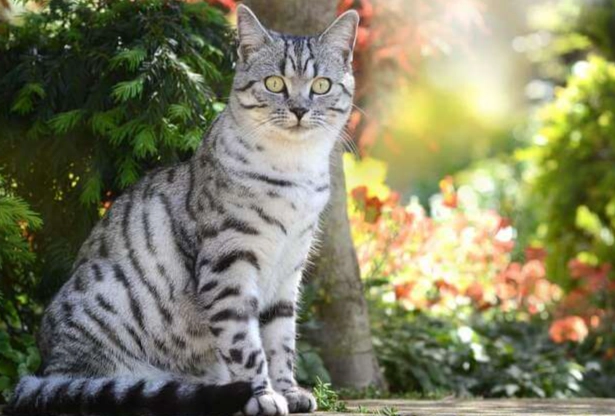
Popular Cat Breeds That Commonly Come in Silver Tabby
Now, to the heart of the question: what kind of cat is a silver tabby likely to be, breed-wise? While any cat can theoretically be a silver tabby if it has the right genes, certain pedigreed breeds have the silver tabby pattern as a recognized and cherished color variety. Here’s a rundown of some of the most common ones.
| Breed | Typical Silver Tabby Pattern | Notes & Personality Hint |
|---|---|---|
| British Shorthair | Almost always Classic (Blotched) | The quintessential "teddy bear" cat. Dense, plush coat. Known for being calm, easygoing, and a bit reserved. The silver tabby British Shorthair is incredibly popular and has a wonderfully dense, crisp coat. |
| Scottish Fold | Mackerel or Classic | Famous for their folded ears. They share a similar laid-back temperament with the British Shorthair. Their silver tabby coat is lush, and the pattern looks adorable paired with their unique ear shape. |
| Maine Coon | Any of the four patterns | The gentle giant. Silver tabby Maine Coons are spectacular, often with dramatic ear tufts and ruff. They are friendly, dog-like, and playful. A silver classic tabby Maine Coon is a show-stopper. |
| American Shorthair | Most commonly Classic | The working-class hero of the cat world, originally bred for pest control. Sturdy, healthy, and affable. The silver tabby pattern is so iconic for this breed that it's sometimes called the "Silver Classic Tabby" in show rings. |
| Norwegian Forest Cat | Usually Classic or Mackerel | Another large, long-haired breed built for cold climates. Their silver tabby coat is weather-resistant and magnificent. They are intelligent, sweet, but often retain a strong independent streak. |
| Oriental Shorthair | Any pattern, including Spotted | The sleek, vocal, and highly social cousin of the Siamese. They come in a rainbow of colors, and the silver tabby (often called "silver tabby point" if they have color on extremities) is sleek and striking. |
| Domestic Shorthair/Longhair | Any pattern | The most common answer to "what kind of cat is a silver tabby?" Your average, non-pedigree moggie. They are a genetic mix, so their personality and looks vary wildly, but a silver tabby domestic cat can be just as beautiful and loving as any purebred. |
I have a soft spot for Domestic Shorthairs. My first cat as an adult was a silver mackerel tabby domestic shorthair named Smokey I found at a shelter. He had the personality of a grumpy old man in a kitten's body and lived to be 19. His coat was never as "perfect" as a show cat's, but the shimmer in the sunlight was just as real. It goes to show you don't need a pedigree to have a stunning silver tabby cat.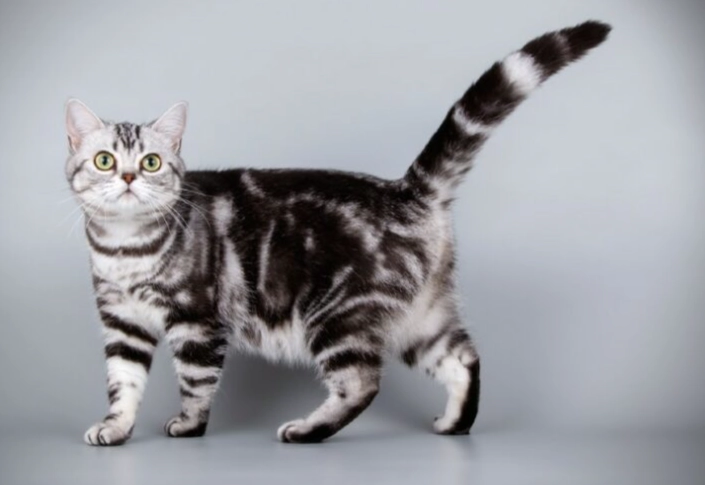
Personality: Does Coat Color Determine Temperament?
This is a hot topic. You'll hear anecdotes about torties being feisty ("tortitude") or orange cats being mellow. But is there any truth to it for silver tabbies? The short answer is: not really because of the color itself.
A cat's personality is shaped by a huge mix of factors: genetics (breed traits being a big one), early socialization, individual experiences, and even just their unique quirks. The genes that control coat color are separate from the genes that influence brain chemistry and behavior.
However, there's a correlation, not causation, situation here. Since certain breeds are more likely to be silver tabbies, you might associate common breed traits with the color. For example, many people meet a laid-back silver tabby British Shorthair and think, "All silver tabbies are calm." What they're really seeing is a typical British Shorthair personality. A silver tabby Oriental Shorthair will be chatty and energetic, completely bucking that calm stereotype.
So, if you're choosing a cat and love the silver tabby look, focus on finding an individual (or breed) whose personality matches your lifestyle, not just its coat. A hyperactive silver tabby kitten in a quiet apartment might be a mismatch, regardless of how pretty it is.
Caring for That Beautiful Silver Coat
A silver tabby's coat isn't just for show; it needs proper care to stay shiny and healthy. The good news is, it's not excessively difficult. The care required depends much more on whether the cat is long-haired or short-haired than on the silver color itself.
Grooming Needs
For short-haired silver tabbies (like most American Shorthairs or Domestics), a quick brush once or twice a week with a rubber grooming mitt or a fine-toothed comb is plenty. This removes loose hair, distributes skin oils, and keeps that coat gleaming. During shedding seasons, you might need to brush a bit more often.
Long-haired silver tabbies (like Maine Coons or Norwegian Forest Cats) are a different story. That gorgeous, flowing silver fur can mat easily. They typically need thorough brushing several times a week with a sturdy comb designed to reach their undercoat. Neglecting this can lead to painful mats, especially under the arms and around the hindquarters.
Bathing is rarely necessary for cats, as they are excellent self-cleaners. However, some long-haired show cats get occasional baths to keep their white undercoat brilliant. For the average pet, only bathe if they get into something sticky or dirty.
Diet and Health Considerations
There's no special diet for a silver tabby cat. A high-quality diet rich in animal protein and healthy fats will support skin and coat health for any cat. Omega-3 and Omega-6 fatty acids, found in fish oils and some poultry fats, are particularly good for promoting a soft, shiny coat.
One thing to watch for, which isn't specific to silver tabbies but can be more noticeable on their pale fur, is skin issues. Allergies, fungal infections (like ringworm), or parasites can cause redness, dandruff, or hair loss. Because their undercoat is so light, any skin inflammation becomes very apparent. Regular vet check-ups and good parasite prevention (fleas, mites) are key.
I learned this the hard way with Smokey. He developed a mild allergy to a new brand of food, and the first sign was a pinkish tinge on his skin and some dullness in his coat. Once we switched back, his silvery sheen returned. It's a good reminder that their coat is a barometer for their overall health.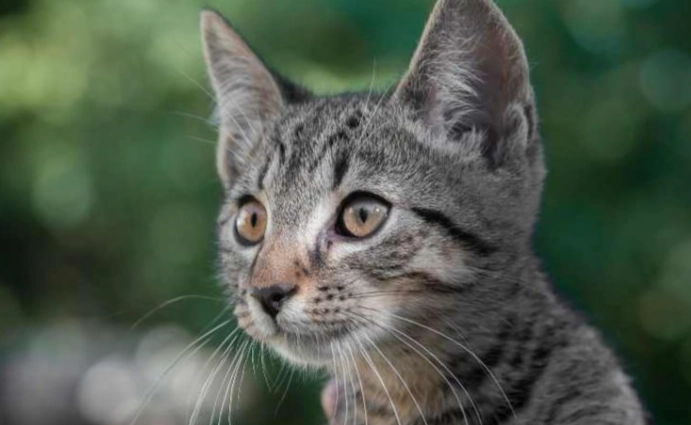
Finding a Silver Tabby Cat: Breeder, Shelter, or Luck?
So you've decided you want one of these beautiful cats. What's the best way to find one?
- Through a Reputable Breeder: If you have your heart set on a specific pedigree breed like a British Shorthair or Maine Coon in a silver tabby pattern, a responsible breeder is the route. Expect to be on a waiting list and pay a significant amount. A good breeder will health-test their breeding cats, raise kittens in a home environment, and be a resource for you for life. You can find breeders through cat fancier associations like The Cat Fanciers' Association (CFA) or The International Cat Association (TICA). Warning: Be very wary of anyone selling "rare silver tabby" cats as a breed itself. That's a red flag.
- Adopting from a Shelter or Rescue: This is where you'll find the majority of silver tabby cats, in the form of wonderful domestic shorthairs or longhairs. Their coats are no less beautiful. Use adoption websites like Petfinder or Adopt-a-Pet and filter by color ("gray or blue" often captures silvers). You can also describe the look you want to shelter staff. Giving a home to a shelter cat is incredibly rewarding.
- Pure Chance: Sometimes, the cat finds you. A stray might wander into your life, or a neighbor's cat might have an unexpected litter with a silver tabby kitten. Be prepared for this possibility if you live in an area with outdoor cats!
Common Questions About Silver Tabby Cats (FAQs)
Wrapping It Up: The True Identity of a Silver Tabby
So, after all this, what kind of cat is a silver tabby? It's not a breed you can point to on a list. It's a cat—any cat—wearing one of nature's most elegant and striking coats. It's a genetic recipe that mixes a pale, inhibited background with darker tabby patterning on top.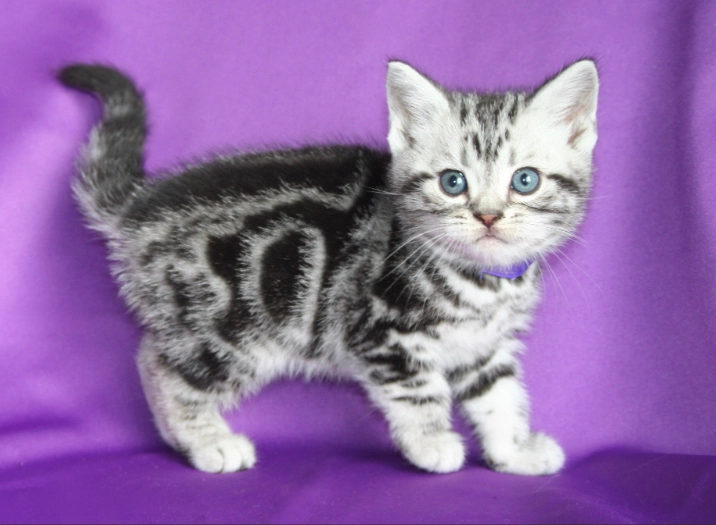
Whether it's a regal British Shorthair lounging on a sofa, a massive Maine Coon chirping at birds, or a humble domestic shorthair purring in your lap from the shelter, the silver tabby is defined by its looks. And those looks are undeniably captivating. The next time you see one, you'll know you're looking at a wonderful combination of feline genetics and, hopefully, a great personality to match.
The search to understand what kind of cat a silver tabby is often starts with simple curiosity about a beautiful coat. But it leads you down a fascinating path into genetics, breed history, and the simple, diverse wonder of cats themselves. And really, that's the best part.