In This Guide
- What Even Is a Tortoiseshell Cat? Let's Clear That Up First
- Decoding the "Tortitude": Core Personality Traits
- How Does the Tortoiseshell Cat Personality Stack Up? A Comparison
- Living in Harmony: Your Guide to a Happy Tortie Household
- Common Tortoiseshell Cat Personality Quirks & "Problems"
- Tortoiseshell Cat Personality: Your Questions Answered
- The Final Word on Understanding Your Tortie
So you're thinking about a tortoiseshell cat, or maybe you already live with one and are trying to figure her out. Let's be honest, a quick Google search throws the word "tortitude" at you about a hundred times. It's catchy, but it's also a massive oversimplification. It's like saying all redheads have fiery tempers. Not exactly helpful, right?
I've lived with two torties over the past fifteen years. My first, Mosaic, was a rescue who ruled my apartment with an iron paw. My current feline overlord, Patches, is a completely different creature—more of a shy shadow who demands cuddles only on her strict schedule. Both textbook tortoiseshells in looks, worlds apart in personality. That's the first thing you need to know: there's no one-size-fits-all manual.
But here's the thing. After talking to countless vets, breeders, and fellow tortie servants, and digging into what little formal research exists, patterns do emerge. The tortoiseshell cat personality is a fascinating, complex tapestry. It's woven from threads of genetics, unique brain chemistry, and yes, maybe a little feline magic. This guide is my attempt to move beyond the meme and give you the real, nuanced picture.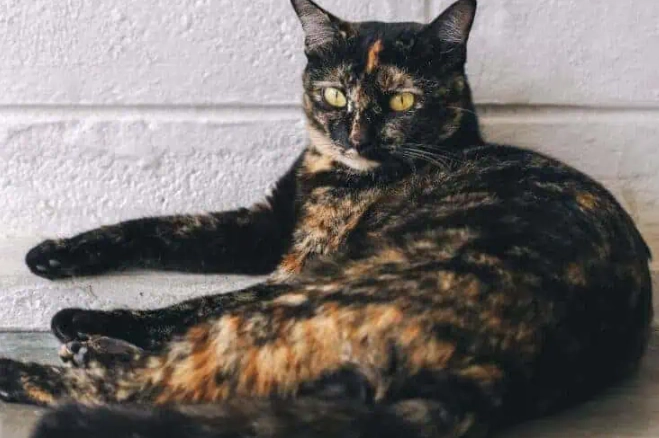
Bottom line up front: Tortoiseshell cats are often fiercely independent, deeply loyal to a chosen person, highly intelligent, and can swing from affectionate to aloof in a heartbeat. They are not for the faint of heart or someone who wants a decorative lap cat. They are companions with opinions.
What Even Is a Tortoiseshell Cat? Let's Clear That Up First
Before we dive into the tortoiseshell cat personality, we gotta be sure we're talking about the same animal. A tortoiseshell isn't a breed. It's a color pattern. You can find this pattern in many breeds and moggies (domestic shorthairs/longhairs).
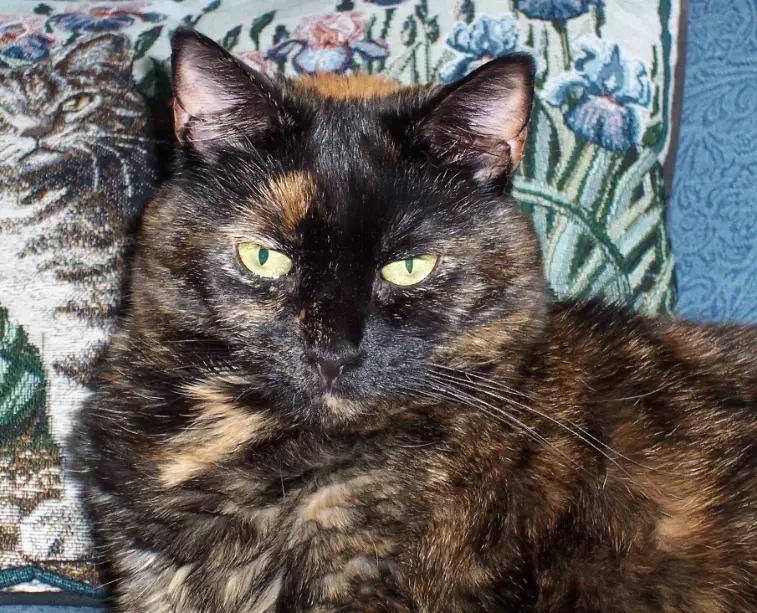
The coat is a beautiful, brindled mix of black, orange, and sometimes cream or gold—like a melted autumn palette. No two are exactly alike. The key genetic kicker? The gene for orange fur is on the X chromosome. To have both black and orange, a cat usually needs two X chromosomes. That's why over 99.9% of tortoiseshell cats are female. The rare male tortie (about 1 in 3,000) has an extra X chromosome (XXY), a genetic condition that usually makes him sterile.
Why does this genetics lesson matter for personality? Some researchers, like those at the Cornell University College of Veterinary Medicine, speculate that the same genetic complexity influencing coat color might be linked to subtle neurological differences. It's not proven, but it's a compelling idea that helps explain the consistent anecdotes about tortie cat behavior.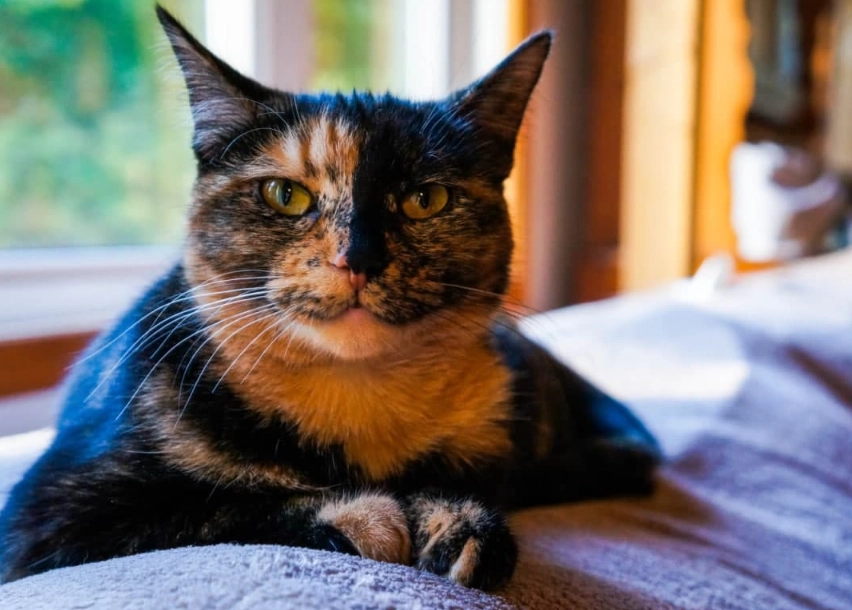
Decoding the "Tortitude": Core Personality Traits
Okay, let's get into the meat of it. What can you generally expect from a tortoiseshell cat's personality? Based on my experience and the collective wisdom of owners, here are the most commonly reported traits. Think of this as a spectrum—your tortie might be high on some, low on others.
Strong-Willed and Independent
This is the big one. Torties often have a clear idea of how things should be and aren't shy about enforcing it. Want her to sit where you point? Good luck. She'll sit where *she* decides is best, thank you very much. This isn't disobedience in the dog sense; it's a profound sense of self-determination. You don't own a tortie; you cohabitate with one.
I remember trying to move Mosaic's favorite bed to a sunnier spot. She gave me a look of utter betrayal, refused to go near it, and then spent the next week napping pointedly on the cold floor where the bed *used* to be. I moved it back. She won.
Fiercely Loyal (But Often to One Person)
While they may be aloof with strangers or even other family members, a tortie often picks "their person." This bond is intense. They'll follow you from room to room, not necessarily for pets, but to supervise. You are their project. This loyalty means they can be wary of newcomers and might hide when guests come over. Patches, my current tortie, vanishes if the doorbell rings but will be glued to my side the moment we're alone.
Highly Intelligent and Curious
Boredom is the enemy of a tortoiseshell cat. They need mental stimulation. They figure out door handles, cupboard latches, and puzzle feeders with alarming speed. This intelligence is a double-edged sword. It makes them entertaining but also means they get into mischief if not engaged. A bored tortie is a destructive tortie.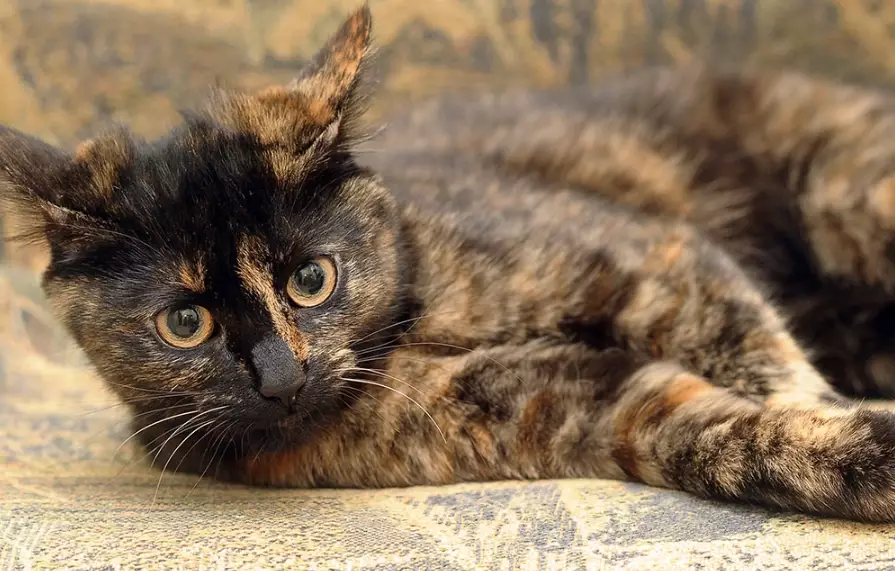
"Bipolar" Affection (The Love-Bite Special)
Ah, the classic tortie move. She's purring loudly in your lap, you're stroking her, all is bliss. Then, with no warning you can detect, she turns and gives you a quick nip or bat with her paw before jumping down. It's not aggression; it's more like "Okay, affection quota met. I'm done now." It's their way of controlling the interaction. You learn to read the subtle signs—a twitch of the tail, a slight stiffening. It's part of the deal.
Myth vs. Fact: Separating Hype from Reality
Myth: All tortoiseshell cats are mean and aggressive.
Fact: They are not inherently mean. They are often more sensitive, less tolerant of over-handling, and quicker to set boundaries than some other cats. It's not malice; it's communication.
Myth: "Tortitude" is a scientifically proven phenomenon.
Fact: It's not. There's limited formal scientific study linking coat color directly to specific personality traits in cats. The evidence is overwhelmingly anecdotal, but the consistency of the anecdotes from owners and breeders is striking. Organizations like the International Cat Care note that while genetics play a role, individual experience is paramount.
Myth: Male torties have more extreme personalities.
Fact: There's no reliable data to support this. With so few male torties, it's impossible to generalize. Each is a unique individual.
How Does the Tortoiseshell Cat Personality Stack Up? A Comparison
It helps to see where the typical tortoiseshell cat personality might land compared to other common cat types. Remember, this is a broad generalization!
| Personality Trait | Tortoiseshell Cat | Typical Orange Tabby | Typical Siamese | Typical Ragdoll |
|---|---|---|---|---|
| Independence | Very High | Medium-High | Low (Velcro cats) | Low |
| Vocalization | Medium (Chatty on their terms) | Medium | Very High | Low-Medium |
| Affection Level | High, but on their terms | High, often "in your face" | Very High, demanding | Very High, placid |
| Tolerance for Handling | Low-Medium (Sets clear limits) | High | Medium-High | Very High |
| Activity & Playfulness | High, needs stimulation | High | Very High | Medium |
| Adaptability to Change | Low (Dislikes routine disruption) | Medium-High | Medium | High |
See what I mean? The tortoiseshell cat personality profile is distinct. They're not the clingiest, nor the quietest, but they operate with a specific kind of self-possessed intensity.
Living in Harmony: Your Guide to a Happy Tortie Household
Knowing about tortoiseshell cat traits is one thing. Applying it is another. Here’s the practical stuff, the guide I wish I’d had when Mosaic first moved in.
Respect is Non-Negotiable
This is the golden rule. Never force interaction. Let her come to you. Pay attention to her body language. A flicking tail, flattened ears, or a low growl means back off. If you respect her space, she will learn to trust you, and the affectionate moments will be more frequent and genuine.
Create a Predictable Routine
Torties thrive on predictability. Feed them at the same times. Play sessions should be regular. Sudden changes can make them anxious and more likely to act out. When I had to move apartments, I set up Patches' favorite blanket and litter box first thing in the new place to give her a familiar anchor point. It helped a ton.
Invest in Serious Environmental Enrichment
A window perch for bird-watching is a must. Puzzle feeders are brilliant—they make mealtime a brain game. Rotate toys to keep things fresh. Cat trees for climbing and scratching are essential outlets for energy and claw maintenance. A bored tortie will find her own fun, and you might not like her choices.
Multi-Cat Households: Tread Carefully
Many torties prefer to be the only cat. They can be territorial. If you want multiple cats, careful, slow introductions are critical. Consider adopting a kitten with an adult tortie, as she may be more accepting of a non-threatening youngster. Two adult torties? That's asking for drama, in my opinion, unless they are a bonded pair from the same litter.
Common Tortoiseshell Cat Personality Quirks & "Problems"
Let's address the elephant in the room. Sometimes, the very traits that make them interesting can be challenging. Here’s how to reframe and manage them.
The "Love Bite": As mentioned, it's a communication tool, not an attack. When you feel her tense up, stop petting before she does it. Let her initiate contact again later.
Chattering at Birds: That rapid clicking sound they make while staring intently out the window? Totally normal predatory behavior. It's hilarious and harmless.
Sudden "Zoomies": All cats get them, but torties often have a particular frantic energy. It's usually just pent-up energy. A good play session before bedtime can help prevent 3 AM sprinting sessions.
Resource Guarding: Some torties can be possessive of food, toys, or even their person. Ensure separate resources in multi-pet homes and never try to take something directly from her mouth. Trade for a high-value treat instead.
Tortoiseshell Cat Personality: Your Questions Answered
The Final Word on Understanding Your Tortie
Living with a tortoiseshell cat is rarely boring. It's a relationship built on mutual respect, a bit of negotiation, and a lot of observation. To label it simply as "tortitude" does a disservice to the beautiful complexity of the tortoiseshell cat personality.
They are the cats that teach you to be a better pet guardian. They force you to pay attention, to be mindful, to respect another creature's autonomy. The love they give, when they choose to give it, feels earned and incredibly special. It's not the slavish devotion of some breeds; it's the fierce, chosen loyalty of an equal.
If you're considering welcoming a tortie into your life, go in with your eyes open. Don't expect a plush toy. Expect a small, beautiful, opinionated roommate with a stunning coat and a will of iron. Provide structure, respect, and engagement, and you might just be rewarded with one of the most uniquely rewarding relationships you can have with a cat.
And if you're already living the tortie life? You probably nodded along to most of this. Welcome to the club. We understand.