So you're thinking about bringing a fluffy Siberian cat into your home, or maybe you already have one purring on your lap right now. One of the biggest questions any cat owner has is, "How long will my furry friend be with me?" It's a mix of hope, love, and a little bit of worry all rolled into one.
I remember when I first got my Siberian, Misha. I did all the research, but the numbers I found were all over the place. Some sources said 12 years, others whispered about cats hitting 20. It was confusing. After years of talking to breeders, vets, and other Siberian cat owners, I've pieced together a much clearer picture. The truth about a Siberian cat's lifespan isn't just one number—it's a story shaped by genetics, care, and a bit of luck.
Let's cut through the noise and talk real numbers and real advice.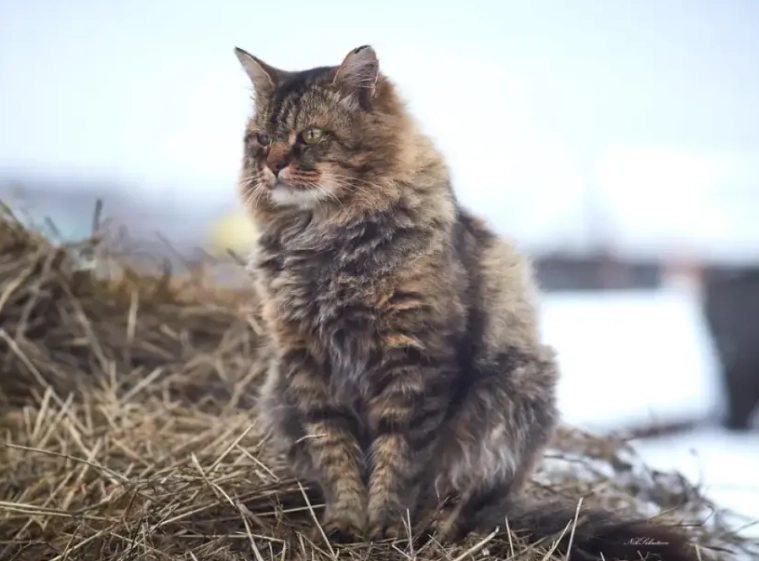
Quick Guide
- The Siberian Cat Lifespan: Breaking Down the Numbers
- What Actually Influences How Long Your Siberian Cat Lives?
- Common Health Issues That Can Affect Siberian Cat Lifespan
- Your Action Plan: How to Help Your Siberian Cat Live a Long, Healthy Life
- Answering Your Big Questions About Siberian Cat Lifespan
- Bringing It All Together
The Siberian Cat Lifespan: Breaking Down the Numbers
When you look up the average lifespan for domestic cats, you'll usually see 12-15 years. Siberians sit very comfortably within—and often on the higher end—of that range. But "average" can be misleading. It's like saying the average human lives to 80. Some pass earlier due to illness or accident, while others thrive past 100.
The same goes for cats. That reported Siberian cat lifespan of 12-15 years is a solid middle ground. It accounts for cats who develop common health issues, those who are indoor-outdoor and face more risks, and the lucky, meticulously cared-for ones who become venerable old-timers.
Why might they have this potential for a good, long life? They're a natural breed. Unlike some breeds developed with intense selective breeding for extreme looks, Siberians evolved over centuries in the harsh climate of Russia. That natural selection weeded out a lot of the weak genetic traits that can lead to early health problems. It's a foundation for resilience.
But here's the thing no one likes to talk about: an average includes the lows. Not every Siberian will make it to 15. Some face congenital issues or bad luck. Knowing the full range, not just the best-case scenario, is what responsible ownership is about.
What Actually Influences How Long Your Siberian Cat Lives?
Genetics give them the ticket to the longevity lottery, but you're the one who helps them cash it in. The Siberian cat lifespan in your home is influenced by a cocktail of factors.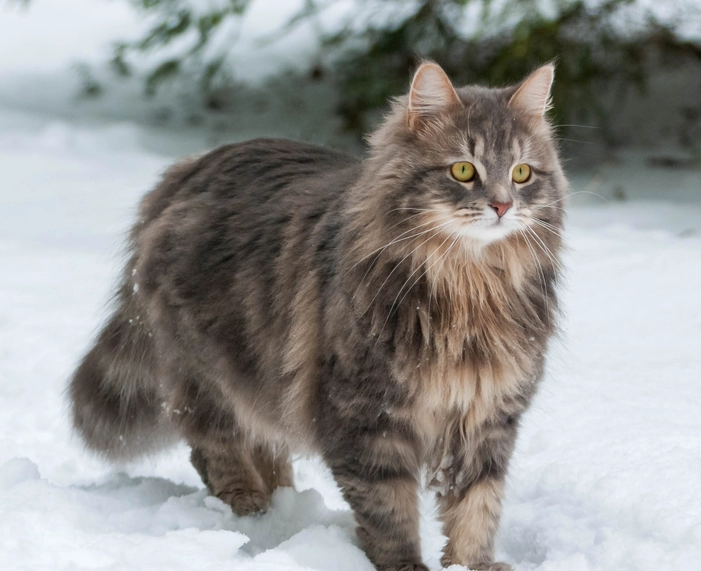
Genetics and Breeding: The Foundation You Can't Change
This is the hand your cat is dealt. A reputable breeder is worth their weight in gold. They screen their breeding cats for known hereditary conditions like hypertrophic cardiomyopathy (HCM). They don't just pair cats because they look pretty; they look at health histories going back generations.
I made the mistake early on of thinking all breeders were equal. I learned the hard way that a lower price tag often means skipped health tests. A good breeder will openly discuss the health of their lines and provide documentation. The International Cat Association (TICA) and the Cat Fanciers' Association (CFA) are great places to find breeders who adhere to ethical standards. Starting with a healthy kitten is the single biggest step toward maximizing their Siberian cat lifespan.
Indoor vs. Outdoor Living: The Great Debate
This is arguably the most significant factor under your control. Let's be blunt: indoor cats live longer, period. The American Veterinary Medical Association (AVMA) and other veterinary bodies consistently stress this.
An outdoor or indoor-outdoor Siberian faces a gauntlet of dangers: cars, predators, parasites, contagious diseases from other cats, poisoning, and the risk of getting lost. It dramatically shortens the average life expectancy. Keeping your Siberian indoors (or in a secure, supervised outdoor enclosure like a "catio") is the most effective longevity boost you can give them. It directly protects the potential Siberian cat lifespan.
Diet and Weight Management: You Are What You Eat
Feeding your Siberian isn't just about filling the bowl. Obesity is a silent killer in cats, leading to diabetes, arthritis, and heart disease. Siberians are a large, muscular breed—a male can healthily weigh 15+ pounds—but there's a big difference between muscular heft and fat.
You should be able to feel their ribs without a thick layer of fat over them. Talk to your vet about the appropriate calorie intake. High-quality food with plenty of animal protein matters. And please, go easy on the treats. Those little extras add up fast and can chip away at their healthy Siberian cat lifespan.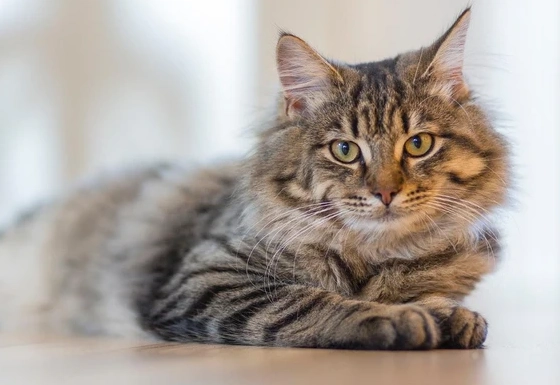
Preventive Veterinary Care: Catching Problems Early
Annual check-ups aren't a suggestion; they're a necessity. As cats age, bi-annual visits become crucial. These visits allow your vet to establish baselines and catch subtle changes. A blood test can reveal kidney issues years before symptoms appear. A listen to the heart might catch a murmur indicative of HCM early.
Stay on top of vaccinations and parasite control. Even indoor cats need core vaccines, as diseases can be brought in on your shoes or clothes. This proactive approach is the maintenance plan for a long Siberian cat lifespan.
The Big One: Spaying and Neutering
This is non-negotiable for pet cats (unless you are a responsible, ethical breeder). Spaying a female eliminates the risk of ovarian/uterine cancers and pyometra (a life-threatening uterine infection). Neutering males prevents testicular cancer and reduces the urge to roam and fight, which itself prevents injury and disease transmission. It's a cornerstone of responsible ownership that directly supports a longer, healthier life.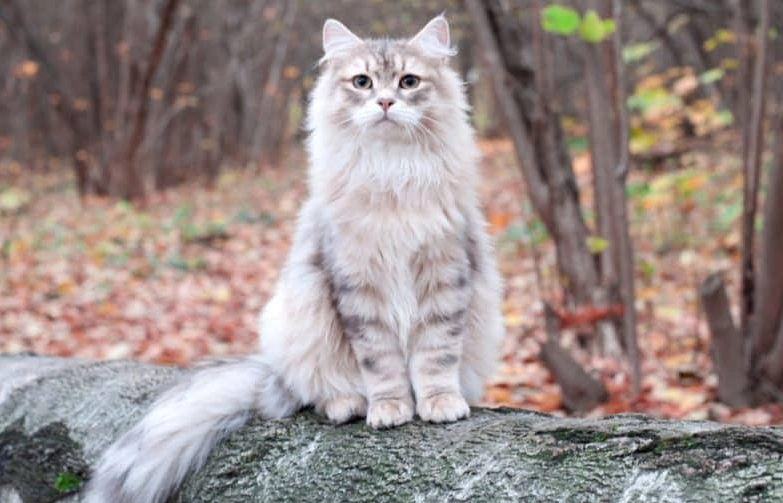
Common Health Issues That Can Affect Siberian Cat Lifespan
No breed is immune to health problems. Siberians are generally healthy, but they have a few known predispositions. Being aware of them means you can watch for early signs.
| Health Condition | What It Is | Impact on Lifespan | What You Can Do |
|---|---|---|---|
| Hypertrophic Cardiomyopathy (HCM) | A thickening of the heart muscle, the most common heart disease in cats. | Can be serious, leading to heart failure or sudden death if severe and untreated. | Ask your breeder about HCM screening in their lines. Your vet can listen for murmurs. An echocardiogram is the definitive test. |
| Polycystic Kidney Disease (PKD) | Fluid-filled cysts develop in the kidneys, damaging tissue over time. | Can lead to chronic kidney disease, which manages but shortens lifespan. | Reputable breeders test for and avoid this genetic mutation. It's less common in Siberians than in Persians. |
| Hip Dysplasia | A malformation of the hip joint, more often associated with dogs but seen in large cat breeds. | Usually not fatal but causes pain, arthritis, and mobility issues, affecting quality of life. | Maintain a healthy weight to reduce joint stress. Provide joint supplements (like glucosamine) as recommended by your vet. |
| Gum Disease & Tooth Resorption | Common in all cats. Tartar buildup leads to inflamed gums; resorption is painful lesions on teeth. | Chronic oral pain and bacteria from dental disease can affect the heart, kidneys, and liver. | Regular dental check-ups. Brush their teeth if possible (start young!). Dental cleanings under anesthesia when needed. |
Look, seeing a list like this can be scary. But knowledge is power. For most Siberians, these are possibilities, not certainties. The goal isn't to panic you, but to make you a vigilant advocate for your cat's health.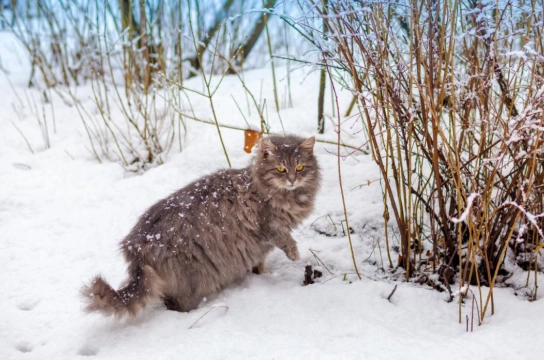
Your Action Plan: How to Help Your Siberian Cat Live a Long, Healthy Life
This is the practical stuff. The daily, weekly, yearly habits that add up to extra years of purrs and headbutts.
Nutrition: Feed for Longevity
Ditch the grocery store filler food. Look for brands where a named animal protein (like chicken, salmon, duck) is the first ingredient. Cats are obligate carnivores; they need meat. Wet food is fantastic for hydration, which is critical for kidney health. Many owners use a combination of high-quality wet and dry food. Always ensure fresh, clean water is available. Consider a cat water fountain—many cats prefer running water and will drink more.
Exercise and Mental Stimulation: A Tired Cat is a Happy (and Healthy) Cat
Siberians are playful and intelligent well into adulthood. A bored cat can become stressed, depressed, or obese.
- Interactive Play: Dedicate 15-20 minutes twice a day to play with wand toys, lasers (point it at a physical toy at the end!), or balls. This mimics hunting and provides crucial exercise.
- Climbing and Perching: Invest in a sturdy, tall cat tree. Siberians love to be up high to survey their kingdom. It also encourages climbing and jumping.
- Puzzle Feeders: Make them work for their kibble. It slows down eating and provides mental exercise.
Stress Reduction: Create a Zen Environment
Chronic stress weakens the immune system. Cats are creatures of habit and territory.
- Provide multiple, clean litter boxes in quiet locations (one per cat, plus one extra).
- Have plenty of scratching posts (both horizontal and vertical) to allow natural marking behavior.
- If you have multiple pets, ensure each has their own space and resources to avoid conflict.
- Use synthetic feline pheromone diffusers (like Feliway) if you're moving, introducing a new pet, or if your cat seems anxious.
Senior Cat Care: The Golden Years
Around age 10-11, your Siberian is a senior. Their needs will change.
- More Frequent Vet Visits: Switch to check-ups every 6 months. Senior blood panels are essential.
- Dietary Adjustments: Your vet may recommend a senior formula that is easier to digest and supports kidney/joint health.
- Home Modifications: Make life easier. Add ramps or steps to their favorite perches if jumping becomes hard. Use lower-sided litter boxes for easier access.
- Increased Observation: Watch for subtle changes: increased thirst, changes in appetite, litter box habits, vocalization, or mobility. Report anything odd to your vet immediately.
Answering Your Big Questions About Siberian Cat Lifespan
Bringing It All Together
Chasing a specific number for your Siberian cat's lifespan is missing the point. It's not about hitting 20 years like a target. It's about stacking the deck in their favor every single day.
Start with a healthy kitten from a breeder who prioritizes health. Keep them safely indoors. Feed them well. Play with them. Love them. And take them to the vet, even when they seem fine.
The beautiful, frustrating, wonderful truth about sharing your life with an animal is that we can't control everything. Genetics and chance play their part. But we can control so much. The care, the environment, the vigilance.
By focusing on that—on the quality of every day you have together—you're doing the absolute most you can to ensure your Siberian cat's lifespan is not just long, but full, happy, and healthy. That's the real goal, isn't it? Not just years on a calendar, but years of companionship.
Give them the best life you can, and you'll be amazed at how many wonderful years you might get in return.