Quick Guide to Sections
- What Does a Black Siberian Cat Actually Look Like? Beyond Just "Black"
- Personality: The "Dog-Like" Cat with a Heart of Gold
- The Hypoallergenic Myth and Reality: Can You Live With One?
- Health and Lifespan: A Generally Robust Breed
- Grooming Your Black Siberian: It's Not as Hard as You Think
- Finding a Black Siberian Kitten: How Not to Get Scammed
- Living with a Siberian: The Day-to-Day Reality
- Final Thoughts: Is a Black Siberian Cat Right For You?
So you're thinking about a black Siberian cat, huh? Let me tell you, that's not just a cat – it's a statement. A fluffy, purring, possibly hypoallergenic statement with eyes that look like they've seen the snows of a hundred Russian winters. I remember the first time I met one at a cat show. It wasn't the typical sleek black cat you picture; this was a creature with a presence. Thick, plush fur that seemed to swallow the light, a sturdy build like a little bear, and a calm, observant gaze. I was hooked. But behind that stunning black Siberian cat exterior, there's a whole world of needs, quirks, and history that every potential owner should know. This guide is my attempt to dump everything I've learned, researched, and experienced about these amazing cats into one place. No fluff, just the real stuff.
Quick Fact: The Siberian is one of the oldest and most natural cat breeds, evolving over centuries in the harsh Russian climate. Their famous triple coat and robust health are a result of this, not human-designed breeding. A Siberian cat black coat is just one color in a wide natural palette.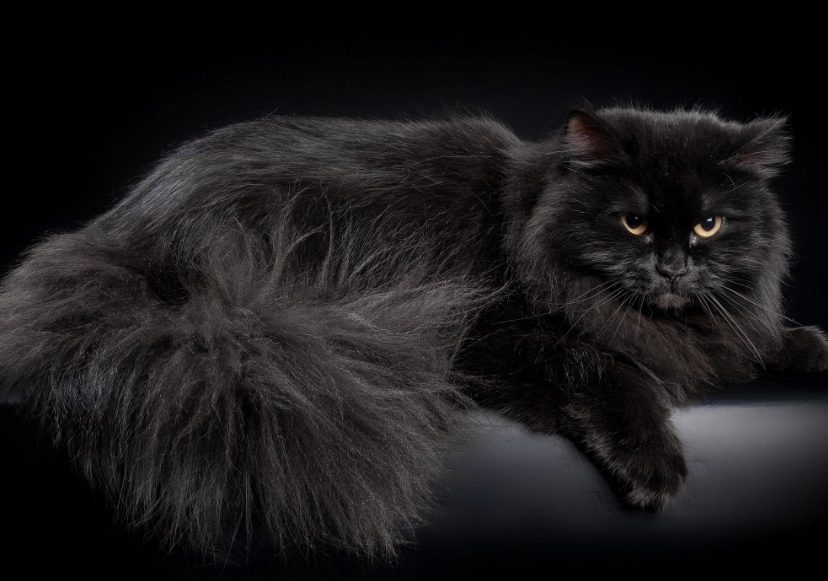
What Does a Black Siberian Cat Actually Look Like? Beyond Just "Black"
This is where things get interesting. When you search for "Siberian cat black," you might expect one look, but nature loves variety. Their black isn't always a flat, ink-black. Under bright sunlight, you might see hidden rusty or brownish undertones, a trait called "rusting." Some folks see this as a flaw, but I think it adds character – it's like their coat has a secret depth.
The real showstopper is their coat. It's a triple-layer masterpiece designed for survival at -30°C. You've got the dense, woolly undercoat (the keeps-them-warm layer), the middle "awn" hair (the insulation layer), and the long, glossy guard hairs on top (the waterproof, snow-shedding layer). On a black Siberian, this combination creates a phenomenal texture – not silky like a Persian, but substantial and plush. When they walk, their fur moves with a beautiful, heavy ripple.
Coat Colors & Patterns: It's Not All Solid
Here's a key point a lot of new enthusiasts miss. "Black" can come in different patterns:
- Solid Black: The classic. As pure a black as you can get, from nose to tail tip, with black paw pads and nose leather. Stunning, but can show every single speck of dust or lint (get a good lint roller).
- Black Smoke: This is the magician of the cat world. The hair is black at the tips but has a white or silver undercoat. At rest, they look solid black, but when they move, the lighter undercoat flashes through, creating a smoky, mystical effect. A black smoke Siberian cat is truly breathtaking.
- Black Tabby: Black stripes, swirls, or spots on a lighter background. The pattern is still black, but the base color isn't. This is very common, as the tabby gene is strong in the breed.
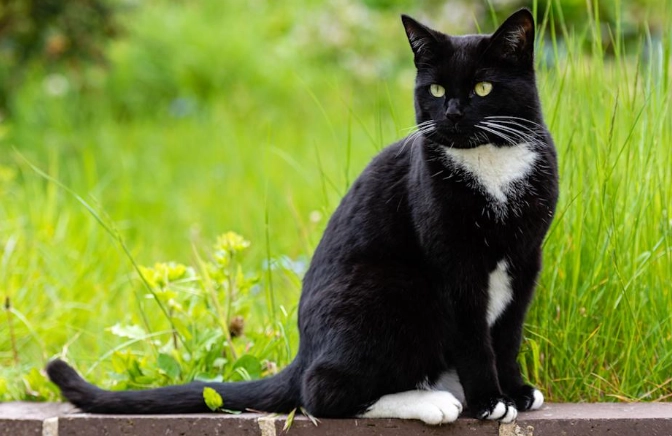
- Black with White: Bicolor or tuxedo patterns. Think a black cat wearing a little white shirtfront and maybe white socks.
Their eyes are another feature. They can be any shade of green, gold, or copper, and sometimes even a brilliant blue in pointed varieties (like Neva Masquerade, a colorpoint sub-type). There's no specific link between a black Siberian cat and eye color – a pair of vivid green eyes against that black fur is just... wow.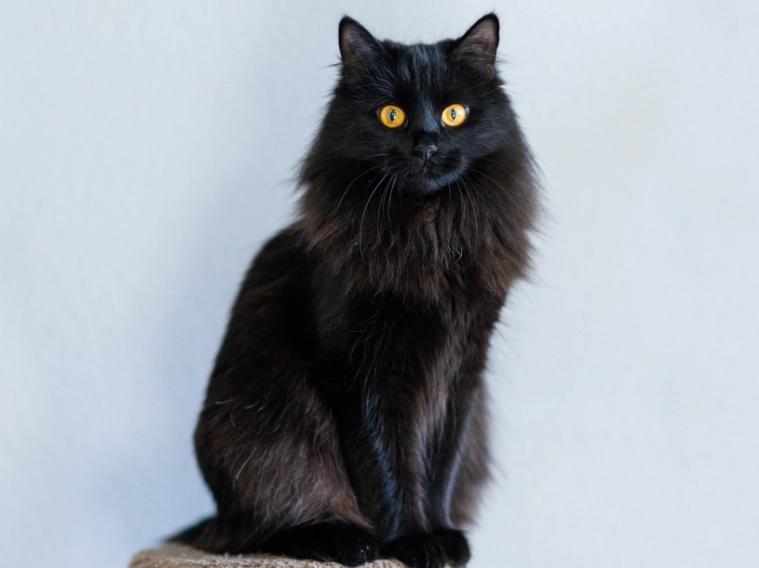
Personality: The "Dog-Like" Cat with a Heart of Gold
Forget the aloof cat stereotype. Siberian cats, including the black Siberian cat, are famously people-oriented. They form deep bonds with their families. They'll follow you from room to room, not in a needy way, but like a curious, furry supervisor. Mine used to sit outside the shower door, waiting. Why? No idea. Moral support, maybe.
They're intelligent and playful well into adulthood. Think feather wands, puzzle toys, and yes, many can be taught to fetch. They are often great with children and other pets, bringing a gentle, tolerant energy to the home. Their voice is usually soft and chirpy, not a loud yowl. But personality varies. I've met some who are total clowns and others who are serene observers. One consistent trait? They often love water. Don't be surprised if your Siberian cat black tries to join you in the bath or plays with dripping faucets. It's a breed quirk from their forest origins.
"The Siberian's temperament is one of its greatest assets. They are described as affectionate, loyal, and intelligent, with a playful side that lasts for years." – This aligns with descriptions from major cat registries like The International Cat Association (TICA).
The Hypoallergenic Myth and Reality: Can You Live With One?
This is the big one, the question that drives probably half the searches for this breed. Are Siberian cats hypoallergenic? The short, honest answer is: no cat is 100% hypoallergenic. But Siberians are often better tolerated by people with mild to moderate cat allergies.
Here's the science bit, simplified. Most people are allergic to a protein called Fel d 1, produced in cat saliva and skin glands. When the cat grooms, the saliva dries on the fur and becomes airborne. Some studies and a lot of anecdotal evidence suggest that some Siberian cats produce lower levels of Fel d 1. The keyword is some. Levels vary from cat to cat, even within the same litter.
If you have allergies and dream of a black Siberian kitten, you must test yourself. Visit a breeder and spend an hour or two in their home, preferably rubbing your face on an adult cat (seriously). See how you react. Don't just trust a promise. The color of the fur – whether it's a Siberian cat black or golden tabby – has no bearing on allergen levels.
Warning: Never get a Siberian (or any cat) solely because you believe it's "hypoallergenic." It's a hopeful possibility, not a guarantee. A severe allergic reaction after bringing a cat home is heartbreaking for everyone, especially the cat who may need rehoming.
Health and Lifespan: A Generally Robust Breed
Thanks to their natural evolution, Siberians are typically healthy cats with a lifespan of 12-15 years, sometimes longer. But like all purebreds, they have some potential genetic conditions to be aware of. A responsible breeder will screen for these.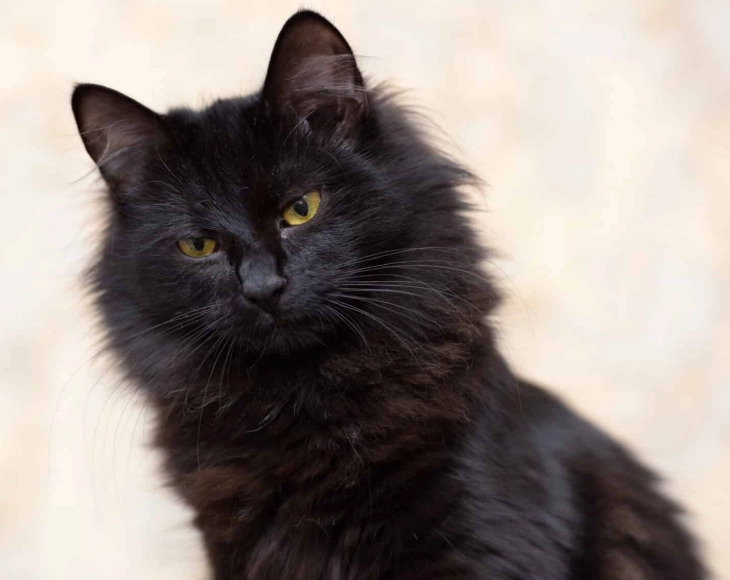
| Health Concern | Description | What a Good Breeder Does |
|---|---|---|
| Hypertrophic Cardiomyopathy (HCM) | A heart disease where the heart muscle thickens. It's the most common heart issue in cats. | Has their breeding cats regularly screened by a veterinary cardiologist via echocardiogram and provides proof. |
| Polycystic Kidney Disease (PKD) | Formation of cysts in the kidneys that can lead to failure. More common in Persians, but can appear. | Tests breeding cats via ultrasound or DNA test to ensure they are clear. |
| PK Deficiency | A metabolic disorder causing anemia. It's recessive and manageable if known. | DNA tests breeding cats. It's a simple test, so there's no excuse not to. |
The good news? A well-bred Siberian cat black or of any color should come from lines free of these issues. Always, always ask for health certificates. Don't be shy; it's a sign you're a serious buyer.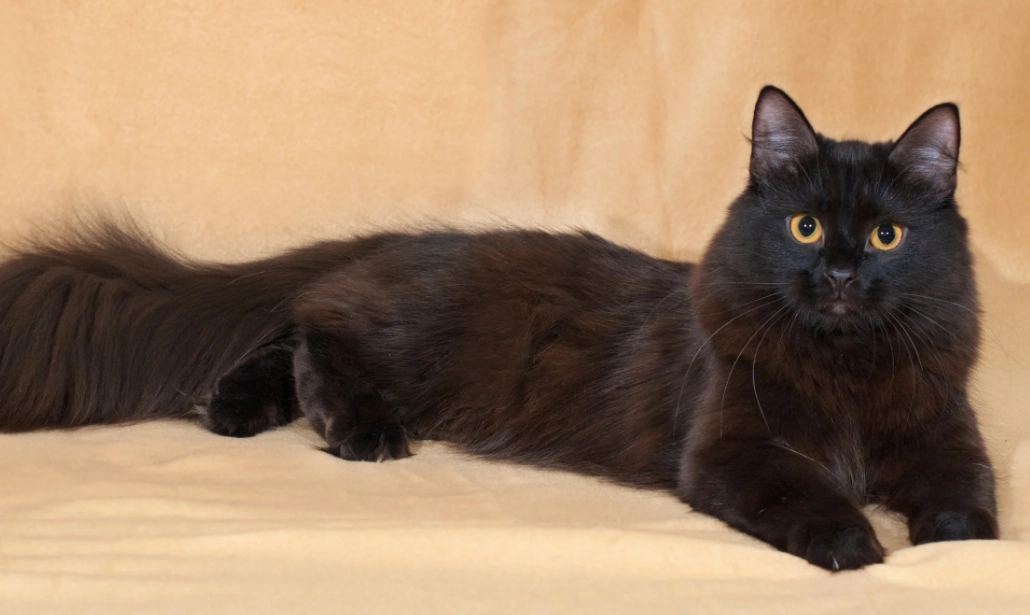
Grooming Your Black Siberian: It's Not as Hard as You Think
Okay, let's talk about the fur. That glorious, thick, triple coat. You'd think it's a nightmare, but it's surprisingly manageable for most of the year. Their coat doesn't mat easily like some longhairs because the texture is different. But they do shed. Oh boy, do they shed.
Twice a year, during seasonal changes (spring and fall), they "blow" their undercoat. This is a 2-4 week period where tufts of soft, downy fur come out in clumps. Your house will look like it's snowing indoors. For a black Siberian cat, this means little black tumbleweeds everywhere. You need a good grooming routine:
- Weekly Brushing: Outside of shedding season, a thorough brush once a week with a steel comb and a slicker brush is enough. It removes loose hair and distributes skin oils.
- Daily Brushing During Sheds: When they're blowing their coat, daily sessions are a must. A tool like an undercoat rake (like the Furminator) is a lifesaver. It pulls out the loose undercoat without harming the topcoat.
- Bathing: You can bathe them! Many Siberians tolerate or even enjoy water. A bath every few months during a heavy shed can help remove a massive amount of loose hair all at once. Use a cat-specific shampoo.
Grooming isn't just fur management. It's bonding time. My cat purrs like a tractor during brush sessions. It's our quiet time. Just be prepared – you'll end up with enough hair to make a whole new kitten.
Finding a Black Siberian Kitten: How Not to Get Scammed
This is the most critical step. The rise in popularity of "hypoallergenic" and fluffy cats has led to a surge in backyard breeders and scams. A healthy, well-socialized black Siberian kitten from ethical lines doesn't come cheap (think $1,200 to $2,500+ in the US), and there's often a waitlist.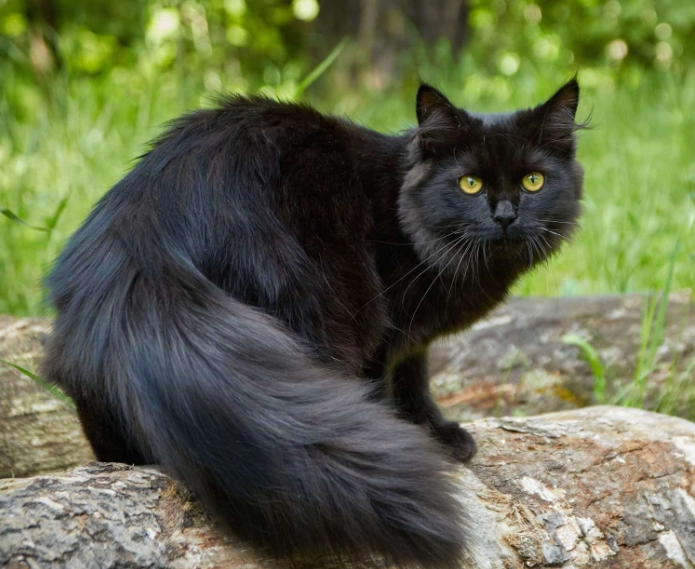
Red Flags of a Bad Breeder:
- Has multiple litters available immediately, all the time.
- Won't let you visit their home or see where the cats live ("meet in a parking lot").
- Kittens go home before 12-14 weeks of age.
- No health testing on parents, or can't show you the certificates.
- Pressure to pay a deposit immediately.
- Focuses only on color ("rare black hypoallergenic!" as a sales pitch).
Green Flags of a Good Breeder:
- Is registered with a major cat association like TICA or CFA.
- Welcomes visits, their home is clean, and cats/kittens are part of the family.
- Asks you as many questions as you ask them.
- Provides a written contract, health guarantee, and vaccination/deworming records.
- Socializes kittens with sound, handling, and other pets.
- Is a resource for you for the cat's entire life.
Start your search with the breeder directories on the TICA website or the Cat Fanciers' Association (CFA) page. These are your best bets for finding someone committed to the breed's health and standard.
Living with a Siberian: The Day-to-Day Reality
So what's it actually like? It's active. They need vertical space – tall, sturdy cat trees are non-negotiable. They love to climb and survey their kingdom. Interactive play is a daily requirement to keep their smart brains engaged. A bored Siberian might find their own fun (and your curtains could suffer).
They are food-motivated and can be prone to obesity if free-fed. Measured meals of high-quality food (wet food is great for hydration) are the way to go. And that water love? Provide a cat water fountain. They'll drink more and it entertains them.
One thing I wasn't fully prepared for was their sheer physicality. They are strong cats. When they jump off something, you hear a *thud*. When they play, it can be a bit rougher than a dainty Siamese. It's not aggression, just robust, forest-cat energy.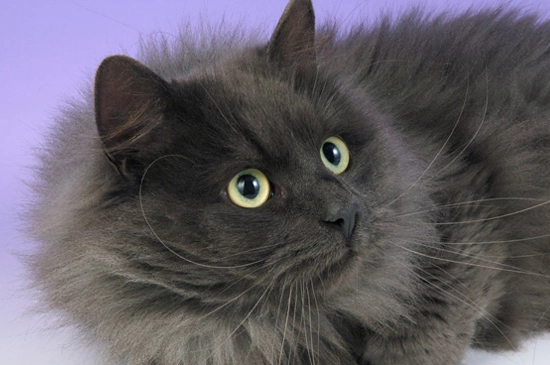
Black Siberian Cat FAQs: Answering Your Real Questions
Final Thoughts: Is a Black Siberian Cat Right For You?
Look, I adore these cats. But I'm not here to sell you one. I'm here to give you the full picture. A black Siberian cat is perfect for someone who wants an interactive, affectionate companion, doesn't mind some seasonal fur-apocalypse, has space for a medium-to-large athletic cat, and is committed to a 15-year friendship.
They are not for the ultra-fastidious housekeeper or someone who wants a purely decorative, hands-off pet. They get involved. They have opinions. They will steal your chair the second you get up.
If you've read all this and your heart is still set on that majestic, fluffy black Siberian kitten, then you might just be the right person. Do your homework, find that ethical breeder, and prepare for a wonderfully big personality wrapped in the softest, darkest fur you've ever touched. It's a commitment, but from my experience, it's one of the most rewarding you can make.
Got more questions? Feel free to dive deeper into the breed standards and history on the CFA's official Siberian breed standard PDF. It's the blueprint breeders follow.