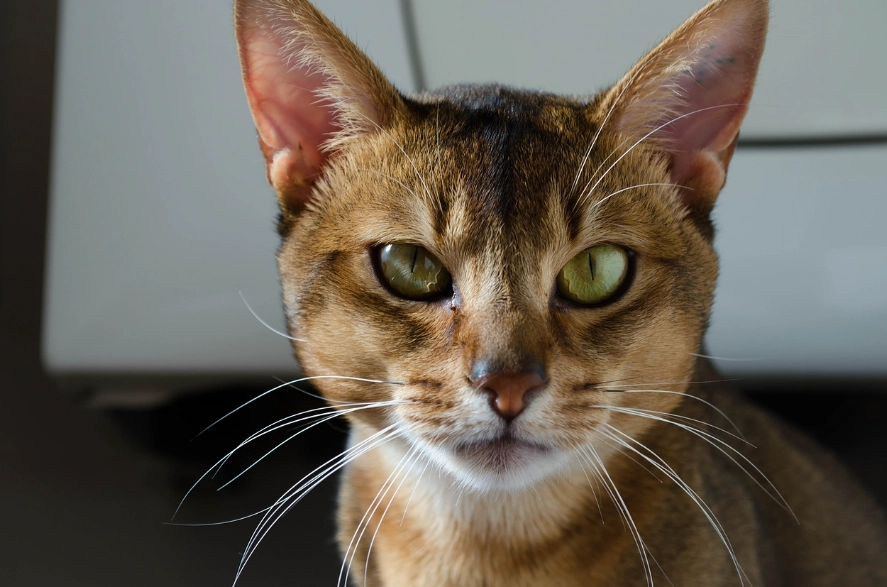
Picture a cat that moves with the grace of a fox, its coat shimmering with a thousand silver-tipped hairs as it leaps after a toy. That's the Silver Somali, a longhaired version of the Abyssinian, and it's one of the most visually striking and energetically delightful cat breeds you'll ever meet. I've been around cats for decades, and Somalis, especially the silver variety, have a unique combination of looks and personality that's hard to forget. They're not just a pretty face; they're engaging, smart, and often described as a "dog in a cat's suit." But they're not for everyone. Let's get past the basic breed description and talk about what living with one of these shimmering companions is really like, from the stunning ticked coat to the reality of their boundless energy.
Your Quick Guide to Silver Somalis
What is a Silver Somali Cat?
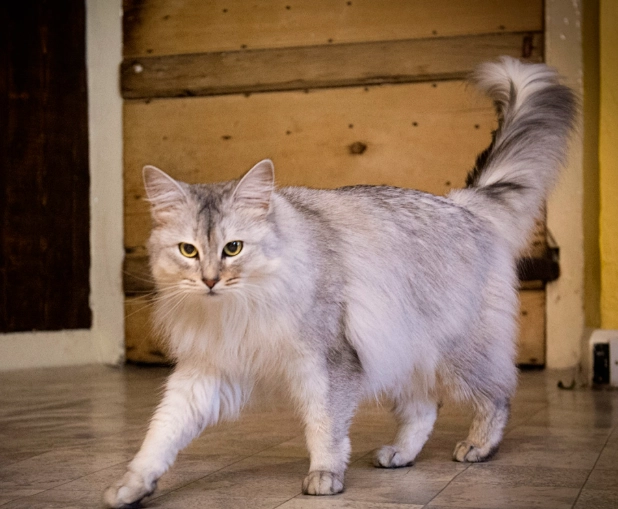
Think of the Somali as the longhaired cousin of the Abyssinian. The breed emerged from Abyssinian litters when the recessive longhair gene popped up. Breeders eventually recognized them as their own distinct breed. The "Silver" isn't a separate breed; it's one of several stunning color variations, officially called the "Silver Somali" by registries like The Cat Fanciers' Association (CFA). The base of each hair is a cool, pale silver or white, while the ticking bands are black, creating that breathtaking, frosty shimmer. It's a natural look, not achieved through any special grooming—it's just their genetics showing off.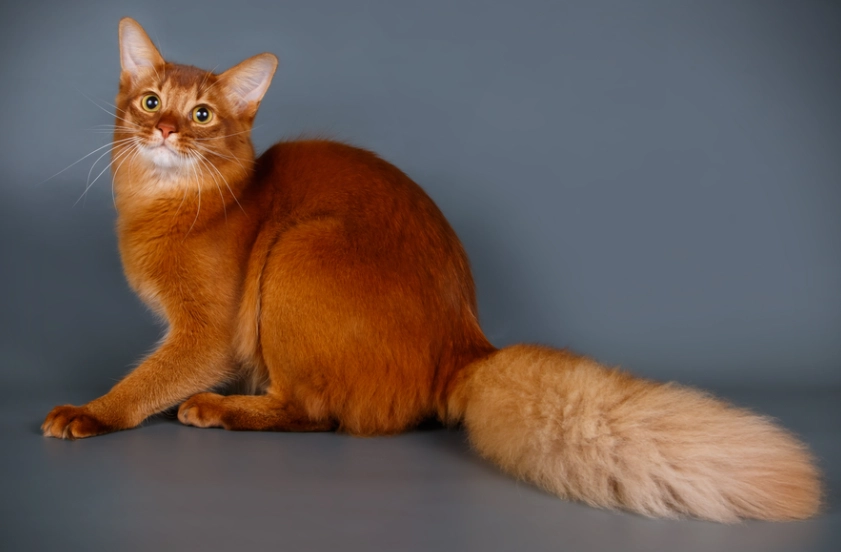
The Standout Look: Silver Somali Cat Appearance
Okay, let's break down why everyone stops to look at a Silver Somali.
The Coat: A Masterpiece of Ticking
The signature feature is the ticked tabby coat. Unlike a classic tabby with stripes or swirls, each hair has alternating light and dark bands. On a Silver Somali, the ground color is a pale, clear silver (almost white), with black or dark grey ticking. This creates an overall effect of a radiant, sparkling silver pelt. The coat is medium-long, exceptionally soft and fine, with a glorious ruff around the neck and full, brush-like tail. It lies fairly close to the body, so they don't look overly fluffy like a Persian.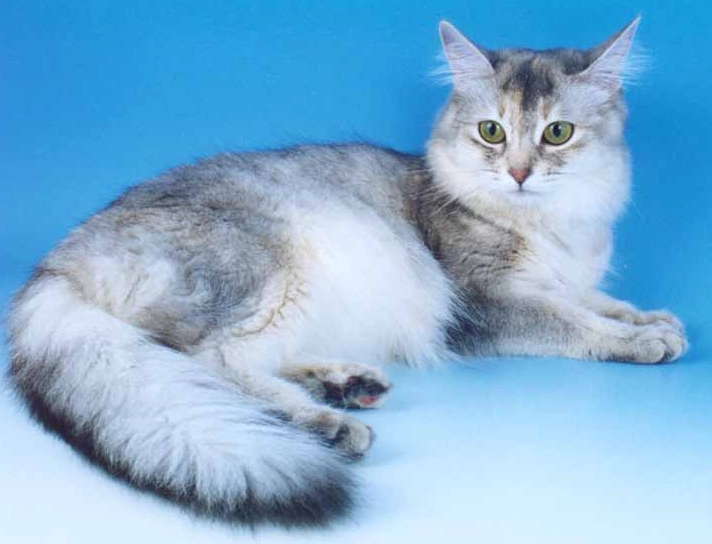
The Rest of the Package
The coat gets the headlines, but the rest of the cat completes the fox-like image. They have large, almond-shaped eyes that are usually a captivating green or gold, standing out brilliantly against the silver fur. Their ears are large, pointed, and tufted. They have a muscular, medium-sized body that feels surprisingly substantial when you pick them up—they're athletes, not dainty ornaments.
Personality Plus: Living with a Silver Somali
If you want a cat that sleeps 20 hours a day on the windowsill, look elsewhere. The Somali personality is intense, playful, and deeply social.
- Perpetual Motion Machine: They retain kitten-like playfulness well into adulthood. A dangling string isn't just a toy; it's a challenge to be conquered with acrobatic leaps.
- Brainy and Curious: They figure out puzzle feeders in minutes. Cabinets with child locks? Consider them warned. Their intelligence means they need mental stimulation, or they'll create their own (often destructive) entertainment.
- People-Oriented, Not Lap-Centric: They follow you from room to room, "help" with chores, and want to be involved in everything. But they're often too busy to be full-time lap cats. They'll sit next to you, not necessarily on you.
- Vocal, but Not Loud: They have a soft, chirping voice and will hold entire conversations with you. It's more of a dialogue than constant meowing.
I've found they often form a particularly strong bond with one person in the household, shadowing them relentlessly. It's endearing, but it can border on needy for some owners.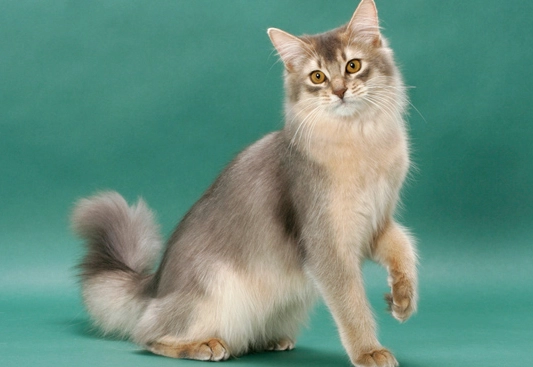
How to Care for Your Silver Somali Cat
Here’s the practical stuff—the daily, weekly, and yearly routine to keep a Silver Somali happy and healthy.
| Care Aspect | Specifics for Silver Somalis | Why It Matters |
|---|---|---|
| Grooming | Weekly brushing with a wide-toothed comb or slicker brush. Increase to 2-3 times weekly during seasonal sheds (spring/fall). | Their fine fur can mat, especially under the arms and in the ruff. Regular brushing removes dead hair and distributes skin oils, keeping that signature shimmer. Avoid dense pin brushes—they can snag and break the fine hairs. |
| Diet & Nutrition | High-quality, protein-rich diet. Measured meals often better than free-feeding. | Active breeds need fuel. A good diet supports muscle tone and a healthy coat. Somalis can be prone to overeating if food is always available. |
| Exercise & Enrichment | Non-negotiable. Daily interactive play sessions (15-20 mins, 2x day). Cat trees, climbing walls, puzzle toys, fetch. | Boredom leads to mischief (chewing cords, knocking things over). Vertical space is crucial for this climber. A tired Somali is a well-behaved Somali. |
| Litter Box | Very clean, large box. Unscented, clumping litter often preferred. | They are fastidious and may reject a dirty box. A large box accommodates their size and active digging. |
| Veterinary Care | Annual check-ups. Discuss breed-specific screenings (see health section). | Preventive care is key. Their high energy can mask subtle signs of illness. |
A common mistake I see? Owners think the longish coat needs daily, aggressive brushing like a Persian. It doesn't. Over-brushing, especially with the wrong tool, can strip out the undercoat and ruin the texture. Stick to a gentle, weekly routine.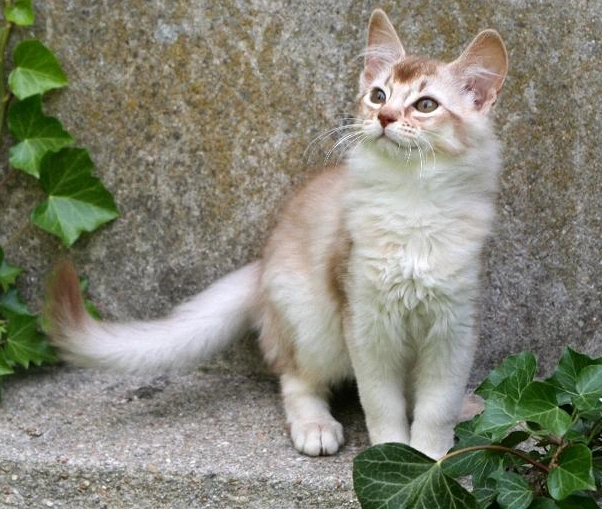
Silver Somali Cat Health Considerations
Generally healthy, but like all purebreds, they have some predispositions. Reputable breeders screen for these.
Key Health Points for Somali Cats
Progressive Retinal Atrophy (PRA): A genetic disease causing gradual blindness. A responsible breeder will have tested parent cats for the gene. Ask for proof.
Gingivitis/Periodontal Disease: They seem prone to dental issues. Start tooth brushing early or use approved dental treats/water additives.
Renal Amyloidosis: A serious kidney condition that can affect Abyssinians and Somalis. Not as common as PRA, but a good breeder is aware of it.
Patellar Luxation: A slipping kneecap. Usually mild if present, but something a vet can check during exams.
The Silver color itself is not linked to any specific health problems. Their lifespan is typically 12-15 years, sometimes longer with excellent care.
Is a Silver Somali Cat Right for You?
Let's be honest. This breed is a commitment. They are not a low-maintenance pet.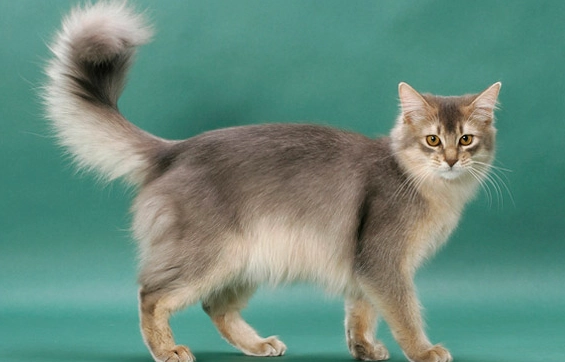
You'll likely thrive with a Silver Somali if: You're home often, love interactive pets, have a cat-proofed home with climbing options, enjoy playful chaos, and are ready for a 15-year friendship with a tiny, furry CEO who demands your attention.
Think twice if: You're gone 10+ hours a day, prefer a quiet, sedentary cat, dislike cat hair (they shed, especially seasonally), or get frustrated by persistent curiosity (e.g., cats on counters, in sinks, opening drawers).
They can do well with respectful older children, cat-friendly dogs, and often prefer another active cat companion. Introducing a Somali to a timid, older cat might be stressful for the older pet.