In This Guide
- From Roman Mousers to Living Room Legends: A Brief History
- The British Shorthair Blueprint: Looks and Personality
- Living With a British Shorthair: The Day-to-Day Reality
- Health and Lifespan: What You Need to Know
- Finding Your British Shorthair Kitten: Breeder vs. Rescue
- Your British Shorthair Questions, Answered
- The Final Verdict: Is a British Shorthair Right for You?
Let's be honest, you've probably seen a picture. That incredibly round face, those big copper eyes, and a coat that looks like plush velvet. The British Shorthair cat has this undeniable, cuddly teddy bear vibe that just pulls you in. I remember the first time I met one at a friend's house. It wasn't leaping around or demanding attention. It just sat there, a perfect, dense loaf of cat, observing the room with a calm, almost regal patience. When I finally got to pet it, the fur was unbelievably dense and soft. I was hooked. But is the reality of living with a British Shorthair as perfect as that first impression?
This guide is for anyone who's gone beyond just admiring photos and is seriously considering welcoming one of these iconic cats into their home. We're not just going to list facts. We're going to dig into what it's really like – the good, the great, and the few things that might make you pause. From their surprisingly ancient history to the nitty-gritty of daily care and those pesky health questions everyone whispers about, we'll cover it all. My aim is to give you the complete picture, the kind of info you'd get from chatting with a long-time owner over a cup of tea.
From Roman Mousers to Living Room Legends: A Brief History
It's easy to see the British Shorthair as a modern creation, a product of selective breeding for cuteness. But their story is much older. Believe it or not, their ancestors likely arrived in Britain with the Romans, serving as efficient mousers on ships and in settlements. These hardy street cats evolved naturally over centuries, developing that thick, water-resistant coat to survive the damp British climate. They were the original working cats of Britain.
The shift from street cat to show cat began in the Victorian era. Cat fanciers, including the famed Harrison Weir (often called the "father of the cat fancy"), took a liking to these robust native cats. Weir is credited with organizing the first modern cat show at the Crystal Palace in London in 1871, where British Shorthairs were featured and standards began to be formalized. The two World Wars nearly wiped the breed out, but dedicated breeders outcrossed with other breeds like Persians to rebuild the population. This Persian influence is sometimes cited as a potential contributor to the breed's later health considerations, which we'll get to. If you're a history buff, the Governing Council of the Cat Fancy (GCCF), the UK's premier cat registry, has fascinating archives on breed development.
The key takeaway? The British Shorthair isn't a delicate, engineered breed. Its core is resilience and practicality. That history is written into its DNA, giving us the solid, low-fuss companion we know today.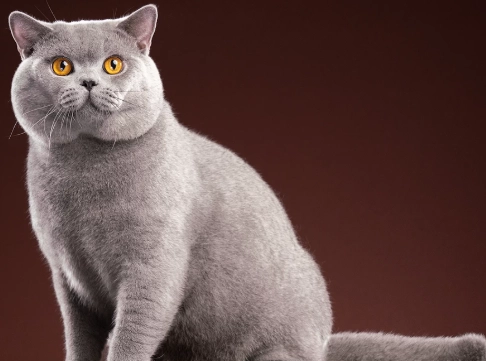
The British Shorthair Blueprint: Looks and Personality
That Iconic "Teddy Bear" Look
What exactly makes a British Shorthair a British Shorthair? It's all about the roundness and substance.
- The Head: It's a perfect circle when viewed from the front. The cheeks are full and prominent (giving them that jowly, wise look), and the skull is nicely rounded. The nose is short, broad, and straight.
- The Eyes: Large, round, and wide-set. The classic and most sought-after color is a deep, rich copper or orange. Blues can have stunning amber eyes, while other colors like gold or green are also possible depending on the coat.
- The Body: This is a cat built like a tank. They are medium to large, with a broad, muscular chest, powerful shoulders, and strong legs. They feel heavy when you pick them up – it's all solid muscle and bone under that fur. They mature slowly, often not reaching their full physical potential until they are three to five years old.
- The Coat: The "shorthair" part is almost misleading. It's short, yes, but it's also incredibly dense, crisp, and plush. It stands away from the body and has a firm texture. Petting one is a unique tactile experience; it's like stroking a dense wool carpet. The undercoat is thick, which is why they shed – a lot, especially seasonally.
Beyond Blue: A Rainbow of Colors
While the "British Blue" (a solid blue-grey) is the most famous, the breed comes in a huge variety of colors and patterns. The Cat Fanciers' Association (CFA) recognizes dozens. Here are some of the most common you might encounter:
| Color/Pattern | Description | Eye Color |
|---|---|---|
| Blue | The classic solid blue-grey. The nose leather and paw pads are blue. | Copper or Deep Orange |
| Black | Solid jet black from roots to tip. Nose leather and pads are black. | Copper or Deep Orange |
| White | Pure, glistening white. Can have blue, gold, or odd-eyes (one blue, one gold). | Blue, Gold, or Odd |
| Chocolate | Rich, warm milk-chocolate brown. | Copper or Gold |
| Lilac | A pale, frosty grey with a pinkish hue, like diluted chocolate. | Copper |
| Silver Tabby | Stunning pattern with black markings on a bright silver ground. Often with a "M" on the forehead. | Green or Hazel |
| Golden | Not officially recognized by all, but highly prized. Apricot undercoat with black tipping. | Green or Blue-Green |
| Colorpoint | Like a Siamese pattern (darker face, ears, legs, tail) on a British Shorthair body. Recognized as a separate breed (British Longhair) in some registries when longhaired. | Blue |
Finding your perfect color is part of the fun, but remember, personality should always come first. A grumpy lilac cat is still a grumpy cat.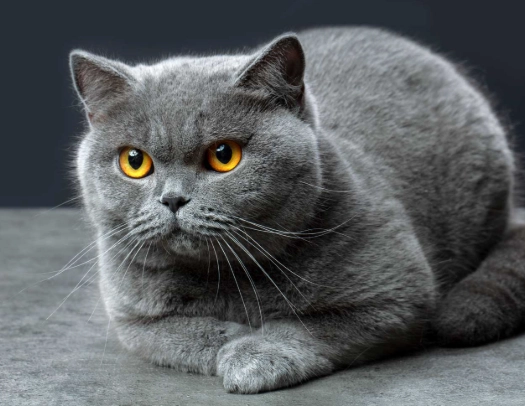
The British Shorthair Temperament: Chill, But Not a Couch Potato
This is where the breed truly shines for many people. If you're looking for a cat that's constantly in your face, performing acrobatics off your curtains, or yowling for attention at 5 AM, look elsewhere. The typical British Shorthair personality is best described as calm, dignified, and undemanding.
They form deep, loyal bonds with their families but often show it in quiet, subtle ways. Don't expect frantic leg-rubbing or constant meowing. You might get a slow blink from across the room, or they'll simply choose to sit in the same room as you, content with your presence. They are not typically "lap cats" in the traditional sense of staying for hours. More often, they'll sit next to you, or on the back of the sofa behind your head. Their affection is on their own terms, which I actually find more rewarding. When a British Shorthair chooses to grace you with a head bump or a purring sit-down, it feels earned.
They are famously good with children, other cats, and even calm dogs because of their easygoing and tolerant nature. They rarely use their claws in play and aren't easily startled. Their play style is more thoughtful than frantic. A feather wand or a ball they can bat around will engage them, but they're just as happy watching the world from a windowsill. They are intelligent and can learn tricks (like fetch!) if you use positive reinforcement and food motivation.
A Personal Observation: I've heard some people call them "boring." I think that's unfair. They're not boring; they're peaceful. In a chaotic world, having a living creature in your home that exudes such steady, quiet calm is a genuine gift. They lower the blood pressure of a room just by being in it.
That said, they can have a stubborn streak. If they don't want to move, good luck making them. And while not vocal, they have a distinct, quiet chirp or meow they'll use when it's truly important (like mealtime being five minutes late).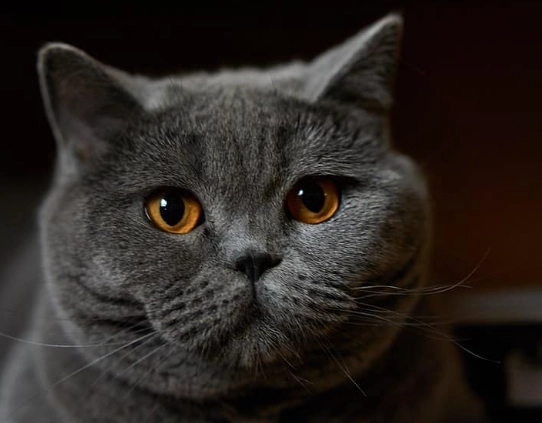
Living With a British Shorthair: The Day-to-Day Reality
Grooming: Easier Than You Think, But Don't Skip It
That plush coat is low-maintenance, but it's not no-maintenance. A weekly brush with a good-quality slicker brush or a stainless-steel comb is essential. This does a few things: it removes loose hair and cuts down on the hairballs (which they can be prone to), it distributes skin oils for a healthy shine, and it's a great bonding activity. During shedding seasons (spring and fall), you might need to brush every other day. I'd recommend getting a rubber grooming mitt too – many British Shorthairs seem to prefer the sensation over a brush.
Beyond brushing, check their ears weekly for wax, trim their claws every couple of weeks, and get them used to having their teeth brushed. Starting these routines young is key.
Feeding Your British Shorthair Cat
This is crucial. Remember that solid, cobby body? It's easy for it to become overweight. British Shorthairs are not marathon runners. They are prone to laziness, and combined with a love of food, obesity is a real risk. An overweight cat is at higher risk for diabetes, arthritis, and other issues.
- Portion Control is King: Follow feeding guidelines on quality food and adjust based on your cat's activity level. Your vet can help you determine an ideal weight.
- Quality Matters: Invest in a high-quality cat food with a good protein content as the first ingredient. Look for foods specifically formulated for indoor cats or weight management.
- Wet vs. Dry: A combination is often best. Wet food helps with hydration (important for urinary tract health), while dry food can help with dental hygiene. Some owners feed primarily wet food to control calories more easily.
- Beware the Beggar: They will look at you with those big copper eyes. Be strong. Stick to the schedule.
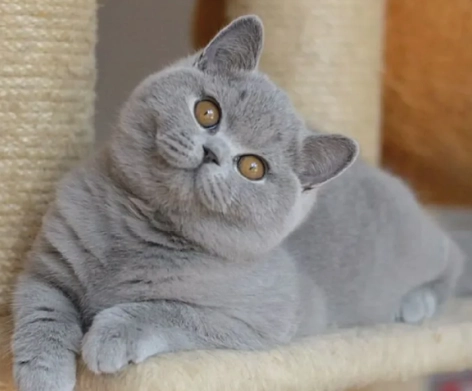
"The single biggest mistake new British Shorthair owners make is overfeeding. They mistake the breed's natural stockiness for being 'big-boned' and end up with a genuinely obese pet. It's a health issue, not an aesthetic one." – A sentiment echoed by many breed-experienced veterinarians.
Exercise and Enrichment
They won't exercise themselves. You need to engage them. Short, interactive play sessions twice a day are perfect. Laser pointers (always end with a physical toy they can "catch"), wand toys, and puzzle feeders are excellent. Provide cat trees for climbing and perching, especially near windows. A bored British Shorthair is a sleeping British Shorthair, which accelerates weight gain.
Health and Lifespan: What You Need to Know
A well-cared-for British Shorthair cat can live a long, healthy life, typically 12 to 15 years, and often longer. They are generally robust, but like all purebreds, they have some predispositions to be aware of. Responsible breeders test for these.
- Hypertrophic Cardiomyopathy (HCM): This is the most common heart disease in cats, and British Shorthairs are among the breeds with a known predisposition. It's a thickening of the heart muscle. Reputable breeders will screen their breeding cats via echocardiograms. Ask a breeder for proof of recent HCM screening (within the last year) for the parents. There's no guarantee, but it significantly lowers the risk.
- Polycystic Kidney Disease (PKD): This is an inherited condition where cysts develop in the kidneys. Thanks to DNA testing, this is now largely avoidable. Any reputable breeder will test their cats for PKD and provide proof that the parents are PKD-negative. The International Cat Care organization has clear resources on inherited conditions in cats.
- Hemophilia B: A clotting disorder that, while rare, has been noted in the breed. Again, responsible breeding minimizes this.
- Urinary Issues: They can be prone to cystitis and urinary crystals/stones. This is where diet and hydration are critical. Feeding wet food and ensuring fresh water is always available (a cat water fountain can encourage drinking) are proactive steps.
- Dental Disease: Their rounded jaw structure can sometimes lead to dental crowding, making them more susceptible to tartar buildup and gingivitis. Regular teeth brushing and veterinary dental check-ups are a must.
My Two Cents on Health: I've spoken to owners who were caught off guard by HCM. It's the big one. It makes the process of finding a breeder so important. Don't be shy about asking for health test results. A good breeder will be proud to show them to you. If they get defensive or vague, walk away. It's that simple.
Pet insurance is a very wise investment for a British Shorthair. Start it when they're a healthy kitten to ensure coverage for any future conditions.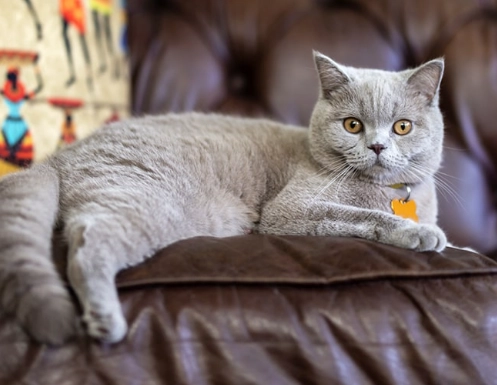
Finding Your British Shorthair Kitten: Breeder vs. Rescue
Choosing a Reputable Breeder
This is the most important step. A good breeder is your partner in ensuring you get a healthy, well-socialized kitten. Here’s what to look for:
- Health Testing Transparency: They should openly discuss and provide certificates for HCM screenings (echo) and PKD DNA tests for the parents, at a minimum.
- Focus on Temperament: Kittens should be raised underfoot in the home, not in a shed or cage. They should be well-socialized with people, sounds, and handling.
- Knowledge and Passion: They should ask you as many questions as you ask them. They want to know their kittens are going to good, prepared homes. They will be a resource for you for the cat's entire life.
- Registration: Kittens should be registered with a reputable cat association (like CFA, TICA, or GCCF).
- Contract: They will have a contract that includes a health guarantee, a spay/neuter requirement for pet-quality kittens, and a clause requiring you to return the cat to them if you can no longer keep it.
Be prepared to be put on a waiting list. Good breeders don't have litters available every month. The cost for a British Shorthair kitten from a reputable breeder typically ranges from $1,200 to $2,500+ in the US, depending on location, color, and pedigree.
Considering a Rescue or Adult Cat
Don't overlook this option! Breed-specific rescues exist, and British Shorthairs or British Shorthair mixes do sometimes end up in general shelters or foster care. An adult cat's personality is already established, so you know exactly what you're getting. You're also giving a deserving cat a second chance. Check with organizations like Petfinder and search by breed.
Your British Shorthair Questions, Answered
The Final Verdict: Is a British Shorthair Right for You?
Let's wrap this up. The British Shorthair cat is an incredible companion for the right person or family.
Choose a British Shorthair if you: Want a calm, undemanding presence in your home. Value quiet companionship over constant interaction. Have a relatively peaceful, predictable household. Are willing to be disciplined about diet and grooming. Appreciate a sturdy, beautiful animal with a fascinating history.
Think twice about a British Shorthair if you: Want a cuddly lap cat that craves constant physical affection. Live in a very chaotic, loud, or unpredictable environment. Are not prepared for significant shedding. Have a tendency to overfeed pets. Want a cat that will play fetch for hours or learn complex tricks on command.
For me, the appeal is timeless. There's a reason the image of the British Shorthair, especially the blue, is used in art and advertising to represent the ideal cat. They are substantial, both physically and in personality. They offer a deep, quiet kind of love that grows on you. They're not the star of the show; they're the dependable, elegant co-star that makes everything else look better.
Do your homework, find a fantastic breeder or rescue, and be ready for the brushing and portion control. In return, you'll get a living piece of art with a purr, a creature whose mere presence can make a bad day better. That, in my book, is what makes the British Shorthair so special.