Your Quick Guide to Abyssinian Cats
You know how some cats just stroll into a room and own it? That's an Abyssinian for you. I remember the first time I met one at a friend's house. It wasn't just sitting there looking pretty—it was on top of the bookshelf, then under the coffee table, then delicately batting at a sunbeam, all while giving me this look like it was assessing whether I was interesting enough. I was hooked. There's an undeniable magnetism to them, a spark that's hard to put into words. But let's try.
If you're asking "What is special about Abyssinian cats?", you're probably past the point of just seeing a cute picture. You're sensing there's more to them, and you're absolutely right. They're not your average lap cat (though they can be, on their own terms). They're often described as the "clowns" or the "Aby-sillians" of the cat world, and for good reason. But there's ancient history in those bright eyes, and a personality that can be both wonderfully engaging and, let's be honest, a bit demanding.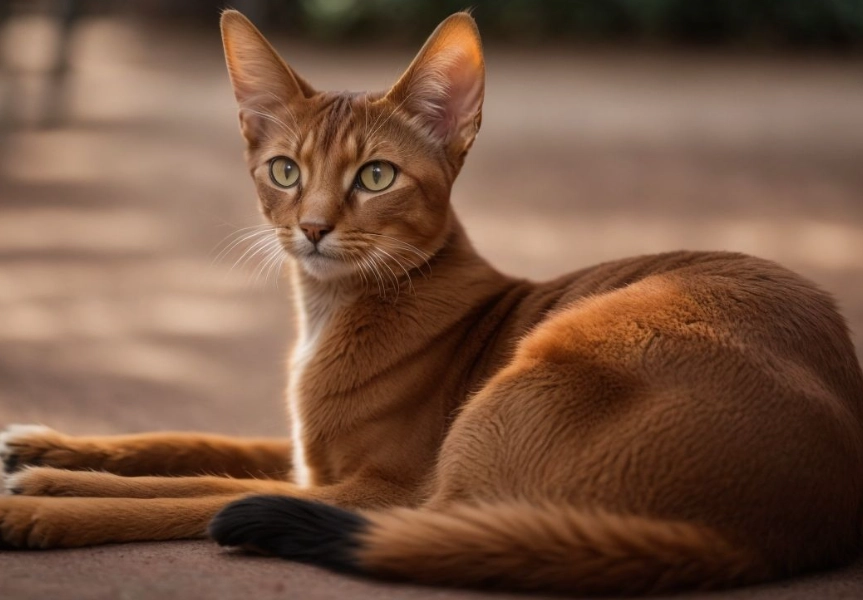
Think of them less as furniture ornaments and more as tiny, four-legged adventurers with a sleek, ticked coat and a permanent curiosity charge. They're the cats that make you laugh, make you wonder, and sometimes make you run to find where that crashing sound came from.
The Look: Where the Wild Things Came From
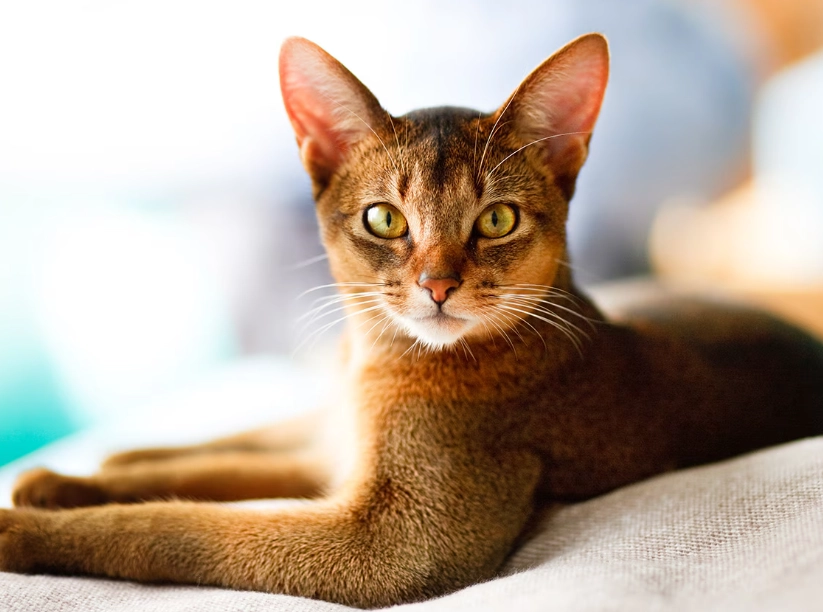
Let's start with the obvious. You can't talk about what's special without mentioning that coat. It's their signature. It’s called a "ticked" or "agouti" coat, and it’s what gives them that incredible, almost wild appearance. Each hair isn't a solid color. Instead, it's banded with multiple colors—usually a lighter base with two or three darker bands. This creates a stunning, warm, shimmering effect without any distinct stripes or spots, except sometimes on their legs and tail. It looks like sunlight dappling through sand or forest floor.
The most common color is "ruddy"—a warm burnt sienna/orange base with black ticking. But they also come in gorgeous shades of red (cinnamon), blue (a soft warm gray), and fawn (a light creamy beige). The Cat Fanciers' Association (CFA) breed standard details these colors beautifully. Their bodies are muscular and lithe, built for athleticism, not for fluff. They have large, alert ears that seem to be always listening, and expressive, almond-shaped eyes that range from gold to green, often with a worried or intensely curious look.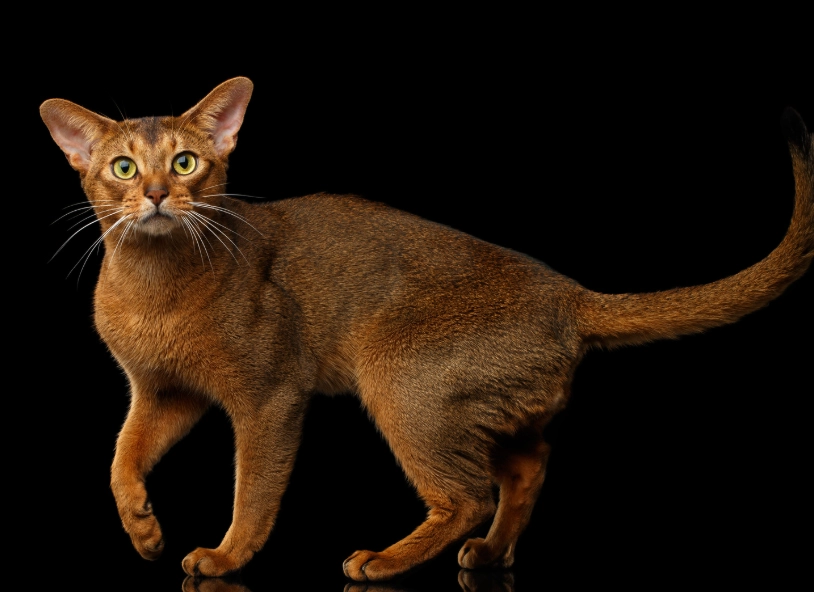
Honestly, they look like miniature pumas or cougars. It’s a look that screams ancient lineage, and many believe they are descendants of cats worshipped in ancient Egypt. While the genetic link isn't definitively proven, the resemblance to cats in Egyptian art is uncanny. The breed's name comes from Abyssinia (modern-day Ethiopia), where the first cat of this type was said to have been brought to England in the 1860s.
The Aby Personality: A Brain on Four Paws
This is where the question "What is special about Abyssinian cats?" gets its most enthusiastic answers. If their coat is the wrapping, their personality is the fantastic, never-ending gift inside.
They're Supremely Intelligent (and Know It)
Abyssinians are scarily smart. This isn't just "they can learn a trick" smart. This is problem-solving, puzzle-loving, "I watched you open that cabinet once and now I do it myself" smart. They get bored easily with routine. You'll need to provide interactive toys, food puzzles, and regular play sessions that challenge their minds. Forget the worst thing you can do to an Aby is leave them alone with nothing to do. They will find something, and you might not like their choice of project (RIP to those window blinds).
This intelligence makes them highly trainable. Many Abys learn to fetch, walk on a harness, and respond to their names. But it also means they have a strong sense of independence and can be stubborn. You don't own an Abyssinian; you coexist with a clever, furry roommate who has its own agenda.
They're Incredibly Active and Playful
Forget the stereotype of the lazy cat sleeping 20 hours a day. An adult Abyssinian often retains a kitten-like playfulness well into its senior years. They love high places and will claim the top of your refrigerator, your highest bookshelf, or the curtain rod as their throne. A cat tree is not a suggestion; it's a necessity for this breed.
Their play is energetic and involved. They don't just bat at a string; they leap, twist, and perform acrobatics. They have a fascination with water—dripping taps, spraying taps, and sometimes a body.. They might pat at your water glass or join you in the shower. It's bizarre and endearing.
They're Profoundly Social and Communicative
Abyssinians are often called "dog-like" in their loyalty and need for companionship. They are not aloof. They form deep bonds with their human families and want to be involved in everything you do. Cooking? They'll supervise from the kitchen island. Working on the computer? They'll try to help by walking on the keyboard. Reading a book? That's clearly a lap invitation.
They have a soft, pleasant chirp or trill rather than a loud meow, and they use it frequently to comment on the world or ask for your attention. They follow you from room to room. Leaving an Aby alone for long hours is a recipe for a lonely, unhappy, and potentially destructive cat. This is why many experts recommend getting two if you're away often. They do well with another playful, social cat or even a friendly dog.
But here's a personal, slightly negative opinion: this intense need for interaction can be draining. If you want a pet that is content to be independent, that is happy to just laze around, an Abyssinian is a terrible fit. They demand mental and physical engagement. It's a commitment.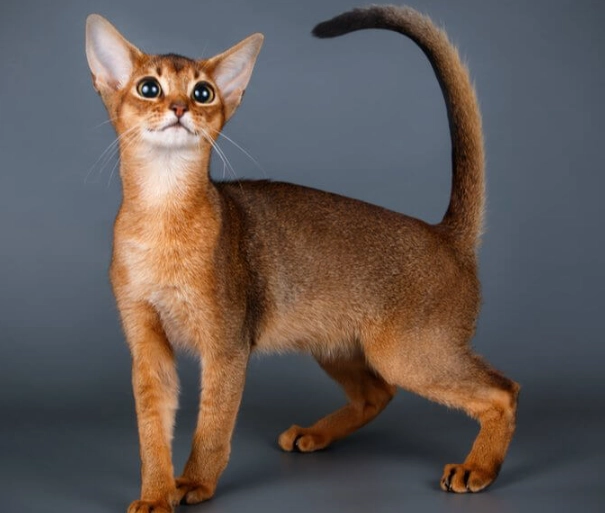
Living with an Aby: The Practical Stuff
Alright, so they're smart, active, and social. What does that mean for daily life?
Care and Grooming: Surprisingly Easy
Here's a bit of good news. Despite their regal appearance, Abyssinian cat care is relatively straightforward. Their short, fine coat doesn't mat. A weekly brush with a rubber grooming mitt or a fine-toothed comb is usually enough to remove loose hair and distribute skin oils. It's more of a bonding activity than a necessity. They are generally very clean cats and fastidious self-groomers.
Diet and Exercise: Non-Negotiables
Because they are so active, Abyssinians need a high-quality, protein-rich diet to fuel their energy. Obesity is rare in this breed, but portion control is still important. The real key is exercise. You cannot just put out a food bowl and expect a happy Aby.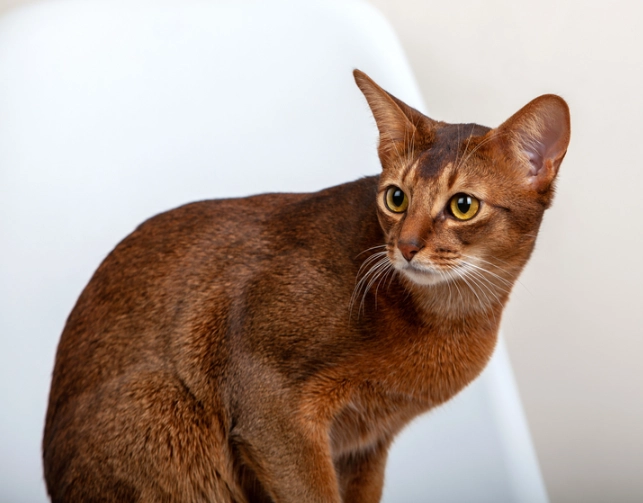
Think of playtime with an Aby as a critical part of their daily care, like feeding them. Without it, they develop behavioral issues.
Interactive play sessions with wand toys, laser pointers (used responsibly, always ending with a physical toy they can "catch"), and puzzle feeders are essential. Many Abys love learning tricks for treats. Creating a "catified" home with shelves, perches, and window seats gives them an acceptable outlet for their climbing urges.
Health and Lifespan: What to Watch For
On average, Abyssinians live 12-15 years, some even longer with great care. They are generally a robust breed, but like all purebreds, they can be predisposed to certain Abyssinian cat health issues. Responsible breeders screen for these.
The main ones to be aware of are:
- Progressive Retinal Atrophy (PRA): A genetic condition that can lead to blindness. Reputable breeders test their cats for this gene.
- Renal Amyloidosis: A serious kidney disease where abnormal protein deposits damage the organ. It has been noted in the breed.
- Patellar Luxation: A knee cap that slips out of place, common in many active, small-boned breeds.
- Gingivitis/Periodontal Disease: Some lines seem prone to dental issues, making regular teeth brushing and vet dental checks important.
This is why buying from a reputable breeder who does full health testing is non-negotiable. Ask to see the health clearances for the parents (like those from the Orthopedic Foundation for Animals). The International Cat Association (TICA) can help you find breeders.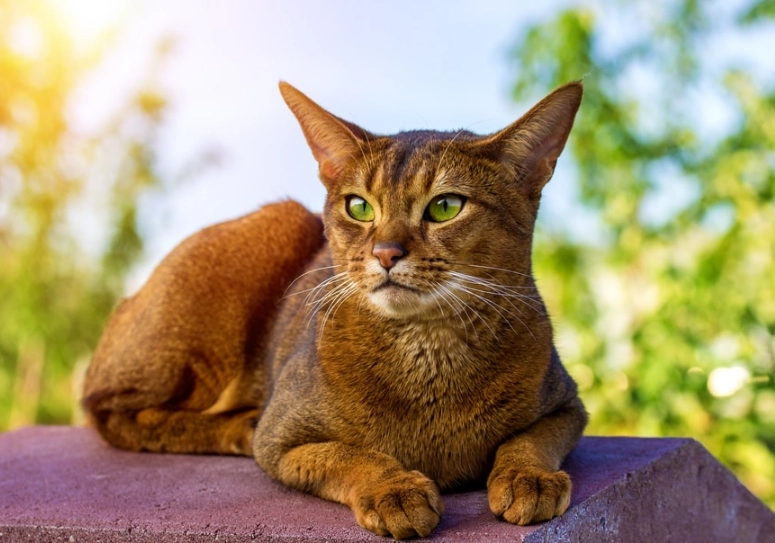
The Aby Checklist: Is This Cat For You?
Let's be brutally honest. The wonderful things that are special about Abyssinian cats are also what make them unsuitable for many people. They are not a low-maintenance pet.
Here’s a quick table to help you decide:
| An Abyssinian is PERFECT for you if you... | An Abyssinian is a BAD fit if you... |
|---|---|
| Want an interactive, "involved" companion. | Want a low-key, independent cat that minds its own business. |
| Have an active household (kids, other pets). | Are gone for long hours most days without a pet sitter. |
| Enjoy playing with and training a pet. | Prefer a quiet, sedentary lifestyle. |
| Can provide vertical space (cat trees, shelves). | Live in a very small space with no room to climb/run. |
| Appreciate intelligence and curiosity. | Get frustrated by mischievous or demanding behavior. |
Answering Your Questions (The FAQ)
Final Thoughts: The Essence of an Aby
So, after all this, what is the most special thing about Abyssinian cats?
It's not just one trait. It's the combination. It's the wild beauty wrapped around a brilliant, playful, and deeply affectionate heart. They are cats that live life with gusto. They are not passive observers; they are active participants in your world.
Owning an Aby is an experience. It's demanding, sometimes chaotic, but incredibly rewarding. They will make you laugh daily with their antics. They will surprise you with their cleverness. They will warm your heart with their devoted companionship. But they will also challenge you to be a more engaged and thoughtful pet owner.
If you are looking for a beautiful ornament, get a statue. If you are looking for a true feline partner-in-crime, a creature that will fill your home with life, energy, and a unique kind of love, then the answer to "What is special about Abyssinian cats?" might just be the beginning of a wonderful adventure.
Just make sure you're ready for the climb.