So you're thinking about a Russian Blue kitten. Good choice. I've had Russian Blues for over ten years, and let me tell you, they're not your average cat. But there's a lot of misinformation out there. People see that sleek gray coat and assume they're aloof or high-maintenance. Wrong. In this guide, I'll cut through the noise and give you the real scoop—based on my own mistakes and triumphs.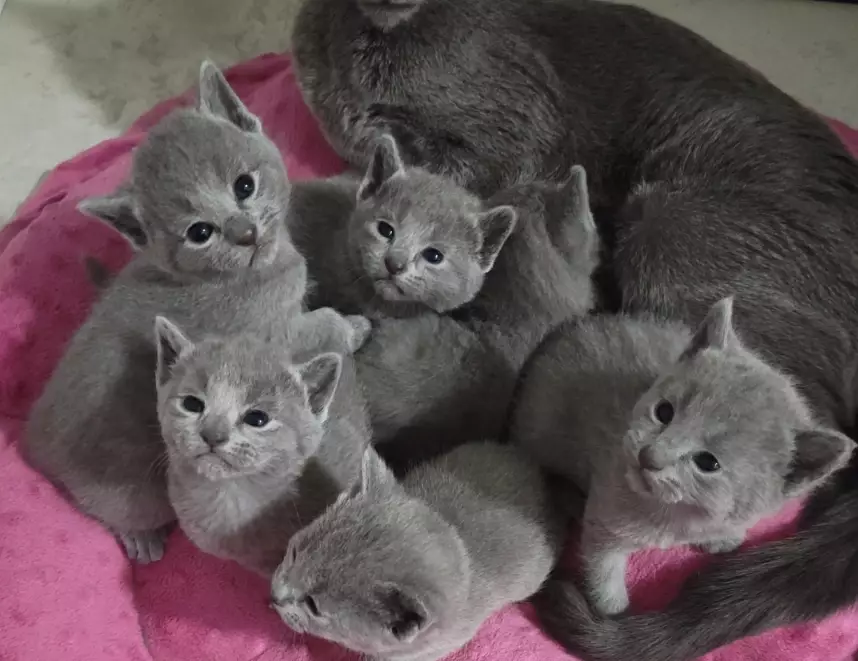
Jump to What Matters
What Makes a Russian Blue Kitten Unique?
First off, Russian Blues aren't just gray cats. That coat is a double-layered, plush silver-blue that feels like velvet. It's hypoallergenic for many people because they produce less Fel d 1 protein, the common allergen. But don't take that as a guarantee—I've seen folks still react. Test it out if allergies are a concern.
Their eyes start as yellow in kittens and gradually turn a vivid green by adulthood. It's a slow process, taking up to two years. I remember worrying my first kitten had eye problems, but the vet assured me it's normal.
Personality: Shy or Social?
Here's where most guides get it wrong. Russian Blues are often labeled "reserved" or "distant." In my experience, that's only half the story. They're cautious with strangers, sure. But once they trust you, they become shadows—following you around, chirping (they have a soft, melodic voice, not a loud meow), and demanding attention on their terms.
They're intelligent. Mine learned to open doors by jumping on handles. Problem is, they can get bored easily. If you leave them alone all day, expect some mischief.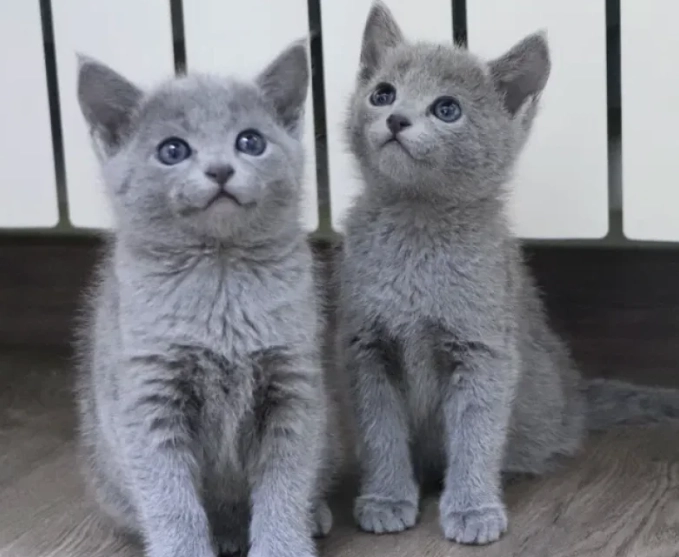
Quick Tip: Russian Blues thrive on routine. Feed them at the same times, play sessions scheduled—it reduces their anxiety.
How to Care for Your Russian Blue Kitten
Caring for a Russian Blue kitten isn't hard, but it requires consistency. Skip this, and you might end up with a stressed cat.
Feeding and Nutrition
Kittens need high-protein food. I made the mistake of buying cheap kibble early on, and my cat developed a dull coat. Switch to quality wet or dry food with real meat as the first ingredient. The Cat Fanciers' Association recommends a balanced diet for growth—check their resources for specifics.
Feed them three to four times a day until six months, then twice daily. Russian Blues aren't prone to obesity, but monitor portions. Mine tends to overeat if I free-feed.
Grooming Needs
That double coat sheds less than other breeds, but it still needs care. Brush once a week with a soft bristle brush. During shedding seasons (spring and fall), bump it up to twice a week. I use a rubber grooming mitt—my kitten loves it, thinks it's a massage.
Bathing? Rarely needed. Their coat repels dirt. I bathe mine maybe once a year, and only if he gets into something messy.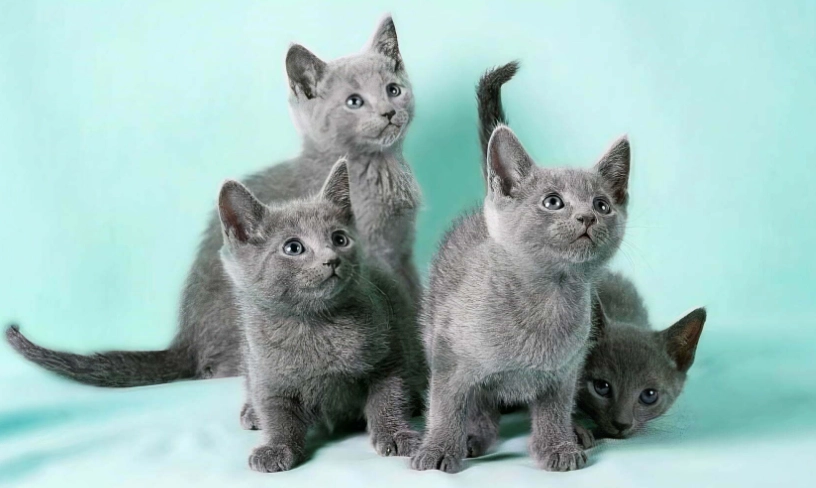
Exercise and Play
These cats are playful but not hyper. Provide interactive toys: feather wands, puzzle feeders, laser pointers (but always end with a physical toy to prevent frustration). They enjoy climbing, so a cat tree is a must. Mine spends hours on his, watching birds outside.
Without enough stimulation, they can become withdrawn. I learned this the hard way when I was too busy for a week—my cat started hiding more.
Health Issues to Watch Out For
Russian Blues are generally healthy, with a lifespan of 15-20 years. But there are a few genetic quirks. Don't panic, just be aware.
| Condition | Description | Prevention/Treatment |
|---|---|---|
| Hypertrophic Cardiomyopathy (HCM) | A heart disease that can be hereditary. More common in some lines. | Regular vet check-ups, ask breeder for health clearances. |
| Urinary Tract Issues | Some may develop crystals or infections, though less frequent than in other breeds. | Ensure plenty of water, feed wet food to increase hydration. |
| Dental Problems | Plaque buildup can occur if neglected. | Brush teeth weekly, provide dental treats. |
I insist on vet visits twice a year for my cats. Early detection saved one from a urinary blockage. Cost me $500, but worth it.
Vaccinations and parasite control are standard. Follow your vet's schedule. Russian Blues handle vaccines well, but mine once had a mild reaction—swelling at the injection site. The vet said it's rare but possible.
Where to Find a Russian Blue Kitten
This is critical. A poorly bred kitten can have health and behavior issues.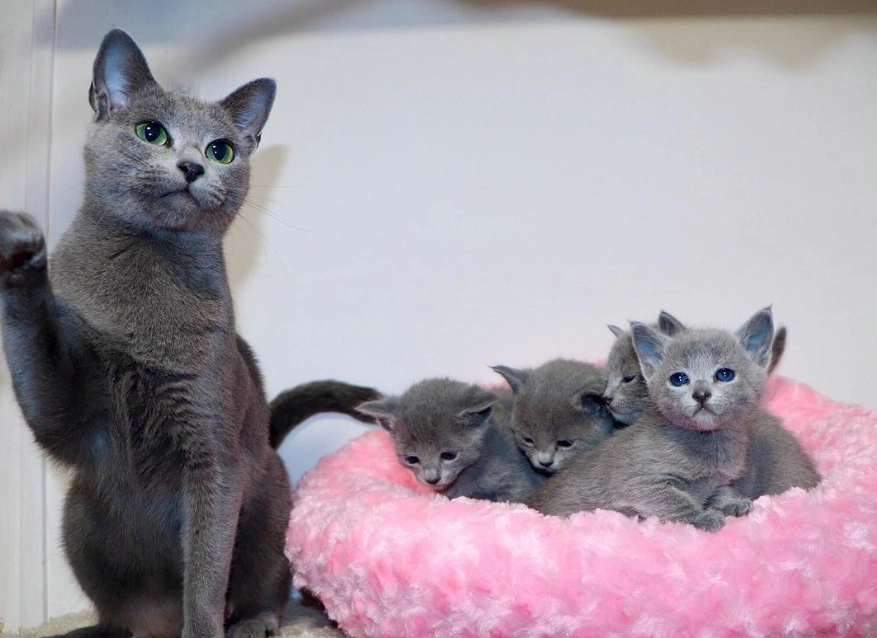
Reputable Breeders vs. Adoption
Most Russian Blues come from breeders. Look for those registered with organizations like The International Cat Association (TICA) or CFA. A good breeder will:
- Provide health certificates for parents (screening for HCM).
- Allow visits to see the kittens and mother.
- Ask you questions—they care where their cats go.
- Charge between $800 to $1500, depending on lineage.
Adoption is rarer but possible. Check breed-specific rescues or shelters. I've seen Russian Blue mixes listed—often mislabeled as gray domestics. Visit in person; personality matters more than purity.
Red Flags to Avoid
If a breeder sells kittens under 12 weeks old, run. Kittens need that time with their mother for socialization. Also, avoid anyone who pressures you to buy or doesn't offer a health guarantee.
I once visited a "backyard breeder" out of curiosity. The kittens were kept in a cramped space, shy and unhealthy. It's heartbreaking. Don't support that.
From my experience: Visit multiple breeders. Ask to see the living conditions. A clean, spacious environment means a lot.
Your Questions Answered
 What's the biggest mistake people make with Russian Blue kittens?
 Final thought: Russian Blue kittens are rewarding companions if you put in the effort. They're not for everyone, but if you want a loyal, intelligent cat that bonds deeply, you've found it. Start with a healthy kitten, stick to a routine, and enjoy the journey.