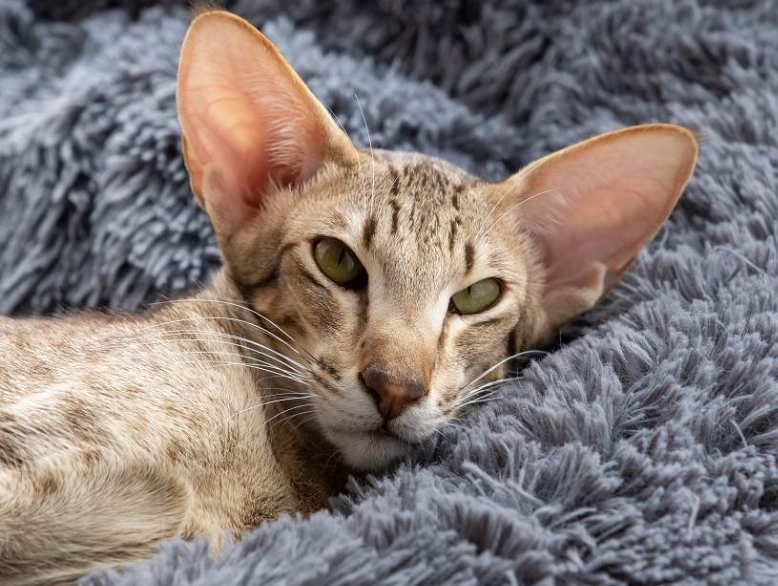
Let's cut to the chase. Are Oriental cats good pets? For the right person, absolutely. For the wrong one, it could be a disaster. This isn't a low-maintenance, aloof lap cat. An Oriental is a high-energy, deeply social, and astonishingly vocal companion that demands engagement. Think of them less as a pet and more as a permanent, furry toddler with a PhD in getting your attention. I've lived with Orientals for over a decade, and while I wouldn't trade them for the world, I've seen plenty of well-meaning owners buckle under their needs. This guide isn't just a breed summary; it's a reality check to see if your life aligns with the unique demands of this spectacular breed.
What You'll Find in This Guide
The Real Oriental Cat Personality: More Than Just "Talkative"
Every breed description mentions they're vocal. That's a massive understatement. An Oriental doesn't meow; they converse. They have an opinion on everything – the empty food bowl, the closed door, the bird outside, the meaning of life. It's not random noise; it's a running commentary. You'll learn the subtle differences between the "I'm bored" chirp and the "you're late for dinner" yodel.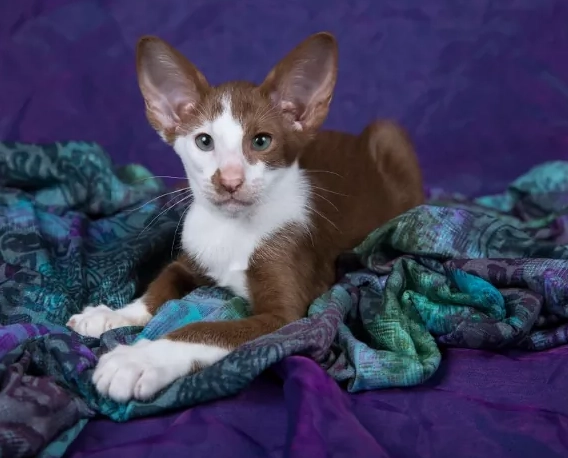
But the voice is just the tip of the iceberg. Their intelligence is what truly defines them. This is a cat that learns to open doors (lever handles are a joke to them), play fetch with more dedication than a retriever, and figure out puzzle feeders in minutes. Boredom is their enemy. A bored Oriental is a destructive Oriental. They will find ways to entertain themselves, and you might not like their choices—think unraveling entire rolls of toilet paper or systematically knocking items off shelves.
Their affection level is all-in. They are "velcro cats," following you from room to room, needing to be involved in every activity, whether it's working at your desk or taking a shower (yes, many are fascinated by water). They form intense bonds and can suffer from separation anxiety if left alone for long stretches. This isn't a cat you leave for a 12-hour workday without a plan.
Oriental vs. Siamese: The Key Personality Differences
They're cousins, often confused. While both are vocal and smart, Orientals are like the extroverted, adventurous sibling. They come in over 300 color and pattern combinations (solid, tabby, shaded, etc.), not just the classic Siamese points. Some owners and breeders note that Orientals can be slightly less intense in their vocal demands than a traditional Siamese, but "slightly" is the operative word. The core need for interaction is identical.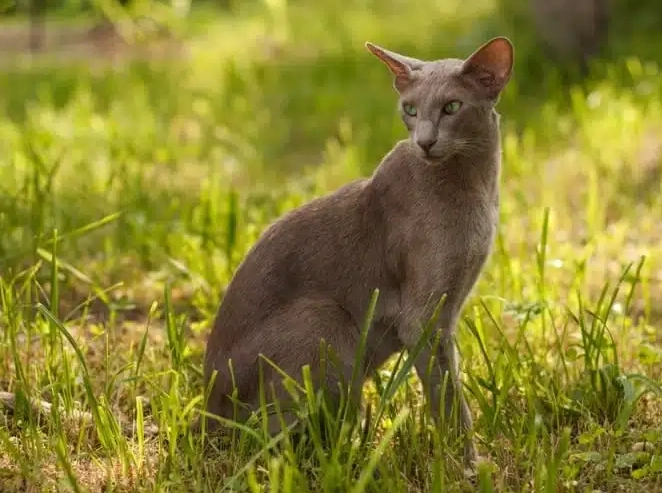
| Trait | Oriental Shorthair | Siamese (Modern) |
|---|---|---|
| Primary Distinction | All colors & patterns without the point restriction. | Color points on ears, face, paws, tail. |
| Energy Level | Extremely high, constant motion. | Extremely high, constant motion. |
| Vocalization | Profoundly conversational, wide range of sounds. | Profoundly conversational, often described as louder/more persistent. |
| Affection Style | "Velcro" companion, needs to be involved in everything. | Deeply bonded, can be more selectively attached to one person. |
Daily Life & Care Requirements: What You're Signing Up For
Caring for an Oriental is less about complex grooming and more about time and mental energy.
Grooming: The Easy Part
Their short, fine coat is low-maintenance. A weekly rub-down with a silicone grooming mitt or soft brush removes loose hair and distributes skin oils. That's it. No mats, no tangles. They are fastidious self-cleaners.
Diet & Feeding: Fuel for the Engine
These are lean, muscular cats with a high metabolism. They burn calories quickly. You need to feed a high-quality, protein-rich diet. Many Orientals are food-motivated, which is great for training but requires portion control to avoid obesity. I recommend scheduled meals over free-feeding. Puzzle feeders are a fantastic tool—they turn dinner into a 20-minute brain game, satisfying their cognitive hunger.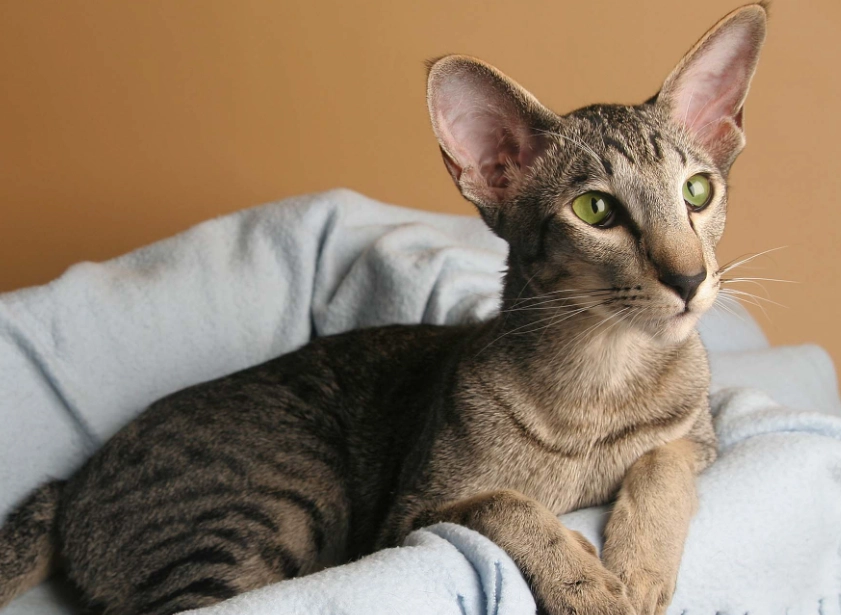
Environmental Enrichment: Non-Negotiable
This is the most critical part of care. Your home must be their playground.
Vertical Space: Cat trees aren't décor; they are infrastructure. Tall, sturdy cat trees by windows are essential. Consider wall-mounted shelves to create a "cat highway."
Interactive Play: Two dedicated 15-minute play sessions per day are a minimum. Use wand toys that mimic prey (feathers, fluttering fabric). My Oriental, Jasper, will play fetch with small crumpled paper balls until my arm gives out.
Mental Stimulation: Rotate toys weekly to prevent boredom. Food puzzles, treat-dispensing balls, and even clicker training for simple tricks ("sit," "high five") work wonders.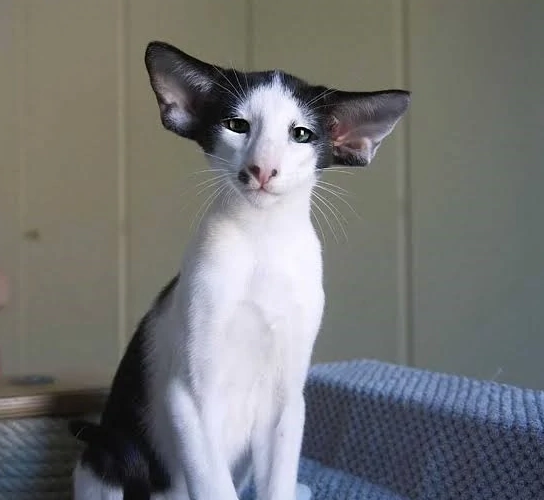
Oriental Cat Health & Lifespan: A Proactive Approach
With good care, Orientals often live into their mid-to-late teens. They are generally healthy, but being a pedigreed breed, they have some predispositions to be aware of. A responsible breeder will screen for these.
Progressive Retinal Atrophy (PRA): A genetic condition that leads to blindness. Reputable breeders test for this and should provide proof.
Dental Issues: Like many breeds, they can be prone to gingivitis. Establishing a teeth-brushing routine early is a game-changer. Even a few times a week helps.
Amyloidosis: A serious disease where protein deposits damage organs, particularly the liver. It's more noted in related breeds like Siamese but is a concern. Ask your breeder about its incidence in their lines.
Respiratory Issues: Their sleek heads mean fewer brachycephalic problems, but some lines may be more prone to minor upper respiratory infections.
The single most important thing you can do for their health is choose a responsible breeder. Look for one registered with organizations like The International Cat Association (TICA) or the Cat Fanciers' Association (CFA) who performs genetic health testing on their breeding stock, raises kittens in-home, and asks you as many questions as you ask them.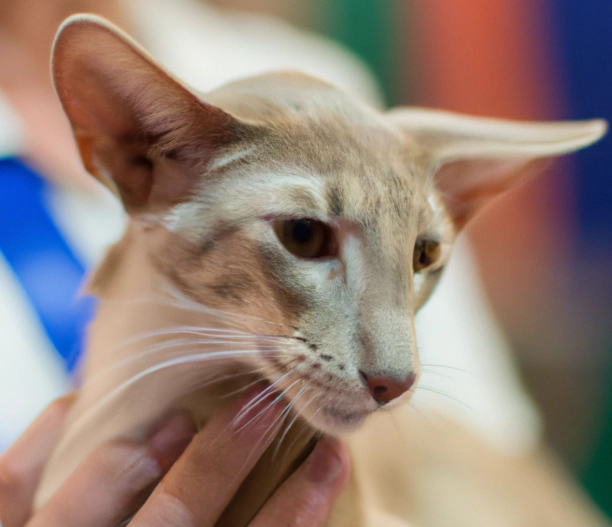
Is an Oriental Cat Right for Your Home? A Honest Checklist
Don't just fall for the elegant looks. Run through this list.
- Having another playful pet or being committed to getting two Oriental kittens.
- Being home a good amount or having a stimulating environment for them when alone.
- Enjoying constant interaction and conversation from a pet.
- Providing active play sessions daily, without fail.
- Valuing intelligence and personality over a quiet, decorative pet.
- Having a safe, catified space with vertical territory.
- You crave peace, quiet, and a low-key pet.
- You work long hours outside the home with no pet company.
- You view pets as mostly independent creatures.
- You're not prepared for potential 5 AM vocal wake-up calls.
- Your home is filled with fragile, irreplaceable heirlooms at tail-level.