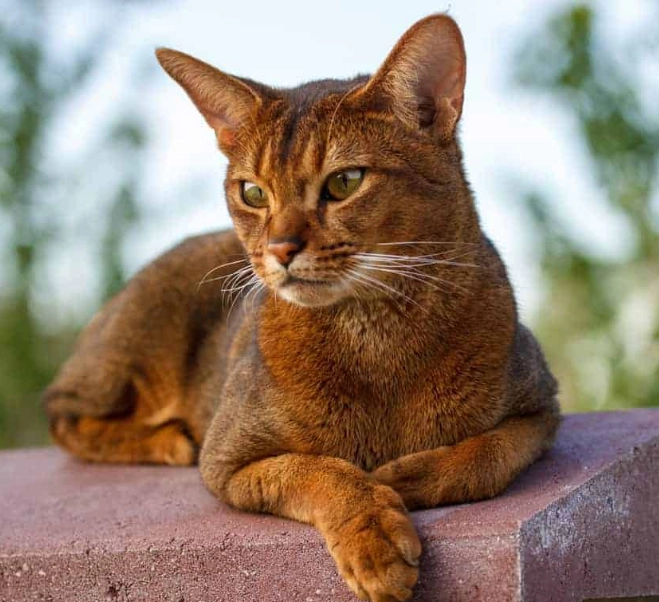
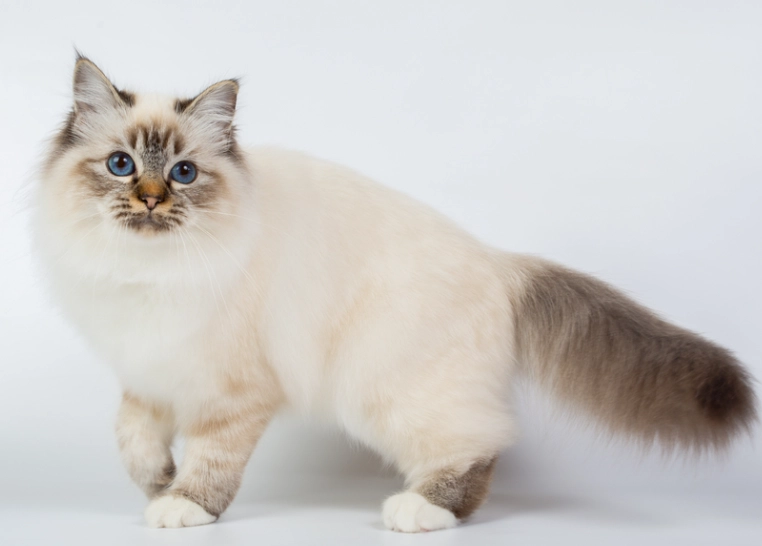
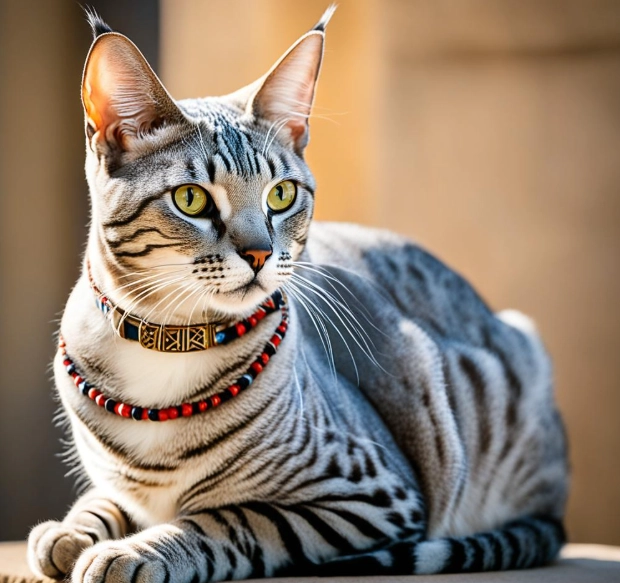
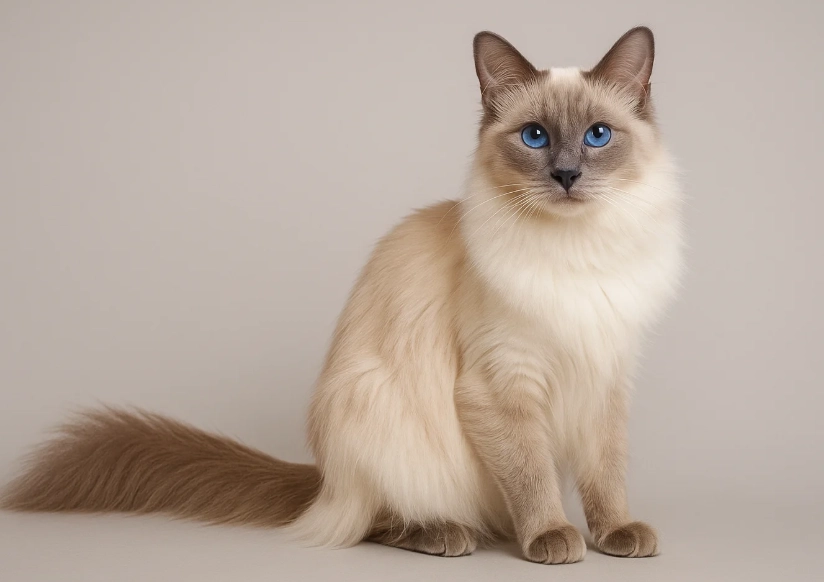
Let's talk about the Lilac Abyssinian cat. You've probably seen the classic ruddy Abys, that stunning ticked tabby with the warm orange coat. But the lilac? That's a whole different level of feline elegance. It's not a separate breed, but a specific and relatively rare color variation within the Abyssinian breed. Think of a soft, muted pinkish-grey coat with a delicate rosy-beige undercoat, paired with those huge, expressive amber or green eyes. It's a look that stops you in your tracks. I've been involved with cats for over a decade, and I still catch my breath when I see a well-bred Lilac Aby. This guide isn't just a list of facts you can find anywhere. We're going deep into what it's really like to live with one, how to care for them properly, and the things most generic articles completely miss.
What's Inside This Guide?
What Exactly Is a Lilac Abyssinian Cat?
First, the genetics lesson, simplified. The lilac color (called "lilac" or sometimes "lavender" in cat fancy) is a dilution of chocolate. So, a Lilac Abyssinian is essentially a diluted chocolate Abyssinian. The Cat Fanciers' Association (CFA) and The International Cat Association (TICA) both recognize this color. The official standard describes it as a warm, pinkish tone of frosty grey with a pale, rosy-beige undercoat. The ticking (those distinctive bands of color on each hair) should be a darker shade of the same pinkish-grey. Nose leather is a dusty pink, and paw pads are a pinkish-mauve. It's a subtle, sophisticated palette.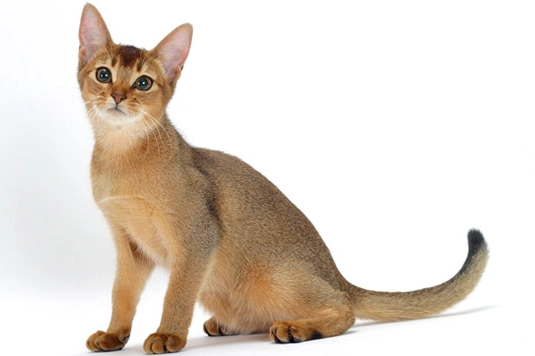
Here's where new owners get tripped up. In certain lights, especially low light, a lilac can look almost like a blue or a fawn Abyssinian. The key difference is the underlying warmth. Blues have a cold, steely grey tone, fawns are a warmer beige-cream, and lilacs have that distinct pinkish cast. If you're looking at kittens online, ask the breeder for photos in bright, natural daylight. A reputable breeder will know this and provide them.
A Quick Color Reference: Think of Abyssinian colors on a spectrum. Ruddy is the deep orange/brown. Red/Sorrel is a coppery red. Blue is a cool, soft grey. Fawn is a warm light beige. Chocolate is a rich, warm brown. And Lilac is the soft, diluted, pinkish version of that chocolate.
Personality & Energy: The Aby Motor Never Stops
Color is just the wrapping paper. The personality is the gift, and with an Abyssinian, it's a gift that demands your participation. Forget the aloof, independent cat stereotype. An Aby is a participant in your life. They follow you from room to room, supervise all chores, and must be in the middle of any activity, especially if it involves paper, keyboards, or your full attention.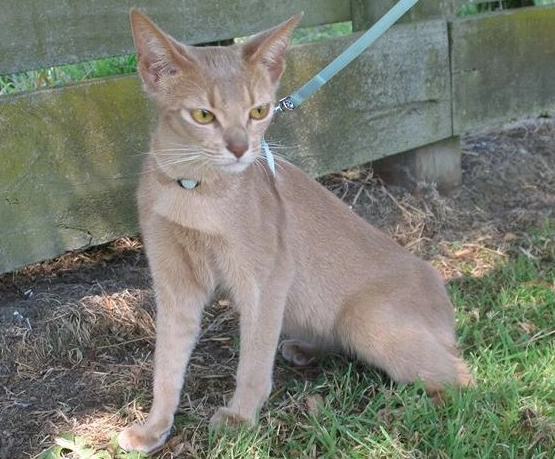
They Need a Job
This is the non-negotiable part of Aby ownership. These cats are intelligent and need mental stimulation. Boredom leads to mischief—and we're not talking cute mischief. We're talking opening cupboard doors, turning on faucets, and systematically dismantling anything left on a counter. The solution isn't just more toys; it's interactive engagement.
I made the mistake early on with my first Aby, Leo, of thinking a cat tree and a ball was enough. He disagreed. Loudly. At 3 AM. What worked was setting up a routine: 15 minutes of feather wand play in the morning, a food puzzle for breakfast, and a dedicated training session in the evening (yes, they can learn tricks like "sit," "high five," and even fetch). Treat-dispensing toys and puzzle feeders are not luxuries for an Aby; they are necessities. Consider getting a cat exercise wheel if you have the space. Many Abys take to them naturally and will run miles, burning off that legendary energy.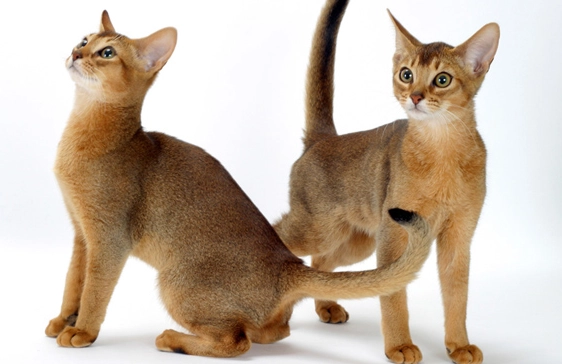
The Social Butterfly
Lilac Abyssinians, like all Abys, typically thrive in homes with other pets or with humans who are home a lot. They form deep bonds and can suffer from separation anxiety if left alone for long, frequent periods. They often get along well with cat-friendly dogs and other active cats. Introducing a second cat, perhaps another Aby or a similarly energetic breed like a Siamese, can be a great way to provide companionship. But do it slowly and properly.
Daily Care & Grooming: It's Easier Than You Think
Here's some good news: that beautiful, short, ticked coat is remarkably low-maintenance. They don't have an undercoat that mats, so you won't be battling hairballs and shedding to the same degree as a longhair.
Weekly Routine: A quick once-over with a fine-toothed metal comb or a rubber grooming mitt once a week is usually sufficient. This removes loose hairs and distributes skin oils, keeping that coat shiny. During seasonal sheds (spring and fall), you might do this twice a week.
Bathing? Almost never needed. Cats are self-cleaning. Only bathe if they get into something sticky or dirty.
The Real Grooming Focus: It's not the coat, it's the teeth and nails. Abyssinians are prone to dental issues (more on that in health). Getting them used to tooth brushing as kittens is a game-changer. For nails, trim the tips every week or two. Get them used to having their paws handled early.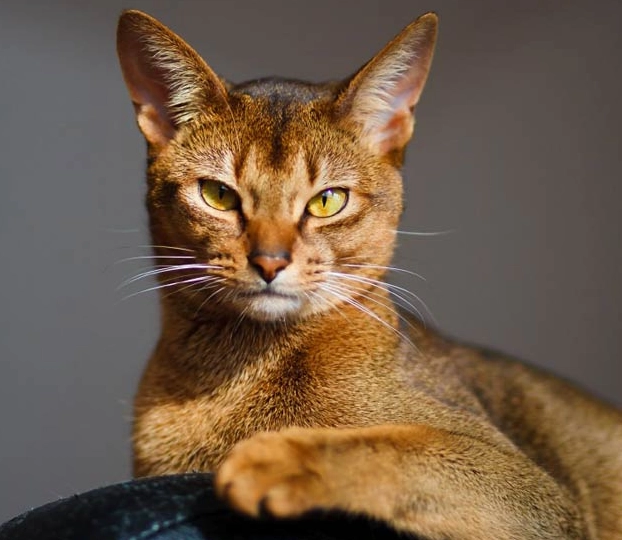
Diet: Feed a high-quality, protein-rich cat food. Whether it's wet, dry, or a combination is a debate for you and your vet. The important thing is that it's nutritionally complete and appropriate for their life stage (kitten, adult, senior). Always ensure fresh water is available. Many Abys love running water, so a cat water fountain can encourage hydration.
Health & Lifespan: What You Need to Watch For
A well-bred Abyssinian from a responsible breeder who does health testing is generally a healthy, robust cat with a lifespan of 12-15 years, often longer. The "lilac" color itself does not cause health problems. However, the breed as a whole has a few genetic predispositions you must be aware of.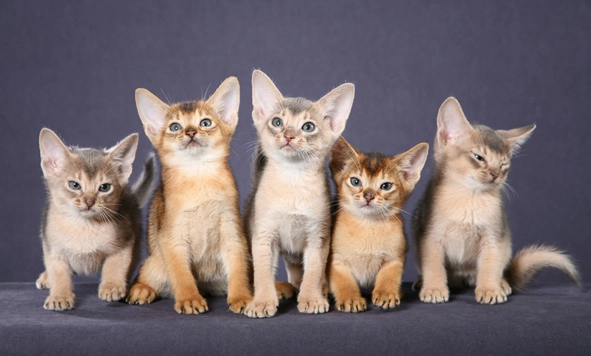
| Condition | What It Is | How Breeders Screen For It |
|---|---|---|
| Progressive Retinal Atrophy (PRA) | A genetic eye disease that causes gradual blindness. | DNA test. Reputable breeders test their breeding cats and will provide proof. |
| Pyruvate Kinase Deficiency (PK Def) | A genetic anemia caused by a lack of an enzyme in red blood cells. | DNA test. Another must-ask for when screening breeders. |
| Patellar Luxation | A kneecap that dislocates easily. | Physical vet exam. Good breeders have their breeding cats evaluated. |
| Gingivitis/Periodontal Disease | Inflamed gums and tooth decay. Very common in the breed. | Not genetic, but a major breed tendency. Requires proactive home care and regular vet dental checks. |
The biggest mistake prospective owners make is not asking for health test results. A breeder who says "my cats are healthy" is not the same as a breeder who hands you official certificates from a veterinary genetic lab for PRA and PK Def on both parent cats. Don't be shy about asking.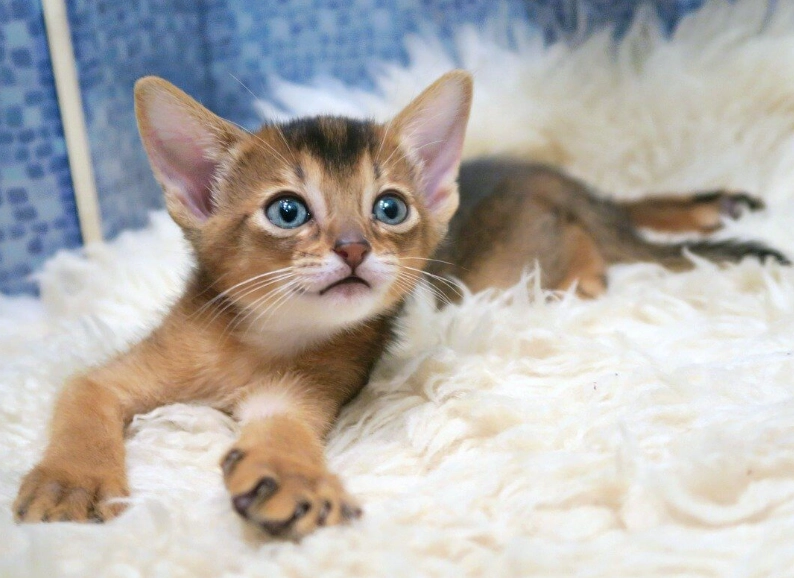
Red Flag Alert: Any breeder offering "rare" lilac Abyssinian kittens at a steep discount, available immediately, without a waitlist, and who cannot provide specific health test documentation for the parents is a major red flag. You are likely supporting a backyard breeder or kitten mill and risking significant heartbreak and vet bills down the line.
Finding a Lilac Abyssinian Kitten: A Realistic Roadmap
You won't find one at a shelter often (though it's worth checking breed-specific rescues like Aby Rescue). Getting a lilac kitten is a process that requires patience.
- Find Reputable Breeders: Start with the breed club listings. The Cat Fanciers' Association (CFA) and The International Cat Association (TICA) have breeder directories. Look for breeders who are members of the Abyssinian Breed Club.
- Make Contact: Send a thoughtful email. Introduce yourself, your home situation, and your experience with cats. Ask about their breeding philosophy, health testing protocols, and if they are expecting any litters with lilac potential. Good breeders interview you as much as you interview them.
- Get on a Waitlist: Expect to wait 6 months to a year, sometimes longer. Lilac is a recessive color, so it doesn't appear in every litter even from two carrier parents.
- Cost: A pet-quality Lilac Abyssinian kitten from a responsible, health-testing breeder will typically cost between $1,500 and $2,500 USD. Show-quality kittens are more. This price reflects the years of care, health testing, and ethical breeding practices.
- Prepare Your Home: While you wait, cat-proof. Get tall, sturdy cat trees, window perches, interactive toys, scratching posts, and a quality carrier.