Navigate This Guide
- Unpacking the Tuxedo Cat Male Personality: Myth vs. Reality
- Health and Lifespan: What to Expect with Your Dapper Fellow
- Essential Care Guide for Your Male Tuxedo Cat
- Tuxedo Tom vs. Tuxedo Queen: Is There a Real Difference?
- Answering Your Top Questions About Male Tuxedo Cats
- Final Thoughts: Is a Male Tuxedo Cat Right for You?
So you're thinking about a tuxedo cat, specifically a male. Maybe you've seen one looking dapper in a meme, or a friend has one that's stolen your heart. I get it. There's something about that classic black-and-white formalwear look that's incredibly charming. But what are you really signing up for? Is a male tuxedo cat different from any other cat? Let's cut through the internet folklore and talk about the reality of living with these feline gentlemen.
First thing's first—and this trips up a lot of people—"tuxedo" isn't a breed. It's a color pattern, a specific type of bicolor coat where the cat looks like it's wearing a black dinner jacket over a white shirt and paws. This pattern can appear in many breeds and moggies (domestic shorthairs or longhairs). So when we talk about a tuxedo cat male, we're usually talking about his coat and, often, the personality stereotypes that come with it. I've lived with cats my whole life, and my current buddy, a hefty male tuxedo named Oscar, has been both a delight and a lesson in feline psychology for the past eight years.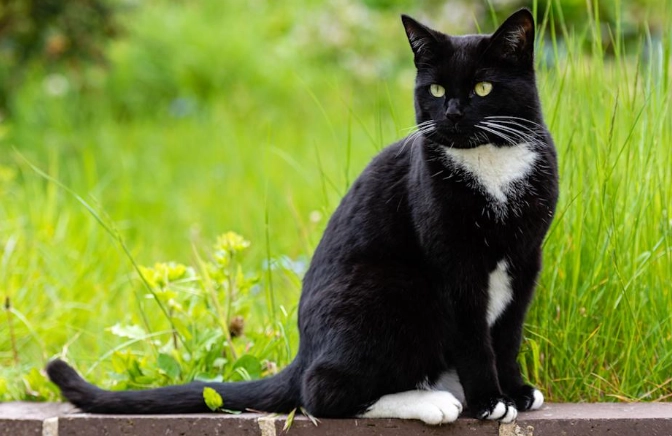
Unpacking the Tuxedo Cat Male Personality: Myth vs. Reality
This is where things get interesting. Search online, and you'll find countless anecdotes claiming tuxedo cats are more intelligent, more dog-like, more talkative, or more mischievous. Some of this is confirmation bias—we notice behavior that fits the story. But from my experience and talking to other owners, there might be a grain of truth, though not for the reasons you think.
There's no scientific evidence linking coat color directly to personality in cats. However, the perception might be influenced by a few factors. Tuxedo cats are highly visible and memorable. Their contrasting colors make their facial expressions and actions easier to read. When my Oscar does something clever (like figuring out how to open a cabinet), it's very noticeable against his crisp white chest. A similar "aha" moment in a solid black cat might be less visually striking.
Common Traits (That Might Actually Hold Water)
Let's talk about the personality of a typical male tuxedo cat. I'm generalizing, of course, but these points come up again and again.
Social and Affectionate: Many owners report their tuxedo boys are velcro cats. Oscar is a prime example. He follows me from room to room, not necessarily for constant petting, but just to be in the same space. He's not a lap cat for hours on end, but he demands a solid 15 minutes of chest-sitting purrs every evening without fail. This sociability might be misinterpreted as "dog-like."
Vocal and Communicative: Oh, the chatter. It's not just meows. It's trills, chirps, and this weird, low-pitched "mrrow" when he's questioning why dinner is 30 seconds late. He has a specific sound for "your lap is available," another for "there's a bug on the ceiling," and a particularly insistent one for "the water in my bowl is 2 hours old and therefore stale." This vocal range makes them seem highly interactive.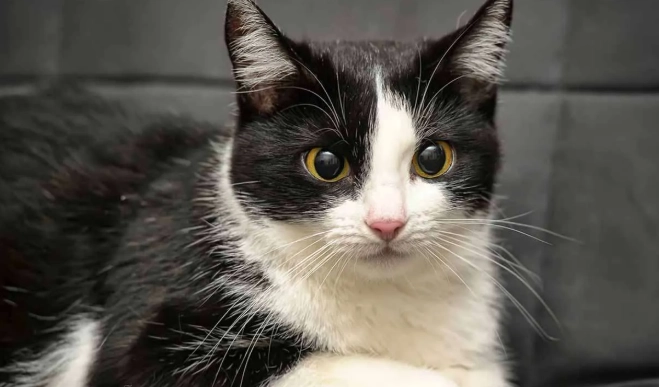
Playful and Clever: They tend to retain a kitten-like playfulness well into adulthood. Puzzle feeders are a must to keep their brains engaged. Boredom can lead to mischief—ask me about the time I found all my pens neatly batted under the refrigerator. This intelligence isn't supernatural; it's the curiosity of a smart animal who needs stimulation.
Myth Buster: The "Tuxedo Cat Attitude"
A big myth is that all tuxedo cat males have a sassy, diva-like attitude. I think this is a human projection onto their striking appearance. Oscar can be aloof, but it's more cat-like independence than attitude. Sometimes he just can't be bothered, and his tuxedo makes that disinterest look deliberately dignified. It's not malice; it's just cat.
Are they smarter than other cats? Probably not. Are they more likely to display their intelligence in obvious, engaging ways? In my opinion, yes, partly because their appearance makes us pay more attention.
Health and Lifespan: What to Expect with Your Dapper Fellow
Since a tuxedo isn't a breed, their health is largely tied to their underlying breed or their general domestic cat genetics. A male tuxedo cat that's a domestic shorthair is generally robust. However, being male does come with a few general feline health considerations.
The biggest one for any male cat, tuxedo or not, is urinary tract health. Male cats have a narrower urethra, making them more prone to blockages, which can be life-threatening. This is a huge reason why proper hydration is non-negotiable. I mix a bit of water into Oscar's wet food, and we have a water fountain he loves. It's a simple step that can prevent a world of hurt (and a massive vet bill).
Another key point for a tuxedo cat male is weight management. They often have a hearty appetite, and that classic tuxedo can hide a paunch until it's serious. Obesity is a major risk factor for diabetes, arthritis, and other issues. I have to be strict with portion control, even when Oscar gives me his best "starving orphan" look.
| Health Consideration | Why It's Relevant for Male Tuxedo Cats | Prevention/Tips |
|---|---|---|
| Feline Lower Urinary Tract Disease (FLUTD) | Higher prevalence in males due to anatomy. Stress and dehydration are key triggers. | Wet food diet, plenty of fresh water (consider a fountain), clean litter boxes, stress-free environment. |
| Obesity | They love to eat! Their solid build can mask weight gain. | Measured meals (no free-feeding dry food), interactive play for exercise, regular weigh-ins. |
| Dental Disease | A common issue for all cats. Can lead to systemic problems. | Regular teeth brushing if possible, dental treats, annual vet checks of teeth and gums. |
| Heart Disease (like HCM) | Risk depends on breed. Common in some breeds that can have tuxedo patterning. | Know your cat's breed background if possible. Regular vet checkups that include listening to the heart. |
Their lifespan is typical for a well-cared-for domestic cat: 12 to 20 years, with indoor cats living significantly longer. Oscar is 8 and acts like a spry young cat, though he's starting to prefer longer naps in sunbeams.
Essential Care Guide for Your Male Tuxedo Cat
Caring for a male tuxedo cat isn't radically different, but a few areas deserve extra focus. Let's break it down.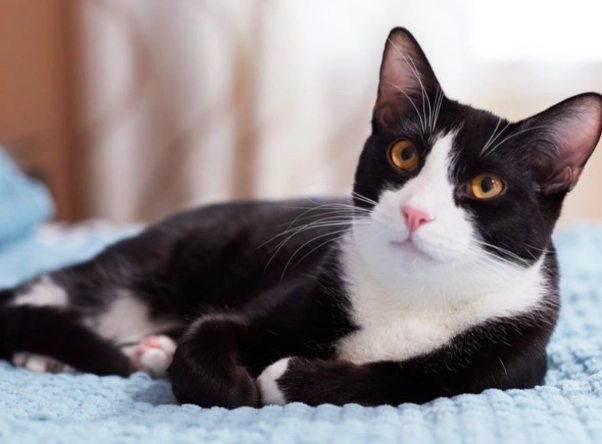
Grooming: Keeping the Tuxedo Sharp
That beautiful coat needs help to stay that way. Even short-haired tuxedos shed, and you'll see the white hairs on your black clothes and the black hairs on your white couch—a constant reminder! Weekly brushing is essential. It removes loose hair, distributes skin oils, and is a great bonding activity. Oscar, despite his macho persona, melts into a puddle of purrs during brush time.
Pay attention to their white areas, especially around the eyes and mouth. Tear staining can be more noticeable. A warm, damp cloth wiped gently over the area usually does the trick. Don't use human products.
Nutrition: Fueling the Feline Engine
I can't stress this enough: diet is everything. A high-quality, protein-rich wet food is ideal. It provides moisture crucial for urinary health. Dry food should be a treat or a small part of the diet, not the main event. Look for foods where a named meat (like chicken, salmon) is the first ingredient, not a by-product or grain.
How much to feed? It depends on age, activity level, and metabolism. Your vet is the best guide here. For Oscar, who's a bit of a couch potato, we do two scheduled meals of wet food a day with a small, measured portion of dry food in a puzzle ball for mental stimulation.
And water, always water. Multiple bowls around the house, or better yet, a cat fountain. Cats often prefer running water.
Environment & Enrichment: Think Like a Cat
A happy tuxedo cat male is a cat whose environment meets his needs. This goes beyond food and shelter.
- Vertical Space: Cats feel safe up high. Cat trees, shelves, or even cleared-off bookcase tops are gold. Oscar's favorite perch is the top of the kitchen cabinets, where he can surveil his domain.
- Scratching Posts: Non-negotiable. Have several, in different textures (sisal, carpet, wood) and orientations (vertical, horizontal). Place them near where they sleep and near common pathways.
- Litter Box Hygiene: The rule is one box per cat, plus one extra. For one cat, that means two boxes. Scoop daily, clean completely weekly. A clean box is the #1 way to prevent inappropriate elimination, which is a bigger risk with males.
- Play: Mimic the hunt. Use wand toys with feathers or fleece to get them running, jumping, and pouncing. Laser pointers are fun, but always end the session with a physical toy they can "catch" to avoid frustration.
It sounds like a lot, but it becomes routine. And seeing your cat thrive is worth it.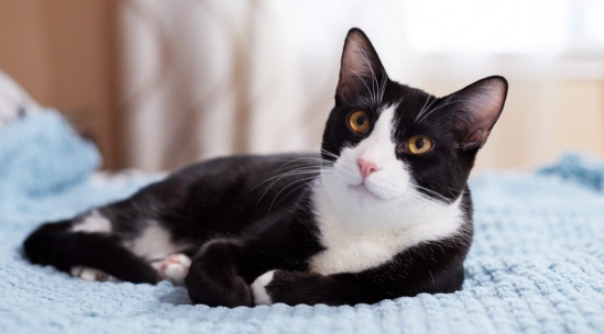
Tuxedo Tom vs. Tuxedo Queen: Is There a Real Difference?
This is a question I get a lot. Once neutered, the behavioral differences between male and female cats of the same pattern often blur. However, some general feline tendencies might still be apparent.
Neutered males, often called "toms," can sometimes be slightly more easygoing and clingy than females, who can retain a bit more independence. But this is a spectrum, not a rule. I've met aloof male tuxedos and velcro female ones. The individual cat's personality, early socialization, and life experiences play a far greater role than gender after the neuter/spay surgery.
The most significant difference is physical. Male cats, even neutered, tend to be larger and have broader heads and cheeks (the classic "tomcat jowls," which persist even after neutering). So your male tuxedo cat will likely be a bigger, stockier fellow than a female with the same pattern.
The takeaway? Don't choose based on a gender stereotype.
Choose the individual cat whose energy matches yours.
Answering Your Top Questions About Male Tuxedo Cats
Are male tuxedo cats more affectionate?
They can be, but it's not guaranteed. Their sociable and people-oriented reputation means many are. My Oscar is incredibly affectionate on his own terms. He's not a fan of being picked up, but he'll head-butt my hand for pets for hours. It's about understanding their love language.
How long do male tuxedo cats live?
As mentioned, a healthy indoor male tuxedo cat has a typical domestic cat lifespan: 12-20 years. Genetics, diet, preventative vet care, and keeping them safely indoors are the biggest factors.
Do they shed a lot?
Yes. They have a double coat, and they shed year-round with seasonal peaks. Regular brushing is your best defense against tumbleweeds of black and white fur. A good vacuum is a must-have for any tuxedo cat owner.
Are they good with kids and other pets?
Their generally sociable nature can make them good candidates, but it depends entirely on the cat's early socialization and temperament. A tuxedo cat male introduced slowly and properly to children and other pets can do wonderfully. Their playful side can be great for kids, and their adaptability can help with other animals. Always supervise initial interactions.
Why is my male tuxedo cat so vocal?
It's likely just how he's wired. Many tuxedo owners report chatty cats. He might be talking to you, commenting on the birds outside, or demanding something. As long as the vocalization isn't a new behavior accompanied by distress (which requires a vet visit), it's probably just his personality. I've learned to have little conversations with Oscar. It feels less noisy and more like communication.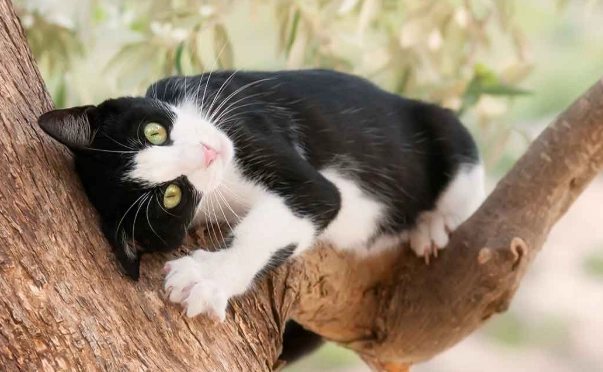
Final Thoughts: Is a Male Tuxedo Cat Right for You?
Look, getting any cat is a 15+ year commitment. The tuxedo pattern is beautiful, and the associated personality traits—if you get a cat that fits the mold—can be incredibly rewarding. You're likely getting a social, interactive, and playful companion who will keep you on your toes.
But don't get one just for the looks. Be prepared for the shedding, the potential for chatter, and the need for active engagement. Visit a shelter and meet a few. You might not click with the first tuxedo cat male you see. Personality is everything.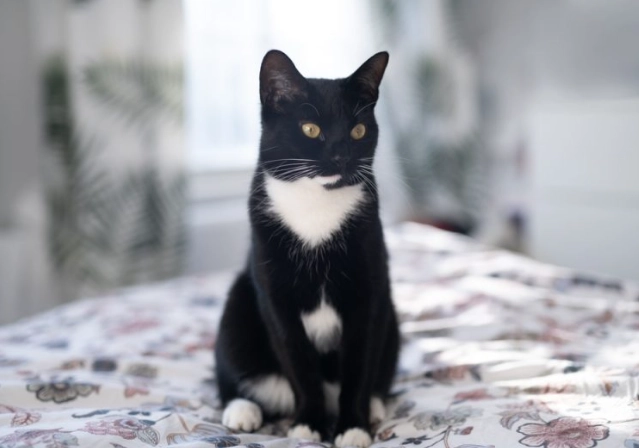
Oscar has been more work than I expected, honestly. The vigilance about his weight, the obsession with his water intake, the occasional 5 AM serenade. But he's also been a constant, comforting, and endlessly entertaining presence. He's not a "magic" cat, but he's my cat. And when he's sitting there, his white paws tucked neatly under him, looking like he's ready for a board meeting, I can't imagine life without the little guy in the tuxedo.
That's the real secret. It's not about the coat. It's about finding your feline friend.