Navigate This Guide
- What Does "Hypoallergenic" Even Mean for a Cat?
- The Real Culprit: It's Not The Hair, It's The Protein
- Where Does the Siamese Cat Fit In? The Breed Specifics
- How Does the Siamese Stack Up? A Breed Comparison
- So, What Can You Actually Do? An Action Plan for Allergic Cat Lovers
- Answering Your Burning Questions (FAQ)
- The Final Word: It's a Management Game, Not a Cure
So you're thinking about getting a cat, but someone in your household starts sneezing at the mere thought. You've probably heard the term "hypoallergenic" tossed around, especially concerning certain breeds like the Siamese. It sounds promising, right? A magical cat that doesn't make you itch or sneeze. I wish it were that simple. Let's cut through the marketing and the well-meaning but often misleading advice from friends. The question "Is a Siamese cat hypoallergenic?" deserves a deep, honest dive, not a simple yes or no. The truth is far more nuanced and hinges on understanding what actually causes the problem in the first place.
I've talked to breeders, allergy sufferers, and veterinarians. I've seen people who were convinced a Siamese was their ticket to a sneeze-free life end up heartbroken when their allergies flared up. I've also met people with mild cat allergies who live perfectly happily with a Siamese with barely a sniffle. The difference? Knowing what you're dealing with.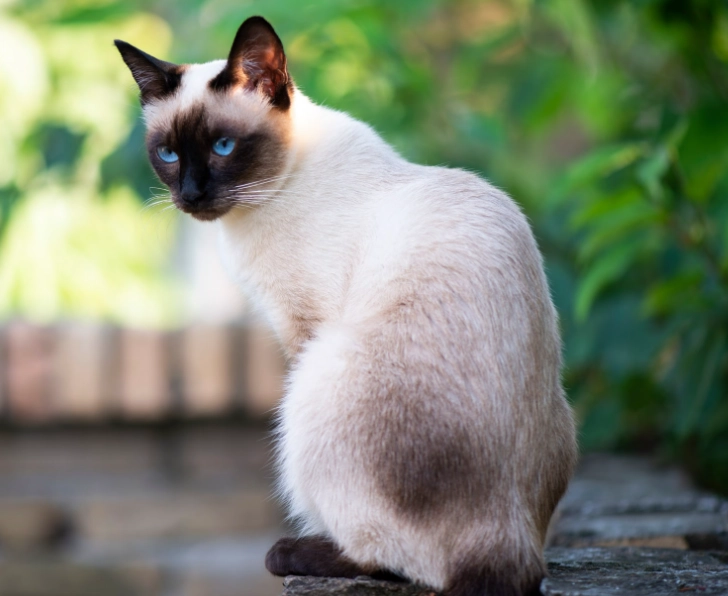
What Does "Hypoallergenic" Even Mean for a Cat?
This is where most confusion starts. We see "hypoallergenic" on dog shampoo and makeup, so we assume it's a guarantee. In the pet world, it's more of a hopeful label than a scientific certification. There's no governing body that tests and certifies cats as hypoallergenic. The term is used loosely to describe breeds that, due to their coat type, grooming habits, or a perceived lower production of the primary allergen, might be better tolerated by some allergy sufferers.
Think of it like peanut allergies. Some people are deathly allergic to the slightest trace. Others might get a mild stomach ache. Calling something "low-peanut" doesn't help the first group at all, but might be fine for the second. It's a spectrum, not a switch.
So when you ask, "Is a Siamese cat hypoallergenic?" you're really asking, "Is a Siamese cat likely to produce fewer allergens, or allergens that bother me less, compared to an average domestic shorthair?" That's a question we can actually work with.
The Real Culprit: It's Not The Hair, It's The Protein
Here's the biggest myth to shatter: people are not allergic to cat hair. Let me say that again. The hair itself is mostly innocent. The problem is a protein called Fel d 1. This pesky little glycoprotein is produced primarily in a cat's salivary and sebaceous (skin oil) glands.
Here’s how the allergen cycle works, and it's kind of gross when you think about it:
- The cat grooms itself (which Siamese cats, being fastidious, do a lot).
- Its saliva, loaded with Fel d 1, gets spread all over its fur and skin.
- The saliva dries, and the microscopic flakes of allergen (dander) become airborne.
- These lightweight particles can float in the air for hours, settling on furniture, bedding, curtains, and your clothes.
- You breathe them in or they contact your skin or eyes, and if you're sensitive, your immune system throws a fit.
This is crucial. Because even a hairless cat like a Sphynx still produces saliva and skin oils. It still produces Fel d 1. It just doesn't have hair to act as a carrier, so the dander might be slightly easier to clean up. But the allergen is still there.
Where Does the Siamese Cat Fit In? The Breed Specifics
Alright, let's talk about the star of the show. The Siamese cat is elegant, vocal, and has a reputation. Why are they so often mentioned in the "hypoallergenic" conversation? It boils down to a few key physical and behavioral traits.
Coat and Grooming: A Different Kind of Shedding
Siamese cats have a short, fine, single-layer coat. They lack a dense undercoat, which is the fluffy layer that many double-coated breeds (like Maine Coons or Persians) shed in clumps. This undercoat is a major dander carrier. Without it, some argue there's simply less "stuff" for the Fel d 1 protein to stick to and be distributed around your home.
Furthermore, their coat is notoriously low-maintenance and tends to lie close to the body. You'll still find Siamese hair on your black pants, but it might be less than from a fluffier cat. However—and this is a big however—they still groom themselves meticulously. So that Fel d 1-rich saliva is still being applied directly to their skin and the short hairs they do have.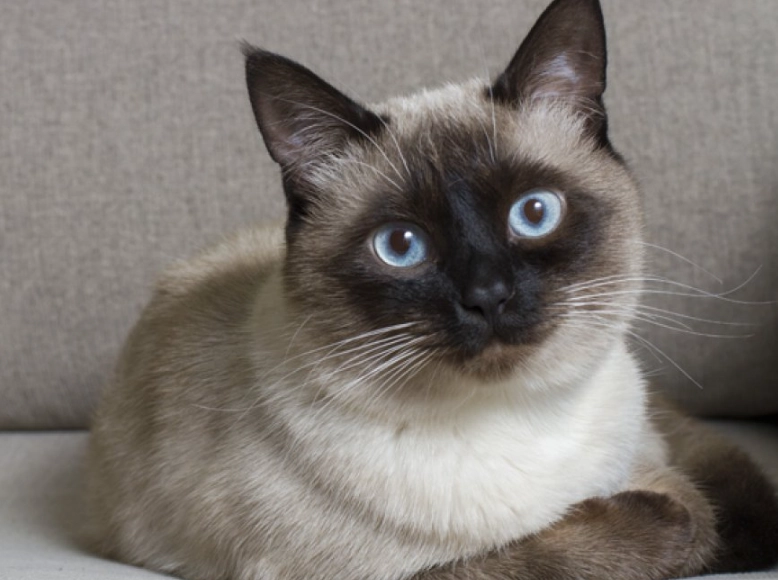
Possible Lower Fel d 1 Production (The Murky Science)
This is the most debated point. Some studies and a lot of anecdotal evidence from breeders suggest that Siamese cats, along with some other breeds like the Russian Blue and Bengal, may produce lower levels of the Fel d 1 protein. The science isn't definitive, and it varies wildly from individual cat to individual cat.
I spoke to a breeder who has been working with Siamese for 20 years. She told me that in her experience, allergic visitors react less to her Siamese cattery than to her household with a mixed-breed cat. But she was the first to admit it's not a rule. She's had clients with severe allergies who couldn't tolerate a Siamese kitten, and others with mild allergies who were perfectly fine.
The idea isn't that they produce no Fel d 1, but perhaps a different molecular variant or a lesser quantity. It's enough of a trend to give the breed its reputation, but it's absolutely not a guarantee for any specific person.
How Does the Siamese Stack Up? A Breed Comparison
Let's put this in context. If you're exploring hypoallergenic cats, you'll see a few names pop up repeatedly. How does the Siamese compare? This table breaks down the common contenders based on coat, grooming, and the (theoretical) allergen profile.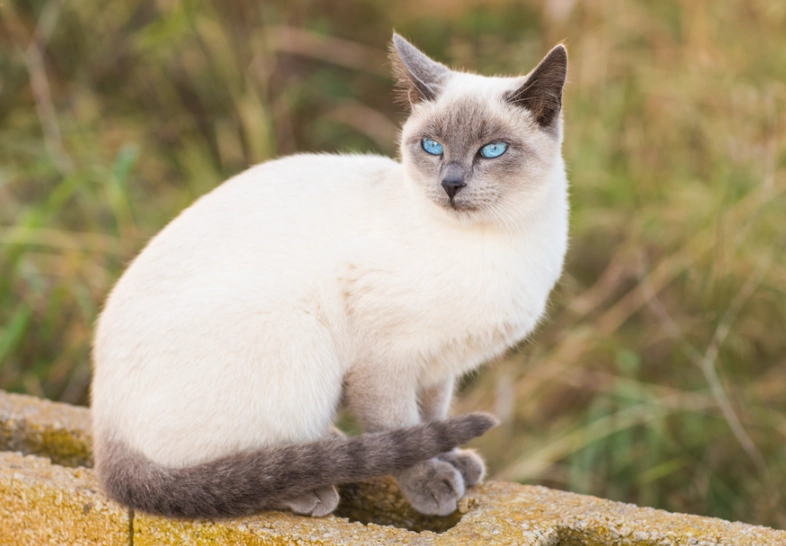
| Breed | Coat Type | Common "Hypoallergenic" Claim Reason | Realistic Expectation for Allergy Sufferers |
|---|---|---|---|
| Siamese | Short, fine, single-layer | Possible lower Fel d 1 production; less undercoat to hold dander. | A good candidate for mild allergy sufferers. Success varies greatly. Is a Siamese cat hypoallergenic enough for you? Trial is best. |
| Balinese | Long, single-layer (a "long-haired Siamese") | Shares the Siamese genetics for possibly lower Fel d 1. | Similar to Siamese, but the longer hair requires more grooming to prevent matting and dander buildup. |
| Russian Blue | Short, dense double coat | Often cited as producing less Fel d 1. Their dense coat may trap dander. | Another top contender for mild sufferers. Their plush coat feels different and may shed less visibly. |
| Sphynx | Hairless | No hair to shed and carry dander. | They still produce saliva and skin oils (Fel d 1). Requires weekly bathing to remove oily, allergen-rich residue. High maintenance. |
| Devon Rex / Cornish Rex | Short, curly, very thin coat | Minimal shedding; their unique coat sheds less hair and dander into the environment. | Often recommended because they shed very little. They still groom, so allergens are present on their skin, which needs regular wiping. |
| Siberian | Long, triple-layer coat | Some studies suggest a portion of the breed may produce lower Fel d 1 levels. | Highly controversial. Their long coat is a major dander trap if not groomed daily. Not a first choice for most allergy sufferers. |
Looking at this, the Siamese holds its own. It's not the only option, and it's not necessarily the "best." The "best" cat for allergies is the one you don't react to, which is frustratingly personal.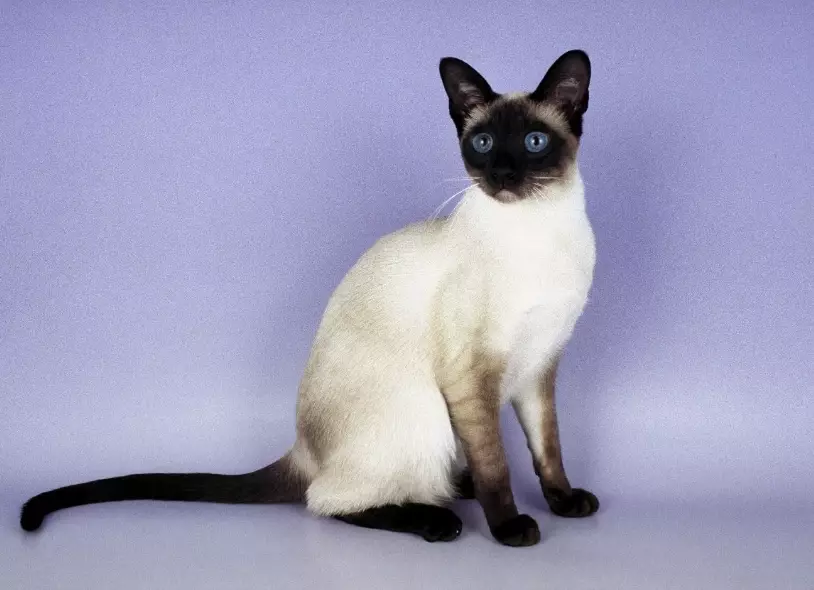
So, What Can You Actually Do? An Action Plan for Allergic Cat Lovers
Let's get practical. You love cats, and you're drawn to the Siamese's personality. You're willing to try. Here’s a multi-layered strategy that goes way beyond just picking a breed. This is the stuff that truly moves the needle.
Stage 1: The Pre-Adoption Investigation (Do NOT Skip This)
- Visit and Repeat: Find a reputable Siamese breeder or a rescue with adult Siamese cats. Plan multiple visits. Spend at least 30-60 minutes in their space, handling the cat, letting it rub against you. Rub your hands on your face and eyes. See how you feel after an hour, and again the next day. A single sneeze isn't a deal-breaker; a full-blown asthma attack is.
- Consider an Adult Cat: Kittens' allergen levels can change as they mature. An adult cat gives you a more accurate picture of what you're signing up for.
- Talk to Your Doctor: Seriously. An allergist can perform tests to confirm your sensitivity to Fel d 1 specifically and discuss treatment options like allergy shots (immunotherapy), which can be highly effective.
Stage 2: The Home Management Arsenal (Your New Routine)
If you bring a Siamese home, these steps are non-negotiable. They are more important than the breed itself.
- Designate Cat-Free Zones: Your bedroom must be a sanctuary. Keep the door closed. This gives your immune system 8 hours a day to recover in a clean-air zone.
- Invest in a HEPA Air Purifier: Get a good one and run it 24/7 in the main living area and your bedroom. This captures airborne dander. It's one of the most effective tools you can buy.
- Become a Vacuuming Fanatic: Use a vacuum with a HEPA filter. Vacuum carpets, rugs, and upholstery at least twice a week. Hard floors are easier to keep allergen-free.
- Wash Everything: Wash the cat's bedding, your bedding, and any blankets they use weekly in hot water (at least 130°F/54°C).
- Groom the Cat (But Not You): Brush your Siamese daily outside to catch loose hair and dander. Even better, have a non-allergic family member do it. Some people even wipe their cat down daily with a damp cloth or products like Allerpet to remove saliva residue.
- Consider a Diet Supplement: Emerging research, like that cited by institutions studying immunology, looks into cat foods designed to neutralize Fel d 1 in the cat's saliva. It's a promising area, though not a silver bullet. The American Veterinary Medical Association (AVMA) provides resources on pet nutrition and health that can offer a foundation for understanding these innovations.
This isn't a casual checklist. It's a lifestyle adjustment. If it sounds like too much, a cat might not be the right pet for your household right now, and that's an okay and responsible conclusion to reach.
Answering Your Burning Questions (FAQ)
The Final Word: It's a Management Game, Not a Cure
Asking "Is a Siamese cat hypoallergenic?" is really the starting point, not the answer. The Siamese breed has attributes that make it a stronger candidate for households with mild allergy sufferers compared to many other breeds. Their short coat, fastidious nature, and the persistent anecdotal reports of lower allergenicity create a legitimate basis for the hope surrounding them.
But.
You cannot buy a Siamese cat as a "hypoallergenic solution" the way you buy a HEPA filter. You are bringing a living creature into your home that produces the very protein that causes you distress. The success of this experiment depends 10% on the cat's breed and 90% on your willingness to become an allergy-management ninja.
Spend time with the actual cat. Be brutally honest with yourself about your reaction. Commit to the cleaning and environmental controls before the cat arrives. Talk to your doctor. For some, a Siamese will be the perfect, charming, chatty companion that allows them to live their cat-lover dream. For others, it will be a miserable lesson in immunology.
Do the work, manage your expectations, and you might just find that the answer to "Is a Siamese cat hypoallergenic?" is a carefully qualified, wonderfully rewarding "yes."