Quick Guide
So you've fallen for a Maine Coon. Who could blame you? Those tufted ears, that magnificent ruff, the personality of a dog in a cat's body – they're incredible companions. I remember when I first got my big boy, Leo. I was so focused on the size and the fluff that I barely scratched the surface of what it really means to care for one of these cats long-term. It's not just about a bigger litter box and more food.
The truth is, while they are generally hearty cats, their unique genetics and large size predispose them to certain Maine Coon health issues. It's not about scaring you, but about preparing you. Knowing what to look for can be the difference between catching something early and facing a crisis. This guide isn't a dry veterinary textbook. It's the stuff I wish someone had sat me down and told me, mixed with research, vet chats, and hard-won experience from living with a breed that has its own specific rulebook.
The Big One: Heart Health and Hypertrophic Cardiomyopathy (HCM)
If you only research one Maine Coon health problem, make it this one. Hypertrophic Cardiomyopathy (HCM) is the most common heart disease in all cats, but Maine Coons have a known hereditary predisposition. In simple terms, the muscular walls of the heart thicken, which makes it harder for the heart to pump blood effectively.
The scary part? A cat can have HCM for years without showing a single symptom. They might seem perfectly healthy until one day they're in heart failure or, in the worst cases, suffer sudden cardiac death. It's the silent nature of early HCM that makes it so dangerous.
But here's the thing – knowledge is power. There's a specific genetic mutation (the MYBPC3-A31P mutation) that has been identified in Maine Coons. Not all HCM is caused by this one mutation, but it's a significant contributor. A responsible breeder will have screened their breeding cats for this mutation. You can ask for proof. If you're adopting a rescue or your cat's history is unknown, a genetic test is available. I had Leo tested just for peace of mind.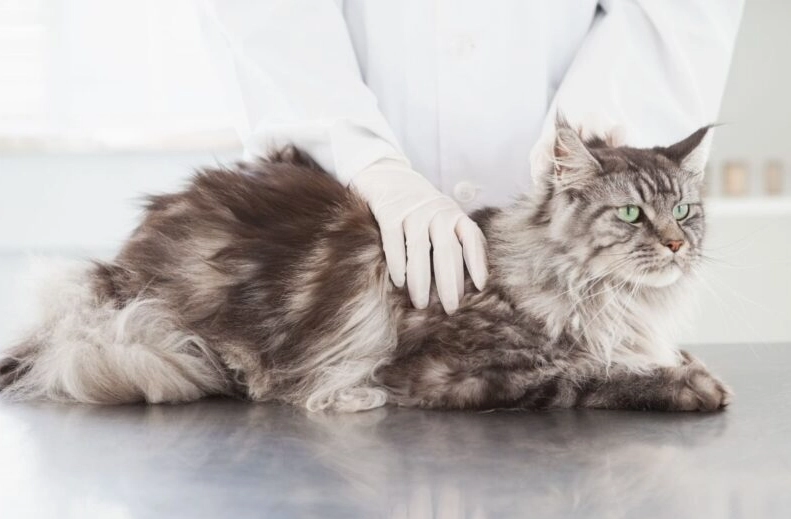
But a genetic test isn't a crystal ball. A negative result doesn't 100% guarantee a cat will never develop HCM (other factors or genes can cause it), and a positive result doesn't mean they definitely will – it just means they are at higher risk. That's why regular screening is non-negotiable.
How Do You Screen for HCM?
The gold standard is an echocardiogram, which is an ultrasound of the heart performed by a veterinary cardiologist or a vet with specific training. It's not super cheap, and it requires a specialist, but for a breed at risk, it's worth budgeting for. Many vets recommend a baseline echo around 1-2 years of age, then follow-ups every 1-2 years for cats at risk. Listening with a stethoscope can sometimes pick up a heart murmur, which is a red flag, but a normal listening doesn't rule HCM out. An echo can.
For reliable, in-depth information on feline HCM, including diagnostic criteria and treatment options, the Cornell Feline Health Center is an excellent, authoritative resource. It's a site I've bookmarked and refer to often.
Signs You Should Never Ignore
Even with screening, you need to be your cat's daily monitor. Watch for these subtle changes:
- Labored breathing or open-mouth breathing: Cats should never pant like a dog unless they're severely stressed or overheated. If your Maine Coon is breathing with its mouth open at rest, it's an emergency.
- Lethargy: A sudden drop in energy, sleeping more than usual, not wanting to play.
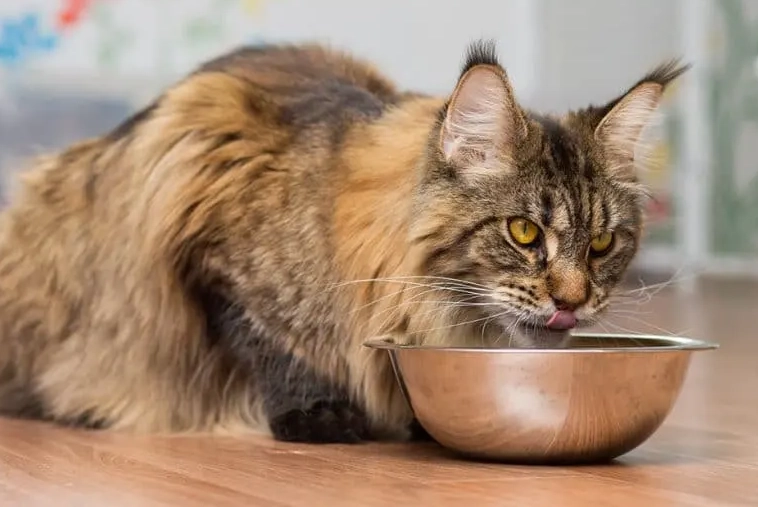
- Loss of appetite: A classic sign that something is wrong.
- Hiding: Cats hide pain and illness.
- Sudden paralysis of the hind limbs: This is a terrifying but possible sign of a saddle thrombus – a blood clot that can form because of HCM and lodge where the aorta splits to the back legs. It's acutely painful and an absolute emergency.
The Structural Issues: Joints and Bones
That large, heavy-boned frame comes with its own set of potential Maine Coon cat health concerns. They're basically the Great Danes of the cat world.
Hip Dysplasia
Yes, it's not just for dogs. Hip dysplasia is an abnormal formation of the hip socket that can lead to arthritis, pain, and lameness. It's surprisingly common in Maine Coons due to their rapid growth and size. A friend's Maine Coon was diagnosed at just four years old after they noticed he was hesitant to jump and seemed stiff getting up.
Symptoms can be subtle: reluctance to jump up to favorite perches, a bunny-hopping run (using both back legs together), stiffness after resting, or even just being less active. Diagnosis usually involves X-rays. Management is key – weight control is CRITICAL. Every extra pound puts massive stress on those joints. Supplements like glucosamine/chondroitin or omega-3 fatty acids can help support joint health, and in severe cases, pain medication or even surgery might be considered.
Spinal Muscular Atrophy (SMA)
This is a specific inherited genetic disorder in Maine Coons. It affects the neurons in the spinal cord that control the muscles of the trunk and limbs. Kittens with SMA will show a characteristic swaying gait and muscle weakness, usually noticeable by 3-4 months of age. They have trouble jumping and may walk with a strange, wobbly motion.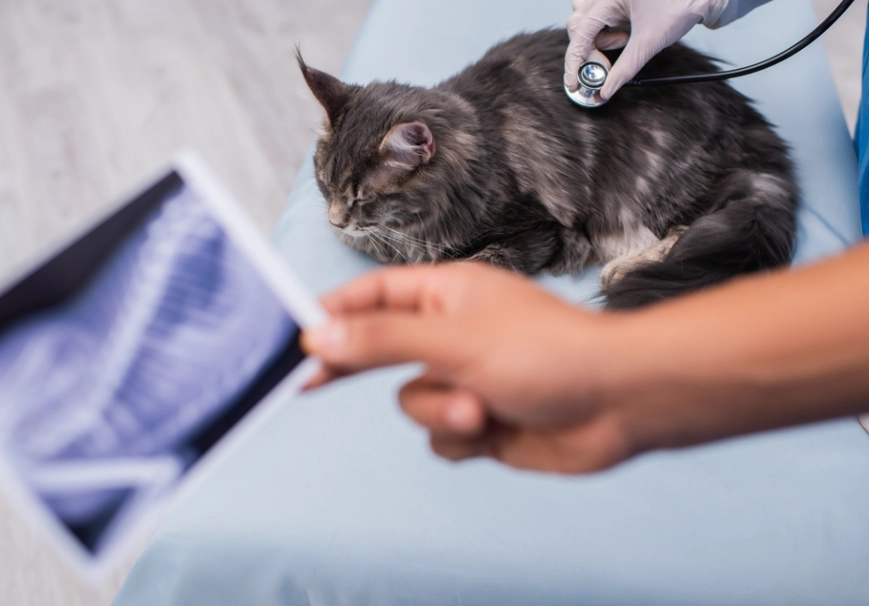
Here's the important bit: SMA is not painful. Cats with SMA live full, normal lifespans. They just have limited mobility and need to be kept indoors in a safe, easy-to-navigate environment (no high cat trees they could fall from). Because it's a simple recessive genetic condition, responsible breeders test their cats to avoid producing affected kittens. If you're looking at a breeder, ask about SMA testing.
The Other Players on the List
Beyond the headline acts, there are a few other common Maine Coon health issues to have on your radar.
Polycystic Kidney Disease (PKD)
While more famously associated with Persian cats, PKD has been reported in Maine Coons. It's an inherited condition where fluid-filled cysts develop in the kidneys, eventually leading to kidney failure. An ultrasound can detect cysts. Again, genetic testing of breeding stock has made this much less common in ethically bred lines.
Periodontal Disease
Big cats can have big dental problems. Their crowded teeth (especially if they have a small jaw for their size) are prone to plaque buildup, gingivitis, and tooth resorption. Bad breath isn't just stinky – it's a sign of infection. Regular dental check-ups and getting them accustomed to tooth brushing early can save them (and you) a lot of pain and expense down the line.
Obesity
I'm putting this here because it's a massive, owner-controlled factor in almost all Maine Coon health issues. An overweight Maine Coon is at exponentially higher risk for diabetes, arthritis, heart disease, and liver problems. They are big, but they should have a defined waist when viewed from above, and you should be able to feel (but not see) their ribs. Portion control and interactive play are your best tools.
My personal rule: Feed a high-quality, protein-rich diet appropriate for their life stage, measure their food, and ignore the pleading eyes. A lean Maine Coon is a healthy, agile, and longer-living Maine Coon.
Your Action Plan: Prevention and Proactive Care
Okay, that was a lot of potential problems. Let's flip the script and talk about what you can actually do. Managing Maine Coon cat health problems is largely about being proactive, not reactive.
| Age/Stage | Key Health Focus | Recommended Actions |
|---|---|---|
| Kitten & Young Adult (0-2 years) | Genetic Screening, Growth, Socialization |
|
| Adult (3-7 years) | Weight Management, Dental Health, Early Detection |
|
| Mature & Senior (8+ years) | Arthritis Management, Organ Function, Comfort |
|
Finding a vet who is familiar with giant breed cats or has an interest in cardiology is a huge advantage. They'll know what to look for. Don't be afraid to ask questions. You are your cat's advocate.
Real Talk: Answering Your Burning Questions
Wrapping It Up: The Heart of the Matter
Writing all this down, it hits me how much I love this breed and how much I want people to understand what they're signing up for. They're not just fluffy accessories; they're long-term commitments with specific needs. The potential for Maine Coon health issues is real, but it's not a doom sentence.
Think of it like this: 如果你提前知道你的车在10万英里后可能需要新的变速箱,你就会开始为它存钱并注意换挡时的奇怪声音,对吧? 提前了解缅因猫的健康问题让你可以做同样的事情:为它存钱(通过宠物保险),并注意奇怪的声音(比如呼吸急促或行为改变)。 这让你能够为你的猫提供最好的生活,而不是在紧急情况下措手不及。
Owning a Maine Coon is a joy, a privilege, and honestly, a bit of an adventure. They fill your home with purrs, chirps, and a whole lot of personality. By being an informed and proactive owner, you're doing the absolute best thing you can to ensure that adventure lasts for as many happy, healthy years as possible. Do the research, find a great vet, love them fiercely, and keep an eye on their health – not out of paranoia, but out of deep care for your gentle giant.
Final thought: The Cat Fanciers' Association (CFA), as a major breed registry, provides excellent breed profile information that includes health considerations. It's a good starting point for understanding the breed standard and responsible breeding practices.