In This Guide
- More Than Just a Sphynx: The World of Hairless Cat Breeds
- The Real Deal on Hairless Cat Care (It's Not Low-Maintenance)
- Personality and Lifestyle: The Dog-Like Cat
- Health and Lifespan: What to Watch For
- The Hypoallergenic Question: The Million-Dollar Myth
- Cost: The Price of Being Unique
- Frequently Asked Questions (The Stuff You're Really Wondering)
- Is a Hairless Cat Right For You? A Final Reality Check
Let's be honest, the first time you see a hairless cat, it's a bit of a shock. It's not what you expect when you think "cat." You might think of a warm, furry ball, not a sleek, wrinkly creature that looks like it just stepped out of a sci-fi movie. I remember the first time I met one at a friend's house. I was expecting to pet soft fur, but instead, my hand met warm, suede-like skin. It was strange. And then it purred, this loud, motorboat sound, and curled up in my lap. I was hooked.
That's the thing about hairless cats. They defy expectations. They're not for everyone, and that's okay. But if you're curious, if you've been scrolling through pictures of those iconic Sphynx cats with their big ears and curious eyes, you probably have a ton of questions. Are they really hypoallergenic? Don't they get cold? What on earth is their skin care routine like? And are there other types of hairless cats besides the Sphynx?
This guide is here to strip away the myths (pun intended) and give you the real, practical, down-to-earth information. We're not just talking about the famous Sphynx, but all the hairless cat varieties out there. We'll dig into what it's really like to live with one, the good, the bad, and the surprisingly oily.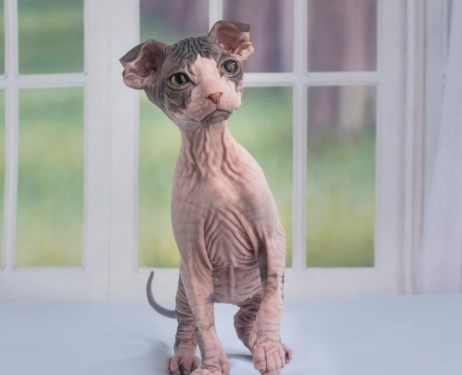
More Than Just a Sphynx: The World of Hairless Cat Breeds
Most people hear "hairless cat" and instantly think "Sphynx." It's the celebrity of the hairless world, and for good reason. But it's not the only player. The lack of fur can pop up in different breeds due to natural genetic mutations, and some breeders have worked to establish these as distinct breeds. Knowing the differences is key because their looks and needs can vary.
The Sphynx: The Wrinkled Ambassador
This is the one. Originating in Canada in the 1960s from a few natural hairless kittens, the Sphynx is now the most recognized and popular hairless breed. They're not completely hairless—they often have a fine peach-fuzz layer that feels like warm suede or a peach. Their skin is loose and wrinkly, especially on kittens, giving them that wise, ancient look. They have large, lemon-shaped eyes, enormous bat-like ears, and a surprisingly muscular, heavy body for their size. They're like little warm-skinned heat-seekers.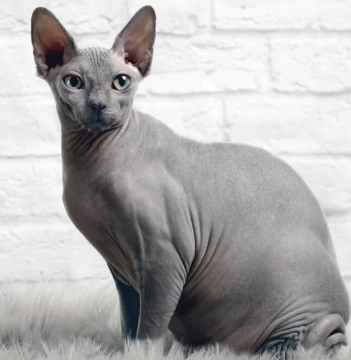
Other Hairless Cat Varieties You Might Encounter
While the Sphynx dominates the conversation, a few other hairless types are gaining attention. It's important to note that not all are recognized by every major cat registry, but they exist and have their own fans.
- Donskoy (Don Sphynx): Often confused with the Sphynx, but the genetics are different. The Sphynx's hairlessness is a recessive gene, while the Donskoy's is dominant. This Russian breed can be born with a woolly coat that they lose as they age. Their skin is often even more wrinkly than the Sphynx, and they can feel hotter to the touch.
- Peterbald: Another Russian breed, resulting from crossing a Donskoy with an Oriental Shorthair. This gives them a more elegant, slender, and elongated build—like a hairless Siamese. They can have coat variations from completely bald to a velvety brush coat.
- Bambino: This is a controversial one. It's a cross between a Sphynx and a Munchkin (the short-legged breed). The result is a hairless cat with very short legs. Major cat fancier associations like The Cat Fanciers' Association (CFA) and The International Cat Association (TICA) do not recognize Bambinos due to ethical concerns over the Munchkin's potential health issues. If you consider one, you must do extensive research on the breeder's ethics.
- Elf Cat & Dwelf: Even more experimental crosses (Sphynx x American Curl for the Elf; Sphynx x Munchkin x American Curl for the Dwelf). They have curled ears and hairless bodies. These are extremely rare and not recognized by mainstream registries.
See what I mean? The world of hairless cats is more diverse than just the Sphynx. But for the rest of this guide, when I say "hairless cat," I'm mostly talking about the care that applies to all of them, with the Sphynx as our main example, simply because they are the most common.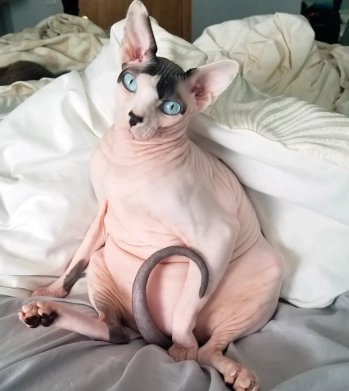
The Real Deal on Hairless Cat Care (It's Not Low-Maintenance)
Here's the biggest myth: that a cat with no fur is easier to care for. Let me stop you right there. It's quite the opposite. Owning a hairless cat is a high-maintenance commitment. Their lack of fur means their skin is directly exposed and has jobs to do that fur would normally handle. If you want a pet you can ignore for days, this isn't it.
Skin Care: Bath Time is Bonding Time
This is the big one. Hairless cats produce skin oils (sebum) just like any cat. On a furry cat, that oil gets distributed along the hair shafts. On a hairless cat, it has nowhere to go. It builds up on the skin. If you don't bathe them regularly, they get dirty, greasy, and can develop skin problems like blackheads (yes, cats get them too) or infections. Their skin can also feel sticky and leave oily residue on your furniture, clothes, and windows.
Most owners bathe their hairless cat once a week. Some can stretch it to every other week, but weekly is the golden rule. Use a gentle, hypoallergenic kitten or cat shampoo. The process? Warm (not hot) water, lather gently, rinse thoroughly. Dry them immediately and completely with a soft towel. They get cold fast. Some people use pet-safe wipes for a quick cleanup between baths.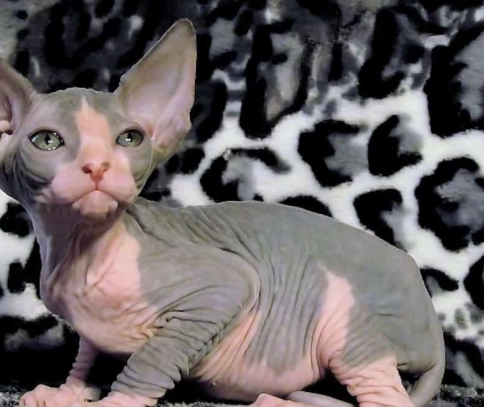
Sun, Cold, and Climate Control
Fur is insulation. Without it, these cats are terrible at regulating their own body temperature. They lose body heat quickly.
- They are always seeking warmth. You'll find them under blankets, on top of computers, wedged behind the TV, or snuggled right under your chin at night. They are the ultimate cuddlers because you are a giant heating pad.
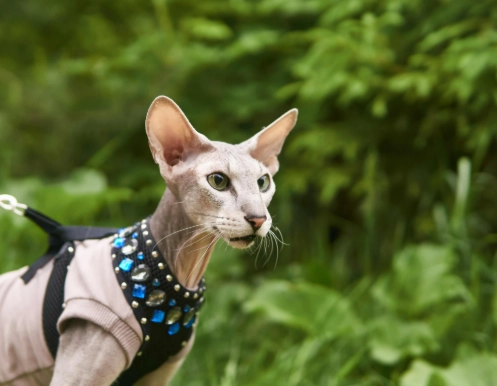
- You will need cat clothing. I'm not talking about costumes for fun. I'm talking about practical, soft sweaters, pajamas, or T-shirts for when your home is cool. This is essential in colder climates or during winter. Don't let them get chilled.
- Sunburn is a serious risk. Their skin is vulnerable to UV rays. Never let your hairless cat sunbathe in direct sunlight for long periods. If they have access to a sunny window, use a pet-safe sunscreen (zinc oxide is toxic to cats!) or put up a UV-filtering film. The American Veterinary Medical Association (AVMA) notes that pets with light or thin coats are more susceptible to sun damage, which can lead to skin cancer.
Ears, Eyes, and Nails
With no hair to catch debris, the oil production leads to dirty ears and eyes. You'll need to clean their ears weekly with a vet-recommended solution and a cotton ball. Gunk builds up fast. Their eyes can also have more discharge ("eye boogers") that needs gentle daily wiping with a soft, damp cloth.
Their nails need regular trimming too. Without fur to sheath them, they can get grimy and, if too long, can curl and hurt their paw pads.
- Bath with gentle shampoo
- Complete and thorough drying
- Ear cleaning
- Nail trim (as needed)
- Wipe down skin folds (for very wrinkly individuals)
Personality and Lifestyle: The Dog-Like Cat
If the grooming doesn't scare you off, the personality might win you over completely. This is where hairless cats, particularly Sphynxes, truly shine. They are famously extroverted, affectionate, and energetic.
- Extremely Social & Attention-Seeking: They often suffer from separation anxiety. They don't do well left alone for long hours every day. They want to be with you, on you, or at least in the same room as you. They follow you around. They "help" you work on the computer.
- Playful and Energetic: They retain a kitten-like playfulness well into adulthood. They need interactive playtime daily. Feather wands, chasing balls, puzzle toys—they love it all. A bored hairless cat can become mischievous.
- Intelligent and Curious: They are clever and can learn tricks, play fetch, and even walk on a harness. Their curiosity knows no bounds, so cat-proofing your home is a must.
- That Famous Purr: They are known for being very vocal, not necessarily meowing a lot, but purring loudly and constantly. The purr starts the moment you look at them. It's a content, motor-like sound.
Health and Lifespan: What to Watch For
Reputable breeders screen for genetic health issues. It is absolutely critical to buy from a breeder who does full health testing, not just someone selling "hairless kittens" online. A good resource for understanding responsible breeding practices is The International Cat Association's page on ethical breeding.
Potential health issues associated with hairless cat breeds include:
- Hypertrophic Cardiomyopathy (HCM): A form of heart disease that is prevalent in many cat breeds, including Sphynxes. Reputable breeders screen their breeding cats with regular echocardiograms.
- Skin Conditions: As discussed, they are prone to oily skin, yeast infections, and sunburn. Regular grooming is preventative healthcare.
- Dental Issues: Some lines may be prone to gum disease or tooth decay. Regular veterinary dental check-ups are important.
- Higher Metabolism: To stay warm, they often have a faster metabolism. This means they may need more high-quality food than a furry cat of the same size. They are not picky eaters—they are often food-motivated!
With excellent care from a responsible breeder and a dedicated owner, a hairless cat can live a full life of 12 to 15 years or more.
The Hypoallergenic Question: The Million-Dollar Myth
This is the #1 reason people look into hairless cats. "I'm allergic to cats, so I need a hairless one." I need to be very clear here.
Hairless cats are NOT hypoallergenic.
Most cat allergies are not to cat *hair*, but to a protein called Fel d 1 found in cat saliva, skin oils, and dander (dead skin cells). Since hairless cats groom themselves and have skin, they still produce the allergen. In fact, because their oily skin sheds dander directly into the environment, and they may require more frequent grooming (which spreads saliva), some allergic people react more strongly to a hairless cat.
Cost: The Price of Being Unique
Let's talk money, because it's a significant factor. A hairless kitten from a reputable, health-testing breeder typically costs $1,500 to $3,500+. The price reflects the specialized care, health testing, and ethical breeding practices.
Then there are the ongoing costs:
- High-Quality Food: Their metabolic needs mean premium food.
- Grooming Supplies: Special shampoos, ear cleaners, wipes, lotions (some use hypoallergenic human lotion on dry patches, with vet approval).
- Clothing: A wardrobe of sweaters and pajamas.
- Veterinary Care: Potential for higher vet bills related to skin or heart screenings.
- Heating: You might keep your home warmer, increasing utility bills.
Frequently Asked Questions (The Stuff You're Really Wondering)
Generally, yes, exceptionally so. But like any animal, personality varies by individual. Their breeding has selected for sociability. They are not aloof, independent cats. They are velcro-pets.
They shouldn't have a strong "cat" smell if kept clean. If you neglect their bathing routine, the oil buildup can start to have a faint, musky odor. A clean hairless cat just smells like clean skin or the shampoo you use.
It's rare, but it happens. Sometimes purebred cats end up in rescue. Check with specialized breed rescues like Sphynx Rescue or general cat rescues. Adopting an adult can be a wonderful way to skip the chaotic kitten phase and give a cat a second chance.
Their social nature often makes them good with considerate children and other pets, especially if introduced properly. Their lack of fur means they can be more susceptible to scratches, so young children must be taught to be gentle. They often enjoy having another animal companion for company.
Most owners say two things: 1) How incredibly warm they are to the touch—like a hot water bottle. 2) How much maintenance is involved. It's not just a quirky-looking cat; it's a lifestyle adjustment.
Is a Hairless Cat Right For You? A Final Reality Check
So, after all that, should you get a hairless cat? Let's summarize with a quick table.
| A Hairless Cat Might Be For You If... | Think Again If... |
|---|---|
| You are home often and want a constant, interactive companion. | You work long hours or travel frequently. |
| You don't mind (or even enjoy) a regular, hands-on grooming routine. | You want a low-maintenance, self-cleaning pet. |
| You have a warm home and are prepared to provide sweaters and cozy spots. | You keep your house very cool or have drafty windows. |
| You are not getting one primarily for allergy reasons. | You have severe cat allergies and haven't tested your reaction. |
| You have the budget for the initial cost and ongoing specialized care. | Your pet budget is very tight. |
| You love their unique look and are drawn to their described personality. | You are only getting one for the "weird" factor as a conversation piece. |
Bringing a hairless cat into your life is a big decision. It's not like getting any other cat. The commitment is higher, the care is more involved, and the cost is greater. But for the right person, the reward is unmatched. You get a hilarious, affectionate, endlessly entertaining, and deeply bonded companion who will literally warm your lap and your home.
Do your homework. Find a reputable breeder who prioritizes health and temperament above all else. Meet adult hairless cats if you can. Be brutally honest with yourself about whether you can meet their needs for the next 15+ years.