Quick Navigation
So you're thinking about getting a brown cat? Good choice. There's something incredibly warm and classic about a brown cat curled up on the sofa. It's like having a little living piece of chocolate or coffee-colored comfort right in your home. But let's be honest, choosing a cat isn't just about color. You're probably wondering which specific brown cat breed will match your lifestyle, how much care they need, and what their personalities are really like.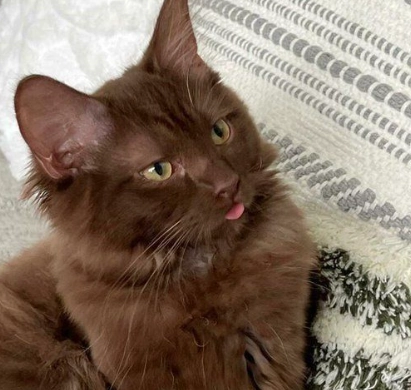
I remember when my friend got her first cat, a stunning chocolate-colored Havana Brown. She was drawn purely to the color, but quickly learned that a cat's needs go way deeper than its coat. That's what we're going to dig into here.
Why Are Brown Cats So Captivating?
It's not just you. Brown cats have a certain allure. Maybe it's because they're less common than your classic black, white, or tabby cats. A pure, solid brown coat is actually somewhat rare in the feline world. It feels special. There's a warmth to their appearance that many people find incredibly soothing and elegant.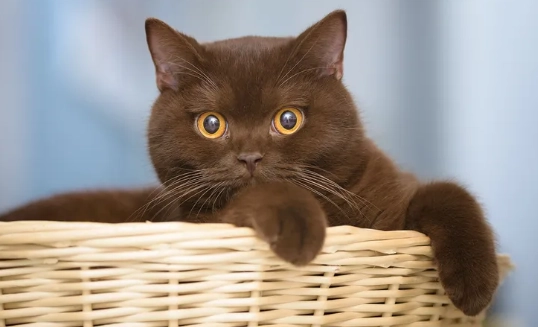
Beyond looks, many owners of brown cats swear there's a certain personality vibe, though science might argue that's more about breed than color. Still, the perception is there. A brown cat often looks wise, grounded, and serene. Whether that's true or not, it's part of their charm.
But here's the thing you need to know upfront: a cat's color should be one of the last factors you consider. Their health needs, energy level, and compatibility with your home life matter so much more. That beautiful brown coat won't mean much if you're constantly stressed by a cat whose needs you can't meet.
A Deep Dive into Brown Cat Breeds
Alright, let's get into the specifics. Not every breed comes in brown, and some of the "brown" ones are actually specific, genetically defined colors. This table breaks down the main contenders when you're looking for a feline friend with that gorgeous earthy hue.
| Breed Name | Typical Brown Shades | Key Personality Traits | Care & Grooming Needs | Health Considerations |
|---|---|---|---|---|
| Havana Brown | Rich, warm mahogany brown to reddish-brown. | Often called "dog-like" for their loyalty. Highly social, chatty, and intelligent. They form strong bonds and can be quite playful. | Short, sleek coat requires minimal grooming—a weekly brush is plenty. They are indoor cats and need interactive play. | Generally robust. Reputable breeders screen for common issues. Prone to dental issues, so dental care is key. The Cat Fanciers' Association (CFA) provides a good breed standard overview. |
| Burmese | Sable brown (a dark, warm brown), champagne, blue. | Extremely people-oriented, affectionate, and sometimes described as "velcro" cats. Energetic, playful, and vocal with a soft voice. | Short, satiny coat is low-maintenance. They crave attention and can get bored or lonely if left alone too much. | Can be prone to obesity due to their love of food. Some lines may have genetic predispositions, so choosing a breeder who does health testing is crucial. The International Cat Association (TICA) has detailed breed information. |
| York Chocolate | Milk chocolate to a darker chocolate, sometimes with slight tabby markings. | Gentle, affectionate, and adaptable. Known for being good with children and other pets. Intelligent and moderately active. | Semi-longhaired coat requires regular brushing (2-3 times a week) to prevent mats. They are a newer, rarer breed. | As a developing breed, working with a responsible breeder is essential to understand potential health screenings. They are generally healthy. |
| Abyssinian | Ruddy (a burnt sienna ticked with black), red (cinnamon), blue, fawn. | Highly active, curious, and intelligent. They are explorers and climbers, not lap cats. Playful and need lots of engagement. | Short, ticked coat is easy to care for. Their main need is mental and physical stimulation—think cat trees, puzzle feeders, and play sessions. | Generally healthy but some lines can be prone to specific genetic conditions like renal amyloidosis or progressive retinal atrophy. The Universities Federation for Animal Welfare (UFAW) discusses some health aspects. |
| British Shorthair | Chocolate and cinnamon are possible but rarer; more common in classic blue. | Calm, easygoing, and dignified. Not overly demanding or hyperactive. They are affectionate but not clingy, often described as "teddy bear" cats. | Dense, plush coat needs weekly brushing, more during shedding seasons. They are prone to weight gain, so diet management is important. | Can be predisposed to hypertrophic cardiomyopathy (HCM) and hemophilia B. Regular vet check-ups are a must. |
| Oriental Shorthair | Comes in chestnut brown (havana) among dozens of other colors. | Extroverted, talkative, and demanding of attention. Very social, athletic, and intelligent. They bond deeply and can be mischievous. | Very short, fine coat needs little grooming. Their biggest need is companionship and activity—they hate being ignored. | Generally healthy but, like their Siamese relatives, can be prone to dental issues and some hereditary conditions. They are sensitive to cold. |
See what I mean? It's a whole world in there.
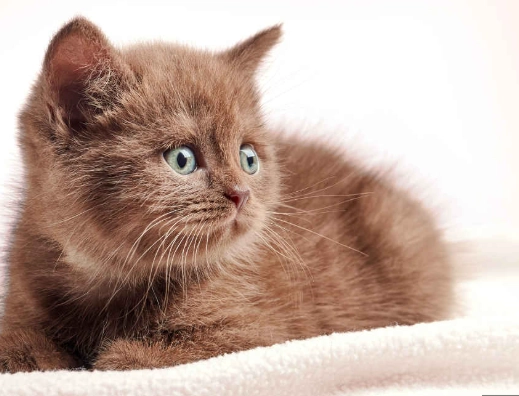
That table is a starting point, but it doesn't capture everything. For instance, you can find brown tabbies in many domestic shorthair populations—those beautiful swirling patterns on a brown base coat. They're not a specific breed, but they can be wonderful, healthy pets, often with fewer breed-specific health concerns. Don't overlook a shelter cat with a stunning brown mackerel or classic tabby pattern.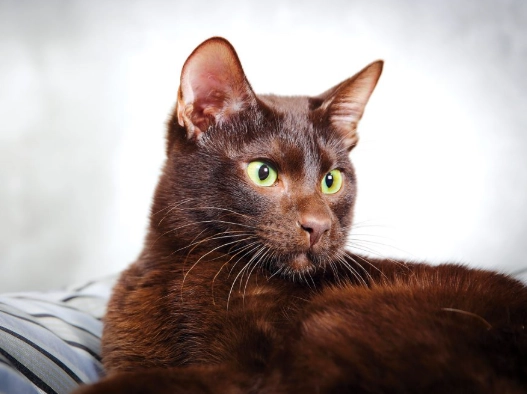
How to Choose Your Brown Cat: A Practical Guide
Let's move from "what's out there" to "what's right for you." This is the decision-making part, and it's easy to get swept up by a cute photo of a brown kitten. Slow down. Ask yourself these questions first.
Assess Your Lifestyle
Be brutally honest. Are you home all day or out at work for 10 hours? Do you have young children or other pets? How much time and energy do you *really* have for play and interaction?
- The Couch Potato Household: A British Shorthair or a laid-back adult domestic brown cat from a shelter might be perfect. A high-energy Abyssinian would be a disaster, driving you both crazy.
- The Busy, Active Family: A social, sturdy cat like a Burmese or a confident brown tabby mix could thrive. They can handle some chaos and enjoy being in the middle of it.
- The Quiet, Adult-Only Home: A sensitive, talkative breed like an Oriental Shorthair or a Havana Brown could be ideal. They'll relish the attention and quiet companionship.
Understanding the Real Commitment
It's not just food and a litter box. A brown cat, like any cat, is a 15-20 year commitment. Financially, think about:
- High-quality food (not the cheapest grocery store stuff).
- Annual vet check-ups, vaccines, and preventative care.
- Unexpected vet bills (pet insurance is worth considering).
- Litter, toys, scratching posts, and possibly cat furniture.
Time-wise, it's daily play, daily litter scooping, and daily interaction. Even the most independent cat needs you.
It adds up.
Where to Find Your Brown Cat
You have two main ethical paths: adoption or a responsible breeder.
Adoption: Check local shelters and rescue groups. Use Petfinder.com and filter by color "brown." You'd be surprised how many beautiful brown cats, from kittens to seniors, are waiting. The upside? You're saving a life, it's less expensive, and you get a vet-checked pet. The potential downside? You may not know the exact breed mix or full genetic history.
Responsible Breeder: If your heart is set on a specific purebred brown cat like a Havana Brown, this is the route. A good breeder will:
- Ask YOU as many questions as you ask them.
- Show you where the cats live (in the home, not a cage).
- Provide health clearances for the parents (e.g., for HCM, PRA).
- Have a contract that includes a health guarantee and requires you to return the cat to them if you can't keep it.
- Be registered with a major cat registry like CFA or TICA.
Caring for Your Brown Cat: Beyond the Basics
Okay, let's say you've brought your perfect brown companion home. Now what? Good care is what keeps that coat shiny and that cat happy for years.
Nutrition: Fuel for that Fabulous Fur
You are what you eat, and that goes double for a cat's coat. A poor diet can make even the richest chocolate brown fur look dull and lifeless.
- High-Protein is Key: Cats are obligate carnivores. Look for a food where a named meat (chicken, salmon, etc.) is the first ingredient, not a grain or by-product.
- Wet Food vs. Dry: Many vets recommend at least some wet food for hydration. Cats have a low thirst drive. A mix is often a good strategy.
- Special Diets: Some breeds, like the Burmese, are prone to obesity. You might need to be strict about portion control from day one. Your vet is your best guide here.
I made the mistake of free-feeding my first cat dry food. He got chunky fast, and his coat lost its luster. Switching to measured meals with a wet food component made a world of difference.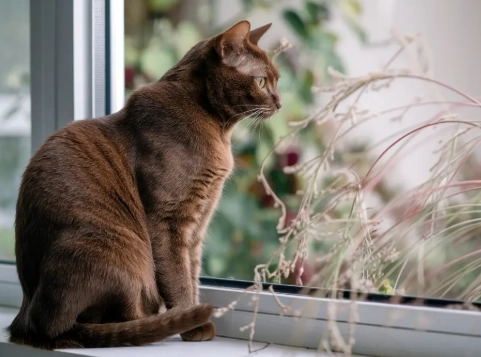
Grooming: It's Not Just About Hair
Even short-haired brown cats benefit from regular grooming. It's bonding time, it reduces hairballs and shedding around your house (a big user pain point!), and it lets you check for lumps, bumps, or parasites.
- Brushing: Once a week for short-hairs, 2-3 times for semi-longhairs like the York Chocolate. A rubber grooming brush or a fine-toothed comb works great.
- Nail Trimming: Get them used to it young. Every 2-3 weeks.
- Dental Care: This is huge and often neglected. Dental disease is a top health issue in cats. Start brushing their teeth if you can, or use dental treats/water additives approved by your vet. That Havana Brown's smile will thank you.
Enrichment: A Happy Cat is a Well-Behaved Cat
A bored cat is a destructive cat. Scratching furniture, waking you up at night, getting into things—these are often signs of under-stimulation.
- Vertical Space: Cat trees, shelves, window perches. Cats feel safe up high.
- Interactive Play: Da Bird-style wand toys mimic prey. 15 minutes of intense play twice a day can work wonders.
- Puzzle Feeders: Makes mealtime a brain game, especially good for smart breeds like the Abyssinian.
- Scratching Posts: Have them in multiple locations, especially near where they sleep (cats love a good stretch after a nap).
Enrichment isn't a luxury; it's a core need for their mental health. It's how you prevent problems.
Health and Wellness: What to Watch For
All cats need proactive healthcare, but being aware of breed tendencies helps you be a better advocate for your brown cat.
Do brown cats have more health problems?
No, coat color itself isn't linked to specific diseases in the way it can be in dogs (e.g., deafness in white cats). Health issues are tied to breed genetics, not the brown pigment. That's why researching your chosen breed's common issues is critical.
General health milestones for any cat:
- Kittenhood: Vaccination series, spay/neuter, introduction to handling/grooming.
- Adulthood (1-7 years): Annual vet check-ups, weight monitoring, dental care, parasite prevention.
- Senior Years (7+): Bi-annual vet visits. Screening for common senior issues like kidney disease, hyperthyroidism, and arthritis. The American Veterinary Medical Association (AVMA) has excellent resources on senior pet care.
Watch for changes: in appetite, water consumption, litter box habits, activity level, or vocalization. Cats hide illness well. Subtle changes are your early warning system.
Your Brown Cat Questions, Answered
Final Thoughts: It's About the Cat, Not Just the Color
Look, I get it. The appeal of a brown cat is strong. They're gorgeous. But after all this, I hope you see that the journey to finding the right feline friend is about so much more than the wrapper.
That beautiful brown coat is just the beginning. It's the personality behind the eyes, the purr that greets you at the door, and the unique quirks that will steal your heart. Whether you find a rare purebred Havana Brown or a beloved brown tabby mix from the local shelter, the goal is the same: a healthy, happy cat that fits seamlessly into your life.
Do your homework. Ask the hard questions. Be prepared. If you do that, you're not just getting a brown cat; you're gaining a companion for the next decade or two. And that's worth far more than any single shade of fur.
Good luck. I hope you find your perfect match.