Let's be honest, you've probably seen those stunning photos online. A sleek, muscular cat with a coat that looks like it stole patterns from a leopard, staring intently at something just out of frame. That's the Bengal cat, and their popularity has exploded. But here's the thing nobody tells you right away: living with a Bengal cat is nothing like looking at a picture of one. It's louder, messier, more demanding, and infinitely more rewarding (on most days). I've talked to dozens of owners, breeders, and even a few regretful adopters. This isn't just a breed profile; it's a survival guide for anyone seriously considering bringing one of these beautiful whirlwinds into their home.
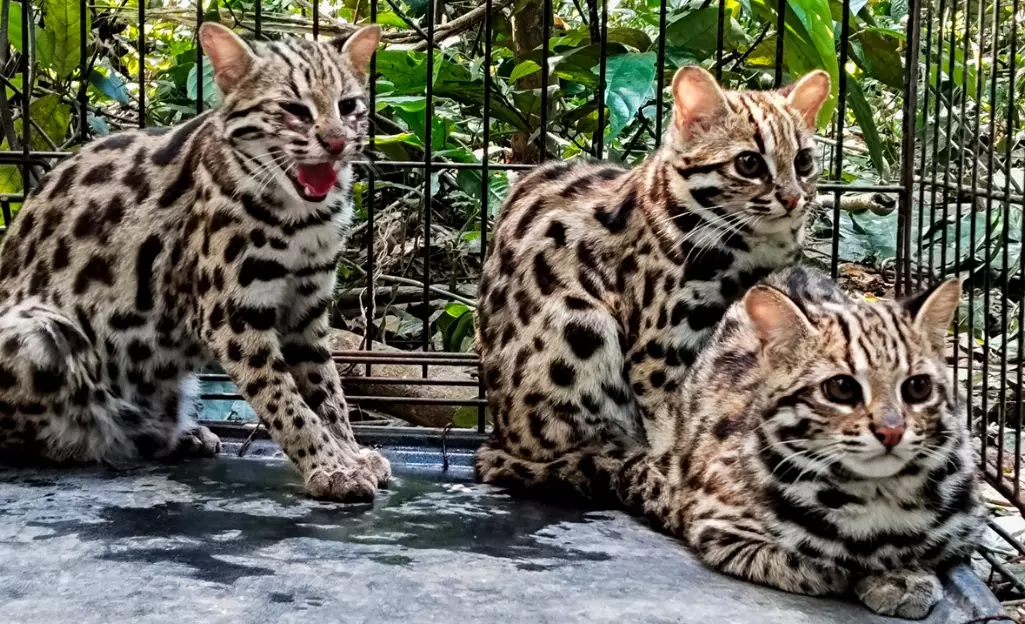
Bengal cats are a hybrid breed, originally created by crossing domestic cats with the Asian leopard cat. That wild ancestry isn't just for looks—it's baked into their personality, their energy levels, and their needs. The The International Cat Association (TICA) has a detailed breed standard that goes beyond just spots and rosettes. It talks about structure, temperament, and that distinctive "Bengal" presence. If you're looking for a couch potato that sleeps 20 hours a day, you've clicked on the wrong article. But if you're ready for an adventure, let's dive in.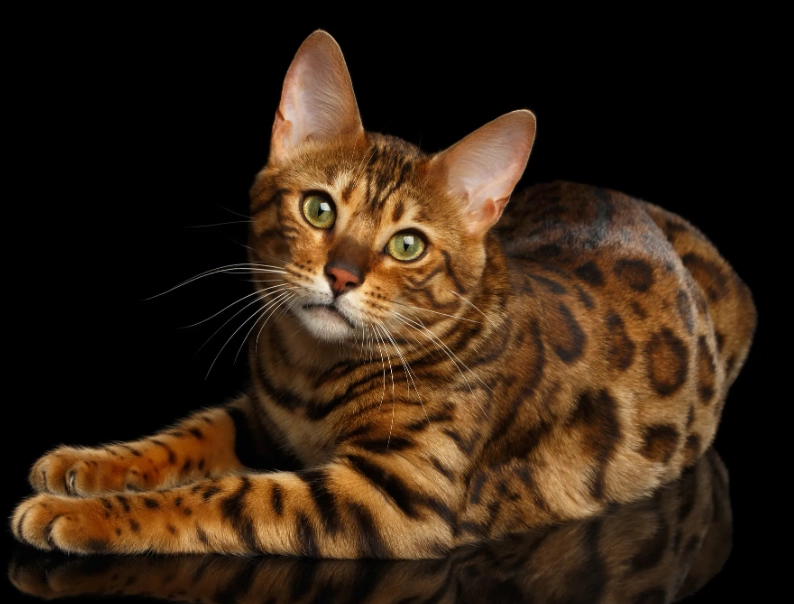
What Makes a Bengal Cat, Well, a Bengal?
Quick Navigation
Forget everything you think you know about typical house cats. Bengal cats operate on a different frequency. Their most obvious feature is, of course, their coat. But it's not just one pattern. You've got your spotted Bengals, which look like little cheetahs, and your marbled Bengals, with those beautiful, swirling, cloud-like patterns. The colors range from the classic brown spotted tabby to the cooler silver, and even the rarer charcoal and blue.
But the coat is just the wrapping paper. What's inside is a bundle of contradictions. They are fiercely intelligent, which means they get bored easily. They are incredibly affectionate, but on their own terms—don't expect a lap cat that tolerates endless cuddles. They form deep bonds with their people, often choosing one favorite human, but they also have an independent streak a mile wide. And the energy. Oh, the energy. It's not just kitten energy that fades; many Bengal cats retain a puppy-like zest for life well into their senior years.
This intelligence and energy combo is the source of both their charm and their most challenging behaviors. A bored Bengal is a destructive Bengal. They will find ways to entertain themselves, and you might not like their choices. Opening drawers, turning on faucets, rearranging your knick-knacks from high shelves—it's all in a day's work for them.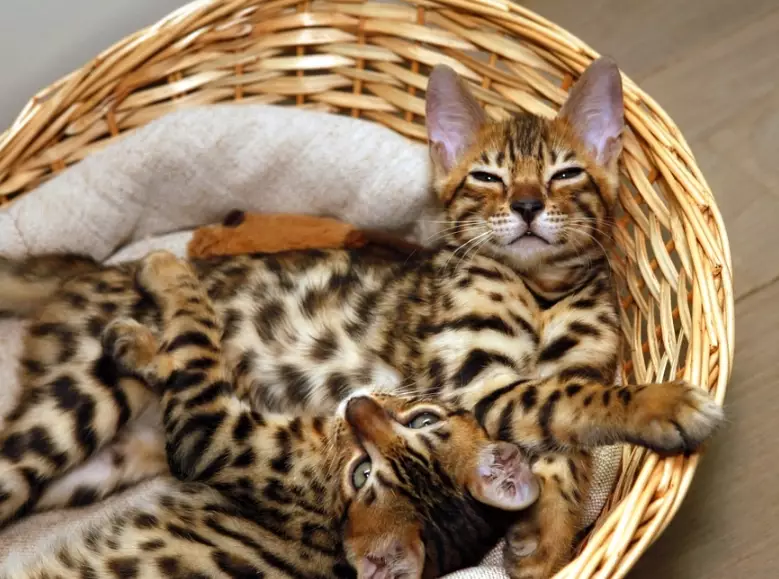
The Good, The Bad, and The Noisy
Let's break down the personality traits honestly. It's only fair.
- Stunning Beauty: They are objectively gorgeous animals. Their presence is captivating.
- High Intelligence & Trainability: You can teach a Bengal cat tricks! Fetch, high-five, even walking on a harness. They enjoy the mental stimulation.
- Playful & Energetic: They will keep you entertained and active. They love interactive play sessions.
- Social & Affectionate: They often follow their owners around, "helping" with chores. Many are vocal and will chat with you.
- Unique Personality: No two are exactly alike. They are full of quirks and character.
- Demanding & High-Maintenance: They require significant daily interaction and playtime. Leaving them alone for long periods is a recipe for trouble.
- Prone to Boredom & Destructiveness: See above about the curtains. And the sofa. And the wallpaper.
- Vocal & Loud: Their meow isn't always dainty. It can be a loud, demanding yowl, especially if they want something.
- Strong Prey Drive: They may not be safe with small pets like birds, hamsters, or even fish in an open tank.
- Potential for Water Fascination: Many love water and will join you in the shower, play in the toilet, or splash their water bowl everywhere.
I once spoke to a Bengal cat owner who had to install child locks on every single cabinet in her kitchen. Her cat, Loki, had learned to open them and would systematically empty the contents onto the floor at 3 AM. She loved him, but she was also perpetually tired. That's the reality check.
Caring for Your Mini Leopard: It's More Than Just Food
Okay, so you've weighed the pros and cons and you're still interested. Good! Responsible ownership starts with understanding their needs. Caring for Bengal cats is a commitment that goes beyond a food bowl and a litter box.
Nutrition: Fuel for the Engine
These active cats need high-quality fuel. Look for cat foods with a high meat protein content as the first ingredient. Many owners and breeders recommend a diet rich in animal-based protein, with some even opting for raw or gently cooked diets (though you must do this very carefully to ensure nutritional balance and safety—consult your vet!). The American Veterinary Medical Association (AVMA) has resources on pet nutrition that are worth reviewing. Dry food alone often isn't enough; incorporating wet food helps with hydration. And because Bengal cats are so active, they might need more calories than your average cat, but be careful not to overfeed. An obese Bengal is an unhealthy, unhappy Bengal.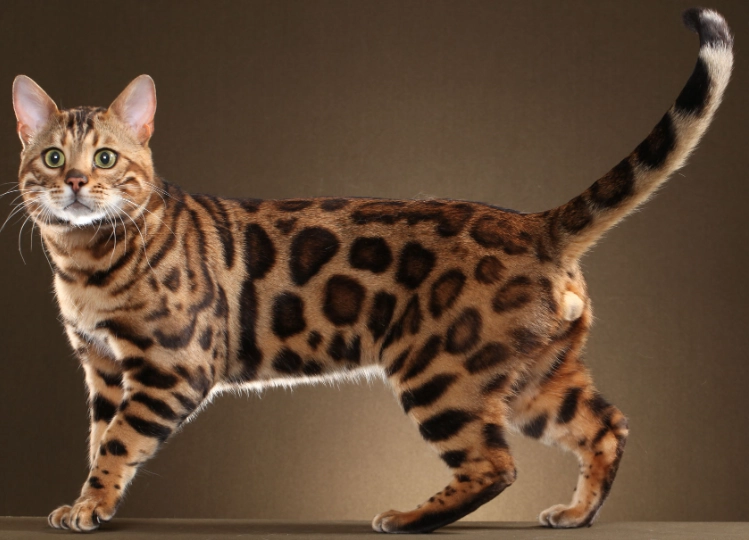
Environment: Making Your Home Bengal-Proof
This is non-negotiable. Your home needs to be their jungle gym, or they will make it one anyway. Here’s a checklist:
- Vertical Space: Tall, sturdy cat trees (the flimsy ones will be destroyed), wall-mounted shelves, and secure perches near windows.
- Interactive Toys: Puzzle feeders, treat-dispensing balls, wand toys you use with them. Rotate toys to keep things fresh.
- Secure Hideaways: They need high places to observe and cozy caves to sleep in.
- Water Security: A heavy, tip-proof water bowl, or better yet, a cat water fountain (many Bengals love running water). Keep toilet lids closed!
- Attention to Detail: Put away anything fragile. Secure cords and wires. Check that windows have secure screens.
Seriously, kitten-proof your home like you would for a toddler. Because in terms of curiosity and mischief, that's what you're getting.
Grooming & Health Basics
Luckily, their short, pelt-like coat is easy to care for. A weekly brush with a soft slicker brush is usually enough to remove loose hair and distribute skin oils. They shed, but less than many longer-haired breeds. The real grooming task is nail trimming. Those claws are sharp and strong. Get them used to it early.
Now, health. Reputable breeders screen for genetic conditions. Two you should ask about are:
- Progressive Retinal Atrophy (PRA): A disease that causes blindness. Responsible breeders test for this.
- Hypertrophic Cardiomyopathy (HCM): A form of heart disease. Ask if the breeder does regular cardiac screenings on their breeding cats.
Like all cats, they need regular vet check-ups, vaccinations, and parasite prevention. Find a vet who is familiar with or at least open to learning about the unique traits of Bengal cats.
Brown Spotted, Silver Marbled, Charcoal? Understanding Bengal Cat Colors & Patterns
This is where it gets fun for enthusiasts. The variety within the breed is incredible. It's not just about picking the prettiest one; understanding the categories helps you appreciate what you're seeing. Here’s a quick guide to the most common variations you'll find when looking at Bengal cats for sale or adoption.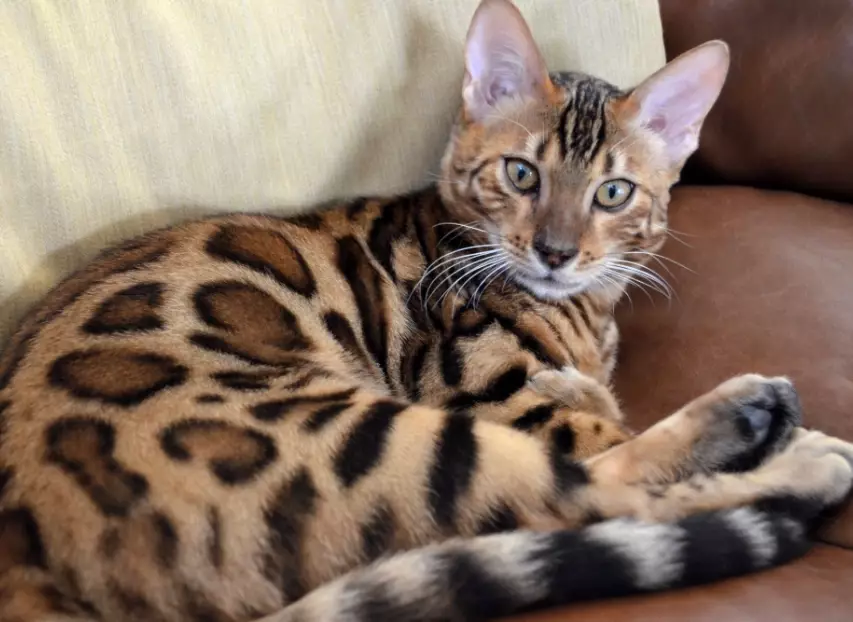
| Color/Pattern Name | Description | What to Look For |
|---|---|---|
| Brown Spotted Tabby | The classic "leopard look." Background color ranges from golden, tan, to orange. Spots or rosettes (spots with a darker outline) are dark brown to black. | High contrast between the background and the spots. Rosettes are highly desired in show cats. |
| Silver Spotted/Marbled | A cool, stunning look. The background is a pale silver to almost white. The markings are dark grey to black. | Clarity and lack of "tarnishing" (warm, rusty tones in the silver). The contrast here is especially striking. |
| Snow Bengal | Comes in three shades: Seal Lynx Point (blue eyes), Seal Mink (aqua eyes), and Seal Sepia (green/gold eyes). Markings range from faint to bold on a cream/ivory background. | Eye color is a key differentiator between the types. Pattern visibility can vary greatly. |
| Charcoal | A darker, more "smoky" version. Has a darker background and heavier, thick markings. Often features a distinctive "Zorro mask" and cape pattern on the back. | The unique facial mask and the overall darker, gothic appearance. |
| Marbled Pattern | Not stripes, but flowing, horizontal swirls of color. Can occur in any of the above colors (brown marble, silver marble, etc.). | A chaotic, beautiful pattern that should have a horizontal flow, not a vertical bullseye or bullseye tabby look. |
Remember, color and pattern don't affect personality. A silver Bengal cat is just as likely to be a mischievous genius as a brown one. Choose the look you love, but prioritize health and temperament above all else.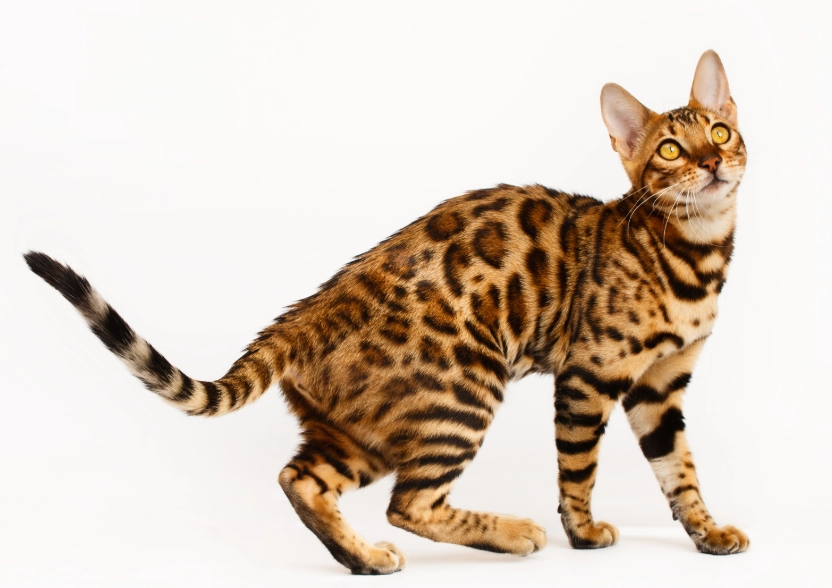
Your Bengal Cat Questions, Answered (The Stuff You Really Want to Know)
This is the big one. The short answer is no, they are not hypoallergenic. The allergy myth persists because some people with mild cat allergies react better to Bengals. Why? Most cat allergies are to a protein called Fel d 1, found primarily in cat saliva. Bengals tend to groom themselves less obsessively than some breeds, and their short, tight fur may hold less loose dander and saliva. However, they still produce the allergen. If you have severe allergies, spending time with a few different Bengal cats before committing is an absolute must. Don't rely on the myth.
It depends, but generally, yes, if introduced properly. Their playful nature can be great for older, respectful children who understand how to interact with animals. They might be too energetic and scratchy for very young toddlers. With other pets, early socialization is key. They can do well with another active cat, especially another Bengal, as a playmate. Dogs are often fine if the dog is cat-friendly. Small animals like rabbits, birds, or rodents are likely to be seen as prey. That wild ancestry is real.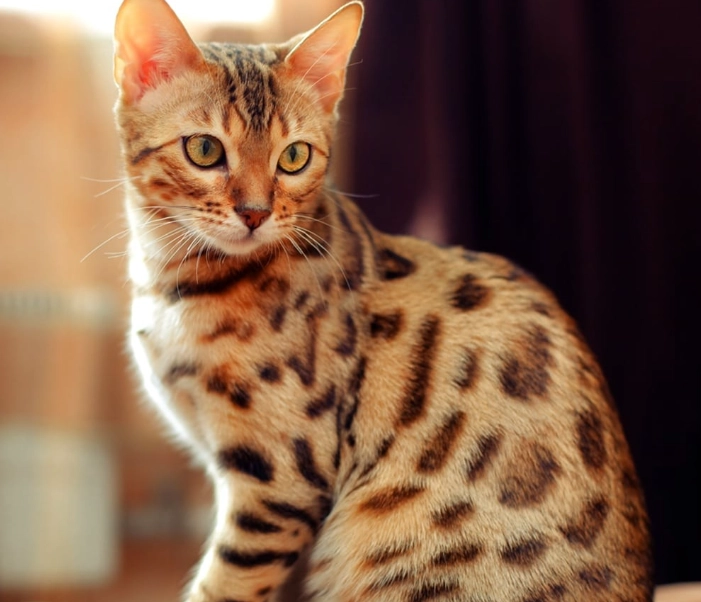
Because they have a lot to say! Bengal cats are famously chatty. They use vocalizations to communicate their needs, wants, and opinions. Are they hungry? Bored? Want to show you a toy? Want you to turn on the faucet? They'll tell you, loudly and persistently. This isn't a sign of distress usually; it's just how they are. Some owners find it endearing, others find it grating at 5 AM. You can sometimes redirect the behavior with attention or play, but you likely can't train it out completely.
With proper care, a healthy Bengal cat has a typical domestic cat lifespan of 12 to 16 years or more. This hinges on genetics from a responsible breeder, a high-quality diet, regular veterinary care, and a safe, stimulating indoor environment. Keeping them indoors is crucial for longevity—their curiosity and beauty make them targets for theft or accidents outside.
Many do! Not all, but a significant percentage have a fascination with water. Don't be surprised if your Bengal cat tries to join you in the shower, plays with dripping faucets, or pats at the water in their bowl. This trait is often linked to their wild ancestors. It can be messy, but it's also a great source of enrichment. A cat water fountain is almost always a hit with a water-loving Bengal.
Finding Your Bengal: Breeder, Rescue, or Roll of the Dice?
This is the most important decision you'll make. There are three main paths, each with very different implications.
- Reputable Breeder: This is the route for a predictable, healthy kitten with known genetics and early socialization. Expect to pay a significant amount ($1,500 - $3,000+). A good breeder will interview YOU, show you the kitten's parents, provide health guarantees and genetic testing records, and be a resource for life. They will not let kittens go before 12-16 weeks. Avoid anyone who has multiple litters available at all times, sells kittens under 12 weeks, or won't let you visit their facility. TICA's website is a good starting point to find breeders.
- Bengal Cat Rescue: Yes, they exist. Bengal cats end up in rescues because people weren't prepared for their needs. Adopting an adult can be wonderful—you know their personality upfront. It's also more affordable. The downside is you may not know their full history or health background. Search for breed-specific rescues; they understand the breed's quirks and can best match you with a cat.
- Backyard Breeder/Pet Store: Just don't. The low price tag is tempting, but the potential costs in vet bills, behavioral issues, and heartache are immense. These sources often prioritize profit over the health and temperament of the cats and kittens. Supporting them perpetuates poor practices.
Whichever route you choose, ask endless questions. A good source will welcome them.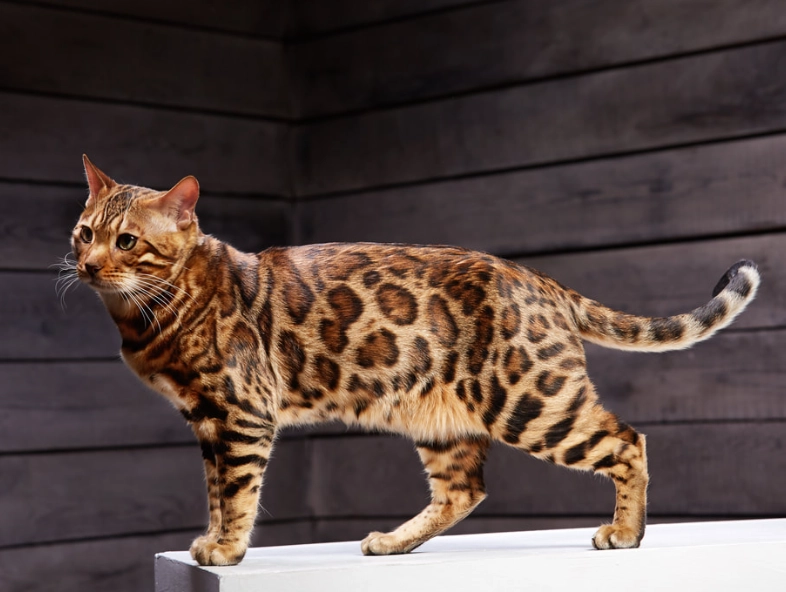
Final Thoughts: Is a Bengal Cat Right for You?
Look, I love Bengal cats. They are incredible, fascinating animals. But I would never recommend one to a first-time cat owner, someone who works 60-hour weeks, or a person who values a perfectly quiet, pristine home. They are a commitment of time, energy, and patience.
Ask yourself these questions honestly:
- Can I commit to at least two intense, interactive play sessions every single day?
- Am I okay with a cat that might be loud and demanding?
- Is my home environment ready to be catified with climbing structures and secure spaces?
- Am I looking for a unique companion, not just a living piece of art?
- Is my budget ready for high-quality food, potential vet bills, and plenty of toys?
If you answered yes to all of those, then welcoming a Bengal cat into your life could be one of the most rewarding experiences you'll have. You're not just getting a pet; you're gaining a smart, funny, stunningly beautiful member of the family who will keep you on your toes for years to come.
But if you hesitated on any of them, that's okay too. There are many wonderful cat breeds and amazing cats in shelters that might be a better fit. The goal is a happy home for both you and the cat. And for the right person, there's truly nothing like the experience of living with these remarkable Bengal cats.