I still remember the first time I saw a White Norwegian Forest cat at a friend's house. It was like a snow leopard had wandered into their living room—majestic, fluffy, and with eyes that seemed to know secrets. But behind that stunning appearance lies a breed with specific needs many owners overlook. If you're drawn to these white giants, you need to know what you're signing up for, beyond the Instagram photos.
What You'll Learn in This Guide
Origins and History: From Viking Ships to Your Sofa
The Norwegian Forest cat, or "Wegie" as enthusiasts call them, has roots dating back to Viking times. Legends say they sailed on longships, keeping rodents at bay. The white variety emerged through natural selection in Scandinavia's harsh climates—that thick coat wasn't just for show. It helped them survive snowy winters. The Cat Fanciers' Association (CFA) recognized the breed in 1993, but it's been around for centuries, evolving into the robust cat we see today.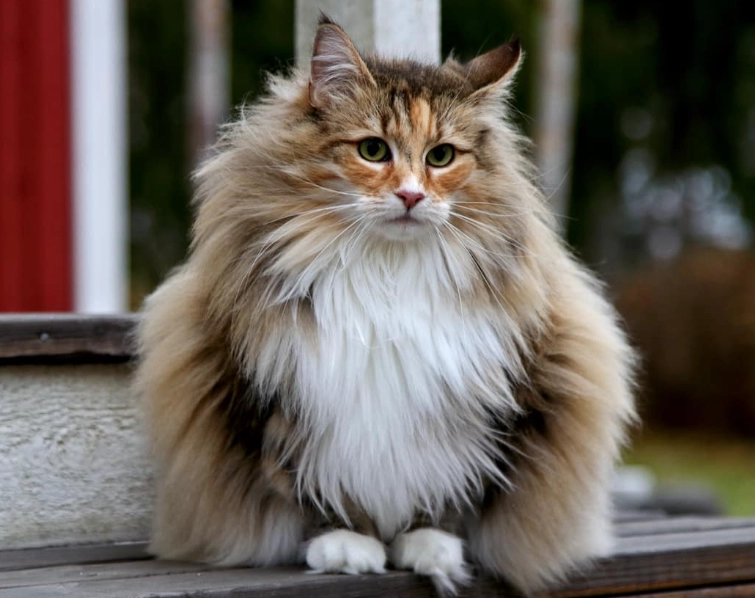
What most people miss? The white color isn't just aesthetic; it's linked to specific genes that can sometimes correlate with deafness, especially in blue-eyed individuals. Not all white Wegies are deaf, but it's a nuance breeders should test for. I've met owners who didn't realize this until their cat kept ignoring calls—turned out, it was partially deaf. Always ask breeders about hearing tests.
Physical Characteristics: The White Fluff Ball Details
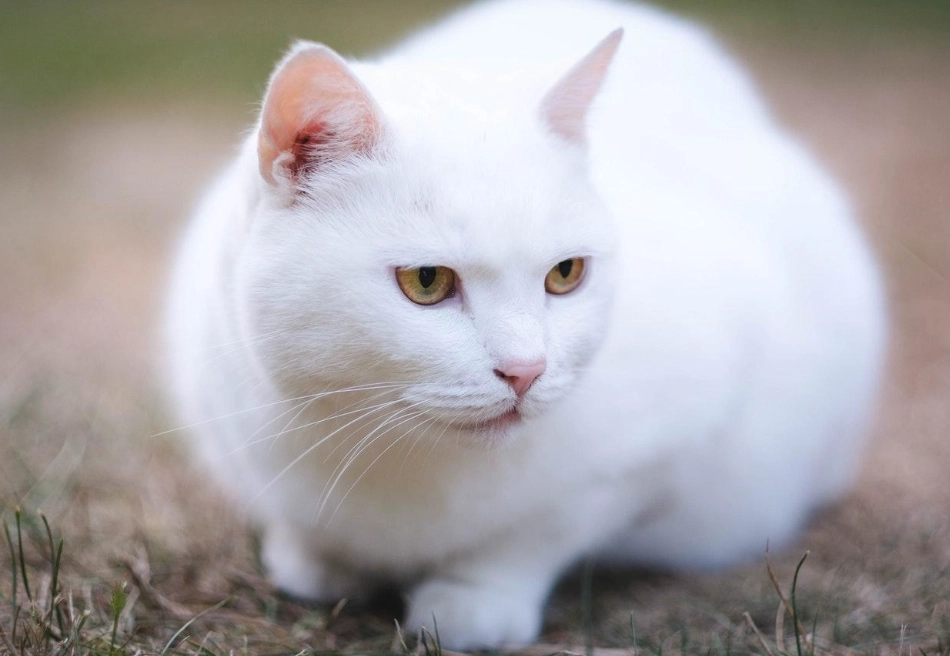
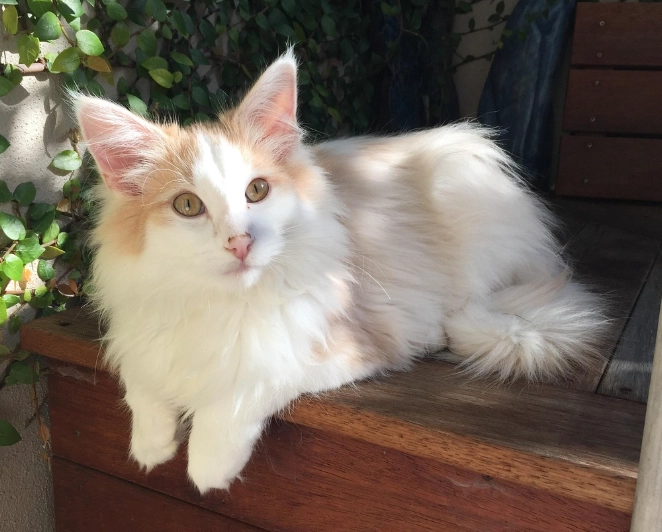
Imagine a cat that weighs 12 to 16 pounds for males, 9 to 12 pounds for females, with a muscular build under all that fur. The white coat is a double-layered masterpiece: a dense, woolly undercoat and a long, water-resistant topcoat. It's designed for insulation, but in your home, it means shedding. Lots of it.
Coat, Color, and Those Eyes
The white color should be pure, without markings, though some kittens might have faint ghost stripes that fade. Eyes can be blue, green, gold, or odd-eyed (one blue, one green). Odd-eyed cats are striking, but again, watch for deafness on the blue-eyed side. Their paws are large and tufted—perfect for snow, but they'll track litter everywhere if you're not careful.
Pro tip: When evaluating a White Norwegian Forest cat, run your fingers through the coat. It should feel soft but not silky; a greasy texture might indicate poor health or diet. Also, check for mats behind the ears—a common trouble spot even in well-groomed cats.
Personality and Temperament: Not Your Average Lap Cat
These cats are often described as gentle giants, and that's mostly true. They're intelligent, curious, and love to climb. Think of them as the arborists of the cat world. A friend's Wegie once scaled her bookshelf just to survey the room from above. They're playful but not hyper, making them great for families with older kids.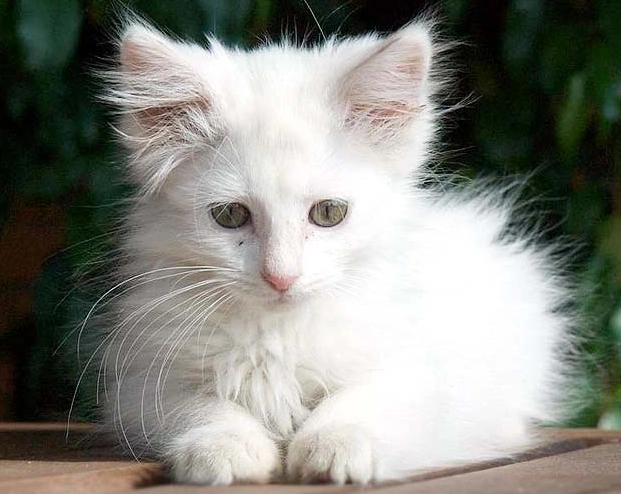
But here's a non-consensus view: They can be aloof with strangers. Don't expect instant cuddles from a new visitor. It took my friend's cat three days to warm up to me, and even then, it was more about sitting nearby than on my lap. They form strong bonds with their humans but on their own terms. If you want a velcro cat, consider a different breed.
Are They Good with Children and Pets?
Generally yes, thanks to their patient nature. But their size means they might accidentally knock over toddlers. Supervise interactions, and teach kids to respect their space. With other pets, introductions should be slow. I've seen cases where a Wegie dominated a smaller cat simply by size, not aggression. Give them time to adjust.
Grooming and Care: The Real Work Behind the Beauty
This is where many owners slip up. That gorgeous coat demands maintenance. Brush at least twice a week with a stainless steel comb and a slicker brush. During shedding seasons—spring and fall—you'll need daily sessions. Otherwise, mats form, and trust me, removing them is painful for the cat and frustrating for you.
Step-by-Step Grooming Routine
- Start young: Get kittens used to brushing early. Use treats to make it positive.
- Focus on trouble areas: Neck, belly, and behind the legs. These spots mat easily.
- Bathing: Yes, occasional baths help. Use a cat-specific shampoo, and ensure thorough drying to prevent chill.
Diet matters too. High-protein food supports their muscle mass and coat health. Avoid cheap fillers; they can lead to obesity, which strains joints. Exercise? These cats enjoy interactive toys and cat trees. A bored Wegie might turn to destructive climbing.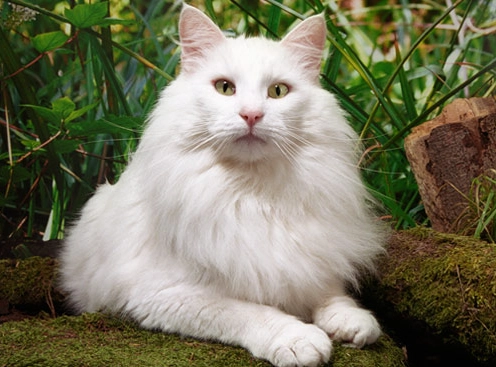
| Care Aspect | Details | Frequency |
|---|---|---|
| Brushing | Use comb and slicker brush | 2-3 times/week, daily in shed seasons |
| Nail Trimming | Cat nail clippers | Every 2-3 weeks |
| Dental Care | Brush teeth or dental treats | Weekly |
| Vet Check-ups | Full physical exam | Annually, more for seniors |
Health Considerations: What to Watch Out For
Norwegian Forest cats are generally healthy, but they have predispositions. Hypertrophic cardiomyopathy (HCM) is a common heart condition. Reputable breeders screen for it, but I've seen cases where owners skipped annual echocardiograms, only to face emergencies later. Start screenings at age 3.
Common Health Problems
- Hip Dysplasia: Their large size can stress joints. Keep them lean and provide soft bedding.
- Glycogen Storage Disease IV: A rare genetic disorder; ask breeders for test results.
- Deafness: Linked to white coat and blue eyes. Observe behavior—if they don't react to sounds, get a vet check.
Prevention is key. Choose breeders registered with organizations like The International Cat Association (TICA), who do genetic testing. I recall a breeder who glossed over health tests, and the kitten developed issues within a year. Don't be shy—ask for documentation.
Is a White Norwegian Forest Cat Right for You?
Let's be honest: This breed isn't for everyone. If you have allergies, think twice. They shed profusely, and no amount of grooming eliminates all dander. I've had allergy-prone friends visit and end up sneezing for hours, despite a clean home.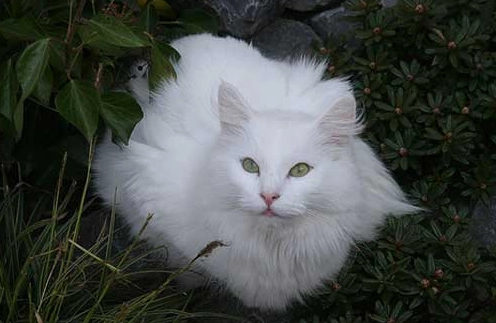
Cost and Adoption Tips
From reputable breeders, expect to pay $800 to $1500 for a kitten. Adoption is possible through rescues like Norwegian Forest Cat Rescue, but white ones are rare. Be prepared for waitlists. When evaluating, visit in person. Look for clear eyes, clean ears, and active behavior. Avoid sellers who won't show health records.
Space is another factor. These cats need room to climb. A small apartment might frustrate them unless you invest in tall cat trees. Budget for grooming tools and quality food—it adds up.
Frequently Asked Questions
In the end, owning a White Norwegian Forest cat is a commitment. They're stunning companions, but that beauty comes with work. If you're willing to put in the effort, you'll have a loyal friend for up to 14 years or more. But if you're looking for a low-maintenance pet, this might not be the one. Do your research, visit breeders, and maybe volunteer at a rescue to get hands-on experience. It's better to know now than regret later.