Quick Navigation
- First Things First: The Four Types of Tabby Patterns
- The Heart of the Matter: Core Tabby Cat Personality Traits
- Living With a Tabby: The Real-World Guide
- Tabby Cat Personality: The Good, The Challenging, and The Hilarious
- Your Tabby Cat Personality Questions, Answered
- The Bottom Line: Is a Tabby Cat Right for You?
Let's get one thing straight right off the bat. "Tabby" isn't a breed. I think that's the biggest point of confusion for people. It's a coat pattern. You can find this pattern in almost every cat breed out there, from the common Domestic Shorthair to fancy Maine Coons. That means when we talk about tabby cat personality, we're really talking about a set of traits that seem to pop up again and again in cats who wear those gorgeous stripes, swirls, and spots. It's not a hard science, but after years of talking to vets, breeders, and just owning a few myself, you start to see patterns. And I'm not just talking about the fur.
My first cat, a classic mackerel tabby named Leo, was the one who taught me everything. He was a chatterbox, a food thief of the highest order, and had more dog-like loyalty than any other cat I've known. Was that just him, or was it the tabby in him? It got me curious. So I dug in, and here's what I've learned from experience and from the experts about what makes these cats tick.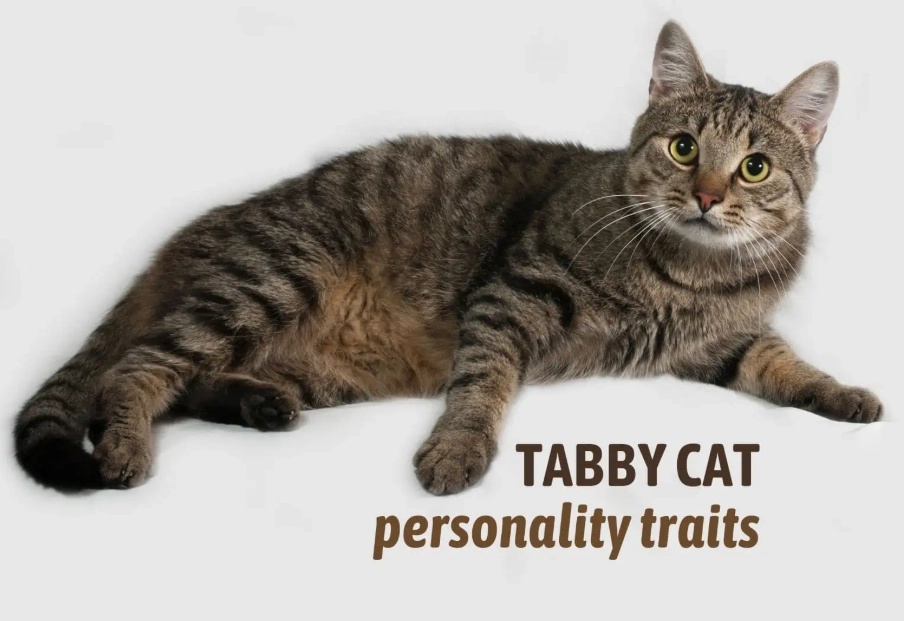
First Things First: The Four Types of Tabby Patterns
Before we dive into the mind of a tabby, you gotta know how to spot one. They come in four main styles. Knowing which one your cat is might even give you a tiny hint about their tabby cat behavior (though take this with a grain of salt – every cat is an individual!).
- Classic (or Blotched): This is the one with the beautiful, swirling marble cake pattern on their sides, often with a bullseye or butterfly shape. They look like little leopards. In my completely unscientific observation, classics often have a laid-back, regal air about them.
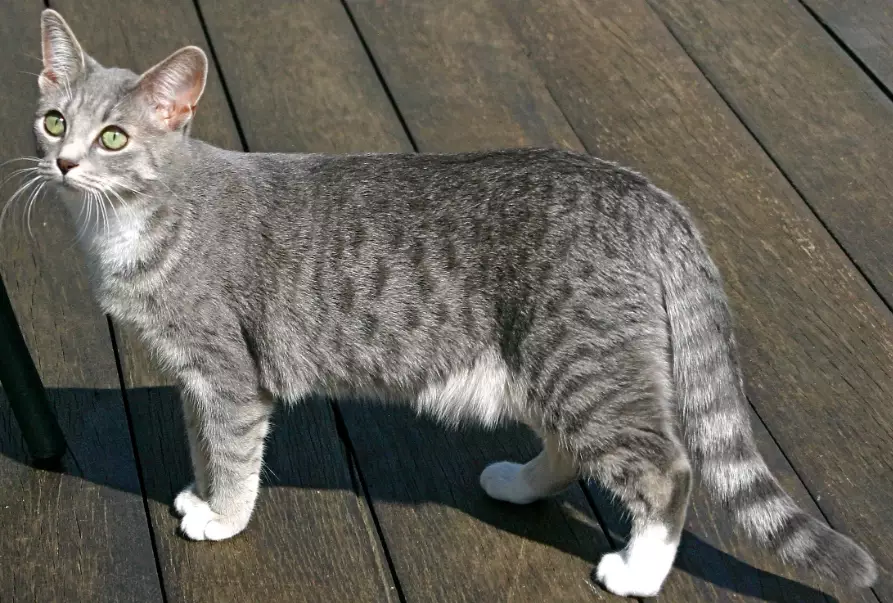
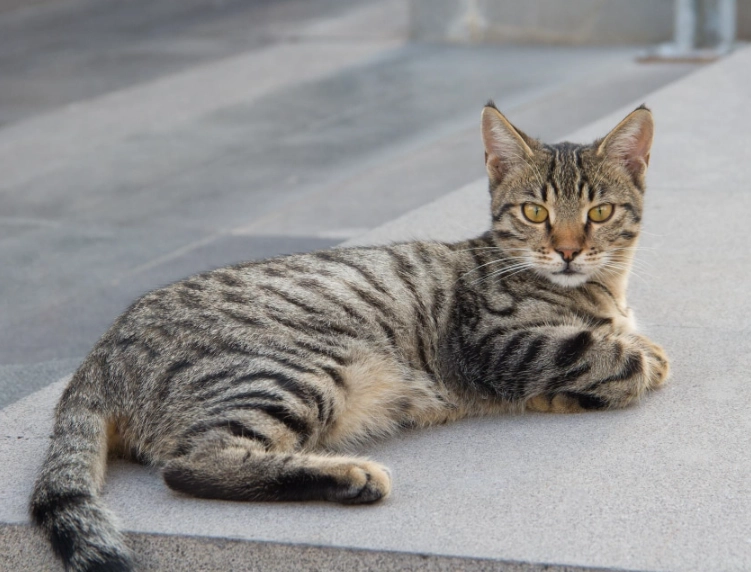
- Mackerel: The tiger-striped cat. Narrow, parallel stripes running down their sides like fishbones (hence the name). This is the most common pattern and the one closest to wild cats. Leo was a mackerel, and boy, did he have that wild, playful energy.
- Spotted: Instead of stripes or swirls, they have spots of various sizes. It gives them an exotic, ocelt-like appearance. You see this a lot in breeds like the Ocicat or Bengal, which might influence their high-energy tabby cat personality traits.
- Ticked: The sneaky tabby. From a distance, they might look like a solid-color cat, but up close, each hair has alternating bands of light and dark (agouti hairs). No stripes on the body, just maybe some on the legs and tail, and the classic "M" on the forehead. They're sophisticated.
That iconic "M" on the forehead, by the way, is the universal tabby mark. Legend says it stands for "Mau," the Egyptian word for cat, or was a mark placed by the Virgin Mary. Cute stories, but biologically, it's just part of the tabby pattern gene.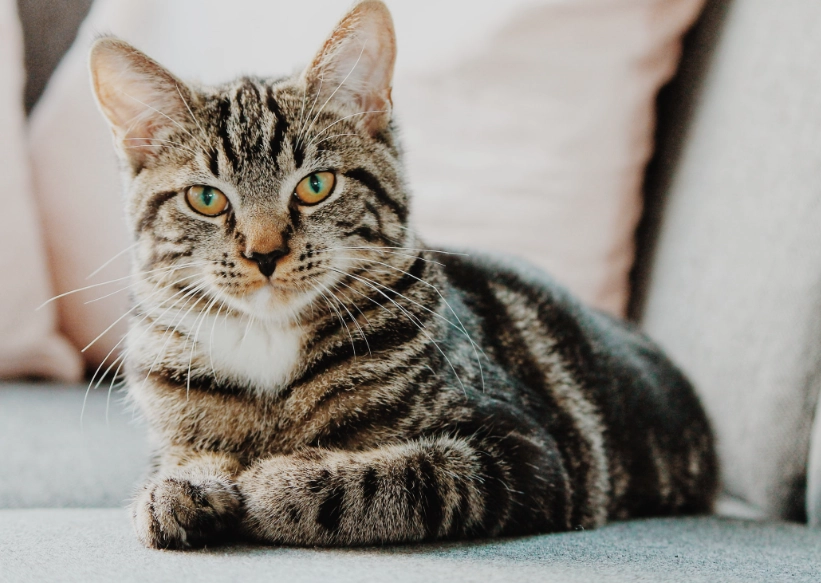
The Heart of the Matter: Core Tabby Cat Personality Traits
Okay, here's the good stuff. What can you generally expect? I'm painting with broad strokes here, but these traits come up so often they're hard to ignore.
| Trait | What It Looks Like | My Take / Experience |
|---|---|---|
| Highly Social & Affectionate | Follows you from room to room, greets you at the door, enjoys being near (or on) you. This is a big one. Are tabby cats friendly? Usually, yes. They often form strong bonds with their humans. | Leo had to be in whatever room I was in. Not always on my lap, but definitely within sight. It was less clinginess and more quiet companionship. |
| Intelligent & Curious | Gets into cabinets, figures out puzzle toys quickly, watches everything you do with intense interest. They're problem-solvers. | This can be a double-edged sword. Smart cats get bored easily. If you don't give them an outlet, they'll create their own fun (usually involving your curtains). |
| Vocal & Communicative | They don't just meow. They chirp, trill, and have full-blown conversations with you. They'll tell you about their day, their empty food bowl, the bug on the wall. | This is the most consistent trait I've seen. It's not yowling, it's conversational. My current ticked tabby, Mochi, has a specific chirp for "I caught a toy mouse" and a different meow for "I'm offended you're late for dinner." |
| Playful & Energetic | Retains a kitten-like love for play well into adulthood. Enjoys chasing, pouncing, and interactive games. | This is great for bonding, but you need to commit to playtime. A bored, energetic tabby is a recipe for mischief. |
| Adaptable | Often adjusts well to changes in routine, new people, or even moving homes, provided their core needs for security and love are met. | This adaptability is part of why they're such popular and successful companions. They're resilient. |
Now, I want to be super clear. This isn't a guarantee. I've met a few tabbies who were total curmudgeons, hiding under the bed all day. Genetics, early socialization (those first 2-7 weeks are crucial), and individual life experiences play a massive role. The tabby cat personality is a strong tendency, not a destiny.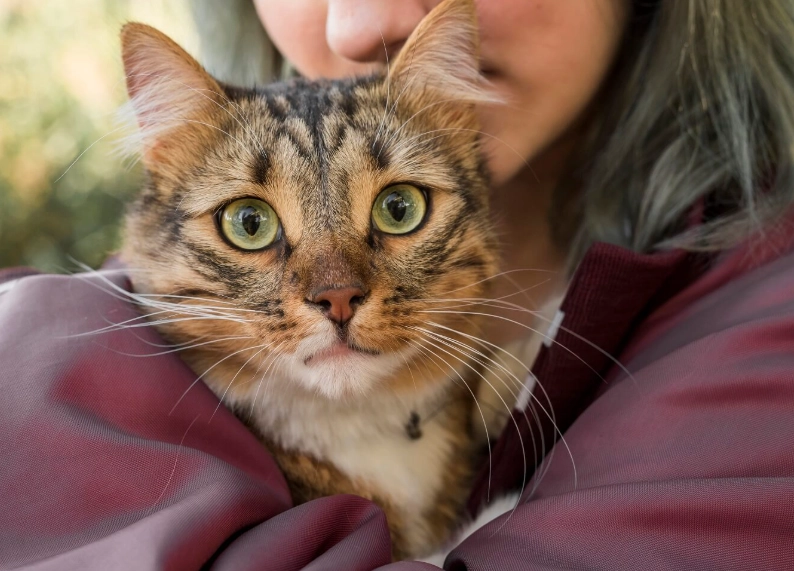
Mythbuster Corner
Myth: Orange tabbies (ginger cats) are always male and always super friendly.
Truth: About 80% of orange tabbies are male (it's a sex-linked gene), but females do exist! And while many are famously affectionate "lovebugs," personality still varies widely. I knew a male ginger tabby who was stunningly aloof. He broke the stereotype completely.
Living With a Tabby: The Real-World Guide
Knowing the traits is one thing. Living with them day-to-day is another. Here’s what you need to know to make life with your tabby fantastic, not frustrating.
Meeting Their Mental Needs
This is non-negotiable. A smart cat needs a job. Boredom is the root of most "behavioral problems"—which are really just natural cat behaviors directed at your furniture.
- Puzzle Feeders: Don't just dump food in a bowl. Make them work for it. There are tons of puzzle balls and mats that turn mealtime into a brain game. It satisfies their hunting instinct.
- Rotating Toys: Cats habituate quickly. Have a toy box and cycle through different toys every few days. A crumpled piece of paper one day, a feather wand the next. The novelty keeps them engaged.
- Vertical Space: Tabbies love to climb and survey their kingdom. Cat trees, wall shelves, or even cleared-off bookcase tops are essential. It makes them feel secure and in control.
- Clicker Training: Seriously, it works. You can teach them to sit, high-five, or come when called. It's incredible mental stimulation and strengthens your bond. The ASPCA has great resources on positive reinforcement training for cats.
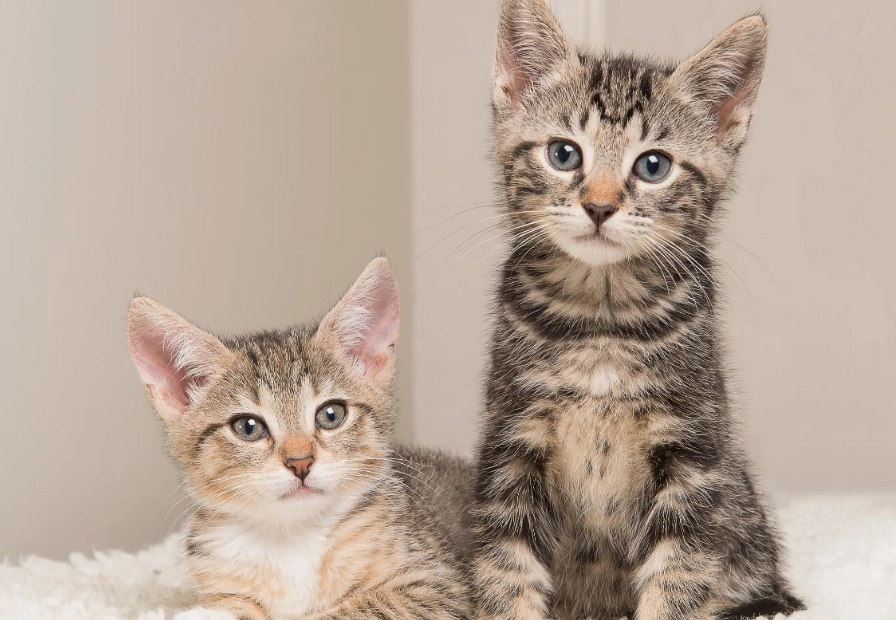
Pro Tip: Schedule two 15-minute interactive play sessions a day. Use a wand toy to mimic prey—darting, hiding, letting them "catch" it. This burns energy and fulfills their predatory sequence (stalk, chase, pounce, kill). Afterward, they'll often groom and nap, perfectly content.
Understanding the Chatter
Your tabby will talk to you. The key is to listen and respond. If they chirp at a bird, chirp back! If they meow for food, acknowledge them before feeding (so they learn meowing works, but not instantly). Ignoring a vocal cat can sometimes lead to louder, more persistent calls. They're communicating; engaging with them validates that effort. This aspect of tabby cat behavior is one of the most endearing if you lean into it.
Sometimes, though, excessive vocalization can signal a problem. If the meowing is new, constant, or seems distressed, rule out medical issues first. Hyperthyroidism, high blood pressure, or pain can cause increased vocalization. A great resource for understanding feline health signals is the Cornell Feline Health Center. Always start with a vet check.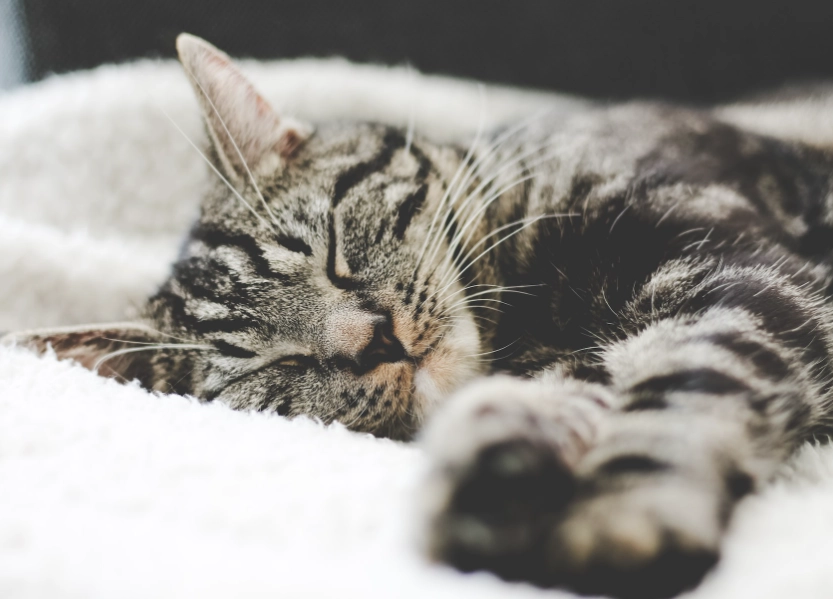
Tabby Cat Personality: The Good, The Challenging, and The Hilarious
Let's be balanced. It's not all cuddles and chirps.
The Good: They are engaging, loyal companions. You're never alone with a tabby. Their intelligence means they learn routines quickly (like wake-up time, which they will enforce). They bring a lively, interactive energy to a home.
The Challenging: That same intelligence and energy can be directed at things you don't want. They might learn to open cupboard doors or figure out how to turn on faucets. They demand interaction and can become pesky if bored. Their strong hunting drive means any small, moving object (earrings, hair ties) is fair game. You have to be vigilant about cat-proofing.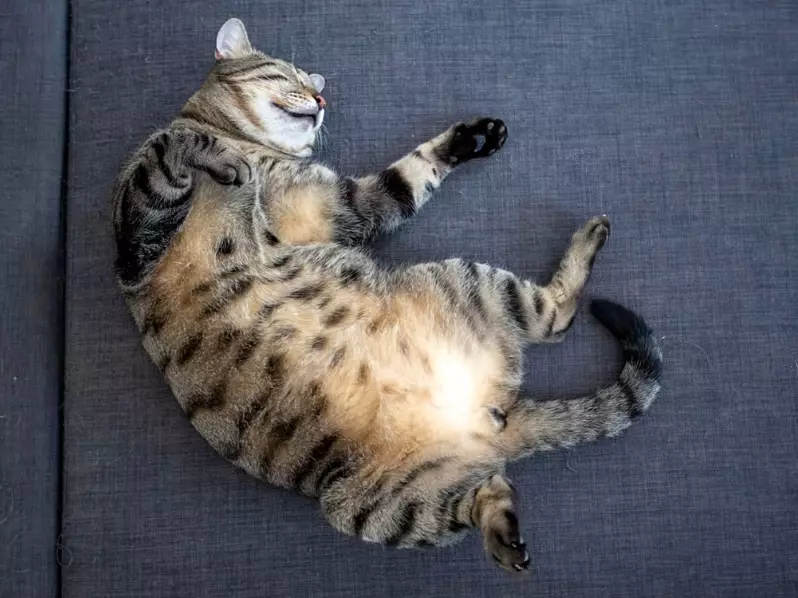
Many tabbies are highly food-motivated. This makes training easier but also turns them into expert counter-surfers and food thieves. I lost many a piece of buttered toast to Leo. You must secure your trash can and never leave food unattended.
Your Tabby Cat Personality Questions, Answered
Q: Are tabby cats good with kids and other pets?
A: Generally, yes, due to their adaptable and social nature. However, supervision is always key. Teach kids how to interact gently (no tail pulling!), and always introduce new pets slowly and carefully. A well-socialized tabby often becomes the ringleader of a multi-pet household.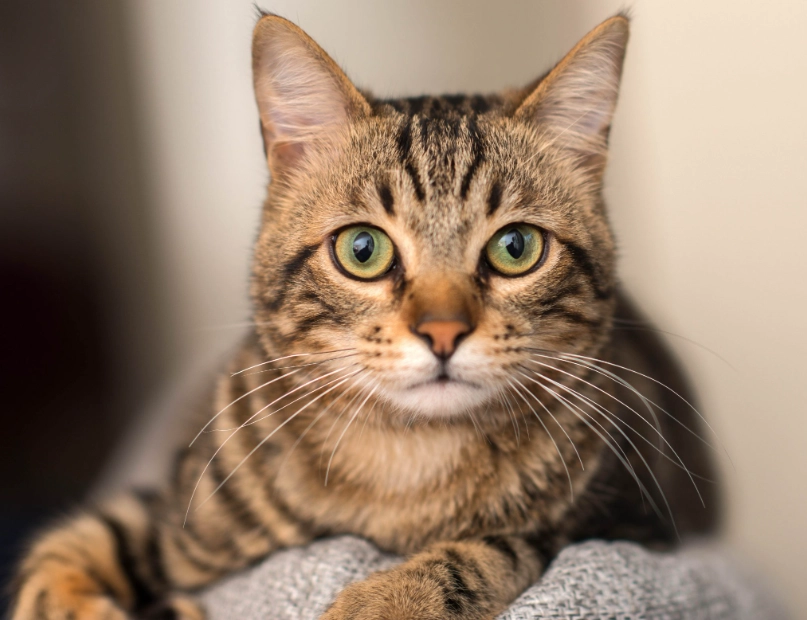
Q: Do different tabby colors have different personalities?
A: This is more folklore than science, but anecdotes are strong. Orange tabbies are famed for being cuddly and goofy. Grey tabbies (often called "blue") sometimes have a reputation for being extra gentle and sweet. Brown mackerel tabbies are often seen as the quintessential adventurous, wild-at-heart cats. Remember, these are just fun trends, not rules.
Q: My tabby follows me everywhere, even to the bathroom. Is this normal?
A: Completely. This is a hallmark of the bonded tabby cat personality. You are their person, and their job is to be with you. They're also wildly curious about what you're doing in that water-filled room. It's a sign of deep trust and affection. Enjoy it (or just accept the lack of privacy).
Q: Why is my tabby so obsessed with water?
A: Not all are, but many tabbies show a fascination with dripping taps, showers, or even trying to join you in the bath. It might be linked to their curiosity and intelligence—moving water is interesting! It could also be a preference for fresh, running water over stagnant bowl water. Consider a cat water fountain.
The Bottom Line: Is a Tabby Cat Right for You?
Think about your lifestyle. A tabby cat personality is a fantastic fit if:
- You want an interactive, communicative companion, not just a decorative pet.
- You have time for daily play and engagement.
- You enjoy a cat with a big, noticeable personality.
- You can provide a stimulating environment with things to climb and explore.
You might want to think twice if:
- You want a completely independent, aloof cat that minds its own business.
- You're gone for very long hours frequently without providing enrichment.
- You prefer a perfectly quiet home (they can be noisy!).
- You're not prepared for some mischievous problem-solving.
At the end of the day, bringing any cat into your home is a commitment. But understanding the common threads of the tabby cat personality gives you a huge head start. You're not just getting a pet with pretty stripes; you're getting a curious, chatty, clever little family member who will keep you on your toes and fill your home with personality.
Go into it with open eyes and a ready heart, and you'll likely find yourself with one of the most rewarding friendships imaginable. Just hide your bread.