Quick Navigation
- The Big Four: Recognized Abyssinian Cat Colors
- Beyond the Basics: Other Abyssinian Cat Coat Colors
- The Science Bit: What Creates These Abyssinian Cat Colors?
- How Cat Registries View Abyssinian Cat Colors (A Handy Table)
- What About the Kittens? Color Changes from Birth
- Your Questions, Answered: Abyssinian Cat Colors FAQ
- Choosing Your Abyssinian Cat's Color: What Really Matters
Let's be honest, the first thing you notice about an Abyssinian cat isn't its playful personality or its elegant posture—it's that coat. That incredible, warm, sun-kissed, wild-looking coat. It shimmers. It has depth. It's not just one flat color, but a masterpiece of layered hues. If you've found yourself here, you're probably wondering what to call that specific shade of gorgeousness. Is it ruddy? Is it sorrel? Maybe it's one of those stunning, cooler-toned Abyssinian cat colors like blue or fawn.
I remember when a friend brought home her first Aby, convinced it was a "standard orange tabby but fancier." She had no idea about the specific color terminology or the genetics behind it. She just knew it was beautiful. That's a common starting point. But diving into the world of Abyssinian cat colors is like unlocking a secret code to appreciating the breed on a whole new level. It's not just about aesthetics; it tells a story about the cat's lineage and genetics.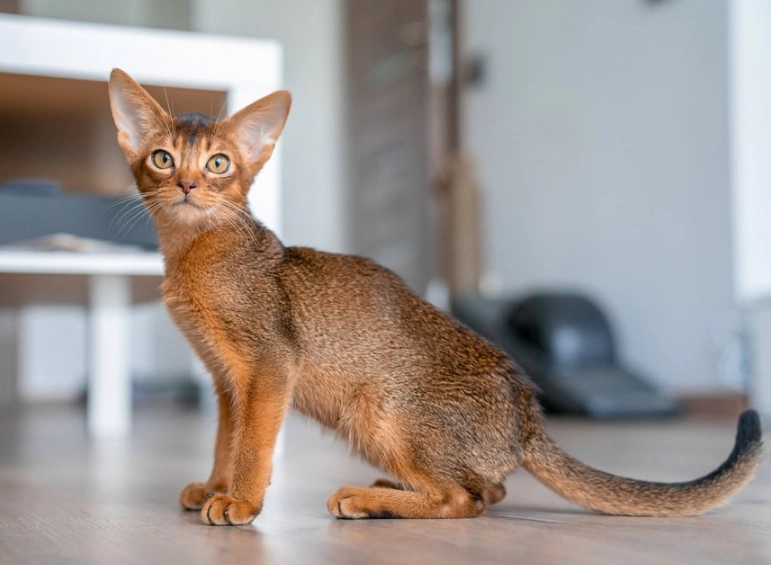
This guide is here to cut through the confusion. We're gointo break down every recognized and even some unofficial Abyssinian cat coat colors, explain the magic of "ticking," and look at what the major cat registries say. You'll finish reading knowing exactly what you're looking at, and maybe even what to look for if you're hoping to bring one of these captivating creatures home.
The Core of the Aby Look: Ticking
Before we talk about colors, we have to talk about pattern. The defining feature of an Abyssinian's coat is called "ticking" or "agouti" hair. This means each individual hair is banded with multiple colors. It's not a solid strand. A single hair might have a light base, a dark middle band, and a dark tip. This banding is what creates that incredible depth and shimmer, eliminating any clear stripes or spots and giving them that iconic, cougar-like appearance. Without ticking, you don't have an Abyssinian look—you just have a solid-colored cat. The specific Abyssinian cat colors we discuss refer to the palette used in this ticking process.
The Big Four: Recognized Abyssinian Cat Colors
Most major cat fancier associations, like the Cat Fanciers' Association (CFA) and The International Cat Association (TICA), recognize four main color classes for Abyssinians. These are the classics, the ones you'll see in cat shows and from most reputable breeders. Think of these as the standard palette.
Ruddy (Usual/TA)
This is the classic, the original, the one most people picture. The ground color is a warm, burnt orange or apricot. The ticking is black or dark brown. The tail tip is black, the paw pads are black or dark brown, and the nose leather is brick red. It's a rich, vibrant color that truly looks like a miniature cougar. Some people call it "usual," which is a terribly boring name for such a spectacular color, if you ask me. The genetic code for this one is often noted as ta.
It's the most common color, but that doesn't make it any less stunning. In fact, its popularity is a testament to how perfectly it showcases the ticked coat.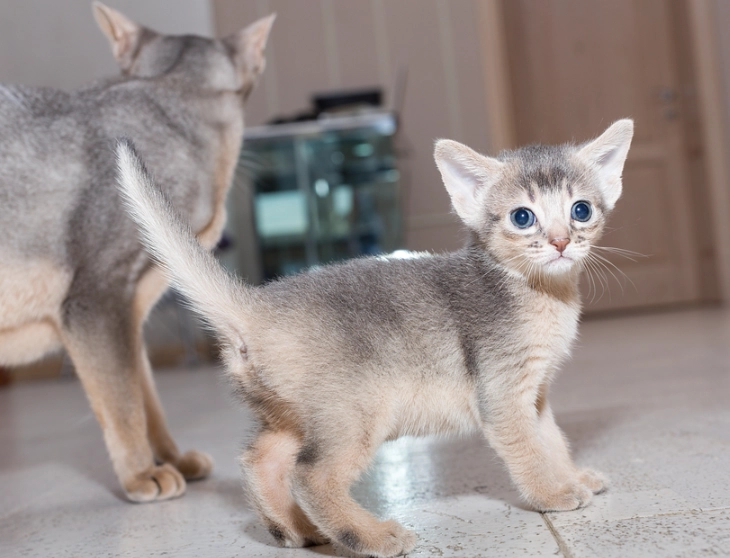
Sorrel (Cinnamon/Red)
Now, here's where naming gets fun—and a bit messy. What one registry calls Sorrel, another might call Red or Cinnamon. Generally, Sorrel is a lighter, warmer alternative to Ruddy. The ground color is a brighter, clearer copper-red. The ticking is a chocolate brown or light cinnamon color, not black. The tail tip is chocolate brown, paw pads are pinkish (often with a chocolate tone between the toes), and the nose leather is a rosy pink. It has a softer, sunnier feel than the intense ruddy. The genetic difference here is crucial—it's not a black-based color, but a chocolate-based one.
I personally think Sorrel Abyssinians have a particularly cheerful glow about them. The lack of black in the coat gives it a uniquely warm quality.
Blue
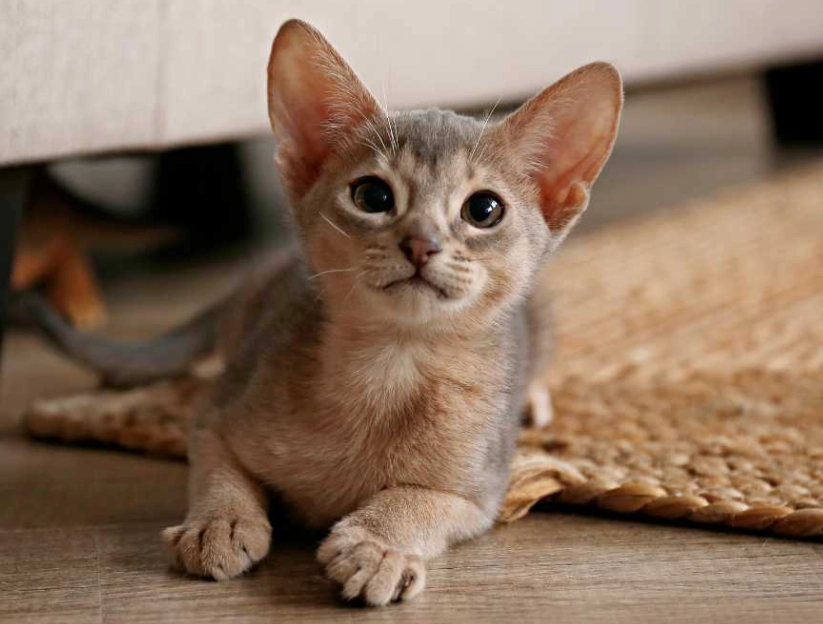
This is where Abyssinian cat colors get really elegant. "Blue" in cat genetics never means a sky blue; it's a beautiful diluted gray. For an Aby, the ground color is a soft, warm beige or oatmeal. The ticking is a slate blue-gray, giving the whole cat a muted, sophisticated, almost pastel appearance. The tail tip is slate blue, paw pads are mauve (a purplish-pink), and the nose leather is a rosy old-rose color. It's a stunning, subtle color that photographs beautifully and has a very regal air.
It's a dilution of the Ruddy color. If you take the genetics of a Ruddy and add a dilution gene, you get a Blue. Simple in theory, gorgeous in practice.
Fawn
The lightest and most delicate of the recognized quartet. Fawn is a dilution of the Sorrel color. The ground color is a pale, creamy ivory or café-au-lait. The ticking is a light, rosy cocoa brown. The tail tip is a deeper cocoa, paw pads are a dusty pink, and the nose leather is a salmon pink. This color can look almost ethereal in certain lights, with a very soft, powdery effect. It's less common than Ruddy or Blue, which makes finding one a special treat.
Some folks mistakenly think Fawn Abyssinians look "washed out," but I disagree. In person, the subtle contrast and warm pinkish tones are incredibly sophisticated. It's a quiet stunner.
So, you've got your warm classics (Ruddy, Sorrel) and their cooler, diluted counterparts (Blue, Fawn). That's the core family.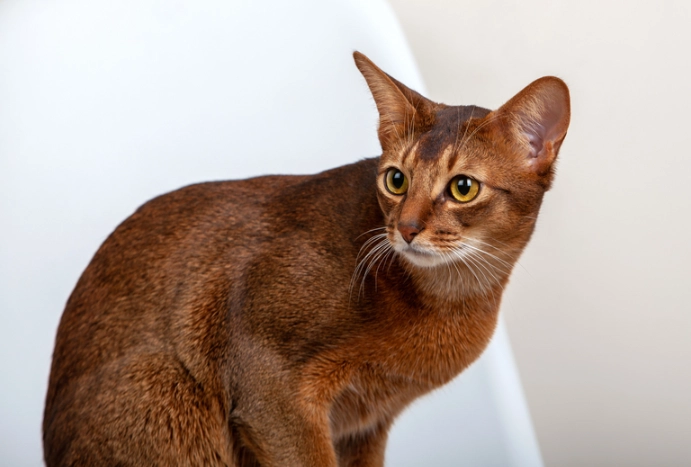
Beyond the Basics: Other Abyssinian Cat Coat Colors
Walk into a cat show governed by CFA rules, and you'll see only the four colors above. But the world of Abyssinian cat colors is a bit bigger than that. Other registries, particularly in Europe, and some experimental breeding programs acknowledge or are working with other colors. It's a controversial topic in some breeding circles—purists versus innovators. Let's look at a few you might encounter.
Chocolate and Lilac Abyssinians
These follow the same logic as Ruddy/Blue and Sorrel/Fawn. A Chocolate Aby would have a rich, coppery ground color ticked with milk chocolate brown. A Lilac (or Lavender) is the dilution of Chocolate, resulting in a pale, frosty gray ground with pinkish-lavender ticking. They are stunning. TICA, for example, may accept these in their "Other" category for registration, even if they're not yet fully champion-status in all divisions. The genetics are sound; it's just a matter of breed standards catching up.
Silver Abyssinians
This is a whole different effect. The silver gene inhibits the development of warm pigment (phaeomelanin) in the base of the hair. The result? The ground color becomes a cool, clear silver-white, while the ticking remains black, blue, chocolate, etc. So you can have a Black Silver (black ticking on white), Blue Silver, Chocolate Silver, and so on. The contrast is dramatic and breathtaking—like a sparkling frost over the classic pattern. They are recognized in some European registries and are gaining interest globally. Personally, I find them mesmerizing, though some argue the silver ground color changes the essential "warmth" of the traditional Aby look.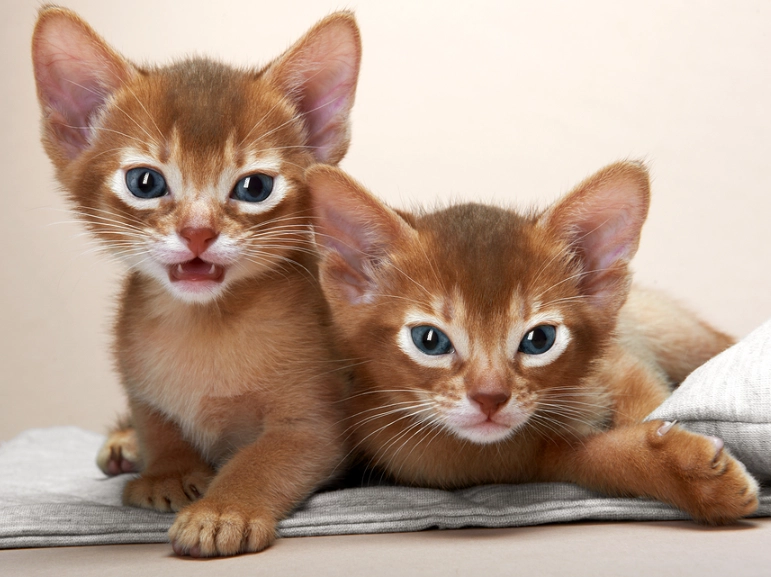
Red and Cream Abyssinians
These are sex-linked colors (on the X chromosome). A Red (or "Orange") Aby would have a red-based ground with darker red ticking. A Cream is its diluted form. You don't see these often in purebred Abys lines, as introducing the red gene typically comes from outcrossing, which is tightly controlled. The ticking pattern can sometimes appear less distinct with these colors, making the coat look more mottled than banded, which is a challenge for breeders.
The takeaway? The official show palette is limited, but the genetic potential for Abyssinian cat colors is wider. If you're not planning to show, a healthy, well-tempered cat in a "non-standard" color can be a wonderful pet. Just be sure the breeder is ethical and transparent about their breeding goals and registration status.
The Science Bit: What Creates These Abyssinian Cat Colors?
If you're a bit of a nerd like me, this is the fascinating part. The specific Abyssinian cat colors aren't random; they're the product of specific gene combinations. We're not going deep into a genetics textbook, but a basic understanding helps make sense of it all.
The ticked pattern itself is controlled by the Ticked (Ta) gene. All Abyssinians (and their cousin, the Somali) are homozygous for this gene (Ta/Ta).
The actual colors are determined by other genes:
- Black (B) vs. Chocolate (b) vs. Cinnamon (b1): This series determines the dark pigment (eumelanin). Ruddy/Blue cats have the Black (B) allele. Sorrel is actually the result of the Cinnamon (b1) allele—it's not a red cat, it's a cat with cinnamon-based black pigment. Chocolate (b) is rarer.
- Dilution (D/d): This is the "on/off" switch for intensity. The dominant (D) gives full color (Ruddy, Sorrel). Two copies of the recessive (d/d) "dilute" the color, turning black to blue, chocolate to lilac, and cinnamon to fawn.
- Silver Inhibitor (I/i): This dominant gene (I), when present, strips the warm base color to silver/white, creating the Silver varieties.
So, a Ruddy Aby is genetically B/B (or B/), D/D (or D/), i/i, Ta/Ta. A Blue Aby is the same, but with d/d on the dilution locus. It's a precise recipe.
Research published on resources like the National Center for Biotechnology Information (NCBI) delves into the molecular details of these coat color genes in all cats, providing the scientific backbone for what breeders observe. It's complex, but it explains why you can't just get a "green" Aby—the genes for that pigment don't exist in the feline palette.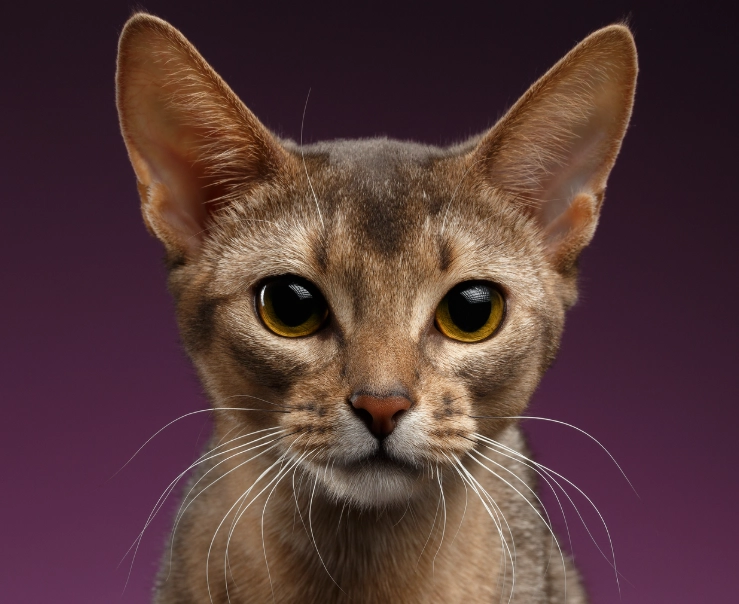
How Cat Registries View Abyssinian Cat Colors (A Handy Table)
This is where practicality hits. Depending on who you ask, the list of "official" Abyssinian cat colors changes. If you're buying a show prospect or a breeding cat, this table is crucial. If you're looking for a pet, it's more of a fun fact, but it still tells you about the breeder's focus.
| Color Name | CFA (USA) | TICA (International) | GCCF (UK) | FIFe (Europe) |
|---|---|---|---|---|
| Ruddy (Usual) | Yes - Championship | Yes - Championship | Yes - Championship (as "Usual") | Yes - Championship |
| Sorrel (Red/Cinnamon) | Yes - Championship | Yes - Championship (as "Cinnamon") | Yes - Championship | Yes - Championship (as "Sorrel") |
| Blue | Yes - Championship | Yes - Championship | Yes - Championship | Yes - Championship |
| Fawn | Yes - Championship | Yes - Championship | Yes - Championship | Yes - Championship |
| Chocolate | No | Yes - Championship* | Yes - Championship | Permitted |
| Lilac | No | Yes - Championship* | Yes - Championship | Permitted |
| Silver Variants | No | Yes - Miscellaneous/Advanced New Breeds | Yes - Championship | Permitted in some classes |
*TICA awards Championship status to these colors. The table shows it's not a global consensus. A breeder focusing on CFA shows will likely only work with the first four. A breeder involved with TICA or European shows might have a wider variety. Always ask, "Under which association is this cat registered, and what is its status for showing?"
What About the Kittens? Color Changes from Birth
Here's a fun fact that trips up many new enthusiasts: Abyssinian kittens are born dark. They don't have their beautiful, clear ticking yet. They often look like little dark smudges with vague tabby markings. The ticking develops gradually over the first several weeks and months of life. A Ruddy kitten might look almost blackish, a Blue kitten might look a dull dark gray. It takes patience and a good eye to accurately predict an adult Abyssinian cat coat color from a tiny kitten.
A reputable breeder will usually wait until a kitten is several weeks old before confidently stating its color. Don't be alarmed if your potential new family member looks nothing like the glossy adult photos at first. Good things come to those who wait—and in this case, the good thing is a spectacular, fully-ticked adult coat.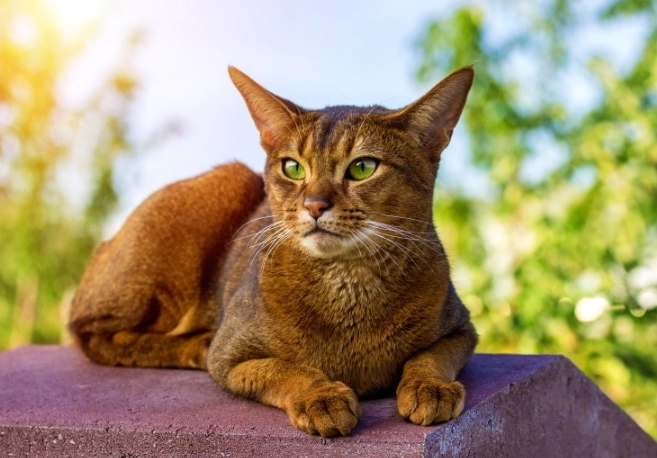
Your Questions, Answered: Abyssinian Cat Colors FAQ
Let's tackle some of the specific questions people type into Google about Abyssinian cat colors.
Does the color affect an Abyssinian cat's personality?
No, not at all. This is a persistent myth in the cat world ("tortitude," "ginger tomcat" energy). An Abyssinian's famously active, curious, and people-oriented personality is a breed trait, not a color-linked one. A Ruddy Aby and a Fawn Aby from the same litter will have the same playful, mischievous spirit. Choosing based on color is purely an aesthetic choice.
Are some Abyssinian cat colors more expensive or rare?
Generally, yes. Ruddy is the most common and often the most readily available, which can sometimes (but not always) mean a slightly lower price from breeders because the genetics are more straightforward. Colors like Fawn, and certainly the non-standard ones like Chocolate, Lilac, or Silvers, are rarer. Breeders working with these lines may have longer waiting lists and higher prices due to the scarcity of breeding stock and the specific genetic pairings required. However, a well-bred, healthy Ruddy from champion lines can be just as expensive as a rare color—health, temperament, and conformation always come first in responsible breeding.
How can I tell if my cat is a true Abyssinian color?
Look for the key points: Clear ticking (no obvious stripes or bullseyes on the sides), absence of white (except for a possible tiny white chin patch, which some standards allow), the correct eye color (gold, green, or hazel—no blue), and the specific point colors (paw pads, nose leather, tail tip). If your cat has solid patches, distinct stripes, or blue eyes, it's not a purebred Abyssinian showing a standard color. It might be a lovely mixed-breed cat with some Aby-like qualities, which is great too!
Do Abyssinian cat colors fade or change with age?
The ticking itself remains, but some darkening or "rusting" can occur, especially in the Ruddy and Sorrel colors. This means the warm ground color may develop a darker, reddish overtone in patches. Some judges consider excessive rusting a fault in the show ring. Sun exposure can also bleach the coat slightly. Overall, the fundamental Abyssinian cat colors stay the same throughout life after adulthood is reached.
Is there a link between color and health in Abyssinians?
There is no direct link between the specific coat colors we've discussed and major health issues. The primary health concerns for the breed (like Pyruvate Kinase Deficiency or Progressive Retinal Atrophy) are genetic disorders unrelated to the genes that code for coat color. A responsible breeder will test their breeding stock for these health issues regardless of the Abyssinian cat colors they produce. The UC Davis Veterinary Genetics Laboratory offers many of these tests, and ethical breeders use them.
Choosing a color is the fun part. But it should never be the only part.
Choosing Your Abyssinian Cat's Color: What Really Matters
After all this talk about the stunning spectrum of Abyssinian cat colors, I need to give the most important advice: Color should be one of the last factors you consider.
I've seen people get so fixated on finding a "rare Lilac Silver" that they overlook glaring red flags with a breeder—no health testing, kittens always available, vague answers. That's a recipe for heartache.
Here’s what matters more, in order:
- Health: Are the parents genetically tested for PKdef and PRA? Can the breeder show you the certificates? Do the kittens look robust, clean, and alert?
- Temperament: Does the breeder socialize the kittens? Can you meet the mother cat (the queen) to see her personality? Abys should be confident and curious, not skittish.
- Breeder Ethics: Do they ask you as many questions as you ask them? Are they a member of a breed club? Do they have a contract that includes a health guarantee and requires you to return the cat to them if you can't keep it?
- Your Connection: Sometimes, you just lock eyes with a particular kitten. Its personality clicks with yours. That matters far more than whether its ticking is ruddy or blue.
Once you've found a responsible, ethical breeder who prioritizes health and temperament, then you can discuss color preferences. A good breeder will work with you, but they may also guide you based on availability and which kitten's personality might suit your home. You might go in wanting a Fawn and fall in love with a playful Sorrel male who chose you.
The beauty of Abyssinian cat colors is that there are no bad choices. Every single one of them, from the classic Ruddy to the experimental Silver, showcases the breed's extraordinary ticked coat in a unique way. Your job is to find a healthy, happy cat that will bring you joy for years to come. The specific hue of that joy is just a wonderful bonus.
So, look at the pictures, admire the palettes, dream about the possibilities. But when you start your search, let health and heart lead the way. The perfect color will find you.