What’s Inside This Guide
- What Exactly Is a Sphinx Cat? Busting the Bald Myth
- The Sphinx Cat Personality: More Dog Than Cat?
- The Real Deal on Sphinx Cat Care: It's a Commitment
- Sphinx Cat Health: What to Watch For
- Sphinx Cat vs. The World: Are They Hypoallergenic?
- Your Sphinx Cat Questions, Answered
- The Bottom Line: Is a Sphinx Cat Right for You?
Let's be honest, the first time you see a Sphinx cat, it's a moment you don't forget. All those wrinkles, that sleek skin, those huge ears—it's like a little alien landed in your living room and decided to be adorable. I remember scrolling through pictures online, completely fascinated and a little confused. Is it warm? Does it feel weird? What on earth do you do with a cat that has no fur?
If you're here, you're probably past the initial shock and into the real research phase. Good. Because bringing home any pet is a big deal, but a Sphinx cat? It's a whole different ballgame. They're not just a "hairless cat"—that's selling them way short. They're a specific breed with a massive personality and a very, very specific set of needs. This guide isn't just a fluffy overview (pun intended). It's the deep dive I wish I had before I got my first Sphynx. We'll talk about the good, the bad, the oily, and the incredibly cuddly truth about living with these unique creatures.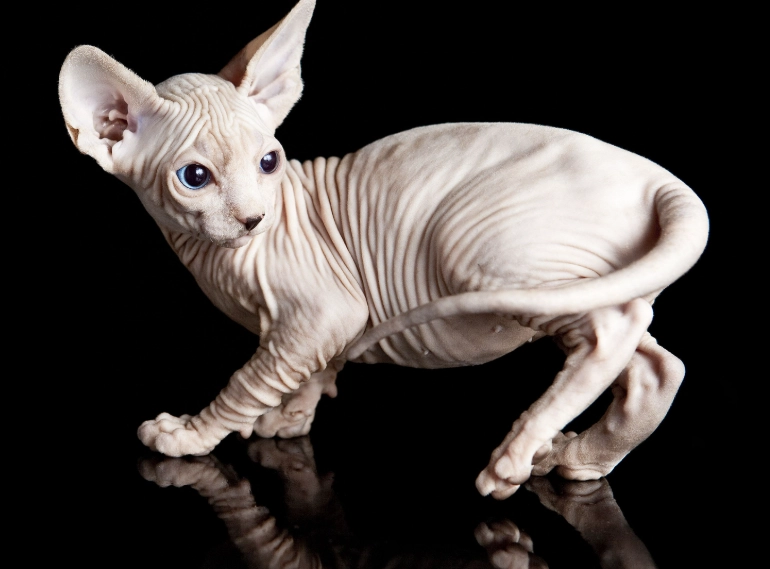
What Exactly Is a Sphinx Cat? Busting the Bald Myth
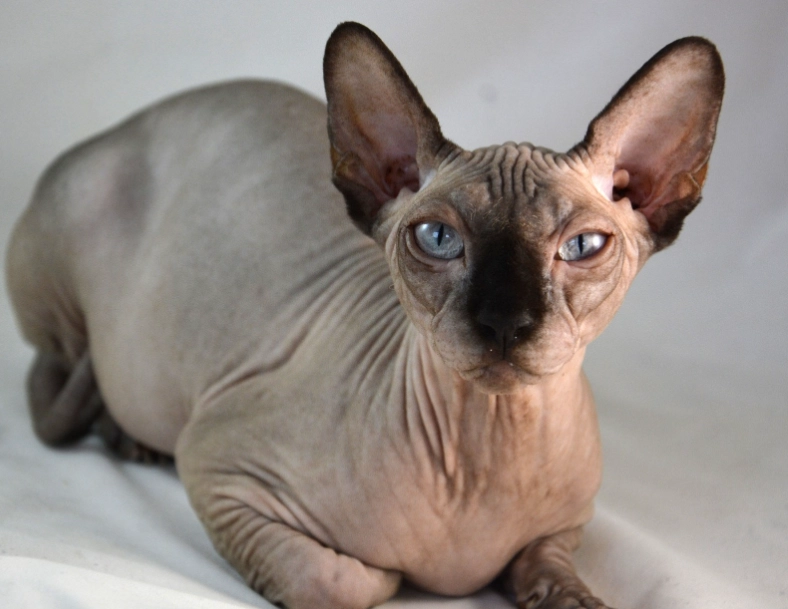
First things first, let's clear something up. The Sphynx (that's the official breed spelling, by the way) isn't actually completely hairless. Go on, feel one. You'll notice a fine layer of peach-fuzz-like down, almost like a suede hot water bottle. This lack of a proper coat is due to a natural genetic mutation. The breed as we know it started in Toronto, Canada, in the 1960s, and careful breeding programs have developed the healthy, outgoing cats we see today.
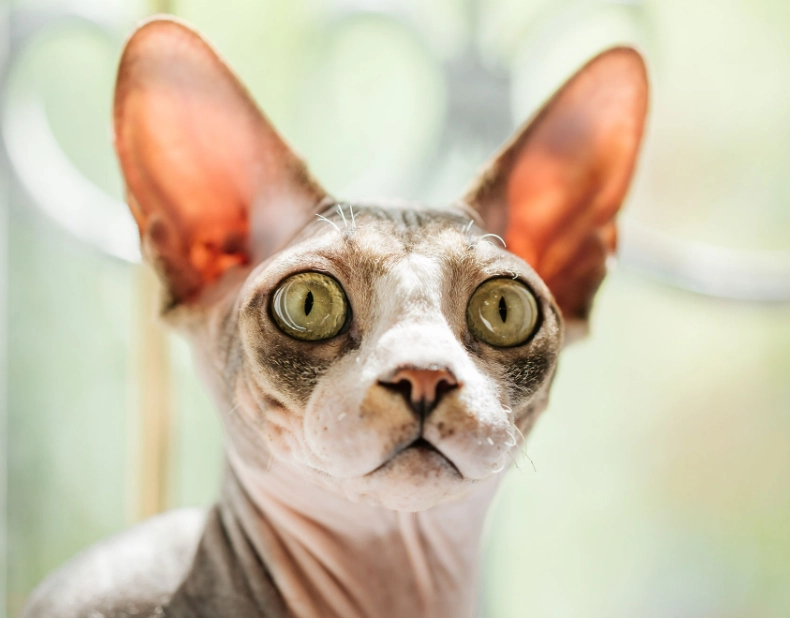
Major cat registries like The Cat Fanciers' Association (CFA) and The International Cat Association (TICA) have detailed breed standards. They describe the Sphynx as medium-sized, muscular, and surprisingly heavy for their size. But the head is what gets you—those prominent cheekbones, lemon-shaped eyes, and those enormous, bat-like ears. It's a look you either love or... well, you learn to love. I wasn't sure at first, but now I can't imagine my cat any other way.
The Sphinx Cat Personality: More Dog Than Cat?
Forget everything you think you know about aloof, independent cats. The Sphinx cat personality is the star of the show. If you want a pet that ignores you, look elsewhere. These cats are velcro. They need to be on you, under the covers with you, supervising your work on your keyboard. They are profoundly social, often following their people from room to room.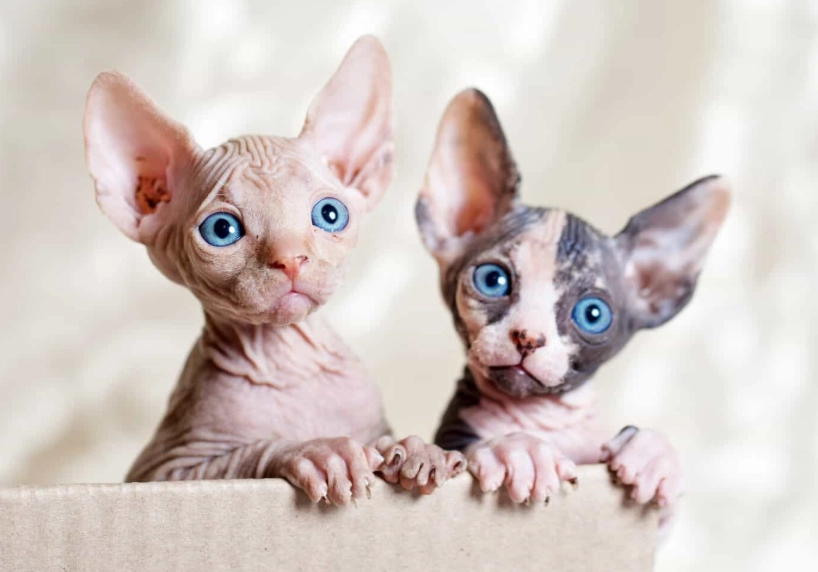
Here’s what really defines them:
- Extremely Affectionate & Clingy: They crave physical contact. A lap is their throne. This isn't occasional cuddling; it's a lifestyle.
- Energetic and Playful: They retain a kitten-like zest for life well into adulthood. Feather wands, puzzle toys, chasing balls—they need interactive play.
- Surprisingly Talkative: They might not meow constantly, but they have a repertoire of chirps, trills, and purrs (oh, the purring is loud!) to communicate.
- Intelligent and Curious: They get into everything. Cabinets, drawers, bags from the grocery store. Nothing is off-limits to their investigation.
This sounds amazing, right? It is. But it's also a huge responsibility. This level of neediness means a Sphynx can suffer from separation anxiety if left alone for long periods. They often do best in homes with another pet for company or with someone who works from home. I made the mistake of thinking my guy would be fine for a standard workday. The guilt from the camera footage of him yowling at the door was real. Now, a cat sitter comes for midday visits if I'm gone over 6 hours.
And a word of caution: that social, rambunctious nature might not mesh with very young children who don't understand gentle handling. Their skin can be delicate.
The Real Deal on Sphinx Cat Care: It's a Commitment
Okay, here's the part most blogs gloss over. They say "they need regular bathing" and move on. Let me be brutally honest: Sphinx cat care is a part-time job. Their lack of fur means their skin produces oils that would normally be absorbed by hair. Without fur, that oil builds up. It gets on your clothes, your sheets, your walls. It can cause blackheads (comedones) on their skin. So, yes, bathing is non-negotiable.
The Weekly Bath Ritual (You'll Get Good at This)
This isn't a quick rinse. You need a gentle, hypoallergenic pet shampoo (baby shampoo can be too drying). The water should be warm—test it on your wrist. They get cold easily. You have to gently scrub all those wrinkles (neck, armpits, between the toes) to prevent gunk buildup. Rinse thoroughly. Dry them COMPLETELY with a warm towel, or they'll catch a chill. The whole process takes about 20-30 minutes start to finish. My first attempt was a wet, slippery disaster. Now it's our weird bonding time.
Beyond the bath, their large ears need weekly cleaning with a vet-approved solution and a cotton ball to remove wax buildup. Their nails also need regular trimming because they don't have fur to sheath the claws, and the oil can accumulate around them.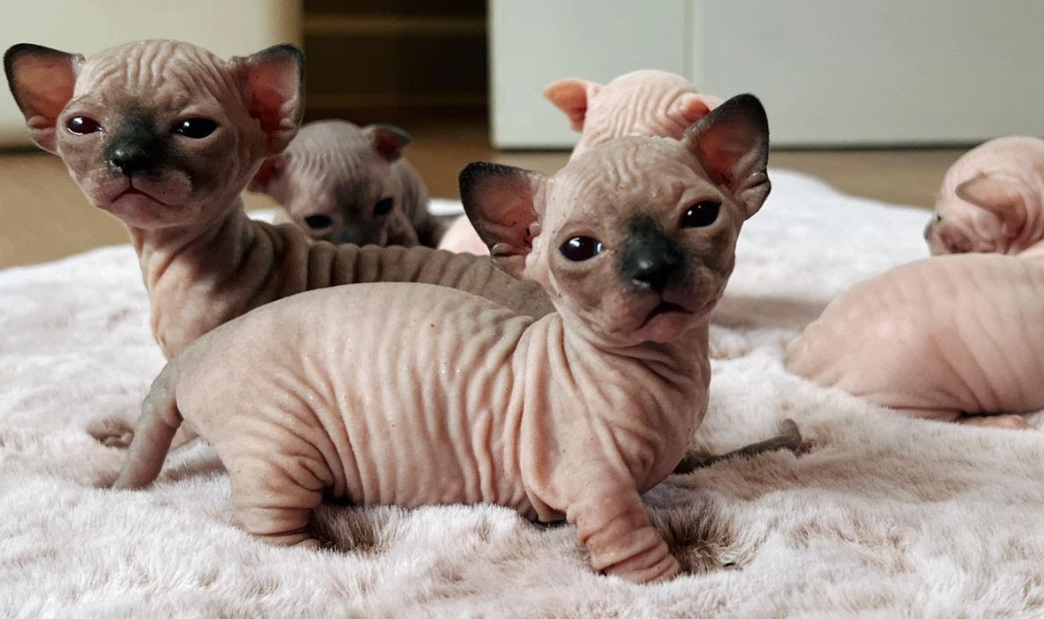
And then there's the temperature. A Sphinx cat gets cold. In colder climates, they need sweaters or heated beds. In summer, they can get sunburned. Yes, sunburn. You need pet-safe sunscreen if they go outside, but most breeders and vets recommend keeping them as indoor-only cats for their safety.
Sphinx Cat Health: What to Watch For
All purebred cats can be prone to certain genetic conditions, and the Sphynx is no exception. Responsible breeders screen for these issues. When you're looking for a Sphynx kitten, you must ask for health clearances.
Here are the main health concerns associated with the breed:
| Health Condition | Description | Prevention/Care |
|---|---|---|
| Hypertrophic Cardiomyopathy (HCM) | A form of heart disease where the heart muscle thickens. This is the most serious concern. | Ask breeders for proof of HCM screening (echocardiograms) of the parents. Your vet should listen for heart murmurs during annual check-ups. |
| Hereditary Myopathy | A rare muscular disorder that can cause weakness, especially in the neck. | Reputable breeders avoid breeding from affected lines. |
| Skin Conditions | Urticaria pigmentosa (skin lesions), excessive oil buildup leading to yeast infections or acne. | Consistent bathing regimen, monitoring skin for redness/bumps, vet-prescribed treatments if needed. |
| Periodontal Disease | They seem prone to dental issues, possibly due to their unique genetics. | Regular teeth brushing and annual dental check-ups with your veterinarian. |
Finding a veterinarian familiar with hairless breeds is a huge plus. They understand the skin and metabolic quirks. The Cornell Feline Health Center is an excellent resource for general cat health information that any Sphynx owner should bookmark.
Sphinx Cat vs. The World: Are They Hypoallergenic?
This is the million-dollar question, and I need to be the bearer of bad news: No cat is 100% hypoallergenic. Most cat allergies are triggered by a protein called Fel d 1, which is produced in saliva and skin glands. When cats groom, the saliva (and the allergen) dries on their fur and becomes airborne.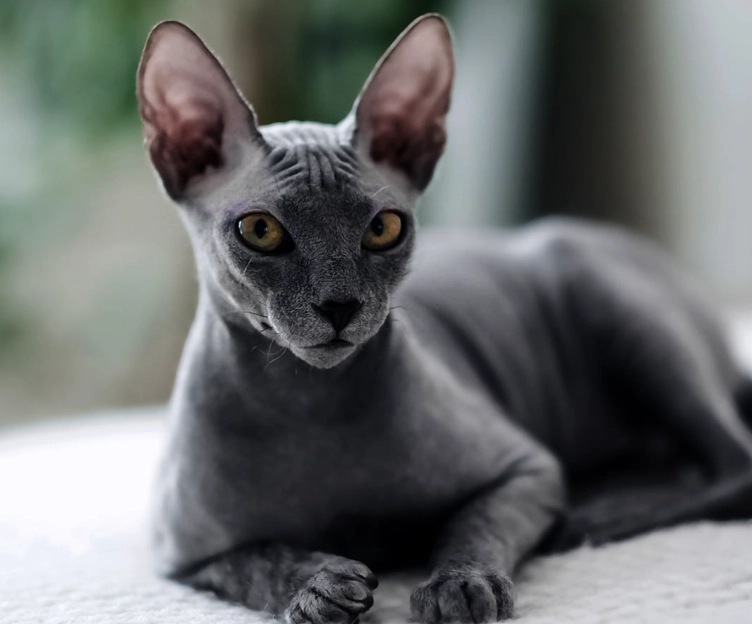
Since Sphynx cats have little to no fur, they don't shed allergen-laden hair all over your house. This can significantly reduce the amount of allergen in your environment. However, they still produce the allergen in their saliva and skin oils. When they lick themselves, that allergen is on their skin. When they rub against you, it's on you.
Many people with mild cat allergies find they can live comfortably with a Sphynx, especially with diligent cleaning (bathing the cat, wiping them down with pet-safe allergen wipes, using HEPA filters). But if your allergies are severe, spending time with a Sphynx before committing is an absolute must. Do not assume you'll be fine.
Your Sphinx Cat Questions, Answered
The Bottom Line: Is a Sphinx Cat Right for You?
Let's wrap this up with a brutally honest checklist.
You might be a great Sphynx home if:
- You want a shadow—a pet that is intensely bonded and involved in your daily life.
- You don't mind (or even enjoy) a rigorous grooming routine.
- You are home often or can make arrangements for company.
- You have the budget for higher initial and ongoing costs.
- You've done your breeder research and are committed to vet checks.
Think hard about that.
You should probably consider a different breed if:
- You want a low-maintenance, independent pet.
- The idea of weekly baths and ear cleaning sounds like a chore you'll dread.
- You travel frequently or are away from home for long workdays.
- You are on a tight budget (both upfront and for ongoing care).
- You have severe cat allergies and haven't tested your reaction to a Sphynx.
Living with a Sphinx cat is an experience. It's warm cuddles on cold nights, hilarious antics, and a constant companion. It's also oil stains on your favorite light-colored couch, scheduling your life around bath time, and explaining your "little alien" to every guest. For the right person, the trade-off is worth it a thousand times over. For others, it would be a stressful mismatch.
Do your homework. Meet some Sphynx cats in person if you can. Talk to reputable breeders who ask you as many questions as you ask them. The goal isn't to just get a Sphinx cat—it's to provide a forever home where both of you will thrive. And if you do take the plunge, welcome to the club. You're in for a wild, warm, and wonderfully weird ride.