In This Article
- Untangling the Family Tree: Origins and History
- Side-by-Side: The Visual Breakdown
- Personality Clash: From Chatty Cathy to Quiet Queen
- Care and Commitment: What You're Signing Up For
- Health Considerations: Knowing the Risks
- Making the Choice: Which Cat is Right for YOU?
- Clearing Up Common Questions (FAQs)
You're browsing cute cat photos online, or maybe you're at a friend's house, and you see this stunning, fluffy cat with piercing blue eyes. It looks a bit like a Siamese, but it's so much... fluffier. Your friend calls it a Himalayan. And that's when the question pops into your head: Is a Himalayan cat a Siamese cat? It's a fantastic question, and one that trips up a lot of cat lovers. The short, simple answer is no. A Himalayan is not a Siamese cat. But the longer, more interesting answer is a bit of a "yes, and..." situation. They're like cousins in the feline world—related, but with their own unique personalities and looks. Let's dig into the fur and find out exactly why.
Think of it this way. If cat breeds were cars, the Siamese would be a sleek, sporty coupe—loud, fast, and demanding attention. The Himalayan, on the other hand, would be a luxurious, plush sedan—quiet, elegant, and happy to be pampered. They might share some underlying engineering (or in this case, genetics), but the driving experience is worlds apart.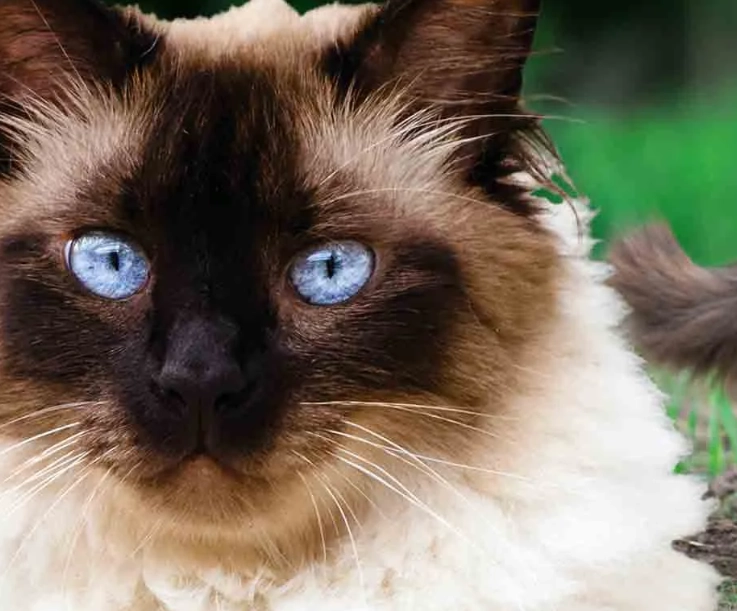
The Core Confusion: The mix-up happens because Himalayans are essentially a cross between two beloved breeds: the Siamese and the Persian. They got the color-point pattern (the dark ears, face, paws, and tail) from the Siamese side, and the long, luxurious coat and laid-back body type from the Persian side. So when you ask "Is a Himalayan cat a Siamese cat?", you're seeing a piece of the Siamese puzzle, but not the whole picture.
Untangling the Family Tree: Origins and History
To really understand the difference, we have to go back in time. The Siamese is one of the oldest and most recognizable cat breeds in the world, hailing from (you guessed it) Siam, which is now Thailand. They were revered in royal palaces and temples. Old manuscripts and art show cats that look just like modern Siamese. They came to the Western world in the late 1800s and caused a sensation with their striking looks and chatty personalities.
The Himalayan's story is much more recent, a product of deliberate breeding in the mid-20th century. Breeders in the US and UK had a goal: to create a cat with the beautiful colors of a Siamese but the long, plush coat of a Persian. It was a project of passion and patience. They weren't just mixing cats willy-nilly; they were selectively breeding over generations to stabilize the desired traits. The Cat Fanciers' Association (CFA) officially recognized the Himalayan as a separate breed in the late 1950s. Interestingly, some registries, like CFA, now classify the Himalayan as a color-point variety of the Persian, not a separate breed, which adds another layer to the confusion! However, most people and other registries still treat them as distinct.
So, asking "is a Himalayan cat a Siamese cat breed?" misses the mark historically. The Siamese is a foundational, natural breed. The Himalayan is a modern, man-made hybrid of two distinct lineages.
I remember the first time I met a true show-quality Siamese. It was at a cat show, and the cat was not shy. It yowled at me from its cage, a loud, raspy demand for attention. Its owner laughed and said, "She's telling you her life story." Later that day, I petted a Himalayan. It simply blinked its gorgeous blue eyes, let out a quiet purr, and settled deeper into its plush bed. The contrast was hilarious and unforgettable. It cemented for me that while they share blue eyes, they speak entirely different languages.
Side-by-Side: The Visual Breakdown
This is where the differences become crystal clear. Put a Siamese and a Himalayan next to each other, and you'd never mistake one for the other, except for the color points.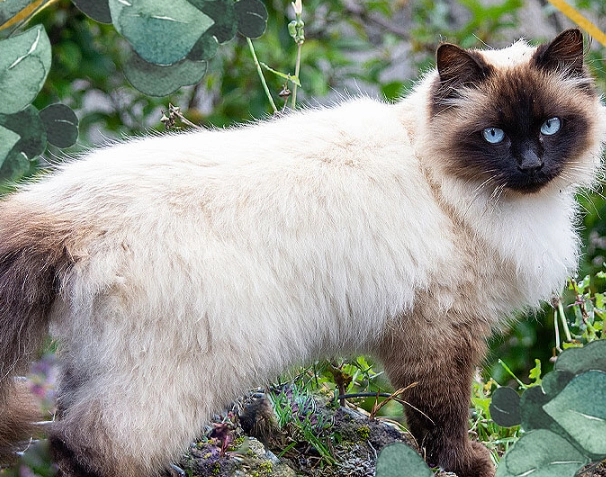
| Feature | Siamese Cat | Himalayan Cat |
|---|---|---|
| Body Type | Sleek, muscular, and tubular. Often described as "svelte" or "foreign." Long legs and a long, thin tail. It's the supermodel of the cat world. | Cobby, stocky, and low to the ground. It has a massive, round bone structure with short, thick legs. It's built for lounging, not leaping. |
| Head & Face Shape | Wedged-shaped head with large, pointed ears. A straight profile in modern Siamese ("wedge"), though the traditional "applehead" Siamese has a rounder face. | Extremely round head with a short, snub nose (brachycephalic). Small, round-tipped ears set wide apart. The face is essentially a Persian's face. |
| Coat | Short, fine, glossy, and lies close to the body. Minimal shedding compared to longhaired breeds. | Long, thick, and luxurious double coat. Requires daily grooming to prevent mats and tangles. Heavy shedder. |
| Color Points | Classic seal, chocolate, blue, and lilac points. The body color is a pale cream that contrasts sharply with the dark points. | Comes in the same point colors as Siamese (seal, blue, chocolate, lilac, plus flame, tortie, etc.), but the body is usually a more uniform pale color. The long hair can soften the contrast. |
| Eyes | Always a deep, vivid sapphire blue. Almond-shaped and slanted. | Always a deep, vivid sapphire blue. Large, round, and prominent. |
See? The body is the biggest giveaway. A Siamese is built like a dancer. A Himalayan is built like a fluffy potato. Both are beautiful, but in diametrically opposite ways.
So when someone sees a fluffy pointy-colored cat and wonders, "is that a Himalayan or a Siamese?", the coat length is the first and fastest clue. No long hair? Not a Himalayan.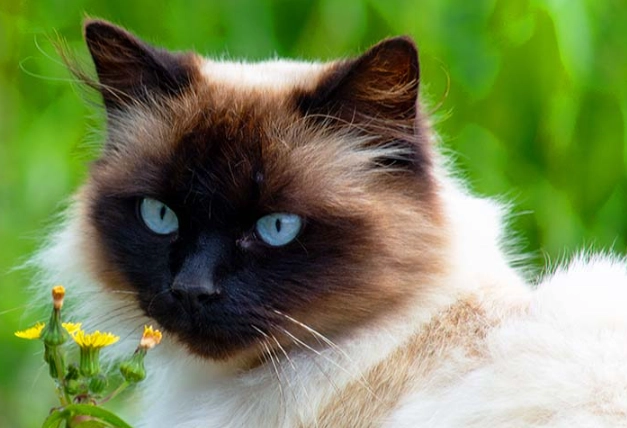
Personality Clash: From Chatty Cathy to Quiet Queen
If the looks don't convince you, the personalities will. This is where the "are they the same" question falls apart completely. Owning one is a fundamentally different experience from owning the other.
The Siamese: Your Extroverted Roommate
Siamese cats are famous for their voices. They don't just meow; they converse. They have opinions on everything—when you wake up, what you're eating, why you're not petting them right now. They are incredibly social, often bonding deeply with one person, and can suffer from separation anxiety. They are playful, acrobatic, and intelligent to the point of being mischievous. Think of them as the cat that learns to open doors and cabinets. They demand to be involved in every aspect of your life. A bored Siamese is a destructive Siamese. They need interaction, puzzle toys, and plenty of vertical space to climb.
Fun (and noisy) fact: The Siamese voice is unique. It's often described as a loud, low-pitched, raspy yowl. Some people love it, finding it endearing and conversational. Others... well, let's just say it's an acquired taste. If you need a quiet apartment, think twice.
The Himalayan: Your Regal Couch Companion
Himalayans inherited the Persian's sublime temperament. They are the epitome of a lap cat. Sweet, gentle, and serene. They are quiet, often communicating with soft chirps and expressive eyes rather than loud meows. They enjoy play, but it's usually a gentle bat at a feather wand rather than a frantic race over the furniture. They are affectionate but not clingy, content to sit beside you or on your lap for hours. They are less likely to be "in your face" demanding attention like a Siamese. Their energy level is moderate to low. They are perfect for a calm, relaxed home.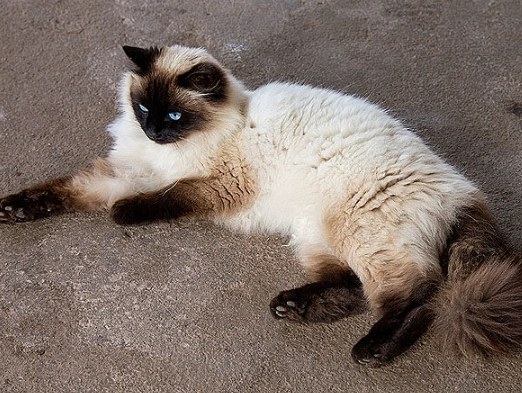
I have a friend with a Himalayan named Mochi. Mochi's favorite activity is to be carried around the house like a baby while my friend does chores. She just goes limp and purrs. My other friend's Siamese, Loki, would never tolerate such passive activity. Loki must be *leading* the chores, preferably by attacking the broom.
This personality difference is the ultimate answer to "Is a Himalayan cat a Siamese cat?" in terms of lived experience. No, they are not. Living with them feels completely different.
Care and Commitment: What You're Signing Up For
This isn't just about preference; it's about practical daily life. The care requirements between these two breeds highlight their differences starkly.
Warning: High Maintenance Fluff Ahead: The Himalayan's gorgeous coat is a daily commitment. We're talking thorough brushing every single day to prevent painful, skin-pulling mats. During shedding seasons, it's even more work. Many owners opt for a professional "lion cut" in the summer for their cat's comfort. You'll also need to regularly wipe their face to clean tear stains caused by their flat facial structure.
The Siamese is much lower maintenance in the grooming department. A quick weekly brush to remove dead hair is usually sufficient. Their short coat doesn't mat. However, they are higher maintenance in the *energy and stimulation* department. You need to be their entertainment committee. Puzzle feeders, interactive toys, cat trees that reach the ceiling, and dedicated playtime are non-negotiable.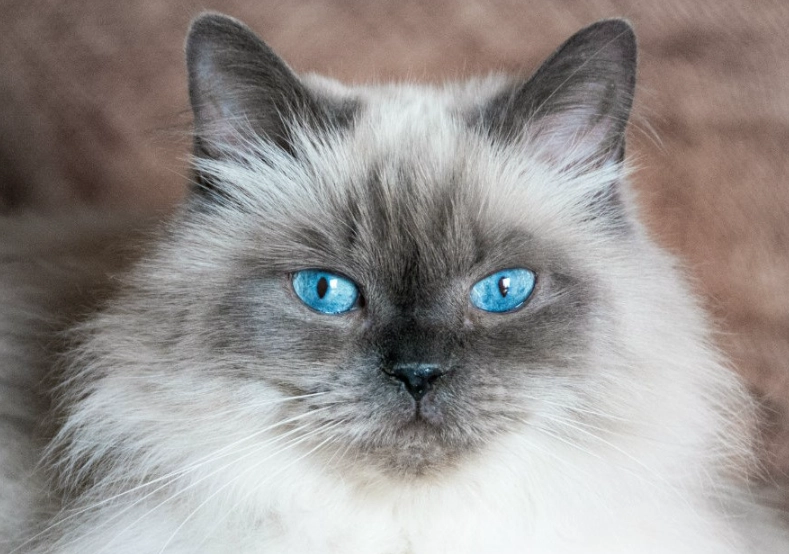
Here’s a quick care checklist for each:
For a Himalayan, prioritize:
- Daily grooming: A stainless-steel comb and a slicker brush are your best friends.
- Eye cleaning: Gentle wiping with a damp cloth to prevent stain buildup.
- Indoor-only life: Their docile nature and poor eyesight (due to the flat face) make them vulnerable outdoors.
- Calm environment: They thrive in peaceful homes without a lot of chaos.
For a Siamese, prioritize:
- Mental stimulation: Food puzzles, treat-dispensing toys, clicker training.
- Physical exercise: Da Bird, laser pointers (with a treat reward at the end!), and tall, sturdy cat trees.
- Companionship: Consider getting two if you're out all day. They hate being alone.
- Vocal acceptance: You must be okay with a lot of talking. You can't train it out of them.
Health Considerations: Knowing the Risks
Both breeds, like many purebreds, are prone to certain genetic health conditions. Responsible breeders screen for these, so always ask for health clearances.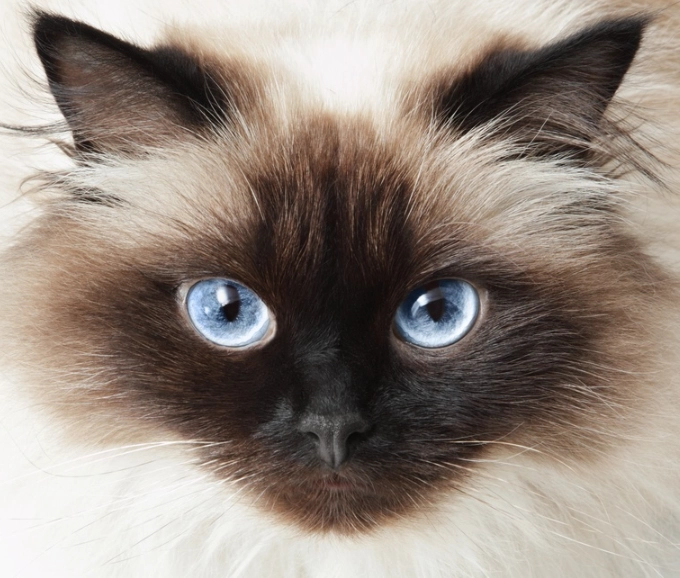
Himalayan Health Watch: Their biggest issues stem from their Persian heritage, particularly their flat (brachycephalic) faces.
- Brachycephalic Airway Syndrome: Can cause noisy breathing, snoring, and difficulty in hot weather or during exertion.
- Polycystic Kidney Disease (PKD): A genetic disorder where cysts develop in the kidneys. A responsible breeder will have tested the parent cats as PKD-negative. You can learn more about this condition from reputable sources like the VCA Animal Hospitals website.
- Dental Issues: Their short jaws can lead to crowded teeth, requiring more diligent dental care.
- Eye Conditions: Prone to tearing, cherry eye, and entropion (where the eyelid rolls inward).
Siamese Health Watch: Their issues are different, often related to their specific genetics.
- Progressive Retinal Atrophy (PRA): A group of diseases that cause the retina to degenerate, leading to blindness. Genetic testing is available.
- Amyloidosis: A disease where abnormal protein deposits damage organs, particularly the liver.
- Congenital Heart Defects: Such as aortic stenosis.
- Asthma/Bronchial Disease: Siamese seem to be overrepresented in cases of feline asthma.
- Crossed Eyes & Kinked Tails: Once common in older lines, these are now considered faults but are generally harmless.
Knowing these risks is part of being a responsible owner. It's not meant to scare you, but to prepare you. A good resource for general breed health information is the ASPCA's guide to common cat diseases.
Making the Choice: Which Cat is Right for YOU?
So, you've got the facts. Now, how do you decide? Ask yourself these questions:
Choose a Himalayan if you:
- Want a quiet, low-energy companion.
- Don't mind (and even enjoy) daily grooming sessions.
- Live in a calm, adult-oriented household.
- Are looking for a supremely affectionate lap cat.
- Value stunning, plush beauty and a serene presence.
Choose a Siamese if you:
- Want an interactive, talkative, and engaging pet.
- Have time for daily play and mental stimulation.
- Enjoy a cat with a big personality and a sense of humor.
- Prefer low-maintenance grooming.
- Want a cat that feels more like a canine-like companion in its loyalty and interaction.
Let's be honest, the grooming alone is a dealbreaker for many with the Himalayan. That coat is no joke. And the Siamese voice can be a dealbreaker for others. There's no right or wrong, only what's right for your lifestyle.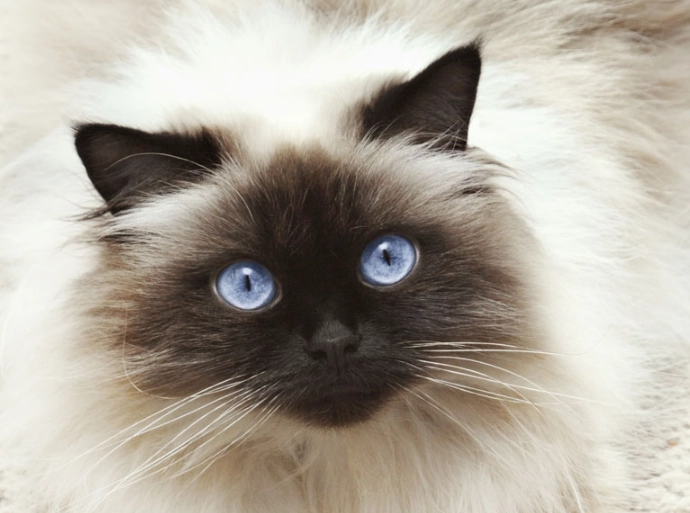
Clearing Up Common Questions (FAQs)
The bottom line is this: Is a Himalayan cat a Siamese cat? Genetically, they share an important piece. In reality, as pets, they are as different as night and day. One is a vocal, slender acrobat. The other is a silent, fluffy aristocrat. Understanding these differences is the key to choosing the perfect blue-eyed companion for your home and ensuring you both live happily ever after.
So, the next time you see that stunning, pointy-colored cat, you'll know exactly what you're looking at. And more importantly, you'll know which one is whispering (or yowling) your name.