Quick Guide
- The Story Behind Those Panther Eyes: A Made-in-America Breed
- Spotting a True Bombay: The Look That Defines the Breed
- Living with a Shadow That Purrs: The Bombay Personality
- Health and Lifespan: What to Watch For
- The Day-to-Day: Grooming, Feeding, and Care
- The Cost of a Bombay Cat: Initial and Ongoing
- Finding Your Bombay: Breeder vs. Rescue
- Bombay Cat FAQs: Answering Your Burning Questions
- Final Thoughts: Is a Bombay Cat Right for You?
I remember the first time I saw a Bombay cat. It wasn't in a fancy cat show or a breeder's website. It was at a friend's apartment, this sleek, panther-like creature weaving between our legs, purring like a tiny motorcycle. It demanded attention, not in an annoying way, but with this quiet, confident charm. "That's a Bombay," my friend said, as if that explained everything. It kind of did. That jet-black coat, those copper penny eyes that seem to see right through you, and a personality that's equal parts shadow and spotlight. It got me thinking – what's it really like to live with one of these so-called "miniature black panthers"? If you're here, you're probably wondering the same thing. You've seen the pictures, read the basic descriptions ("friendly," "black," "short-haired"), but you're digging for the real story. The stuff that matters when you're sharing your home, your couch, and your heart with a living creature for the next 15+ years.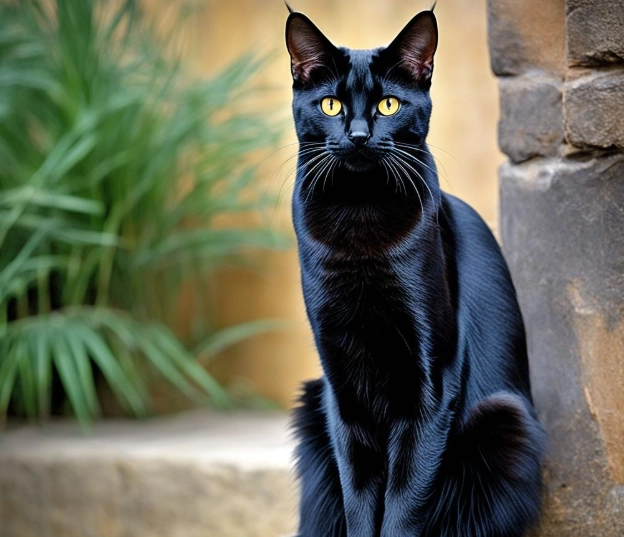
Let's get one thing straight right away. A Bombay cat isn't just a black cat. That's like calling a sports car just a car. It's a specific, man-made breed with a distinct history, a very particular look, and a personality blueprint that's surprisingly consistent. And that personality? It's a big deal. It's what makes people absolutely adore them or, in some rare cases, find them a bit... much. We'll get to that.
The Story Behind Those Panther Eyes: A Made-in-America Breed
Unlike ancient breeds like the Siamese, the Bombay is a modern creation. It didn't just happen; it was intentionally designed. Back in the 1950s, a breeder named Nikki Horner in Louisville, Kentucky, had a vision. She wanted to create a cat that looked like a miniature Indian black leopard – sleek, muscular, and impossibly shiny. No stripes, no spots, just solid, patent-leather black from nose to tail tip.
To get there, she crossed a sable Burmese (known for its solid color and compact, muscular body) with a black American Shorthair (which contributed the deep, shiny black coat). It took careful, selective breeding over generations to consistently produce the look she was after. The breed was officially recognized by the Cat Fanciers' Association (CFA) in 1976. You can read the official, very detailed breed standard on the CFA's Bombay cat page to see exactly what judges look for. It's not just "a black cat"; it's about head shape, eye color and placement, body type, and that specific coat texture.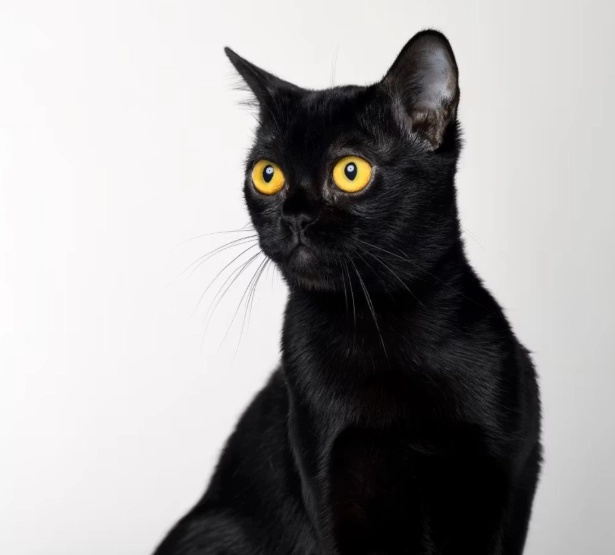
There's sometimes confusion about "British Bombays" versus "American Bombays." Here's the deal: The original and most common type is the American Bombay, derived from the Burmese/American Shorthair mix. Sometimes, you might hear the term "British Bombay," which can refer to a similar-looking cat bred from different lines in the UK, but for all intents and purposes, when people talk about Bombay cats, they mean the American type. It's a single, distinct breed.
Spotting a True Bombay: The Look That Defines the Breed
You can't mistake a well-bred Bombay. It's all about that cohesive, polished appearance.
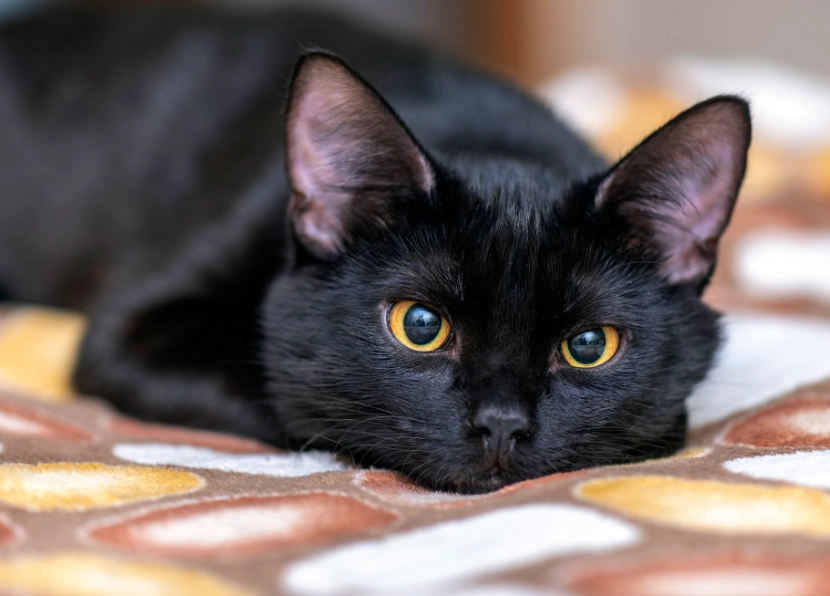
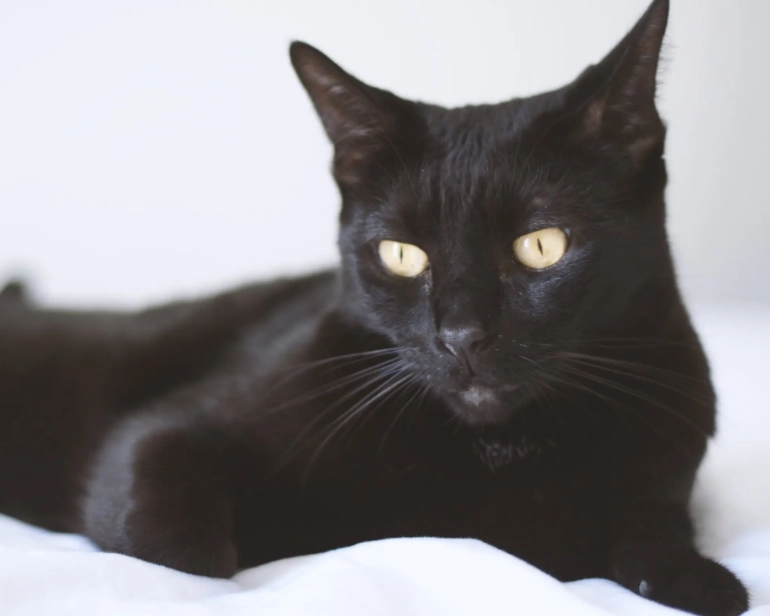
- The Coat: This is the star of the show. It's short, fine, and lies incredibly close to the body. The texture is often described as "patent leather" or "satin" – it has a unique, high-gloss shine that catches the light. The color is solid black all the way down to the skin. No white lockets, no ghost tabby markings. Just black. As kittens, their coat might seem a bit duller, but that shine develops as they mature.
- The Eyes: The other half of the signature look. They are large, round, and set wide apart. The color ranges from gold to a deep, mesmerizing copper. The ideal is a brilliant, burnished copper. Kittens are born with blue eyes that change color as they grow. Those eyes are incredibly expressive.
- The Body: Don't let the sleekness fool you; these are surprisingly heavy, muscular cats for their size. They have a medium build that feels solid and substantial when you pick them up. It's a compact, well-balanced body, not long and lanky.
- Paws & Nose: Even their paw pads and nose leather are black. It's part of the all-black aesthetic.
Now, a word of caution. Because they are a striking black cat, some less-reputable sellers might label any friendly black domestic shorthair as a "Bombay" or "Bombay mix" to charge more. If you're paying purebred prices, you should see the distinct features described above. A random black cat from a shelter is wonderful, but it's not a Bombay unless it has the pedigree papers to prove its specific lineage. That's an important distinction for your expectations (and your wallet).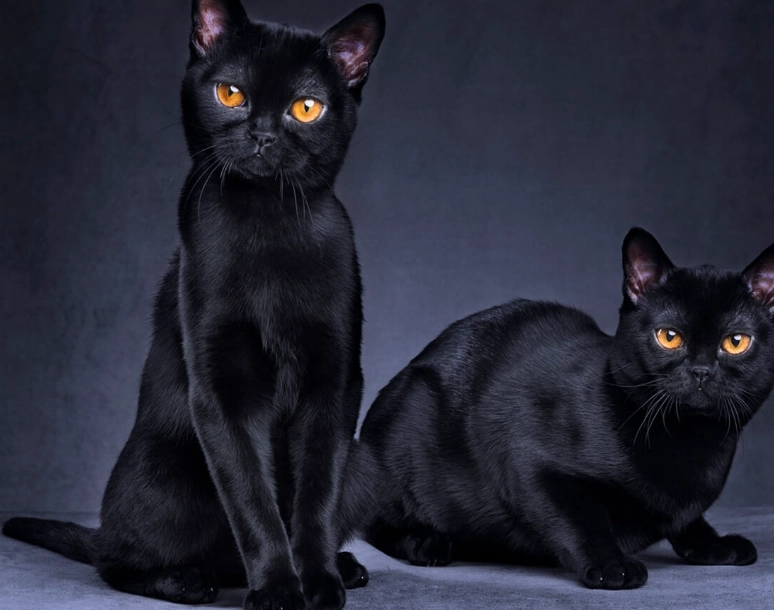
Living with a Shadow That Purrs: The Bombay Personality
This is where the breed truly shines, and also where you need to do some serious soul-searching. Descriptions like "dog-like" get thrown around a lot with certain cat breeds, but with the Bombay, it often fits.
The Amazing Stuff (The Pros)
- Extremely Affectionate & People-Oriented: This isn't an aloof cat. Bombays often form a very strong, devoted bond with their person or family. They want to be where you are – on your lap, on your keyboard, supervising you in the kitchen. If you want an independent cat that does its own thing, look elsewhere.
- Highly Social and Playful: They retain their kitten-like playfulness well into adulthood. They love interactive toys, fetch (many will happily retrieve), and puzzle feeders. They get bored easily and need mental stimulation.
- Generally Great with Kids and Other Pets: Their easy-going, confident nature usually makes them excellent companions in busy households. They tend to get along well with cat-friendly dogs and other cats, especially if introduced properly. Their social nature means they often hate being left alone for long periods.
- Chatty, but Not Loud: They have a soft, pleasant voice and will often "talk" to you in little chirps and meows. It's a conversation, not a demand (usually).
The Challenging Stuff (The Cons)
- Prone to Separation Anxiety: This is the big one. That deep attachment can swing the other way. A Bombay left alone in a quiet apartment for 10 hours a day can become stressed, destructive, or depressed. They are ideal for people who work from home, are retirees, or have another pet for company.
- Can Be Clingy/Velcro Cats: That constant desire to be with you can be too much for some people. If you need a lot of personal space or get annoyed by a cat constantly underfoot, this might not be your breed.
- Demand for Attention: They don't just want to be near you; they often want to be interacting with you. Be prepared to play, pet, and engage.
- Intelligent & Mischievous: A bored Bombay is a creative Bombay. They will figure out how to open cabinets, turn on faucets, or find the one thing you don't want them to play with. You need to outsmart them with enrichment.
I spoke to an owner, Sarah, who told me, "My Bombay, Onyx, follows me from room to room. If I close the bathroom door, he sticks his paws under it and cries. It's endearing 90% of the time, but sometimes you just want to pee in peace, you know?" That's the reality. It's a breed that gives a huge amount of love but also requires a significant investment of time and attention.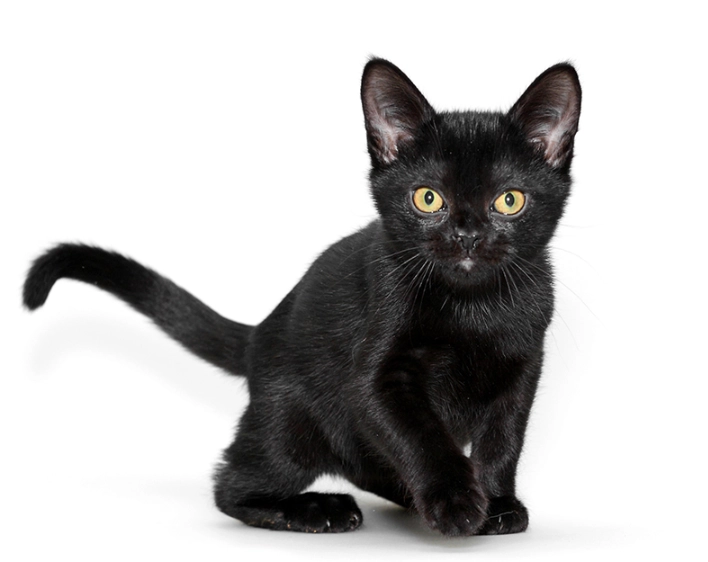
Health and Lifespan: What to Watch For
Generally, Bombay cats are considered a robust and healthy breed with a typical lifespan of 12 to 16 years, sometimes longer with excellent care. However, because they are derived from a limited gene pool (like all purebreds), they can be predisposed to certain genetic conditions inherited from their ancestor breeds, primarily the Burmese.
Being an informed owner means knowing what to ask your breeder about and what to watch for as your cat ages.
| Health Concern | Description | What You Can Do |
|---|---|---|
| Hypertrophic Cardiomyopathy (HCM) | A form of heart disease where the heart muscle thickens. This is the most common heart disease in cats and can be inherited in some bloodlines. | Ask the breeder if their breeding cats are screened annually for HCM via echocardiogram. Reputable breeders will do this and provide proof. Be aware of symptoms like lethargy, rapid breathing, or open-mouth breathing. |
| Craniofacial Defect | A severe, often fatal skull deformity that can occur in kittens when two cats with the Burmese head gene are bred together. Responsible breeders avoid this by not breeding two "extreme" or "contemporary" Burmese-type cats together. | This is 100% a breeder responsibility. A good breeder understands genetics and breeds to avoid this. It should not be a concern if you go to a knowledgeable, ethical breeder. |
| Excessive Tearing (Epiphora) | Their relatively short noses and prominent eyes can sometimes lead to tear ducts that don't drain properly, causing dark tear stains. | Regular, gentle wiping of the corner of the eyes with a soft, damp cloth can manage this. It's a cosmetic issue, not usually a health one. |
| Obesity | They love food and can be prone to weight gain, especially if they are indoor-only and under-stimulated. | Measure their food, avoid free-feeding, and ensure plenty of play. A lean Bombay is a healthy Bombay. Your vet can help you determine their ideal weight. |
| Gingivitis/Periodontal Disease | Like many cats, they can be prone to dental issues. | Start dental care early – brushing teeth, dental treats, or water additives. Regular vet check-ups should include a look at their teeth and gums. |
The Day-to-Day: Grooming, Feeding, and Care
Good news here! One of the perks of the Bombay is their relatively low-maintenance coat.
Grooming
That short, sleek coat doesn't mat. A quick weekly brush with a rubber grooming mitt or a fine-bristled brush is usually all it takes to remove loose hair and distribute skin oils, which actually enhances that famous shine. They do shed, but because the hairs are short and fine, it's often less noticeable than the shedding from a long-haired cat – except on your dark clothes, of course. During seasonal changes, you might need to brush a bit more often.
Bathing is rarely needed unless they get into something messy. Their coat tends to stay clean. Keep up with regular nail trims and ear checks, as you would with any cat.
Feeding
Feed a high-quality, protein-rich cat food appropriate for their age (kitten, adult, senior). Because of their propensity for weight gain, portion control is key. I'm a fan of using puzzle feeders or food-dispensing toys for at least one meal a day. It turns dinner into a brain game and slows down fast eaters. Always ensure fresh water is available. A cat water fountain can encourage drinking, which is great for urinary tract health.
Environment & Enrichment
This is non-negotiable for a happy Bombay. They are indoor cats (their black coat makes them more vulnerable to sunburn, and letting cats roam outdoors is generally unsafe). Your home needs to be their jungle gym.
- Vertical Space: Cat trees, wall shelves, perches by windows. They love to climb and survey their kingdom.
- Interactive Play: Dedicate at least 15-20 minutes, twice a day, to active play with wand toys, laser pointers (always end with a physical toy they can "catch"), or balls.
- Companionship: If you work long hours, seriously consider getting two Bombay cats or a Bombay and another social cat. They keep each other company.
- Training: Their intelligence means they can learn tricks! Clicker training to sit, high-five, or come when called is fantastic mental stimulation and strengthens your bond.
The Cost of a Bombay Cat: Initial and Ongoing
Let's talk numbers, because it's a significant investment.
Initial Setup Costs (One-Time): Cat tree ($100-$300), carrier ($50-$100), litter box & litter ($80), food & water bowls ($30), scratching posts ($50), initial toys/bed ($100), spay/neuter if not included ($200-$500).
Annual Ongoing Costs: High-quality food ($300-$600), cat litter ($200-$300), routine vet check-ups & vaccines ($200-$400), pet insurance ($300-$600/year) OR a dedicated savings fund for emergencies, toys & treats ($100). Pet insurance is something I personally recommend. A single emergency visit for a urinary blockage or foreign body surgery can cost thousands. Insurance gives peace of mind.
Finding Your Bombay: Breeder vs. Rescue
This is a crucial decision.
Going Through a Breeder: This is the most common route to get a purebred kitten. Do your homework. A good breeder:
- Raises kittens in the home (not in cages).
- Is registered with a major association like CFA or TICA.
- Prioritizes health testing (HCM screens!) and temperament.
- Asks you as many questions as you ask them.
- Provides a written health guarantee and contract, often requiring you to spay/neuter and not declaw.
- Allows you to visit and meet the kitten's parents (or at least the mother).
- Will be a resource for you for the cat's entire life.
Check the CFA Breeder Referral list or the TICA Breeder Search as starting points.
Rescue/Adoption: Purebred Bombay cats do occasionally end up in rescue. Breed-specific rescues exist, and sometimes all-black cats in shelters are mislabeled as Bombays or may be mixes. The personality might be similar. The advantages are lower cost and giving a home to a cat in need. The challenge is that adult cats may come with unknown histories or behavioral quirks. Search for "black cat rescue" or "purebred cat rescue" in your area.
Bombay Cat FAQs: Answering Your Burning Questions
Let's tackle some of the specific things people search for.
No cat breed is truly hypoallergenic. Allergies are usually triggered by a protein (Fel d 1) in cat saliva and skin oils, not just the hair itself. When cats groom, the allergen gets on their fur and then into the environment. Because Bombay cats have short hair and groom themselves like any cat, they are not considered hypoallergenic. Some individuals with mild allergies might tolerate them slightly better than a heavy-shedding longhair, but there's no guarantee. Always spend time with a Bombay cat before committing if you have allergies.
They shed a moderate amount. The hairs are short and fine, so it's often less obvious than the tumbleweeds from a long-haired cat, but you will find black hairs on your clothes, furniture, and floors. Regular brushing helps manage it significantly.
Excellent, with a big caveat. Their moderate energy level and indoor-only nature make them well-suited for apartment living. The caveat is that they need sufficient space for play and enrichment, and they should not be left alone in that apartment for very long hours. A studio apartment with a bored, lonely Bombay could lead to trouble.
Generally very good, thanks to their confident and social nature. The key, as with any introduction, is to do it slowly and carefully, ensuring the dog is cat-friendly and calm. The Bombay's playful nature can even make them a fun companion for a gentle dog.
It's in their nature! They use their soft voice to communicate with you. They might chirp when they see a bird, meow to greet you, or make little noises to get your attention. It's usually not loud or yowling (like a Siamese can be), but more conversational. If the vocalization suddenly increases or changes, it's worth a vet check to rule out pain or discomfort.
All standard cat toxins apply. One thing to be hyper-aware of is lilies. All parts of the lily plant are extremely toxic to cats, causing acute kidney failure. Bombay cats, with their curiosity and tendency to investigate everything, might be at risk if you have bouquets in the house. The ASPCA Animal Poison Control Center has a full list of toxic plants and substances. Keep lilies, certain essential oils, and human medications far out of reach.
Final Thoughts: Is a Bombay Cat Right for You?
After all this, how do you decide? Let's make it simple.
You would likely thrive with a Bombay cat if: You want a deeply affectionate, shadow-like companion. You are home a good amount of the time or can provide a feline friend. You enjoy interactive play and don't mind a chatty buddy. You're prepared for the financial commitment and the responsibility of finding an ethical source. You love the stunning aesthetic of a panther in your living room.
You should probably consider a different breed if: You travel frequently or are gone for 8+ hours a day regularly. You prefer a more independent, low-maintenance cat. You have severe cat allergies (always test first!). You are on a very tight budget (initial cost + potential health issues). You are annoyed by constant companionship and demand for interaction.
Bombay cats are incredible, heart-stealing creatures. They're not for everyone, but for the right person or family, they are an unmatched source of love, entertainment, and sleek, black beauty. They're more than just a pretty face; they're a full-time, purring personality that will weave its way into every part of your life. Do your homework, choose your source wisely, and if it's a match, get ready for one of the most rewarding relationships you can have with a cat.
Just maybe invest in a good lint roller for all those black clothes.