What's Inside
- More Than Just a Hairless Cat: Origin and Breed Basics
- The Sphynx Cat Personality: Clown, Cuddler, CEO of Your House
- The Real Deal on Sphynx Cat Care: It's a Routine
- Feeding Your Sphynx: The High-Metabolism Engine
- Sphynx Cat Health Issues: What to Watch For
- Sphynx Cats vs. The World: Common Questions Answered
- Final Thoughts: Is a Sphynx Cat Right for You?
Let's be honest, the first time you see a Sphynx cat, it's a bit of a shock. No fur? Wrinkly skin? Those enormous ears? It looks like something from a sci-fi movie. I remember visiting a breeder years ago, expecting to be weirded out. But then one of those warm, peach-fuzz bodies curled up in my lap and started purring like a tiny motorboat, and I was completely sold. There's nothing quite like them.
This isn't just another cat breed. Owning a Sphynx is a commitment to a unique, high-maintenance, and incredibly affectionate creature. If you're just Googling "sphynx sphynx cats" out of curiosity, or seriously considering bringing one home, you've got questions. Are they really hypoallergenic? (Spoiler: nope.) How do you care for skin instead of fur? What's their personality actually like beyond the Instagram photos?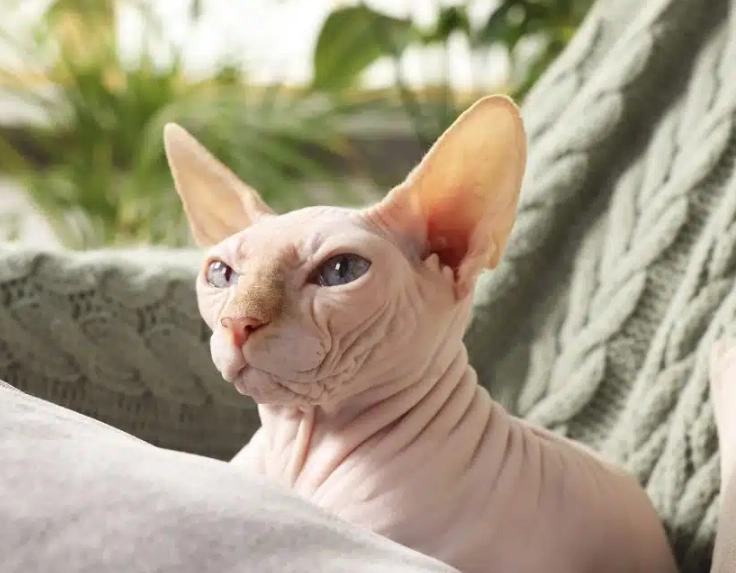
This guide is here to strip away the myths (pun intended) and give you the real, unvarnished scoop. We're talking care routines, health watch-outs, that unforgettable personality, and whether your lifestyle can handle one of these demanding, delightful naked cats.
More Than Just a Hairless Cat: Origin and Breed Basics
First thing's first: they aren't actually completely hairless. Most have a fine layer of fuzz, like a warm peach or a soft suede jacket. The breed started in the 1960s in Canada with a natural genetic mutation. Breeders worked carefully (and ethically, one hopes) to develop the healthy, robust Sphynx we know today, recognized by major cat registries like The Cat Fanciers' Association (CFA) and The International Cat Association (TICA).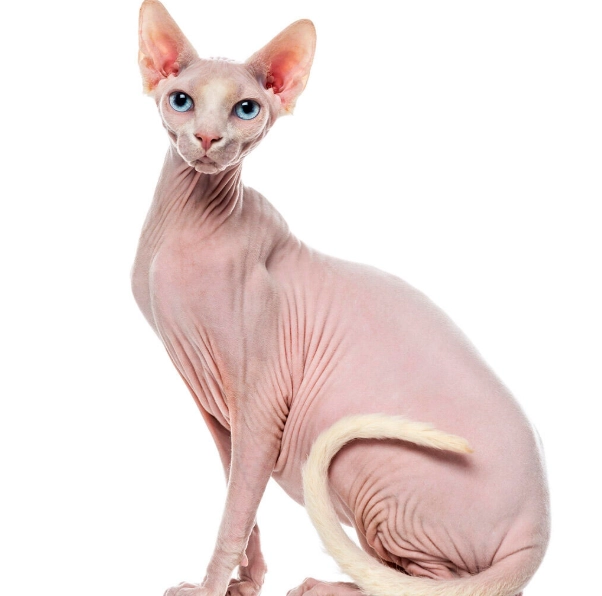
It's a common misconception that they're fragile because they lack a coat. Not true.
The standard calls for a medium-sized, muscular cat with a surprising heft. They feel solid. Their lack of fur highlights their body structure—you can see the sleek musculature, the rounded abdomen (often called a "pot belly," which is normal), and those prominent cheekbones. And the skin! It comes in every color and pattern a furry cat would: solid, tabby, tortoiseshell, pointed. You just see it directly on the skin, which can be a wild array of patterns.
Quick Breed Snapshot
- Weight: 6-12 pounds, with males typically larger.
- Lifespan: 8-14 years on average, with proper care.
- Energy Level: High. These are not couch potatoes (well, they are, but only after a marathon play session).
- Defining Feature: The apparent lack of a fur coat, warm wrinkled skin, large lemon-shaped eyes, and enormous bat-like ears.
The Sphynx Cat Personality: Clown, Cuddler, CEO of Your House
If you want an aloof, independent cat that ignores you, look elsewhere. The Sphynx cat personality is their biggest selling point, and it's 100% real. They are famously dog-like in their devotion. They greet you at the door, follow you from room to room, and desperately want to be involved in everything you're doing—cooking, working, reading, showering (yes, many love water).
They are incredibly social and hate being alone for long periods. Getting two Sphynx cats is often recommended, not just for company, but because they will entertain each other with their antics. And antics there will be. They are mischievous, curious, and intelligent. They will learn to open cabinets, steal small objects, and perform acrobatics you didn't think were possible.
Now, the cuddling. This is non-negotiable. A Sphynx seeks out body heat relentlessly. They will burrow under blankets, snuggle inside your sweater, and sleep on your head. Their body temperature is slightly higher than other cats (about 4 degrees), and they radiate heat. On a cold night, they're the best living hot water bottle you can imagine. On a hot summer day... well, you might get a bit sweaty.
They talk. Oh boy, do they talk.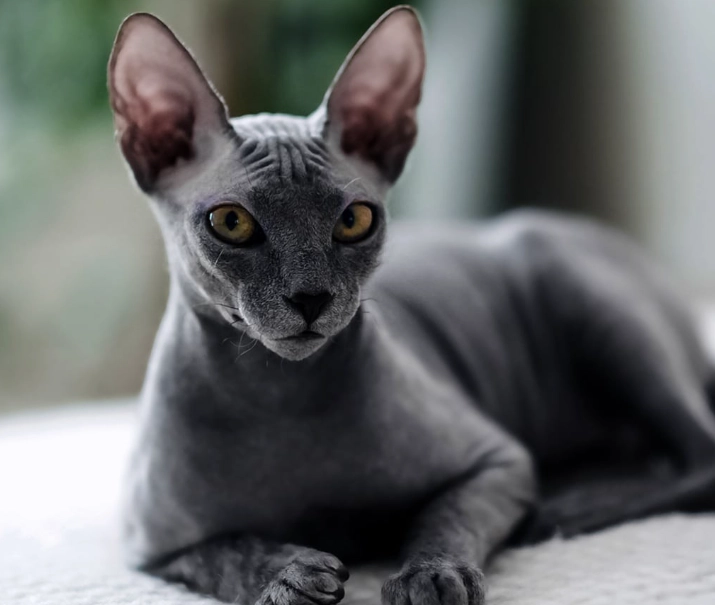
Not always loud meows, but a whole range of chirps, trills, and murmurs. They'll converse with you about their day, complain if dinner is late, and comment on the birds outside. It's endearing, mostly.
Are Sphynx Cats Good with Kids and Other Pets?
Generally, yes. Their outgoing and tolerant nature makes them a good fit for families with respectful children. They usually get along with other cats and even cat-friendly dogs. Their social nature means they often enjoy having a furry (or hairless) playmate. The key is proper, gradual introductions, as with any pet.
The Real Deal on Sphynx Cat Care: It's a Routine
Here's where many potential owners get a wake-up call. Caring for a Sphynx is significantly more involved than for a furry cat. Their skin produces oils that would normally be absorbed by fur. Without fur, that oil builds up. It can feel greasy, attract dirt, and even cause skin issues if not managed. So, you become a part-time feline dermatologist.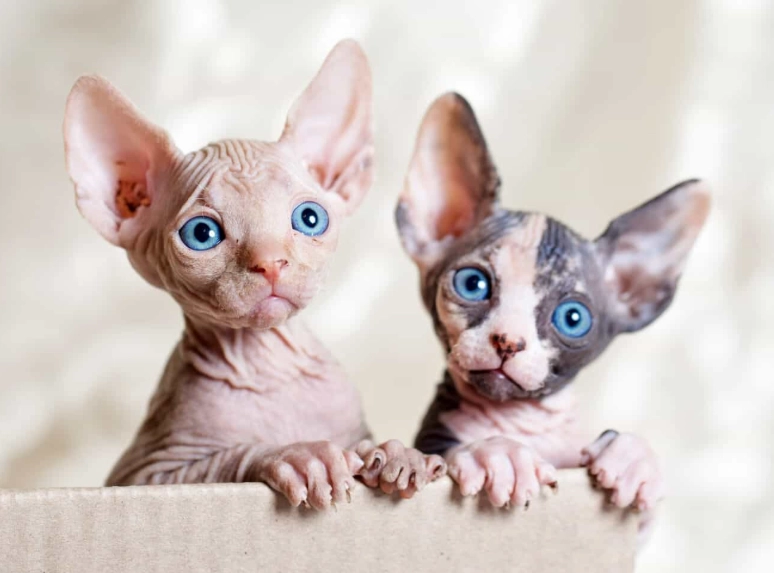
The Non-Negotiable Weekly Care Checklist
- Bathing: Every 1-2 weeks with a gentle, hypoallergenic, or vet-recommended kitten shampoo. Too frequent can dry their skin, too infrequent makes them grimy.
- Ear Cleaning: Weekly. Those big ears produce a lot of dark wax. Use a vet-approved ear cleaner and cotton balls/pads. Never use Q-tips deep in the ear canal.
- Nail Clipping: Weekly. Their nails can get long quickly and the oil can accumulate around them.
- Skin Wrinkles: Gently wipe inside the deep wrinkles (neck, legs) with a damp, soft cloth during bath time to prevent grime and bacteria buildup.
Bathing a cat sounds like a nightmare, right? With Sphynx cats, it's often surprisingly easy. Many tolerate or even enjoy warm water. The key is making it a calm, positive routine from kittenhood. Use a non-slip mat in the sink or tub, keep the water warm (not hot), and have treats ready.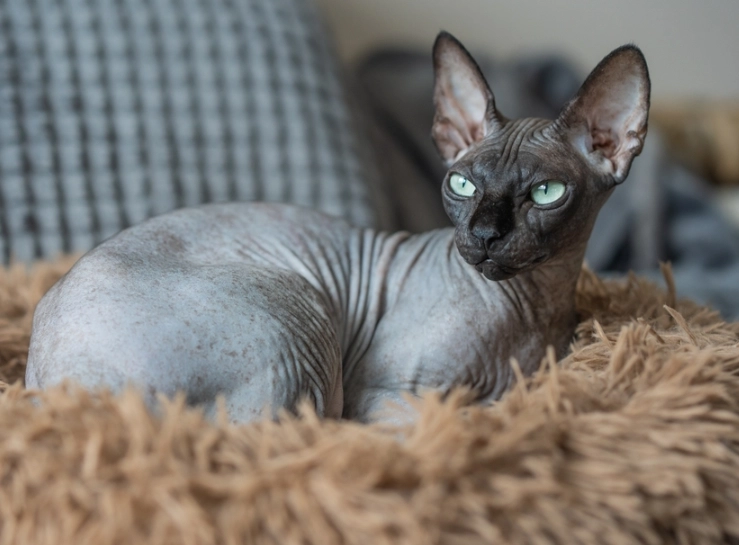
Sun, Sweaters, and Thermoregulation
No fur means no insulation. Sphynx cats get cold easily. You'll need to provide warm spots year-round: heated cat beds, cozy blankets, and spots in sunbeams (with supervision). In cooler climates, sweaters or jackets are not just fashion—they are functional. However, they also can get sunburned! If they have access to direct, strong sunlight, pet-safe sunscreen is a must on light-colored skin.
Their metabolism is high to help stay warm, which leads us to...
Feeding Your Sphynx: The High-Metabolism Engine
You might be shocked by how much a Sphynx cat eats. They burn calories just keeping their body temperature up. They need high-quality, calorie-dense food. Look for formulas with real meat as the first ingredient and a good balance of protein and fat.
Many owners find a combination of scheduled wet food meals and access to high-quality dry food works well. Wet food helps with hydration, which is always important. Always ensure fresh water is available. Because they are so food-motivated, obesity can become an issue if you free-feed low-quality kibble. Portion control is your friend.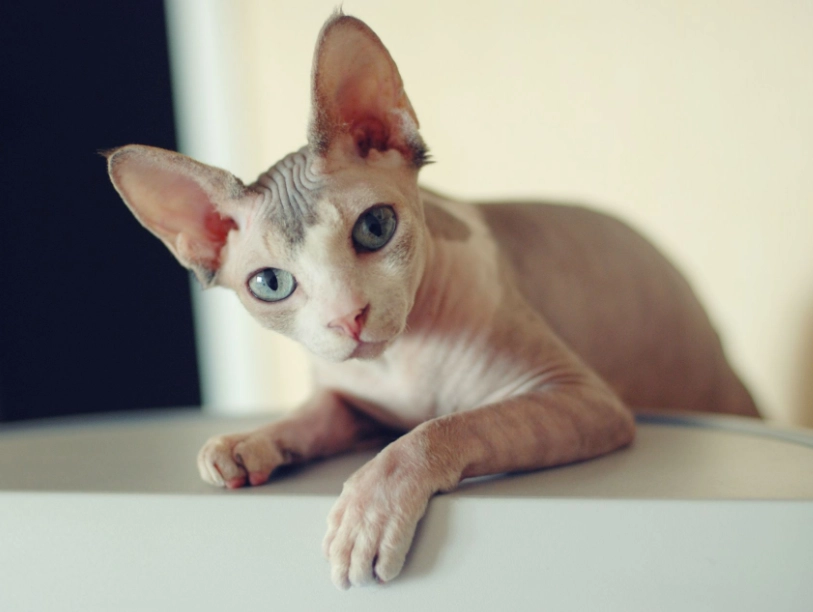
A Word on Allergies
This is the biggest myth. Sphynx cats are NOT hypoallergenic. Most people allergic to cats react to the Fel d 1 protein found in cat saliva and skin secretions, not the fur itself. Since Sphynx cats groom themselves and have skin, they still produce the allergen. In fact, because they have direct skin-to-human contact and may need more frequent bathing (which can stir up dander), some allergy sufferers react more strongly to them. Always spend time with one before committing if you have allergies.
Sphynx Cat Health Issues: What to Watch For
All purebred cats can be prone to certain genetic conditions, and Sphynx cats are no exception. Responsible breeders screen for these. When looking for a Sphynx kitten, ask for health clearances.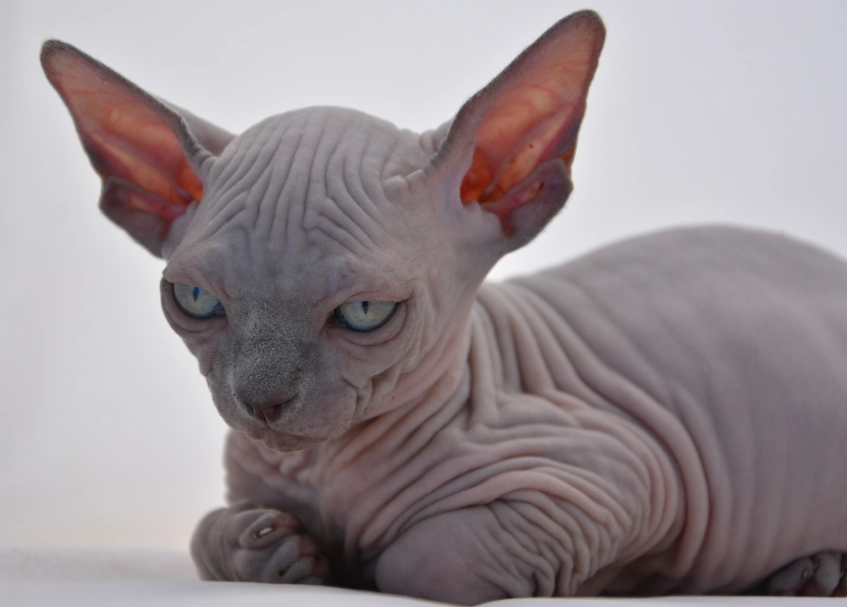
| Condition | What It Is | Prevention/Monitoring |
|---|---|---|
| Hypertrophic Cardiomyopathy (HCM) | A form of heart disease where the heart muscle thickens. This is the most serious concern in the breed. | Reputable breeders should screen their breeding cats via echocardiogram. Ask for proof. Your vet can listen for heart murmurs during annual check-ups. |
| Hereditary Myopathy | A rare muscle disorder that can cause weakness and mobility issues, sometimes seen in Devon Rex and related lines. | Good breeders avoid known affected lines. Symptoms usually appear in kittenhood. |
| Skin Conditions | Can include urticaria pigmentosa (skin lesions), yeast/bacterial infections from poor grooming, or sunburn. | Strict adherence to the bathing/grooming routine. Limit sun exposure, use pet sunscreen. |
| Dental Issues | Some lines may be prone to gum disease and tooth decay. | Regular teeth brushing (get them used to it early) and annual veterinary dental check-ups. |
Finding a good breeder is critical. They should be transparent, ask you as many questions as you ask them, provide health guarantees, and let you visit their home to see the kittens and mother cat. The Cornell Feline Health Center is an excellent resource for understanding conditions like HCM. A good breeder will know about these resources too.
Pet insurance for a Sphynx is something I'd strongly consider. Their unique needs and potential for specific health issues mean vet bills can add up.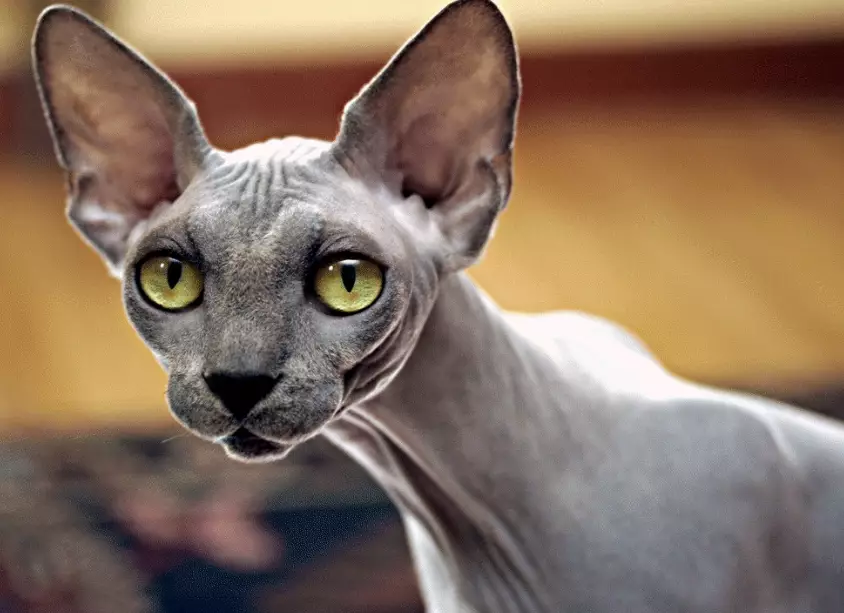
Sphynx Cats vs. The World: Common Questions Answered
Final Thoughts: Is a Sphynx Cat Right for You?
Living with a Sphynx is a unique experience. It's messy sometimes (oily paw prints on windows). It's time-consuming (hello, Sunday bath time). It can be expensive (special food, sweaters, potential vet bills).
But it's also filled with laughter, constant companionship, and a kind of bond that's hard to describe.
You don't just own a Sphynx cat; you have a relationship with a tiny, warm, wrinkly, hilarious, and deeply loving creature who thinks you're the center of the universe. If you can provide the structure, the routine, and the boundless affection they require in return, then you might just find that life with a hairless cat is the richest kind of all.
Do your homework. Meet some Sphynx cats in person. Talk to multiple breeders or rescue organizations. The decision to welcome any pet, especially one as special-needs as the Sphynx, shouldn't be made on a whim. But if you do take the plunge, you're in for an unforgettable adventure with one of the most charismatic creatures on four legs—fur optional.