Quick Navigation
- What Exactly Is a Balinese Cat? A Quick History Lesson
- The Balinese Look: Elegance Wrapped in Silk
- The Balinese Personality: Think 'Velcro Cat with a PhD'
- Caring for Your Balinese Cat: It's Not Just About the Fur
- Health and Lifespan: What to Watch For
- Finding a Balinese Cat: Breeder vs. Rescue
- Your Balinese Cat Questions, Answered
- Final Thoughts: Is a Balinese Cat Right for You?
Let's get this out of the way first. If you're picturing a Balinese cat and thinking "long-haired Siamese," you're not wrong, but you're not seeing the whole picture either. I made that same assumption years ago when a friend brought her Balinese over. I expected the vocal drama of a Siamese wrapped in a cloud of fur. What I got was... different. Sure, the elegant lines and piercing blue eyes were there, but the voice was softer, a melodic chirp rather than a demanding yowl. And the fur? It felt like silk, and to my surprise (and my black pants' relief), it didn't seem to fly everywhere. That visit sparked a deep dive into what makes the Balinese cat breed truly unique, beyond just the coat.
Over the years, talking to breeders, owners, and just observing these cats, I've come to see them as a fantastic "best of both worlds" breed for the right person. They offer the intelligence and affection of their Siamese cousins but often in a slightly more laid-back, less vocally intense package. But are they right for everyone? Absolutely not. This guide is my attempt to strip away the generic breed descriptions and give you the real, practical details you need to decide if a Balinese cat could be your next perfect companion.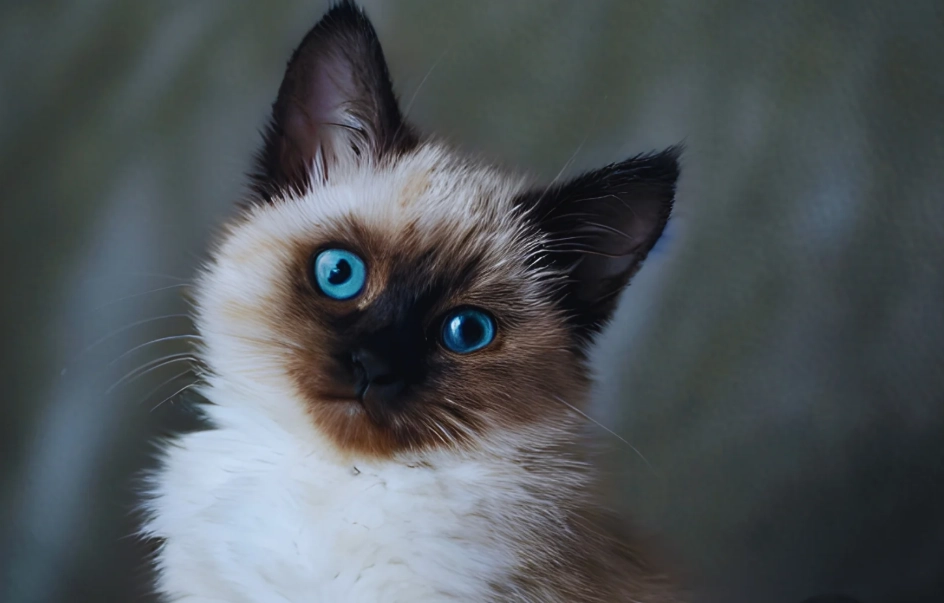
What Exactly Is a Balinese Cat? A Quick History Lesson
The name "Balinese" is a bit of marketing poetry—they have nothing to do with Bali. The breed originated as a natural genetic mutation in purebred Siamese litters. Back in the mid-1900s, breeders would occasionally get these fluffy kittens and, frankly, view them as flawed. They were often quietly given away as pets. But some people saw the beauty in that single, recessive longhair gene. They started selectively breeding these "longhaired Siamese," aiming to keep the classic Siamese body type and personality while cultivating that gorgeous, silky coat.
The Cat Fanciers' Association (CFA) officially recognized them as a separate breed in 1970, naming them Balinese for their graceful, dancer-like movements. It's a nice story, but the practical takeaway is this: the Balinese cat is a pedigree breed, not a random mix. You can't get a Balinese by breeding a Siamese to a Persian. That genetic foundation from the Siamese is everything when it comes to predicting their behavior and needs.
Key Point: Every Balinese cat traces its lineage back to those Siamese roots. This means their personality, intelligence, and social nature are deeply ingrained, not just a happy accident of their plush coat.
The Balinese Look: Elegance Wrapped in Silk
Forget the image of a bulky, high-maintenance longhair. The Balinese body is pure oriental elegance—sleek, muscular, and tubular, with long, slender legs and a tail that tapers to a fine point. Their head is a distinctive wedge shape, with large, wide-set ears completing the alert, intelligent expression.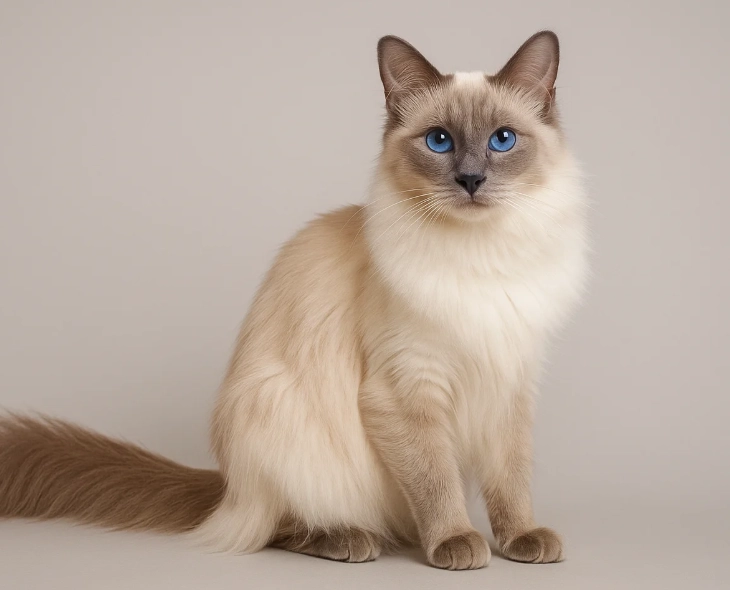
But the star of the show is the coat. It's medium length, longest on the tail (which is often described as a plume), with no woolly undercoat. This is the critical difference from most other long-haired breeds.
No undercoat.
That means the fur lies close to the body, doesn't mat easily, and sheds significantly less than you'd expect. It's fine and silky to the touch. The traditional color points—darker ears, face, legs, and tail—are identical to the Siamese. You'll find seal, chocolate, blue, and lilac points commonly, and some registries also accept lynx (tabby) and tortie points.
Balinese vs. Siamese: A Side-by-Side Look
It's the most common comparison, so let's break it down clearly. This isn't about which is better, but about understanding the tangible differences.
| Feature | Balinese Cat | Siamese Cat |
|---|---|---|
| Coat Length & Texture | Medium-long, silky, single coat (no undercoat). | Very short, sleek, fine coat. |
| Shedding | Low to moderate. Fur tends to cling to the coat rather than float away. | Low. Short hairs can be noticeable on dark fabrics. |
| Grooming Needs | Moderate. Weekly brushing is sufficient to prevent tangles and distribute oils. | Low. Occasional brushing or wiping with a damp cloth. |
| Voice | Softer, more melodic. Often described as chirping or trilling. Still communicative. | Loud, persistent, and famously vocal. A defining trait for many. |
| General Temperament | Highly affectionate, social, and playful. Can be slightly less "in-your-face" intense than some modern Siamese lines. | Extremely affectionate, demanding, social, and highly active. Thrives on constant interaction. |
| Common Health Considerations | Similar to Siamese, but the longhair gene is not linked to major additional issues. Prone to same genetic conditions like amyloidosis. | Prone to certain genetic conditions (e.g., amyloidosis, heart issues, dental disease). Generally healthy. |
Looking at that table, the choice often comes down to coat preference and tolerance for volume. If you love the Siamese personality but want a softer voice and less fur on your couch, the Balinese cat breed is a compelling option.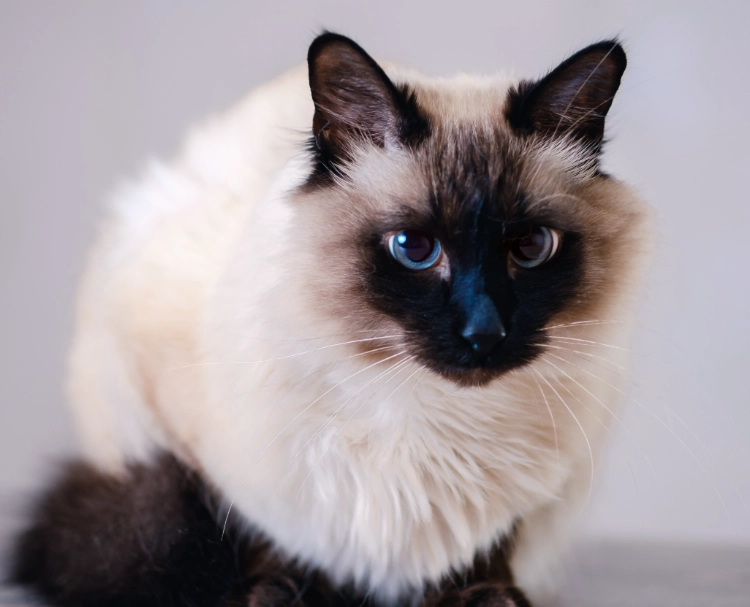
The Balinese Personality: Think "Velcro Cat with a PhD"
This is where people either fall head over heels or realize this breed isn't for them. Balinese cats are not aloof, independent observers. They are participants. They want to be in your lap, on your keyboard, in your conversation, helping you make the bed. A Balinese left alone for long hours in an empty apartment is a miserable Balinese. They form incredibly strong bonds with their people, often shadowing their favorite person from room to room.
Their intelligence is remarkable. They learn tricks easily (fetch is a common favorite), can figure out puzzle toys and doors, and seem to understand a lot of what you're saying. This intelligence needs an outlet. Boredom is their enemy, which can lead to mischievous behavior.
A breeder once told me, "You don't own a Balinese; you are staff for a tiny, furry CEO." It's a joke, but it captures the dynamic. They have plans for you, mostly involving play, cuddles, and more play.
They are generally great with children and other pets, including cat-friendly dogs. Their social nature means they usually prefer having a feline companion if you're away at work all day. Introducing two Balinese cats or pairing one with another social breed can prevent loneliness and provide healthy stimulation.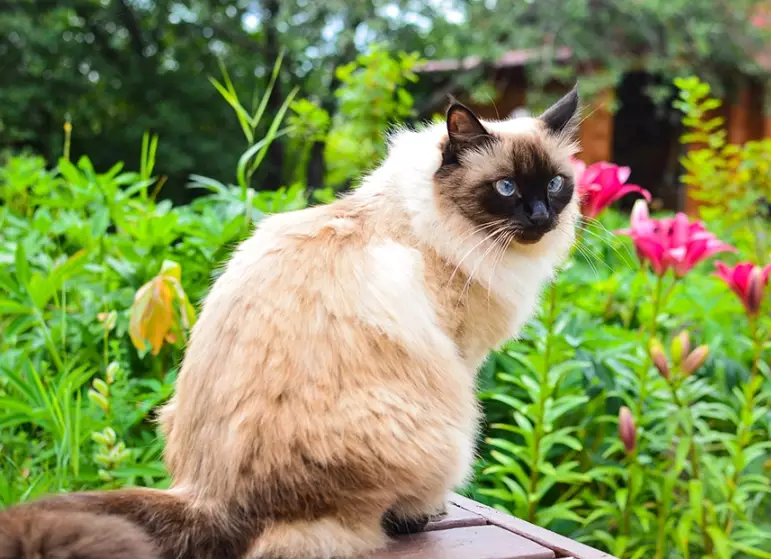
The Vocal Truth: Are They Loud?
Compared to a Siamese? No, they are not as loud or persistently vocal. But compared to a British Shorthair? Yes, they are talkative. They won't yowl; they'll converse. You'll hear chirps when they jump, trills when they see you, and soft meows to comment on the state of their dinner bowl. It's conversational and, most owners find, quite endearing. If you crave absolute silence, look elsewhere.
Caring for Your Balinese Cat: It's Not Just About the Fur
Okay, let's talk daily life. What does it actually take to keep a Balinese happy and healthy?
Grooming: Surprisingly Manageable
Here's the good news: that beautiful coat is low-maintenance for a longhair. That missing undercoat is a game-changer.
- Brushing: A thorough brushing once or twice a week with a fine-toothed comb or a slicker brush is plenty. It removes loose hair, prevents any potential tangles (rare, but can happen behind the ears), and distributes skin oils. It's also a great bonding session.
- Bathing: Rarely needed. Their coat tends to stay clean. Maybe once or twice a year if they get into something sticky.
- Shedding: They do shed, but the fine hair often gets caught in the topcoat. You'll find less hair floating in the air and more in the brush during grooming sessions. Many people with mild cat allergies tolerate Balinese cats better due to this lower level of airborne dander, but no cat is truly hypoallergenic. The ASPCA's general cat grooming guide has great tips that apply well to Balinese cats.
Diet and Nutrition: Fuel for an Athlete
These are active, lean cats with high metabolisms. They need high-quality, protein-rich food. Look for named meat sources (chicken, salmon, etc.) as the first ingredients. Whether you choose wet, dry, or a combination, portion control is key to prevent obesity, especially as they age and their activity level might decrease slightly.
I've spoken to owners who swear by feeding puzzles for their Balinese—it turns mealtime into a brain game and slows down fast eaters. Always ensure fresh water is available. A cat water fountain can encourage drinking, which is great for urinary tract health.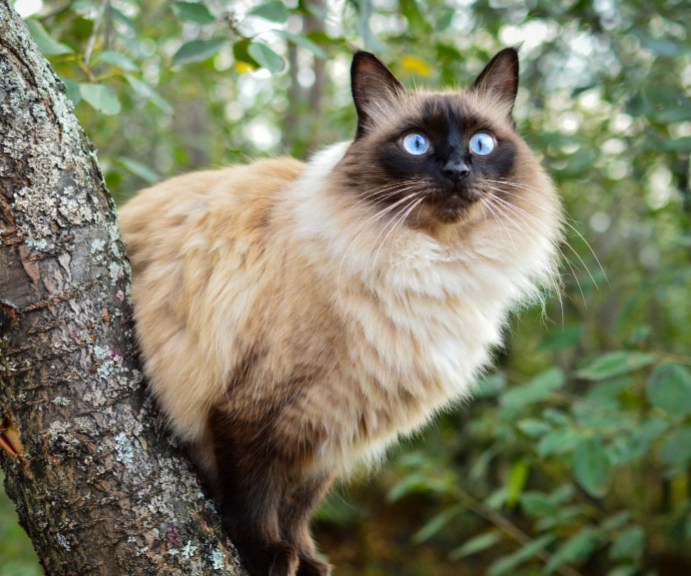
Exercise and Enrichment: mandatory, Not Optional
This is non-negotiable. A bored Balinese is a recipe for trouble—think curtain climbing, counter surfing, or vocal lamentations.
- Interactive Play: Daily sessions with wand toys, laser pointers (always end with a physical toy they can "catch"), or balls are essential. It simulates hunting and burns energy.
- Climbing: They love heights. A tall, sturdy cat tree by a window is like cat television with a climbing gym attached.
- Puzzle Toys: Food-dispensing puzzles and treat balls engage their problem-solving skills.
- Training: Teach them tricks! They excel at fetch, high-fives, and coming when called. It strengthens your bond and tires them out mentally.
Pro Tip: Rotate toys every few weeks. An "old" toy put away for a month becomes exciting again when reintroduced. It keeps their environment feeling new without constant shopping.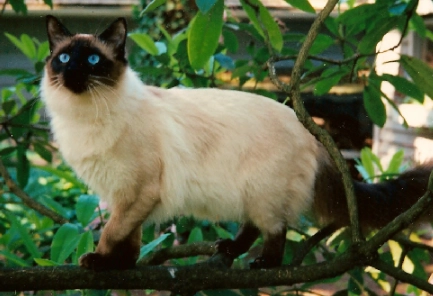
Health and Lifespan: What to Watch For
Balinese cats are generally healthy with a typical lifespan of 12 to 20 years. However, they share the same genetic predispositions as their Siamese ancestors. Responsible breeders screen for these conditions.
- Hereditary Amyloidosis: This is the big one. It's a disease where abnormal protein deposits (amyloid) damage organs, most commonly the liver. It's a serious, often fatal condition that can appear in young to middle-aged cats. Reputable breeders will be testing their breeding stock and should be transparent about the incidence in their lines. The Veterinary Partner article on amyloidosis provides detailed, vet-level information.
- Dental Issues: They can be prone to gingivitis and periodontal disease. Regular teeth brushing (start young!) and veterinary dental check-ups are crucial.
- Crossed Eyes & Kinked Tails: These were once common in Siamese-type breeds due to the albino gene linked to their color points. Modern breeding has largely reduced these traits, but you might still see a slight cross-eye in some individuals. It doesn't affect their vision.
- Other Conditions: Like many purebreds, they can have a higher incidence of certain heart conditions (like cardiomyopathy) and respiratory issues. Regular vet check-ups are your best defense.
Ask your breeder for health test results. Period.
Finding a Balinese Cat: Breeder vs. Rescue
This is a serious decision with ethical and practical implications.
Going Through a Reputable Breeder: Expect to spend $800 to $2,500+. The higher end is usually for show-quality kittens from champion lines. A good breeder will:
- Welcome you to visit their home and meet the mother cat.
- Be knowledgeable about the breed's health issues and provide proof of genetic screening for the parents (e.g., for amyloidosis).
- Ask you as many questions as you ask them.
- Have a contract that includes a health guarantee and requires you to return the cat to them if you can't keep it.
- Keep kittens until they are at least 12-16 weeks old for proper socialization.
You can find ethical breeders through the Cat Fanciers' Association (CFA) breeder referral or The International Cat Association (TICA) websites.
Rescue and Adoption: Purebred cats do end up in shelters and rescue groups. Breed-specific rescues for Siamese and related breeds often take in Balinese cats. This can be a more affordable option (adoption fees are typically $100-$300) and gives a cat a second chance. The downside is that adult cats may come with unknown histories or behavioral quirks, and kittens are rare. Patience is key.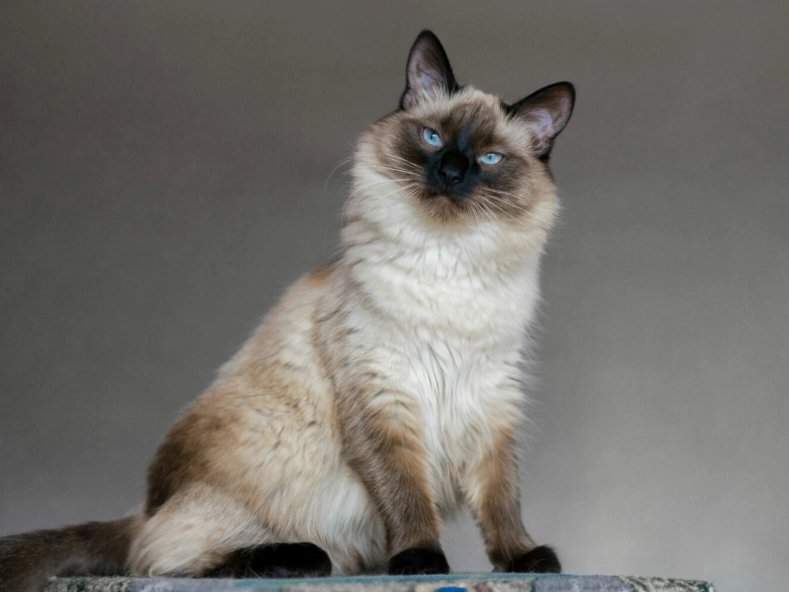
I have a soft spot for rescue, but with a breed prone to specific health issues, not knowing the genetic history gives me pause. It's a personal risk calculation. An adult rescue Balinese from a foster home where its personality is known can be a wonderful, lower-risk choice.
Your Balinese Cat Questions, Answered
Let's tackle the stuff people really search for.
Final Thoughts: Is a Balinese Cat Right for You?
Let's be blunt. A Balinese cat will demand your time and attention. They will talk to you, follow you, and need playtime with you. If you want a decorative pet that minds its own business, this is not your breed.
But if you want a deeply affectionate, intelligent, interactive companion who feels more like a family member than a pet, a Balinese could be a perfect match. Their elegant beauty is just a bonus. The manageable grooming is a huge plus for a long-haired breed. Just be prepared for the commitment. Do your homework, find a responsible source, and if you're ready for that level of feline engagement, you might just find yourself owned by one of the most wonderful cats out there.
I still think about that first Balinese I met. There was a quiet dignity there, mixed with a playful spark, all wrapped in that impossibly soft fur. It's a specific kind of magic that this breed has perfected.