Quick Navigation to Blue Cat Insights
Let's get this straight right away. When people search for "blue cat," they're usually not talking about a feline that's the color of the sky or a Smurf. In the cat fancy world, "blue" is a specific, and frankly stunning, coat color. It's a dilute form of black, resulting in a solid, uniform grey that has cool, almost silvery undertones. It can look different in various lights—sometimes a soft slate, other times a deep charcoal with a blue-ish sheen. It's gorgeous, but it can lead to some confusion if you're new to cat breeds.
I remember the first time I saw a proper blue cat at a show. I thought, "That's not blue, that's grey." But the breeder patiently explained the genetics, and once you know, you start to see the unique quality of the color. It's not just grey; it has a certain depth and coolness to it. If you're here wondering what the deal is with these so-called blue cats, you're in the right place. We're going to dig into everything: the breeds that wear this coat best, what they're like to live with, and how to care for one. This isn't just a list of facts; it's a deep dive from someone who's spent years around cats, both common and rare.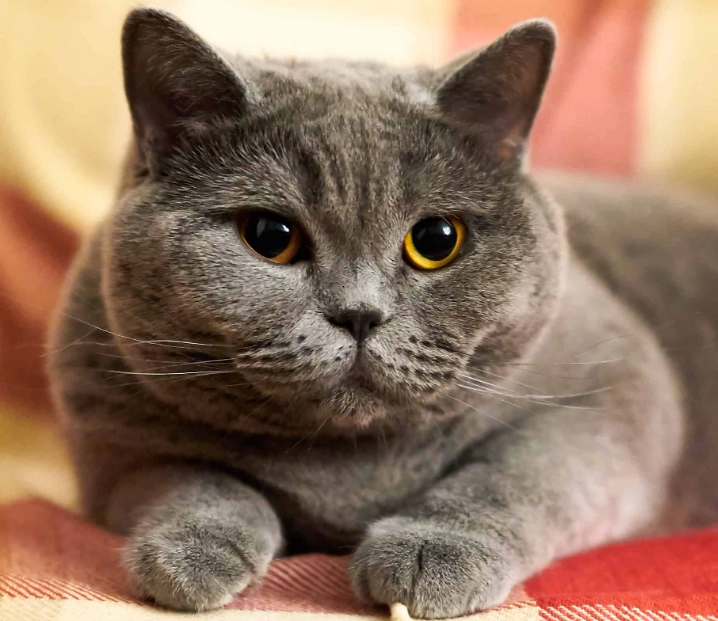
What Exactly Is a Blue Cat?
Genetics time, but don't worry, I'll keep it simple. A cat's coat color is determined by two primary pigments: eumelanin (black/brown) and pheomelanin (red/orange). The "blue" color occurs when a cat has the genes for a black coat, but also carries a recessive "dilute" gene. This gene clumps the pigment granules in the hair shaft, allowing light to pass through differently. The result? Instead of rich black, you get a softened, grey-blue hue.
This color pops up in many breeds, both purebred and mixed-breed. But some breeds are famous for it, even defined by it. And that's where the real magic—and the real decisions—begin.
The Blue Cat Breeds: A Closer Look
While your average domestic shorthair can certainly be a lovely blue, several pedigreed breeds have made this color a cornerstone of their identity. Let's meet the main contenders.
The Russian Blue: The Undisputed Star
If there's a celebrity in the world of blue cats, it's the Russian Blue. This is the breed most people picture. And let me tell you, pictures don't do them justice. They have this double-layered coat that's so dense and plush it feels like touching velvet or sealskin. The guard hairs are tipped with silver, giving the whole cat a shimmering, luminous appearance. It's not an exaggeration to say they glow.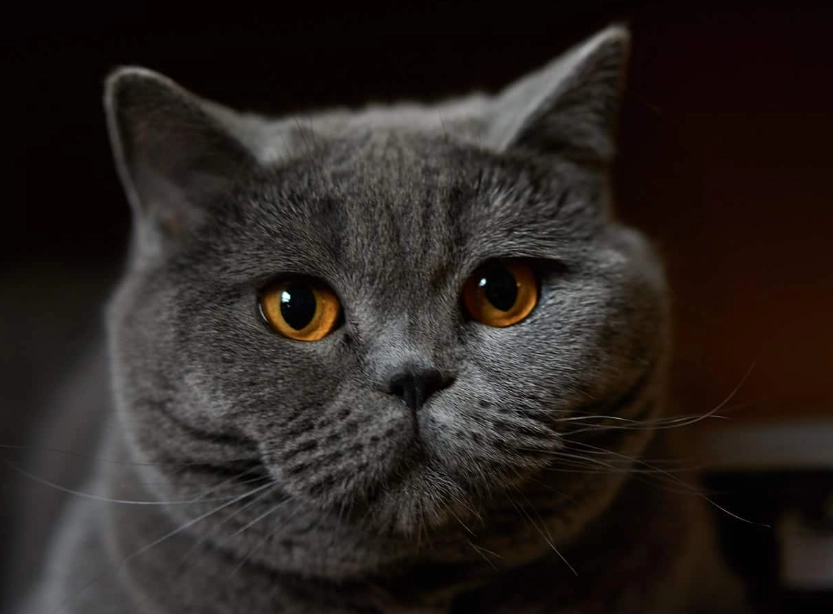
But it's not just the coat. They have these striking green eyes that develop as they mature, set in a wedge-shaped head with large, pointed ears. The overall look is elegant, alert, and mildly mysterious.
Now, personality-wise, Russian Blues break a lot of stereotypes about aloof cats. They are often deeply attached to their chosen person or family. They can be shy with strangers—don't expect them to greet your guests at the door—but with their family, they are affectionate, playful, and surprisingly sensitive. They pick up on moods. They're not usually lap cats in the traditional, sit-for-hours sense, but they will follow you from room to room, preferring to be near you. They're quiet, with a soft, chirping voice. I've heard owners describe them as "dog-like" in their loyalty, which I think is fair.
A big draw for many is the claim that Russian Blues are hypoallergenic. I need to temper expectations here. No cat is 100% hypoallergenic. The allergy is usually to a protein (Fel d 1) in cat saliva and skin glands, not the fur itself. However, Russian Blues are often reported to produce less of this allergen. Combined with their dense coat that sheds less frequently (though when they do shed, it's noticeable), many people with mild allergies find they can live comfortably with a Russian Blue. But please, if you have severe allergies, spend time with one before committing. The Cat Fanciers' Association (CFA) breed profile is a great place to start for official standards and information.
Living with one is a quiet, gentle experience. They're not chaotic.
Other Notable Blue-Hued Breeds
The Russian Blue gets the spotlight, but it's not the only game in town. Here’s a quick comparison of other breeds where blue is a prominent and recognized color.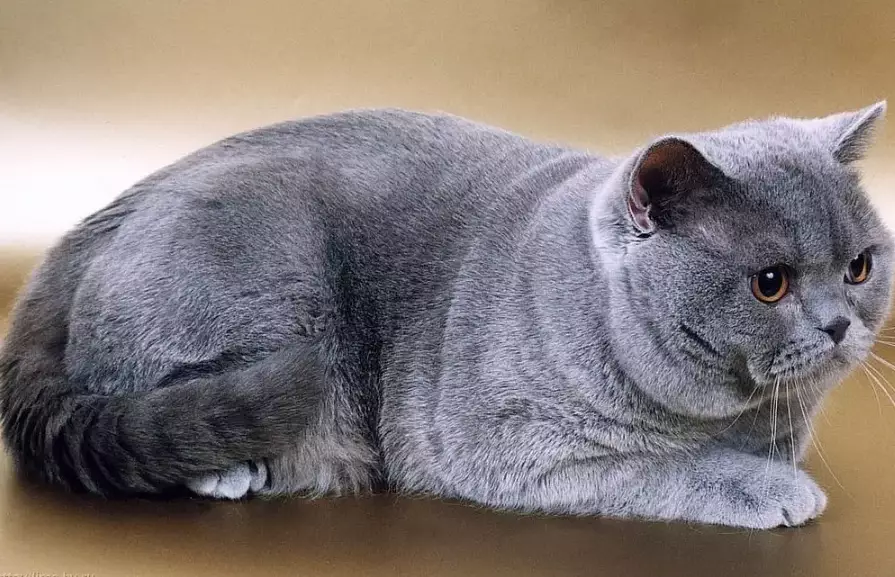
| Breed | Key Characteristics | Coat Texture | Personality Vibe |
|---|---|---|---|
| British Shorthair | The classic "Cheshire Cat" look. Stocky, round face, dense body. Blue is the most iconic color for this breed. | Very dense, crisp, and plush (like a thick carpet). | Calm, easygoing, undemanding. Not a climber; prefers stable surfaces. A true gentle giant. |
| Chartreux | French origin. Robust, muscular with a sweet, smiling expression. Only comes in blue, with shades from ash to slate. | Woolly, slightly springy undercoat with a water-resistant topcoat. | Quiet, observant, adaptable. Known for a chirping sound. Forms strong bonds but isn't clingy. |
| Korat | Thai origin, considered a symbol of good luck. Heart-shaped face, large green eyes, single-coated. | Single coat, smooth, close-lying, with a distinctive silver "halo" at the tips. | Active, intelligent, demanding of attention. Very social and can be vocal. Bonds deeply with family. |
| Nebelung | Essentially a long-haired version of the Russian Blue. Name means "creature of the mist." | Semi-longhair, silky, with a magnificent ruff and tail plume. | Similar to Russian Blue: reserved, gentle, devoted to family, shy with strangers. |
See what I mean? A British Shorthair blue cat offers a completely different experience than a Korat. One is a couch potato, the other an agile conversationalist. It matters which blue cat you bring home.
Beyond the Pedigree: The Blue Domestic Cat
Let's not forget the vast majority of blue cats out there: the wonderful mixed-breeds, the domestic shorthairs and longhairs. Adopting a blue cat from a shelter is a fantastic option. You get that beautiful, unique coat color paired with the often robust health and one-of-a-kind personality of a mixed-breed cat.
What are they like? It's a total lottery, which is part of the fun. You might get a cat with the elegance of a Russian Blue or the laid-back charm of a British Shorthair, all wrapped up in a unique package. The key is to meet the cat, not just pick based on color. Spend time in the shelter's visiting room. See if they come to you, how they react to touch. Color is just the wrapping paper; the personality inside is the real gift.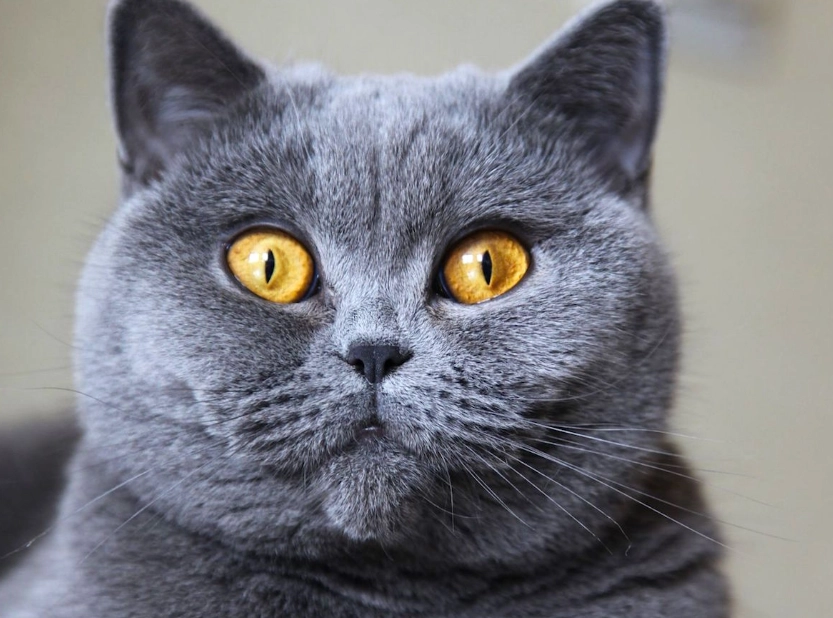
Caring for Your Blue Cat: A Practical Guide
Alright, so you've fallen for a blue cat. What do you need to know to keep them happy and healthy? Much of it is standard cat care, but a few things are worth highlighting.
Grooming: It's Not One-Size-Fits-All
Grooming needs vary wildly by breed and coat type.
- Russian Blue & Korat: Relatively low-maintenance. A weekly brush with a fine-toothed comb or rubber grooming mitt is enough to remove dead hair and distribute skin oils. Their coat tends to stay clean.
- British Shorthair: That ultra-dense coat needs help. Brush 2-3 times a week with a sturdy slicker brush to prevent mats and manage the significant shedding.
- Nebelung: As a longhair, they need daily or every-other-day brushing to prevent tangles and mats, especially around the ruff, britches, and tail.
- All Blue Cats: Their gorgeous coat can show dandruff or skin issues. A diet rich in omega-3 and omega-6 fatty acids (found in quality fish oils) can help maintain that signature sheen.
Health Considerations
Generally, blue-colored cats from responsible breeders are healthy. However, the breed matters more than the color for health predispositions.
- Russian Blues are notably robust with few major genetic issues. They can be prone to minor dental issues, so dental care is a plus.
- British Shorthairs can be predisposed to hypertrophic cardiomyopathy (HCM, a heart condition) and polycystic kidney disease (PKD). Reputable breeders screen for these.
- Korats have a higher incidence of GM1 and GM2 gangliosidosis, a fatal neurological disorder. DNA testing of parent cats is crucial.
The bottom line? Whether you're buying a pedigree blue cat or adopting one, ask about health screenings. A good breeder will provide documentation. For mixed-breeds, a thorough vet checkup is your starting point. Resources like the International Cat Care website offer great general advice on feline health.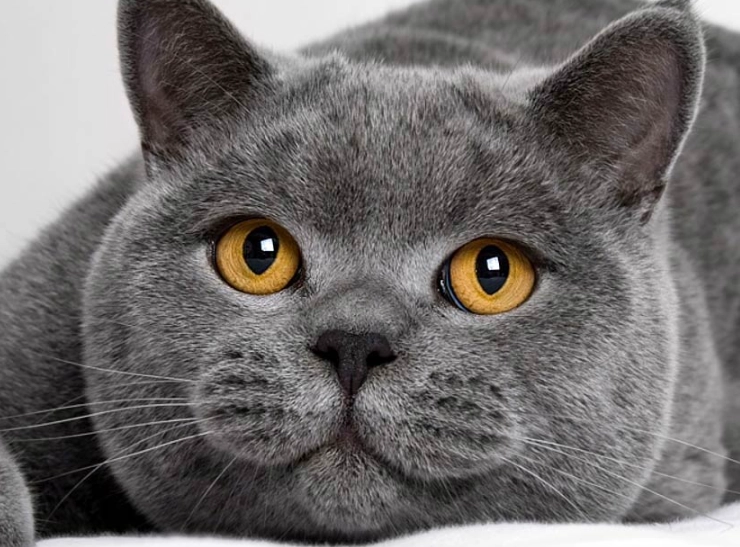
Diet and Exercise
No special diet for the color, but a high-quality, protein-rich diet supports overall health and coat quality. Watch portion sizes, especially for less active breeds like the British Shorthair, which can easily become overweight.
Exercise needs also vary. A Korat will demand interactive play sessions—think feather wands, puzzle toys, maybe even leash training. A British Shorthair might be perfectly content with a short, playful chase after a crumpled paper ball before returning to its nap. Match the activity to the cat's innate drives.
Finding Your Blue Cat: Breeder vs. Rescue
This is a major crossroads. Do you go to a breeder for a specific breed like a Russian Blue, or do you adopt from a shelter or rescue?
Going the Breeder Route: If your heart is set on a specific breed with predictable traits (like the hypoallergenic claims of the Russian Blue), find a reputable breeder. This is non-negotiable. A good breeder:
- Prioritizes health, temperament, and conformation to the breed standard.
- Genetic tests their breeding stock for known hereditary conditions.
- Raises kittens in the home, socializing them with people and household sounds.
- Is a member of a recognized cat registry (like CFA or TICA).
- Asks you as many questions as you ask them.
- Provides a health guarantee and requires you to spay/neuter unless sold for breeding (which is rare).
Be prepared for a waitlist and a significant cost (Russian Blue kittens often range from $800 to $2500+). Avoid pet stores or online sellers with immediate availability—these are almost always kitten mills or scams.
Adoption isn't just noble; it's a path to a wonderful, unique pet.
The Adoption Path: Shelters and breed-specific rescues (yes, there are rescues for Russian Blues and other purebreds!) often have blue cats. You might find a purebred whose owner could no longer care for it, or a stunning mixed-breed with that beautiful grey coat.
Pros? You're saving a life, it's far less expensive, and the cat is often already vaccinated and spayed/neutered. The "con" is unpredictability in adult size and final personality, but for many, that's part of the adventure. Use sites like Petfinder and filter by color "Gray" to see what's available near you.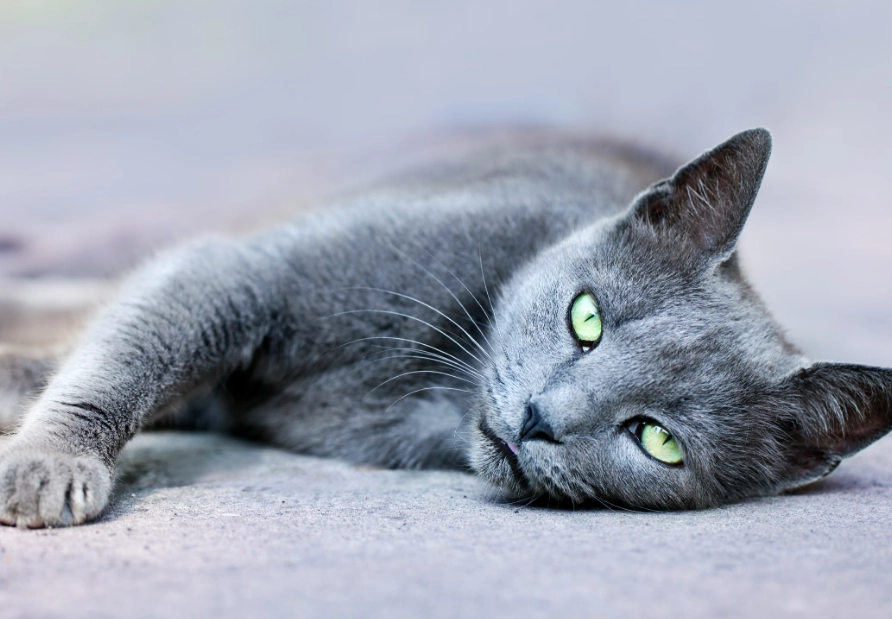
"Choosing a cat is about more than color. It's about finding a being whose rhythm matches your own. The blue coat is just the beautiful beginning of the story."
Common Questions About Blue Cats (Answered)
Let's tackle some of the things people are secretly typing into Google about these cats.
Final Thoughts: Is a Blue Cat Right for You?
Look, that silvery-grey coat is a head-turner. There's no denying it. But bringing a cat home is a 15-20 year commitment. The color should be one of the last things on your checklist.
Ask yourself these questions first:
- Do I want an active, talkative companion (Korat) or a serene, quiet roommate (British Shorthair)?
- How much time can I dedicate to grooming?
- Do I have a calm, predictable household, or is it chaotic? (Shy breeds like the Russian Blue prefer the former).
- What's my budget for initial cost and potential health care?
If you've done your homework, and your lifestyle aligns with the needs of a specific blue-hued breed, then you might be on your way to a wonderfully unique partnership. If you're more flexible, opening your home to a blue-coated shelter cat can be just as rewarding, if not more so.
At the end of the day, the perfect blue cat isn't the one with the most perfect coat. It's the one whose personality clicks with yours, whose presence makes your home feel more complete. The color is just the beautiful wrapper. Take your time, do your research, and maybe, just maybe, you'll find your own shimmering slice of grey-blue joy.