Let's clear something up right away. The term "hairless" for the Sphynx cat is a bit of a misnomer. If you run your hand over one, you won't feel slick, bare skin like a dolphin. You'll feel something closer to warm suede, or maybe a peach. That's the famous "peach fuzz." Some have more, some have less. A Sphynx cat with hair isn't a mistake or a mixed breed; it's a normal expression within the breed standard. According to The International Cat Association (TICA) breed standard, the skin should have a fine down, feeling like chamois leather. Completely hairless cats are actually penalized in the show ring. So, if your Sphynx has a velvety coat or even patches of thicker, wavy hair (often on the nose, ears, tail, and feet), you've got a perfectly normal Sphynx. The real question isn't about having hair, it's about how to care for this unique type of coat and the sensitive skin underneath. That's where most owners, even experienced ones, get tripped up.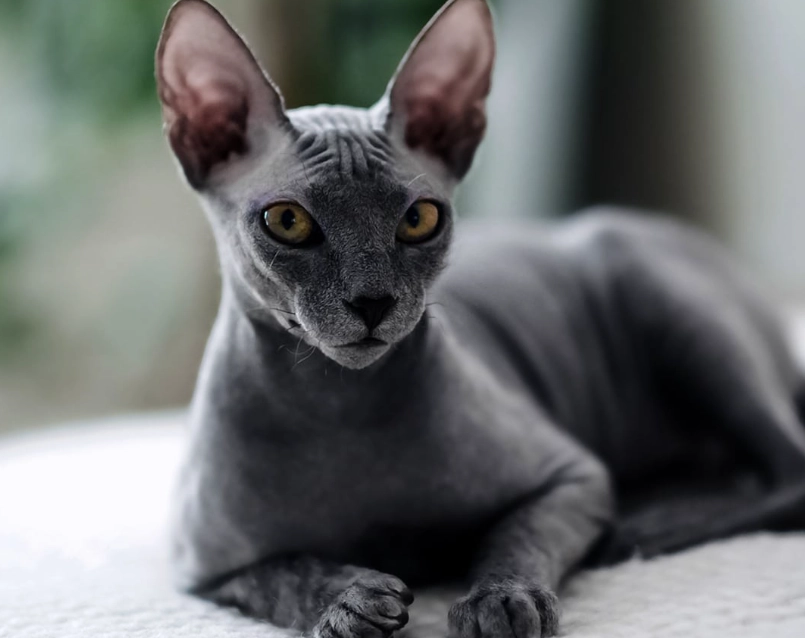
What You'll Learn in This Guide
Not All Fuzz is Created Equal: Understanding Sphynx Cat Hair Types
You might hear breeders or owners use different terms. It's not just marketing. The amount and texture of hair can significantly impact care.
- The Classic Peach Fuzz: This is the most common. The cat feels like soft, warm suede. The hair is so fine and short it's almost invisible unless light hits it at the right angle. Grooming is mostly about managing skin oils.
- The Velour Coat: A slightly denser, plush feel, like the fabric. The hairs are a bit longer and more noticeable. These cats may show more visible "dirt" (oil and skin cell buildup) and might need more frequent attention in folds and wrinkles.
- The "Hairy" Sphynx: Some have distinct, curly, or wavy hair on certain points: the bridge of the nose, the ears, the tail (often called a "lion tail"), and the feet. This hair can trap oil and needs to be combed gently to prevent matting, a problem most Sphynx owners never think they'll face.
I've lived with all three types. My first Sphynx, Mochi, had a thick velour coat and a full, wiry lion tail. Bathing him was a different process than bathing my current girl, Peaches, who is nearly slick. His tail needed conditioner and careful combing post-bath, or it would become a tangled, greasy mess.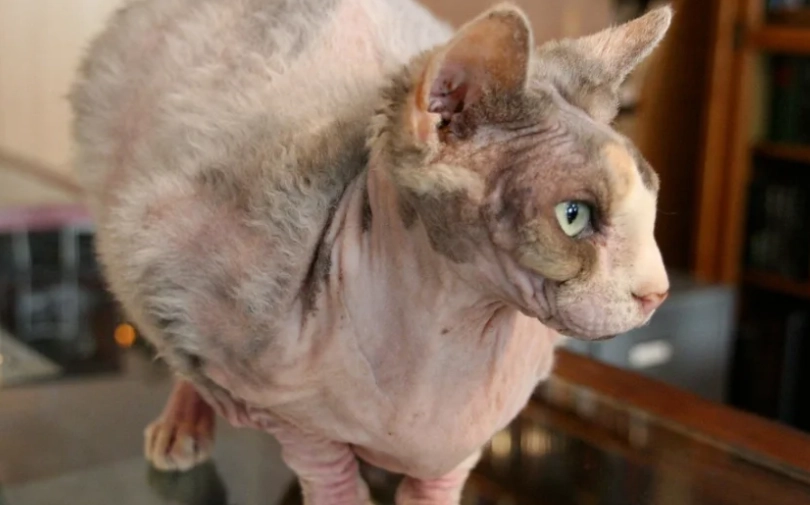
Breeder Insight: The amount of hair can vary with seasons, hormones, and age. A kitten might be fuzzier and lose some coat as it matures. Spaying or neutering can also cause a slight change in coat texture. Don't panic if your cat's fuzz level changes a bit over time.
How to Groom a Sphynx Cat with Hair: Beyond the Weekly Bath
The internet is full of the "Sphynx need weekly baths" mantra. For a cat with a noticeable coat, this advice is often too simplistic and can be harmful. That fine hair holds onto the skin's natural oils differently than bare skin.
The Daily/Weekly Wipe-Down (Non-Negotiable)
Bathing is the event. This is the maintenance. For a fuzzy Sphynx, skipping this leads to a grimy, sticky cat fast.
Use a soft, damp microfiber cloth or unscented baby wipes made for sensitive skin. Wipe in the direction of the hair growth. Pay special attention to:
- Toe Beans and Nails: Oil and gunk build up in the nail sheaths and between toes.
- Armpits and Groin: These warm, folded areas are breeding grounds for oil and bacteria.
- Chin and Behind Ears: Classic spots for acne and buildup.
- The Tail: Especially if it's hairy. The tail gland is very active.
This isn't a deep clean. It's a reset. It removes surface oil before it oxidizes and turns brown (that "dirty" look).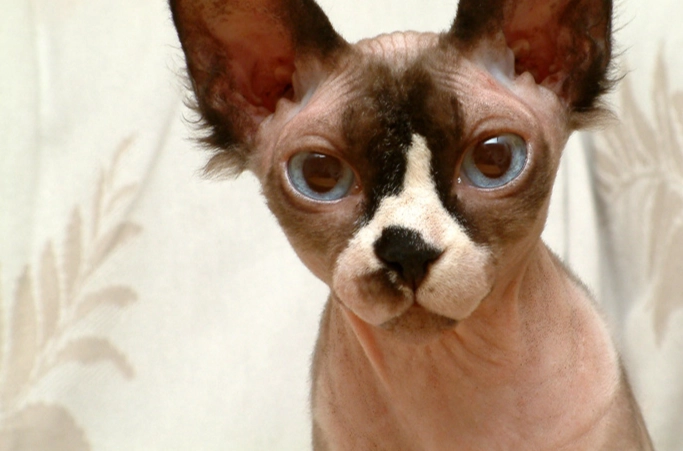
The Bath: Frequency and Technique
For a velour or hairy Sphynx, you might not need a full bath every 7 days. Every 10-14 days is often enough. Watch your cat. If the fuzz feels tacky or greasy to the touch a few days after a bath, your interval is too long. If the skin seems dry, flaky, or irritated after a bath, you're bathing too often.
Here's my step-by-step, refined over a decade:
- Pre-Cleanse Ears & Eyes: Use a vet-recommend ear cleaner on a cotton pad for the outer ear (never a Q-tip in the canal!). Gently wipe eye goop.
- Water Temperature: Lukewarm, not hot. Test on your wrist.
- Wet Thoroughly: Get that downy coat completely saturated. This takes longer than you think.
- Shampoo Application: Use a hypoallergenic, kitten-safe shampoo. I avoid anything with heavy fragrances or oats (which can feed yeast). Lather gently, massaging down to the skin. For a hairy tail, work shampoo through it like you would your own hair.
- The Rinse: This is the most critical step. Rinse for at least twice as long as you lathered. Any residue will cause irritation and attract dirt. Run your fingers against the grain of the fuzz to feel for slickness.
- Conditioner (Optional but Recommended for Hair): If your cat has any longer hair, a tiny amount of lightweight, rinse-out conditioner on just those areas (tail, ruff) can prevent tangles and add softness. Avoid the body.
- Dry Immediately and Completely: Pat with a towel, then use a second dry towel to wrap them. A low-heat blow dryer held at a safe distance can help get them bone-dry, especially into skin folds. Dampness equals yeast infections.
Common Mistake: Using human shampoo or dish soap. The pH is wrong for cat skin and will strip far too much oil, causing a rebound overproduction and potential dermatitis. Just don't do it.
Skin Health is Everything: The Root of Hair Care
The condition of the hair is a direct reflection of skin health. You can't have a healthy, clean coat without a healthy epidermis.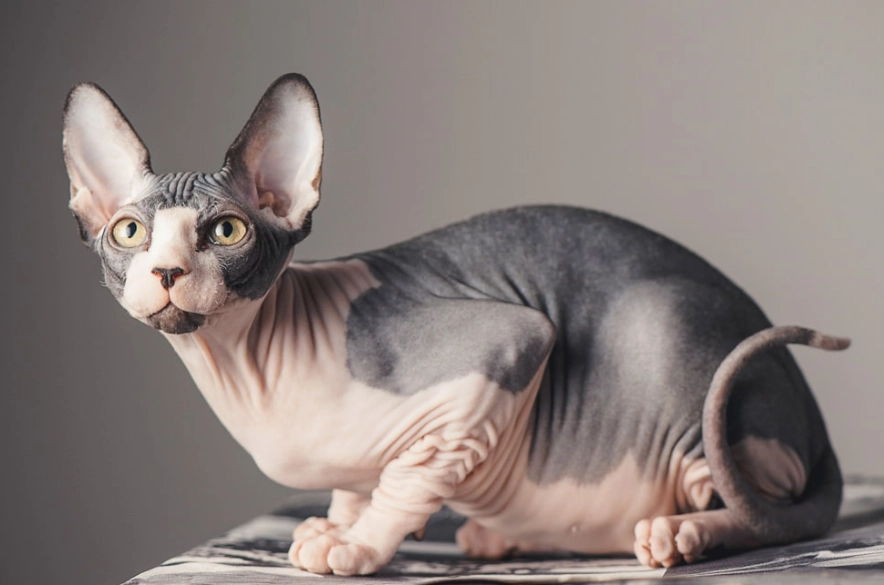
Diet: The Internal Skincare Routine
What you put in the bowl matters more than what you put on the skin. A low-quality, high-carb diet can lead to excessive oil production and yeast overgrowth (which looks like brown, waxy dirt). Look for a high-protein diet with quality animal fats. Omega-3 and Omega-6 fatty acids (found in fish oil supplements) are game-changers for reducing inflammation and promoting a healthier skin barrier. I saw a dramatic reduction in Mochi's blackheads after switching him to a novel protein diet and adding a pump of salmon oil.
Sun Protection
This is critical. That fine hair provides zero protection from UV rays. Sphynx cats are prone to sunburn and skin cancer. If your cat has any light or pink skin, you must use a pet-safe sunscreen on ears, nose, and other exposed areas before any sun exposure. Even through a window. I keep a zinc-oxide based stick by my sunny window sill for quick application on Peaches' ears.
Solving Common Hair & Skin Issues in Fuzzy Sphynx Cats
| Issue | What It Looks/Feels Like | Likely Cause | Action Plan |
|---|---|---|---|
| Blackheads (Comedones) | Small black dots, often on chin, tail base. Feels bumpy. | Oil and keratin clogging hair follicles. Common in velour coats. | Increase gentle exfoliation (soft cloth wipe-downs). Review diet. Vet may recommend medicated wipes. Do not squeeze. |
| Greasy, Sticky Coat | Fuzz feels tacky, attracts lint, may discolour to brown. | Overactive sebaceous glands. Bath interval too long. | Shorten time between baths slightly. Ensure thorough rinsing. Consider dietary omega supplement. |
| Dry, Flaky Skin (Dandruff) | White flakes in the fuzz, especially on back. | Over-bathing, harsh shampoo, low humidity, poor diet. | Extend bath interval. Use moisturizing shampoo. Humidifier in winter. Improve diet fats. |
| Matting in Hairy Patches | Tangled, felt-like clumps in tail or leg hair. | Lack of combing. Oil causing hairs to stick together. | Gently comb affected areas between baths with a fine-tooth comb. Use conditioner during baths on those spots. |
My Go-To Product Recommendations
After years of trial and error, these are the staples in my Sphynx care cabinet. I have no affiliation with these brands; they just work.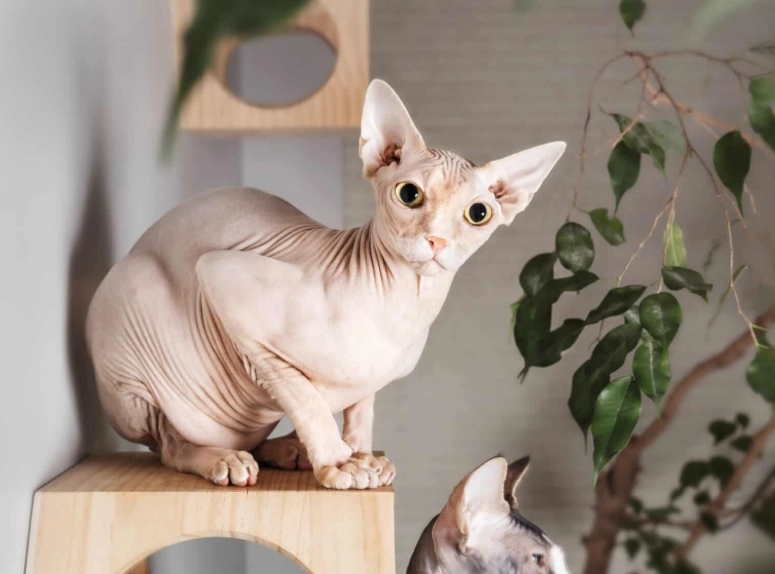
- Shampoo: Douxo S3 PYO Shampoo or Virbac Epi-Soothe Shampoo. Both are soap-free, gentle, and excellent for sensitive, oily skin without over-drying.
- Ear Cleaner: Zymox Ear Cleanser. It's enzymatic and gentle. I use it weekly.
- Wipes: Unscented, sensitive skin baby wipes (like WaterWipes) or pet-specific Earthbath Hypo-Allergenic Grooming Wipes.
- Moisturizer (for dry patches): Vetericyn Plus Feline Antimicrobial Hydrogel. Safe if licked, great for elbows or flaky spots.
- Comb: A simple, fine-toothed flea comb. Perfect for detangling a fuzzy tail without pulling.
Your Top Questions Answered
How often should I bathe a Sphynx cat with a fine coat of hair?
The standard "weekly bath" advice can be too aggressive for many Sphynx cats, especially those with a bit of fuzz. Their natural skin oils are protective. For a cat with a light peach fuzz coat, bathing every 10-14 days is often sufficient. Watch for signs like excessive oil buildup on your fingers when you pet them or a noticeable greasy feel. Over-bathing strips these essential oils, leading to rebound oil production and potential skin irritation. It's a balancing act unique to each cat.
What’s the best way to prevent blackheads on my fuzzy Sphynx cat?
Prevention hinges on consistent, gentle exfoliation, not aggressive scrubbing. Use a soft, damp microfiber cloth during your regular wipe-downs (not just bath time) to very lightly slough off dead skin cells and oil. The key mistake is using products with heavy oils or comedogenic ingredients. Choose a cat-specific, hypoallergenic, non-comedogenic shampoo. Diet plays a huge role, too; a high-quality diet with balanced omega fatty acids supports skin health from the inside out, reducing inflammation that can clog pores.
Can a Sphynx cat with hair still trigger allergies?
Absolutely, and sometimes more unpredictably. The primary allergen (Fel d 1 protein) is in saliva and skin oils, not the hair itself. A Sphynx with a fine coat may still groom and spread saliva over its skin and the tiny hairs. The fuzz can then trap and hold dander (skin flakes) and dried saliva closer to the skin, which can be dislodged into the environment. Some allergy sufferers find Sphynx cats easier, but it's not a guarantee. It's crucial to spend time with the specific cat before committing if allergies are a concern.
Do I need to use sunscreen on my slightly hairy Sphynx cat?
Yes, this is non-negotiable. The sparse hair offers negligible UV protection. Any pink or lightly pigmented skin, whether covered in fuzz or not, is highly susceptible to sunburn and, over time, skin cancer (squamous cell carcinoma). You must apply a pet-safe, non-toxic sunscreen to exposed areas like ears, nose, and any less-pigmented patches before any sun exposure, even through a window. Look for zinc oxide or titanium dioxide-based formulas. For indoor cats, consider applying it to ear tips if they bask in sunny spots regularly.