Quick Guide
- The Raw Numbers: Siberian Cat Weight and Dimensions
- From Kitten to King: The Siberian Cat Growth Timeline
- What Influences a Siberian Cat's Final Size?
- Siberian Cat Size Compared to Other Popular Breeds
- Living with a Large Cat: Practical Considerations
- Common Questions About Siberian Cat Size
- Caring for a Large Breed Cat: Health and Wellness
- Final Thoughts: Embracing the Grandeur
So you're thinking about getting a Siberian cat, or maybe you just brought one home and you're wondering... just how big is this fluffy friend going to get? It's a common question, and honestly, a pretty important one. I remember when my friend got her Siberian kitten, Boris. He was this tiny ball of fur that fit in the palm of her hand. Fast forward two years, and let's just say he doesn't fit on her lap so much as he occupies it, like a furry, purring throw pillow with legs. The Siberian cat size is no joke – it's one of their most defining features.
These cats are built for the harsh climates of Russia, and that shows in their substantial, powerful physique. But it's not just about being big; it's about a specific type of sturdy, muscular build. If you're expecting a dainty, fine-boned cat, you're looking at the wrong breed. We're talking about a cat that can look you in the eye from the top of your kitchen counter without even trying too hard.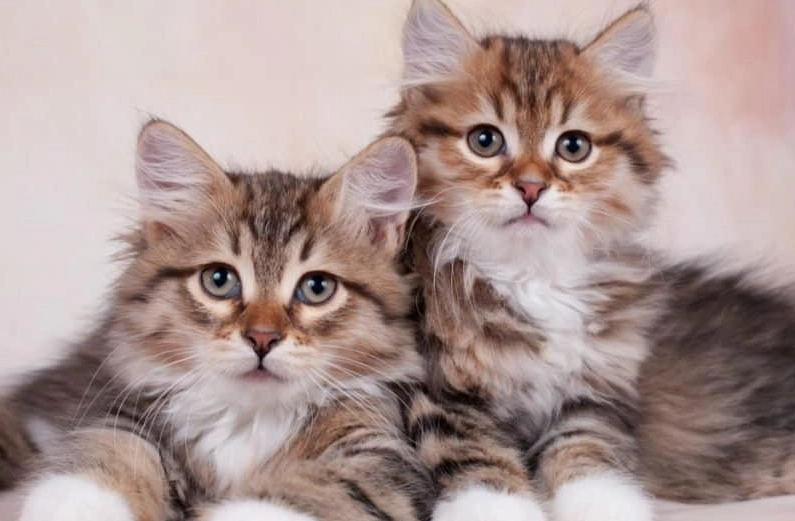
The Raw Numbers: Siberian Cat Weight and Dimensions
Most people search for "Siberian cat size" and really want to know about weight. It's the easiest metric to grasp. But weight alone doesn't tell the whole story of their impressive stature.
A fully grown male Siberian cat typically weighs between 15 to 20 pounds (6.8 to 9 kg). Females are generally smaller, but still substantial, usually ranging from 10 to 15 pounds (4.5 to 6.8 kg). Now, I've seen claims online of some males pushing 25 pounds or more. While possible, that's getting into outlier territory and might be a sign to chat with your vet about diet. A lean, muscular 18-pound Siberian is a sight to behold and is healthier than a flabby 22-pounder.
Beyond the scale, their body is long and solid. From nose to tail tip, they can easily measure over 3 feet (about 1 meter). Their bone structure is heavy, and they have a broad chest and a surprisingly solid feel when you pick them up. It's not fat (usually); it's dense muscle under all that fur. This brings us to the great deceiver: the coat.
Pro Tip: The famous Siberian triple coat adds significant visual bulk. A wet Siberian or a shaved one (please don't shave your cat unless medically necessary) will look dramatically smaller. Their true Siberian cat size is often hidden under an impressive layer of fluff designed for Siberian winters.
Here's a quick breakdown of average dimensions to give you a better picture:
| Dimension | Male Siberian Cat | Female Siberian Cat |
|---|---|---|
| Average Weight | 15 - 20 lbs (6.8 - 9 kg) | 10 - 15 lbs (4.5 - 6.8 kg) |
| Body Length (nose to tail base) | 17 - 20 inches (43 - 51 cm) | 15 - 18 inches (38 - 46 cm) |
| Height at Shoulder | 10 - 12 inches (25 - 30 cm) | 9 - 11 inches (23 - 28 cm) |
| Paw Size | Large, round, with tufted toes | Large, round, with tufted toes |
See that note about paw size? It's a dead giveaway. Kittens with paws that look too big for their bodies are often from larger breeds like the Siberian. They grow into them!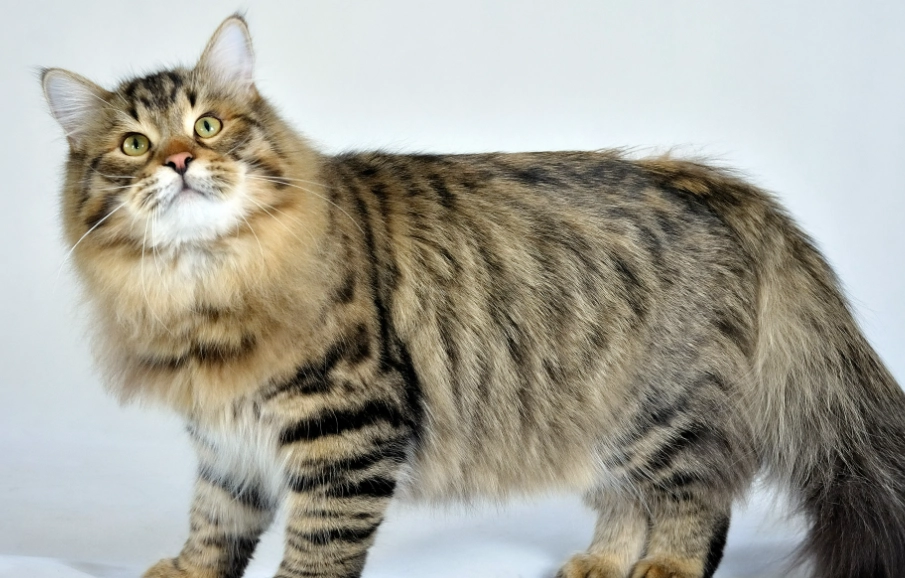
From Kitten to King: The Siberian Cat Growth Timeline
They don't reach that majestic Siberian cat size overnight. Their growth is a marathon, not a sprint, often taking a full 5 years to reach their complete physical maturity. That's longer than many other breeds. Here's what you can expect:
The Kitten Phase (0 - 6 Months)
Rapid growth. They'll gain weight quickly, but they often look a bit lanky and uncoordinated—all legs and big paws. This is when they're building their foundation.
The Juvenile Phase (6 Months - 2 Years)
The most noticeable growth in terms of sheer mass happens here. They start filling out, their chest broadens, and they develop that characteristic powerful look. Most will reach about 75-80% of their adult Siberian cat size by age two.
The Young Adult to Mature Phase (2 - 5 Years)
This is the finishing school. Growth slows way down, but they continue to add muscle density and their coat reaches its full, glorious potential. The chest becomes deeper, and they achieve their final, imposing stature. This prolonged maturation is part of what contributes to their generally robust health.
What Influences a Siberian Cat's Final Size?
Not all Siberians are created equal in the size department. Several factors play a role in determining where your cat will land on the spectrum.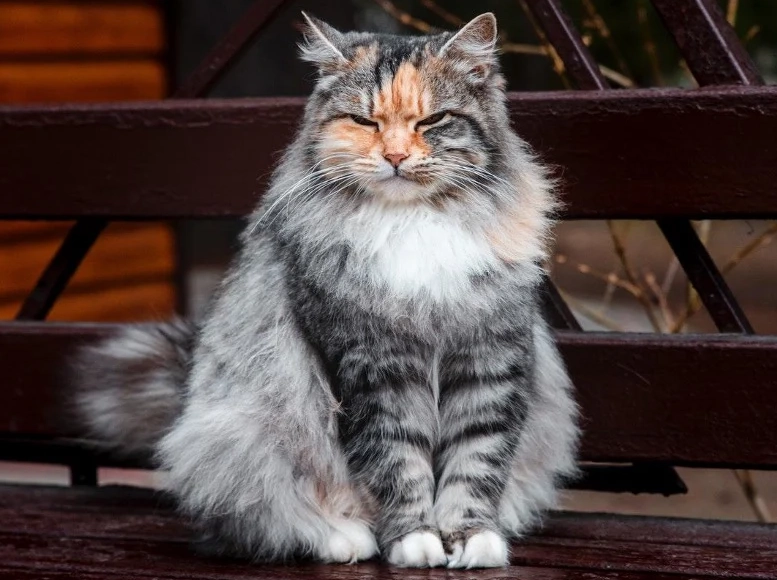
Genetics: This is the big one. The size of the parents is the single best predictor. A reputable breeder should be able to give you a good idea of what to expect. If the sire and dam were both on the larger end, the kittens likely will be too.
Gender: As the table shows, the male vs. female Siberian cat size difference is significant. Males are consistently larger and heavier.
Diet and Nutrition: A kitten fed a high-quality, protein-rich diet appropriate for growth will have a better chance of reaching its genetic potential than one fed a low-quality, filler-heavy diet. Overfeeding, however, leads to obesity, not healthy size. It's a balance.
Neutering/Spaying: There's some debate, but the general consensus is that cats fixed before full maturity (especially very early) may grow slightly taller/lankier as their growth plates close later. It doesn't necessarily make them bigger overall, just can alter the proportions a bit.
Health: Parasites or illness as a kitten can stunt growth. A healthy start is crucial.
I've seen litters where one kitten just seems to be on a different growth plan, ending up much larger or smaller than its siblings despite the same care. Genetics is a fascinating and sometimes unpredictable thing.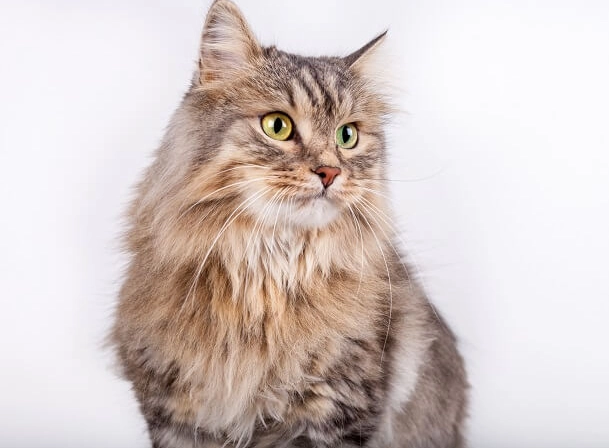
Siberian Cat Size Compared to Other Popular Breeds
To really understand the Siberian cat size, it helps to put them side-by-side with other cats people know.
- vs. Maine Coon: This is the most common comparison, as both are large, fluffy, and friendly. Maine Coons are generally longer and taller, often described as "rectangular." They can be heavier on average, with some males exceeding 20+ pounds more commonly. Siberians are more "barrel-chested" and stocky. Think of a Maine Coon as a long-distance runner's build and a Siberian as a weightlifter's build.
- vs. Norwegian Forest Cat: Another cold-weather, fluffy breed. They are very similar in size and type to the Siberian, making visual distinction tricky. The Norwegian often has a more triangular face and a straight profile, while the Siberian has a rounder face and a gentle curve to the profile.
- vs. Domestic Shorthair: There's no contest. The average house cat weighs 8-10 pounds. A male Siberian can be double that. The difference in presence is massive.
- vs. Ragdoll: Ragdolls are large but tend to be less muscular and more "soft." They are known for their floppy demeanor. A Siberian of the same weight will feel much denser and more solid.
Living with a Large Cat: Practical Considerations
Okay, so you know the Siberian cat size is substantial. What does that actually mean for your home life? A lot, actually.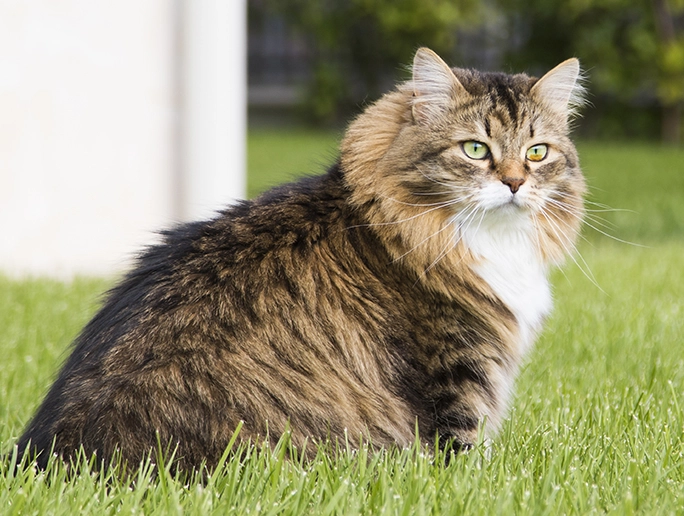
Space: They need room to move. A tiny apartment can work if you provide ample vertical space—tall, sturdy cat trees are non-negotiable. A wobbly tree is a hazard. They love to climb and survey their domain from up high.
Furniture: Get used to sharing your couch. All of it. Their sheer size means they claim space. A scratching post needs to be tall and heavy-duty so it doesn't tip over when they really stretch out on it.
Food & Litter Costs: Bigger cat = bigger appetite = bigger bills. You'll go through more food and more litter. It's a simple equation. Budget for a premium diet to keep them healthy.
The Litter Box: This is a big one (pun intended). A standard litter box is often too small. You'll want an extra-large, high-sided box, or better yet, a top-entry box to contain litter scatter. Some people use concrete mixing tubs from hardware stores—they're cheap, huge, and durable.
Vet Visits: Dosing for medications, anesthesia, and even flea treatments is often weight-based. Your vet bills for procedures may be slightly higher than for a smaller cat. Always confirm with your vet that any medication dosage is correct for your cat's specific weight.
Handling: You can't just scoop them up with one hand. It's a two-arm commitment. This can be challenging for young children or elderly owners. Teaching kids how to interact safely with a large, powerful animal is crucial.
Personal Anecdote: My friend with Boris, the Siberian I mentioned, had to completely rethink her litter box strategy. The first one was a disaster—litter tracked everywhere because he barely fit inside. Switching to a giant, top-entry box solved 90% of the mess. It was a simple fix, but one she didn't think of until she was living with the reality of a cat his size.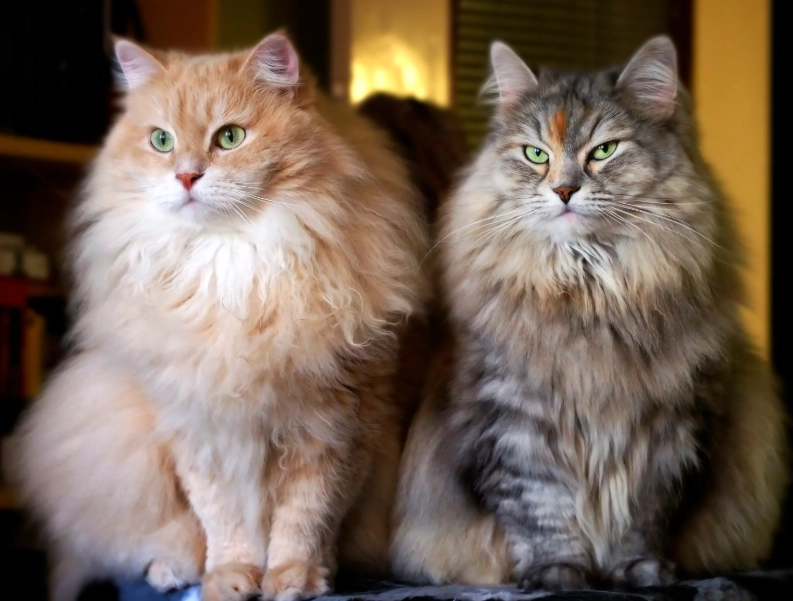
Common Questions About Siberian Cat Size
Let's tackle some of the specific questions people type into Google. These are the real-world concerns.
Caring for a Large Breed Cat: Health and Wellness
With great size comes some specific health considerations. Being proactive is key.
Joint Health: Large breeds are more prone to joint issues like hip dysplasia or arthritis later in life. Maintaining a healthy weight is the #1 thing you can do to prevent this. Extra pounds put immense stress on joints. Provide joint supplements (like glucosamine/chondroitin) as they age, after consulting your vet.
Heart Health: Hypertrophic Cardiomyopathy (HCM) is a concern in many cat breeds, including Siberians. Reputable breeders screen their breeding cats for this. Ask for proof. Regular vet checkups that include listening to the heart are important.
Weight Management: This cannot be overstated. Because they are big-boned, it's easy to let them get overweight. You can't go by looks alone due to their coat. You need to use your hands. You should be able to easily feel their ribs with a slight fat covering, and see a waist when looking down from above. If you're unsure, your vet can give you a body condition score.
Feeding a high-protein, meat-based diet and encouraging play are essential. A lazy Siberian is a heavy Siberian. They tend to retain a playful, kitten-like energy well into adulthood, which helps.
For authoritative information on breed standards and health, organizations like The International Cat Association (TICA) and the Cat Fanciers' Association (CFA) provide detailed breed profiles that include ideal size and type. These resources are invaluable for understanding the benchmark for the breed.
Final Thoughts: Embracing the Grandeur
The Siberian cat size is more than just a statistic. It's part of their charm, their presence, and their history. These are cats bred to survive in a tough environment, and their physique reflects that. They are substantial companions in every sense of the word.
If you're prepared for the reality of a larger pet—the bigger everything, from food bowls to vet bills—then you'll be rewarded with an incredibly loyal, affectionate, and impressive animal. There's something deeply satisfying about the quiet weight of a Siberian cat curled up beside you, a gentle giant content in your company.
Just make sure your bookshelves are anchored to the wall. You'd be surprised what they can knock over when they decide it's time for a sprint through the house at 3 AM. Trust me on that one.