In This Guide
Let's get one thing straight right off the bat – "tabby" isn't a breed of cat. I know, it's confusing. You hear people say "I have a tabby cat" all the time, and it sounds like they're naming a specific type, like a Persian or a Siamese. But really, when we talk about tabby cat breeds, we're talking about a huge variety of cats that all share one spectacular feature: a specific coat pattern. It's the most common coat pattern in domestic cats, and it shows up in purebreds and moggies alike. Think of it like having freckles or curly hair in humans – it can appear in anyone, regardless of their background.
So why do we care about tabby patterns? Because they're fascinating. The swirls, stripes, spots, and that classic 'M' on the forehead have stories written in their genes. And if you're looking for a cat, understanding which breeds commonly come in tabby can help you find not just a look you love, but a personality to match.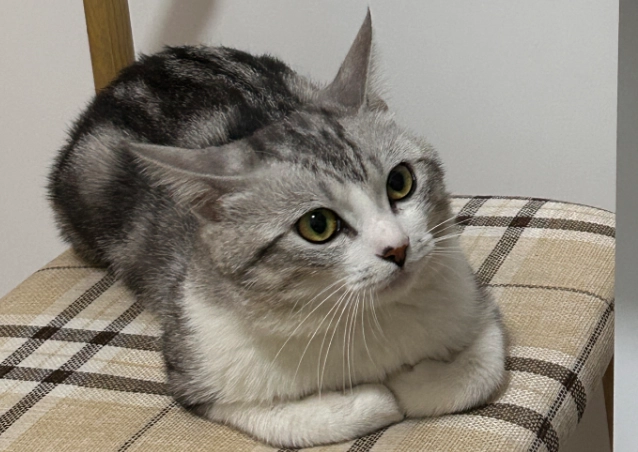
Myth Buster: A lot of folks think a "tabby" is just a plain old brown striped cat. Nope. Tabby patterns come in a rainbow of colors – silver, grey, orange (the famous ginger tabby), cream, and even blue (which is a soft grey). The pattern is the star, not the color.
The Tabby Pattern Itself: More Than Just Stripes
Before we dive into specific tabby cat breeds, let's crack the code on the patterns. There are four main types recognized by major cat registries like The International Cat Association (TICA) and the Cat Fanciers' Association (CFA). Knowing these helps you appreciate what you're looking at.
Classic Tabby (or Blotched Tabby)
This is the one with the bullseye swirls on the sides. Thick, curving bands of color that create a marbled or swirled effect. It's bold and beautiful. If you see a cat with what looks like a butterfly pattern on its shoulders and oyster-shaped swirls on its flanks, that's a classic.
Mackerel Tabby
The name says it all – it's supposed to resemble fish bones. This is the "tiger stripe" pattern. Narrow, vertical stripes run parallel down the cat's sides from the spine. The legs have bracelets, and the tail is ringed. It's probably the most common tabby pattern you'll see wandering around.
Why is it so common? Some geneticists think the mackerel pattern is the "original" wild-type pattern. It's great camouflage.
Spotted Tabby
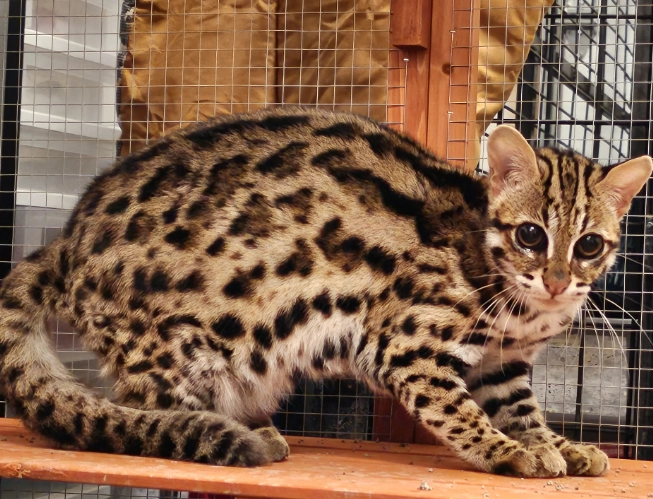
Instead of stripes or swirls, you get spots. They can be large rosettes like a leopard or small round dots. It's a stunning look that gives even a regular house cat a wild, exotic appearance. The spots are actually broken mackerel stripes – a little genetic tweak changes lines into dots.
Ticked Tabby (or Agouti Tabby)
This one is sneaky. At first glance, the cat might look like it has a solid, sandy-colored coat. But look closer. Each individual hair is banded with alternating light and dark colors (agouti hairs). You usually still see the classic tabby 'M' on the forehead and faint barring on the legs and tail, but the body looks almost uniform. The Abyssinian is the poster child for this pattern.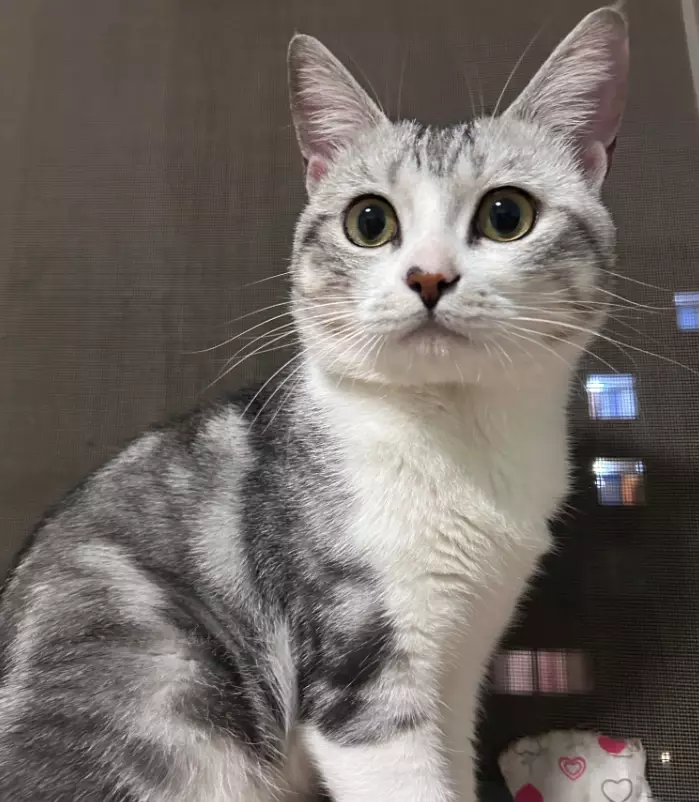
The Famous 'M': Almost all tabbies, regardless of the body pattern, have that distinctive 'M' marking on their foreheads. Folklore is full of explanations – from the Virgin Mary blessing a cat that comforted baby Jesus, to the Egyptian word for cat, "Mau." The real reason is genetics. It's a fundamental part of the tabby pattern gene expression.
See what I mean? It's a whole world. And this pattern shows up in so many different cat breeds, each adding its own twist.
Popular Cat Breeds That Rock the Tabby Look
Now for the fun part. While mixed-breed cats (the wonderful "domestic shorthairs" and "longhairs") are the most frequent carriers of the tabby pattern, many purebred tabby cat breeds are sought after for their combination of predictable personality and that gorgeous patterned coat. Here’s a rundown of some top contenders.
| Breed | Common Tabby Patterns | Key Personality Traits | Care Note |
|---|---|---|---|
| Maine Coon | Classic, Mackerel, Spotted (all common) | Gentle giant, dog-like, playful, intelligent | Needs regular grooming due to long, thick fur. |
| Bengal | Spotted, Marbled (a flowing classic pattern) | Energetic, athletic, curious, loves water | Requires lots of interactive play and mental stimulation. |
| Abyssinian | Ticked (this is their signature look) | Extremely active, playful, "busy," people-oriented | Not a lap cat; a cat who wants to be in your business. |
| American Shorthair | Classic, Mackerel (the classic "all-American" tabby) | Easygoing, adaptable, good with families, quiet | Low-maintenance; a sturdy, healthy breed generally. |
| Norwegian Forest Cat | Classic, Mackerel | Sweet, calm, intelligent, loves to climb | Seasonal heavy shedder; needs frequent brushing. |
| Scottish Fold | Any tabby pattern (on straight or folded ears) | Sweet-tempered, calm, adaptable, quiet voice | Potential for joint health issues; choose an ethical breeder. |
| Ocicat | Spotted (designed to look wild) | Confident, outgoing, social, dog-like in loyalty | Another high-energy breed that needs engagement. |
I have to say, the Bengal is a real handful. A friend has one, and it's like living with a tiny, beautiful tornado. They open cabinets, they demand play at 3 AM, and yes, they will join you in the shower. Gorgeous? Unbelievably so. Easy? Absolutely not. They're a prime example of how the breed itself matters more than the coat pattern when it comes to daily life.
Choosing Your Perfect Tabby Cat Breed: It's Not Just About Looks
So you love the look of a spotted tabby, or you're smitten with the idea of a giant, fluffy classic tabby Maine Coon. Great! But your lifestyle needs to match the cat's needs. This is where people sometimes go wrong.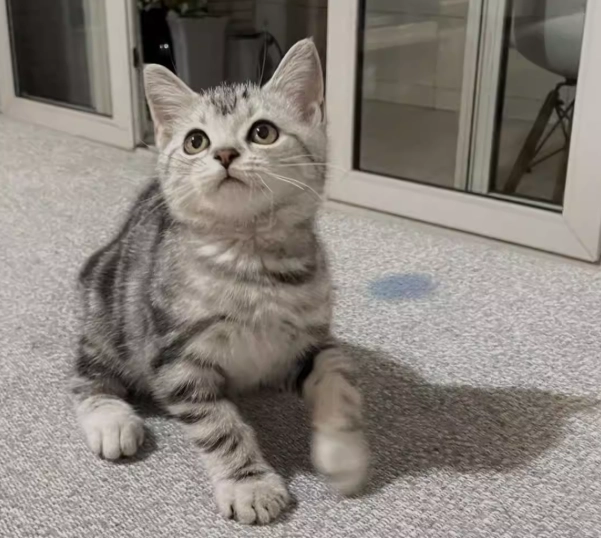
Ask yourself these questions:
- Activity Level: Are you home a lot and active, or more of a couch potato? A Bengal or Abyssinian will drive a quiet person insane, while a laid-back American Shorthair might be perfect.
- Time for Grooming: That stunning long fur on a tabby Maine Coon or Norwegian Forest Cat means daily brushing during shedding seasons. Are you up for that?
- Family Situation: Got kids? Other pets? Some tabby cat breeds, like the American Shorthair or Maine Coon, are famously good-natured with kids. Others can be more sensitive.
- Voice: Some breeds are chatterboxes (Siamese mixes often have tabby points and are vocal!), while others are quiet.
The pattern doesn't affect personality. A mackerel tabby American Shorthair and a mackerel tabby Bengal will be worlds apart in temperament.
Health and Care Considerations for Tabby Cats
Here's some good news: the tabby pattern itself is not linked to any specific health problems. Health is much more closely tied to the breed (or mix) and individual genetics of the cat.
Key Point: Whether your cat is a classic, mackerel, spotted, or ticked tabby has zero impact on its likelihood of developing diabetes, kidney disease, or heart issues. Focus on breed-specific health screenings and overall good care.
That said, some of the popular purebred tabby cat breeds do have predispositions you should know about. Responsible breeders test for these.
- Maine Coon: Can be prone to hypertrophic cardiomyopathy (HCM), a heart condition. Reputable breeders screen their breeding cats.
- Bengal: Generally robust, but some lines can be prone to a condition called Bengal nose (snow nose) or certain heart issues. Again, screening is key.
- Scottish Fold: All cats with folded ears have a genetic cartilage defect that can lead to painful degenerative joint disease (osteochondrodysplasia). This is a serious ethical concern. Many veterinary organizations, including the Cornell Feline Health Center, advise against breeding cats with this trait.
- Mixed-Breed Tabbies: Often benefit from "hybrid vigor" and can be very healthy. Regular vet check-ups, a good diet, and maintaining a healthy weight are the best things you can do.
Speaking of weight – it's easy for any cat, tabby or not, to become overweight. Keep an eye on that. A portly tabby might look cute, but it's not healthy.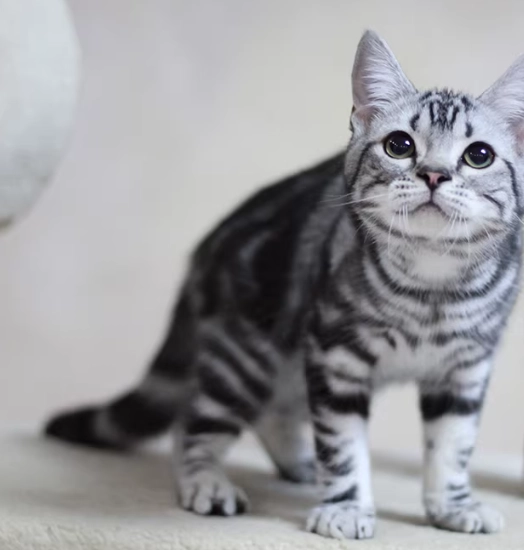
Finding Your Tabby Companion: Breeder, Shelter, or Rescue?
If you have your heart set on a specific purebred tabby cat breed like a spotted Bengal or a ticked Abyssinian, you'll likely need to find a responsible breeder. Look for someone who:
- Prioritizes health testing (and shows you proof).
- Raises kittens in the home, socializing them.
- Is knowledgeable and asks you as many questions as you ask them.
- Is registered with a major cat association (TICA, CFA).
But please, don't overlook shelters and rescues. This is where you can find an incredible variety of tabby cat breeds in the form of wonderful mixes. You'll find every pattern imaginable. Often, you can even find purebred or mostly-purebred cats in rescue groups dedicated to specific breeds (like Maine Coon or Bengal rescues). Adopting saves a life and is usually more affordable.
I'm a huge advocate for adoption. The personality of a cat is what you live with every day, and some of the most amazing, loving cats I've ever met were shelter tabbies of unknown ancestry.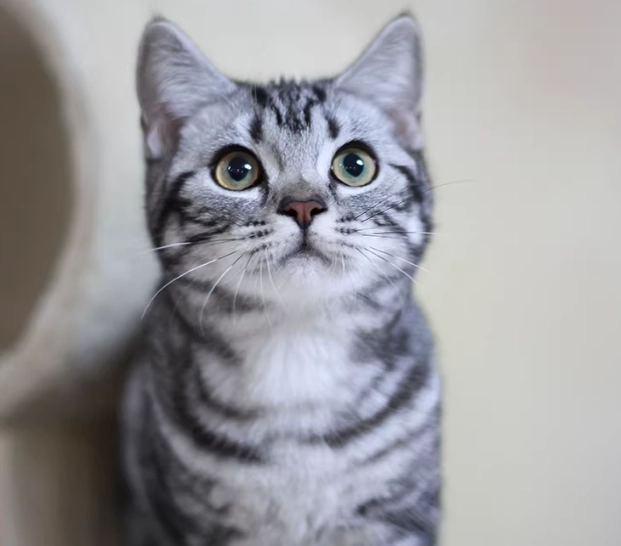
Living With a Tabby: Final Thoughts
At the end of the day, choosing a cat is about connection. You might walk into a shelter intending to get a sleek black cat and walk out smitten with a boisterous classic tabby kitten. Or you might spend years researching the perfect Bengal breeder. Both paths are valid.
The beauty of tabby cat breeds and tabby cats in general is their incredible diversity. They offer a look that connects our domestic friends to their wild ancestors – a little bit of the jungle in your living room, whether that jungle is a sprawling cat tree or the back of your sofa.
Do your homework on breed temperament. Meet cats in person if you can. And remember, that beautiful pattern is just the wrapping paper. The real gift is the unique, quirky, loving personality inside.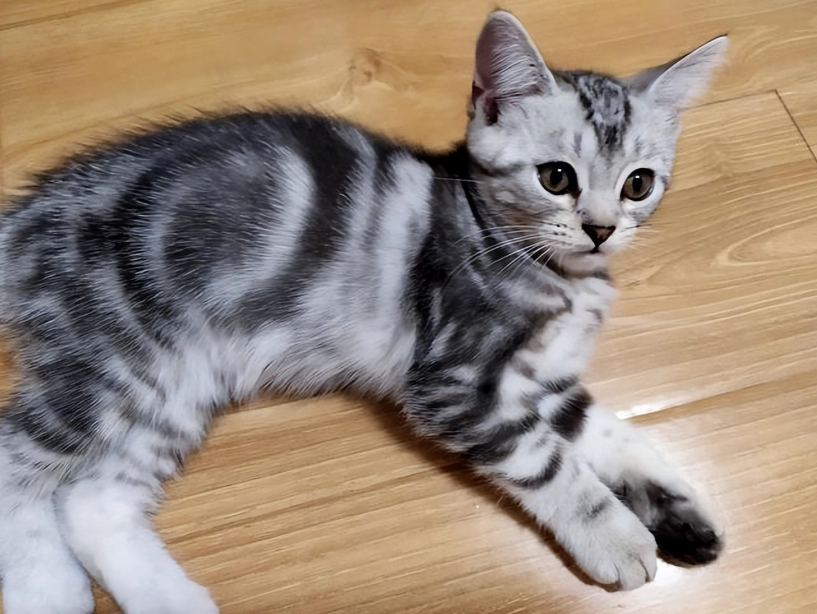
Good luck finding your perfect striped, spotted, swirled, or ticked companion.