Quick Guide
So you've fallen for a white tuxedo cat. Maybe you saw one online, all dressed up in its natural finery, or perhaps you just brought one home from the shelter and you're wondering what you've gotten yourself into. I get it. There's something undeniably charming about that classic black-and-white formal wear, especially when the "shirt" is a crisp, clean white. But what's behind that adorable exterior?
Let's be clear right from the start: a white tuxedo cat isn't a specific breed. That's the first thing to wrap your head around. You can find this stunning coat pattern in everything from a common Domestic Shorthair to a fancy Persian. It's all about the markings. Think of it as a feline in a permanent little suit, ready for a gala event in your living room. The term "tuxedo" generally means a cat with a solid black coat and white patches on the chest, paws, and sometimes the face. But the white tuxedo cat variation turns that on its head – here, the base color is predominantly white, with black neatly confined to the back, tail, and maybe a cute cap on the head, like a sleek saddle or a jacket. The contrast is just spectacular.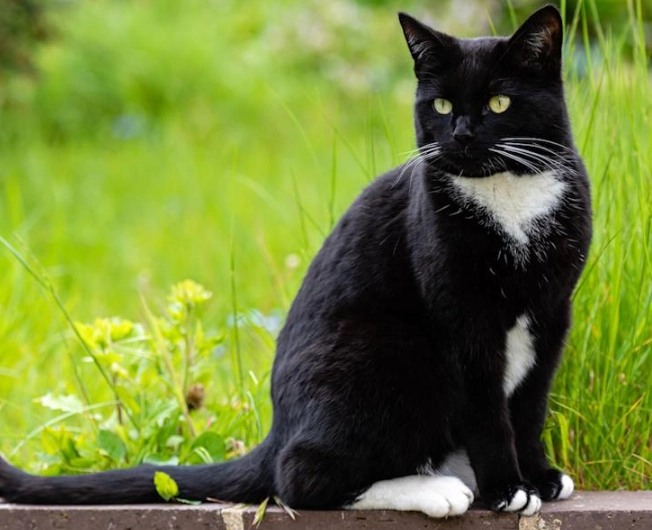
I remember when my friend got her white tuxedo cat, Milo. He was a tiny ball of fluff with a perfect black "backpack" and four white socks. She was convinced he was the fanciest creature on the planet. And in many ways, he acts like it. But is there any truth to the personality stereotypes? Do they really have that famous tuxedo cat personality people talk about? We're going to dig into all of that, plus the real stuff you need to know: health, grooming that white fur, and whether they're actually as clever as everyone says.
What Exactly Is a White Tuxedo Cat? Genetics & Looks
Alright, let's get a bit science-y for a minute, but I'll keep it painless. The classic tuxedo pattern is caused by a piebald or white spotting gene. This gene interferes with the migration of color cells as the kitten develops in the womb. Where the cells make it, you get color (black, in this case). Where they don't, you get white.
In a standard tuxedo, the white is the "spotting" – the chest bib, the paw tips, the belly. In a white tuxedo cat, the effect is more extreme. The white spotting gene is expressed so strongly that white becomes the dominant color. The black is then limited to specific areas, commonly forming what looks like a black cape over the shoulders and back, a black tail, and sometimes a black mask on the face. It's not a perfect science, which is why every one is unique. You might get one with a black tail and a single black ear spot. It's a genetic lottery.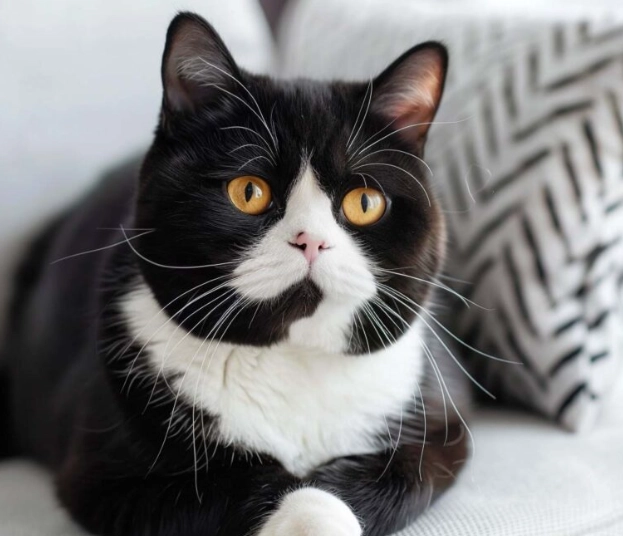
To understand the variety, here’s a quick breakdown of common white tuxedo markings:
| Marking Name | Description | How Common? |
|---|---|---|
| The Saddle | A solid black patch covering the back from shoulders to mid-back, like a saddle on a white horse. | Very Common |
| The Cap & Saddle | Black on the head (ears and maybe forehead) and a saddle on the back. The classic "tuxedo" look. | Common |
| The Tailcoat | Just the tail is fully black, with a pristine white body. Looks incredibly elegant. | Less Common |
| The Mask & Mantle | A black mask on the face combined with a black cloak over the shoulders. | Fairly Common |
One thing I feel I have to mention: there's a lot of myth online about tuxedo cats being only male or only female. That's simply not true. The piebald gene isn't sex-linked. You can find male and female white tuxedo cats in equal measure. The confusion might come from another, rarer condition like calico, which is linked to the X chromosome.
The Real Personality: Are They Truly Different?
Here's where it gets fun, and where I need to be a bit of a myth-buster. You'll find countless articles and forum posts claiming tuxedo cats are more intelligent, more dog-like, more affectionate. Some even call them the "comedians" of the cat world.
Is there any hard, scientific evidence linking coat color to personality? Not really. The American Society for the Prevention of Cruelty to Animals (ASPCA) and most behavioral experts will tell you that a cat's personality is shaped by a mix of breed tendencies, individual genetics, and, most importantly, early life experiences and socialization.
But.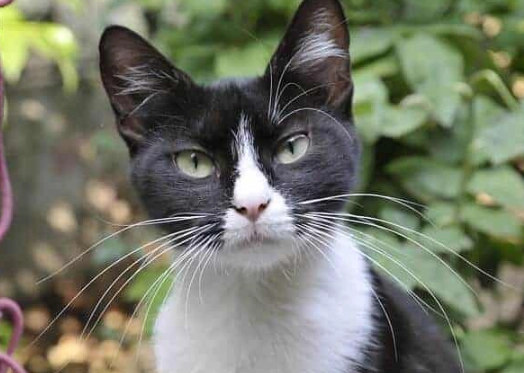
There's a reason the stereotype persists. In my own experience volunteering at a shelter, and from talking to dozens of owners, there does seem to be a trend. Not a rule, but a trend. Many owners of white tuxedo cats describe them as:
- Confident and Social: They often seem to carry themselves with a certain poise. They're frequently the first to greet visitors in a multi-cat home.
- Playful and Inquisitive: That "high intelligence" label might just be a high level of curiosity. They like to figure things out – how doors work, where that sound is coming from, what's in that shopping bag.
- Vocal in a Charming Way: Not necessarily loud, but communicative. They might chirp at birds, trill when you pet them, or have specific meows for food versus attention.
I think part of the "smart" reputation comes from their problem-solving antics. A friend's white tuxedo cat, for instance, learned how to open the lever-style door handles in her house. It wasn't magic; he just watched her do it, jumped up, and hung his weight on the handle until it clicked. Persistence plus observation. Is that intelligence or just stubborn curiosity? Either way, it keeps life interesting.
On the flip side, I've met a few white tuxedo cats that were total couch potatoes, shy with strangers. So it's a spectrum. The coat is just the wrapping paper; the personality inside is always a surprise.
White Tuxedo Cat Care: The Nitty-Gritty You Need to Know
This is the practical part, the stuff that really matters when you share your home with one of these sharply dressed felines. Caring for a white tuxedo cat has some unique aspects, primarily centered around that gorgeous white fur.
Grooming: Keeping the "White" in White Tuxedo
Let's not sugarcoat it: white fur shows everything. Dirt, dust, litter box crumbs, even a slight tinge of yellow if they have certain eye discharge. A white tuxedo cat requires a bit more vigilance in the grooming department than a solid black cat.
- Regular Brushing: This is non-negotiable. It removes dirt before it gets ground in, distributes skin oils, and prevents mats (especially in long-haired tuxedos). Aim for 2-3 times a week. A slicker brush or a fine-toothed comb works wonders.
- Bathing (Occasionally): Most cats hate baths, and you shouldn't do it often. But once every few months, or if they get into something particularly messy, a bath with a cat-specific shampoo can keep that white coat bright. Never use human shampoo – it's too harsh for their skin.
- Eye & Tear Stain Care: Some cats have more eye discharge than others. If it sits on white fur, it can cause reddish-brown staining. Gently wipe the corner of their eyes daily with a soft, damp cloth. For stubborn stains, ask your vet for a safe product.
- Paw Check: White paws will show dirt from the litter box. Using a high-quality, low-dust, clumping litter helps immensely. You can also give the paws a quick wipe with a pet-safe grooming wipe if needed.
Honestly, the grooming isn't a huge burden. It becomes a nice bonding ritual. My friend with Milo says his brushing time is his absolute favorite – he purrs like a motorboat.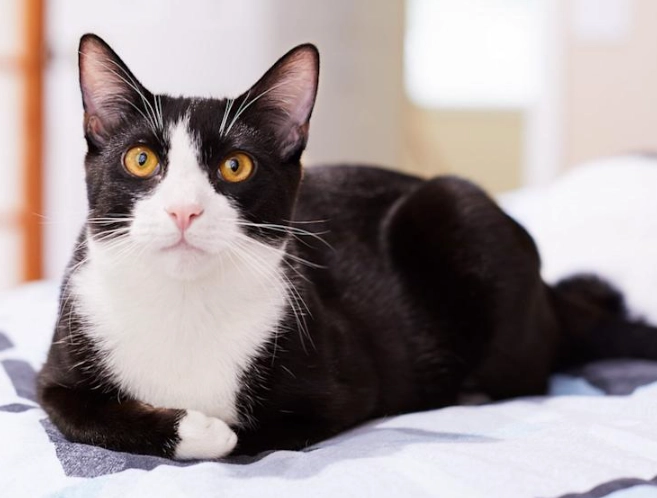
Health Considerations: Beyond the Coat
Again, coat color itself doesn't cause diseases. However, the genetics behind the white fur can sometimes be linked to other traits. The main thing to be aware of with any predominantly white cat is hearing.
The gene that causes extensive white spotting (the piebald gene) is different from the gene that causes pure white coats and blue eyes (the dominant white gene, often linked to deafness). However, a white tuxedo cat with a lot of white on the head, especially around the ears, and with blue eyes, may have a slightly higher statistical chance of being deaf in one or both ears. This is a well-documented phenomenon. The Veterinary Information Network (VIN) has detailed peer-reviewed articles on congenital deafness in white cats.
Other health issues are entirely dependent on their breed mix. A tuxedo cat that's a Maine Coon mix may be predisposed to certain heart conditions. A Persian mix might have breathing issues. The best thing you can do is get a baseline from your vet and maintain regular check-ups. Sunburn is another minor consideration for the white parts of their skin, so if they love sunbathing by a window, just be mindful during peak hours.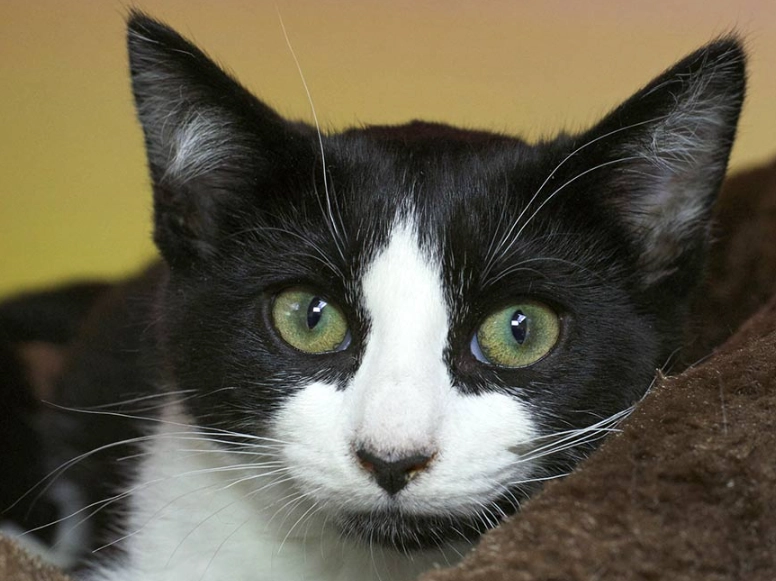
Diet & Nutrition: Fuel for Fancy Antics
No special diet here either. Feed them high-quality cat food appropriate for their age (kitten, adult, senior), activity level, and any health requirements. The goal is to keep them at a healthy weight to avoid joint issues and diabetes. Because they can be active and playful, ensuring they get enough protein is key. Always provide fresh water. Some cats are picky; you might need to experiment with wet food, dry food, or a combination.
I've seen some forums suggest certain foods help keep white coats bright. There's no magic food. A healthy cat with a good diet will have healthy skin and fur. Omega fatty acid supplements (fish oil) can promote a shiny coat, but always consult your vet first.
Finding Your White Tuxedo Cat: Adoption vs. Breeder
This is a big decision. The vast, vast majority of white tuxedo cats are not purebred. They are wonderful mixed-breed cats waiting in shelters and rescues. Adoption should always be your first port of call.
Visit local shelters and check Petfinder.com. You can often search by coat color. Be patient; the perfect white tuxedo cat might not be there on your first visit. Talk to the shelter staff about the cat's known personality – they live with them daily and can give you the inside scoop.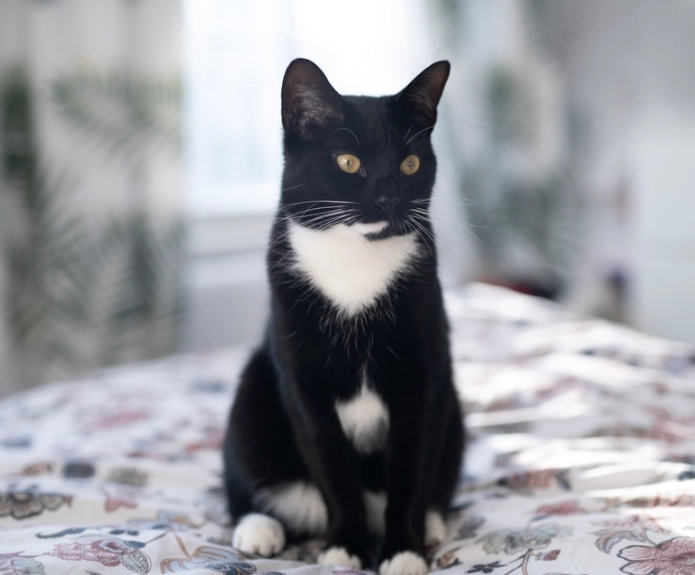
If you have your heart set on a specific purebred cat that also comes in the tuxedo pattern (like a British Shorthair or a Ragdoll), then you need to find a reputable, ethical breeder. This is crucial. A good breeder:
- Health tests their breeding cats for genetic disorders common to the breed.
- Raises kittens in their home, surrounded by human interaction.
- Is transparent, invites you to visit, and asks you as many questions as you ask them.
- Has a contract that guarantees they will take the cat back at any point in its life if you can't keep it.
Be prepared for a long waitlist and a high cost. And remember, even with a purebred, the exact placement of the tuxedo markings is never guaranteed.
Quick Adoption Checklist
- Visit multiple shelters/rescues.
- Ask to interact with the cat in a quiet room.
- Inquire about known history, health, and temperament.
- Ensure they provide medical records (vaccinations, spay/neuter).
- Prepare your home before bringing them back (litter box, food, water, safe hiding spots).
Living Together: Tips for a Happy Home
You've got your cat. Now what? Integrating a white tuxedo cat into your home follows the same rules as any cat, but with a few style points.
Start Slow: Give them a single, quiet room (like a bathroom or spare bedroom) for the first few days. Let them get used to the sounds and smells of your house from a safe base. This is extra important for a shy cat.
Enrichment is Key: These are often curious cats. Boredom can lead to mischief. Provide vertical space (cat trees, shelves), scratching posts (both horizontal and vertical), puzzle feeders, and a variety of toys. Rotate toys to keep them interesting.
Litter Box Wisdom: The rule is one box per cat, plus one extra. Keep them clean, in quiet but accessible locations, and use a litter they like. A white-tuxedoed cat with dirty paws will let you know quickly if the box isn't up to their standards!
Indoors Only, Please: This is my strong personal opinion, backed by vets and organizations like the American Veterinary Medical Association (AVMA). Indoor cats live significantly longer, safer lives. They aren't exposed to traffic, predators, diseases, or cruel people. If they crave the outdoors, build a secure catio or train them to walk on a harness and leash. That white coat is a beacon in the dark and can make them an easy target.
One last quirky tip: get a dark-colored blanket for your favorite couch or chair. It creates a stunning contrast when your white tuxedo cat curls up on it for a nap, and it hides the cat hair a bit better between vacuuming!
Your White Tuxedo Cat Questions, Answered
I've scoured forums, talked to vets, and asked owners. Here are the most common questions people have about these cats.
Are white tuxedo cats rare?
Not particularly. The bicolor (black and white) pattern is one of the most common. The specific "white with black saddle" version might be less common than the "black with white bib" version, but you can still find them fairly easily in shelters.
How long do white tuxedo cats live?
There's no lifespan tied to the coat. A healthy, indoor-only mixed-breed cat typically lives 12-18 years, sometimes into their early 20s. Genetics, diet, and preventive healthcare are the biggest factors.
Do they shed a lot?
Shedding depends on their breed mix and whether they have short or long hair. The white hair will, of course, be very visible on dark furniture and clothes. Regular brushing is the best way to manage shedding and reduce hairballs.
Are they good with kids and other pets?
This is 100% about the individual cat's personality and socialization. A well-socialized tuxedo cat raised with kindness can be fantastic with gentle children and other pets. Always supervise early interactions and teach children how to properly handle and respect a cat.
What should I name my white tuxedo cat?
Half the fun! People often go for classy or contrasting names. Think formal: Felix, Winston, Duchess, Eliza. Or think of the contrast: Oreo, Penguin, Domino, Salt (with a Pepper sibling!). Mine would probably be called something ridiculous like "Sir Floofs-a-Lot."
Bringing a white tuxedo cat into your life means welcoming a unique individual with a striking appearance. They might be a goofy genius who learns tricks, a serene lap warmer who purrs at your touch, or a little bit of both. The care they need is straightforward, with just a little extra attention paid to keeping that white fur looking its best. Whether you find yours in a shelter or through a breeder, the journey is worth it. You're not just getting a pet; you're getting a lifelong, elegantly dressed companion who will undoubtedly leave white hairs on all your black clothes and own a huge piece of your heart.
Just ask Milo's owner. She wouldn't trade him for any other cat in the world, suit and all.