Quick Guide
- What’s a Singapura Cat Really Like? Beyond the “Kucinta” Hype
- Is a Singapura Cat the Right Pet for Singapore?
- How to Get a Singapura Cat in Singapore: Adoption vs. Responsible Breeding
- The Real Cost of a Singapura Cat in Singapore
- Daily Life with a Singapura: Care, Health, and Singapore-Specific Tips
- Common Questions About Singapura Cats in Singapore (FAQs)
You’ve probably seen them around. Maybe in a fancy condo lobby, or curled up on a windowsill in a Tiong Bahru shophouse. Tiny, big-eyed, with that distinctive ticked coat that shimmers like old sand. That’s the Singapura cat. Singapore’s very own, supposedly. The name itself means "Singapore" in Malay. It feels almost patriotic to talk about them here. But here’s the thing – living with a Singapura cat in Singapore is a unique experience, and it’s not all just about their adorable, miniature size. If you’re thinking of getting one, or you just got one and are scrambling for local advice, this is the guide I wish I had when I first got curious about these little creatures.
Let’s get one common question out of the way immediately. Are they actually from Singapore? The story goes they were found in the drain canals of Singapore in the 1970s and brought to the US, where they were developed into a formal breed. Some debate that, sure. But walking around neighborhoods like Bukit Merah, you can sometimes spot similar-looking local cats, which adds a layer of charming mystery to the whole thing. It makes owning one here feel a bit special, like you’re keeping a living, purring piece of local feline heritage. Or at least, that’s the romantic way to look at it.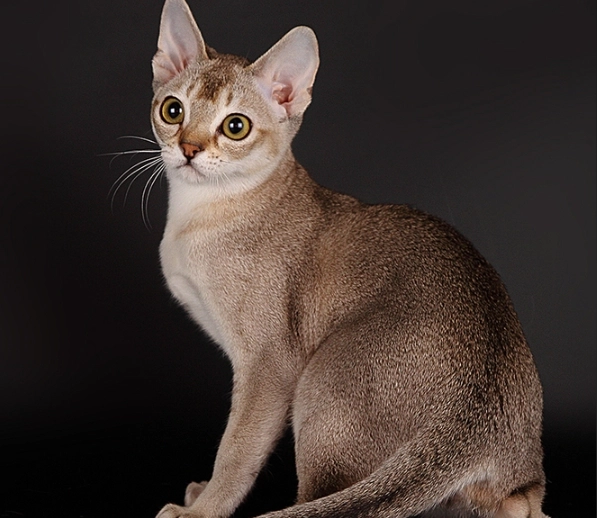
What’s a Singapura Cat Really Like? Beyond the “Kucinta” Hype
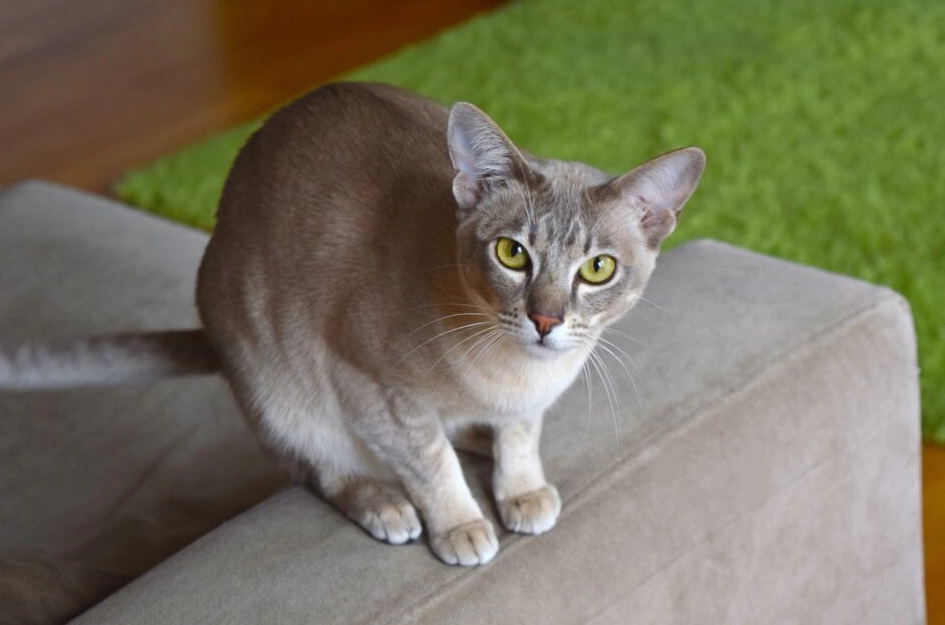
Everyone knows they’re small. I mean, really small. An average female might weigh only 2kg. They’re often called “tiny ticks” because of their coat pattern – each hair has alternating bands of light and dark coloring, with no distinct stripes or spots. The accepted color is sepia agouti, which is a fancy way of saying a warm, ivory ground color with dark brown ticking. It’s beautiful in the Singapore sun.
But is that tiny size all there is to them? Not even close.
Their personality is huge. They are famously curious and playful well into adulthood. Don’t expect a lazy lap cat (at least not all the time). They want to be involved in everything you do. Cooking? They’ll supervise from the kitchen counter. Working on your laptop? They’ll find a way to sit on the keyboard. I’ve heard from owners that their Singapuras are almost dog-like in their attachment, following them from room to room.
They’re also known for being remarkably affectionate and gentle. They tend to get along with considerate children, other cats, and even cat-friendly dogs. Their voice is often described as soft and chirpy, not the loud yowling some breeds are known for – a bonus in HDB living. However, that sensitivity means they can be a bit sensitive to loud, chaotic environments. A constantly shouting household might stress them out.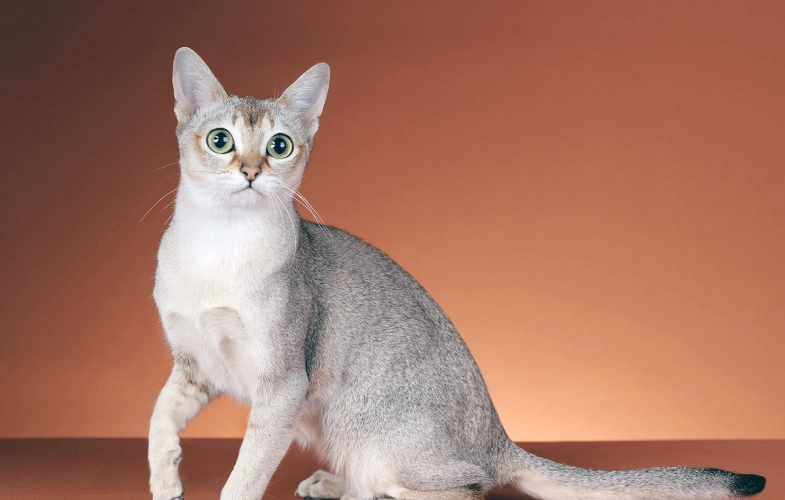
So, what are the main characteristics?
- Size: Extremely small. Males might reach 3kg, females often stay around 2kg.
- Coat: Short, fine, and close-lying. The ticked pattern is its signature.
- Eyes: Large, almond-shaped, and can range from hazel to green.
- Energy Level: Moderately high. They have bursts of playful energy but also enjoy cuddling.
- Affection Level: Very high. They are velcro cats who form strong bonds.
Is a Singapura Cat the Right Pet for Singapore?
This is the million-dollar question. Singapore’s environment – urban, dense, often hot and humid – presents specific challenges and advantages for pet ownership.
The Good: Why They Can Thrive Here
First, their size is a massive advantage. In a typical HDB flat or a compact condo, a large, active breed might feel cooped up. A Singapura cat can turn a small studio into a fun playground. They don’t need vast spaces to run; vertical space is more important to them. A tall cat tree by the window is like a skyscraper to a Singapura.
Their short coat is another win for Singapore’s climate. They don’t have a thick undercoat that will make them overheat easily. Grooming is a breeze – a quick weekly brush is usually enough to remove loose hair. You won’t be battling mats and tangles in 90% humidity.
Their generally quiet and adaptable nature suits apartment living well. They’re less likely to cause noise complaints with loud vocalizations.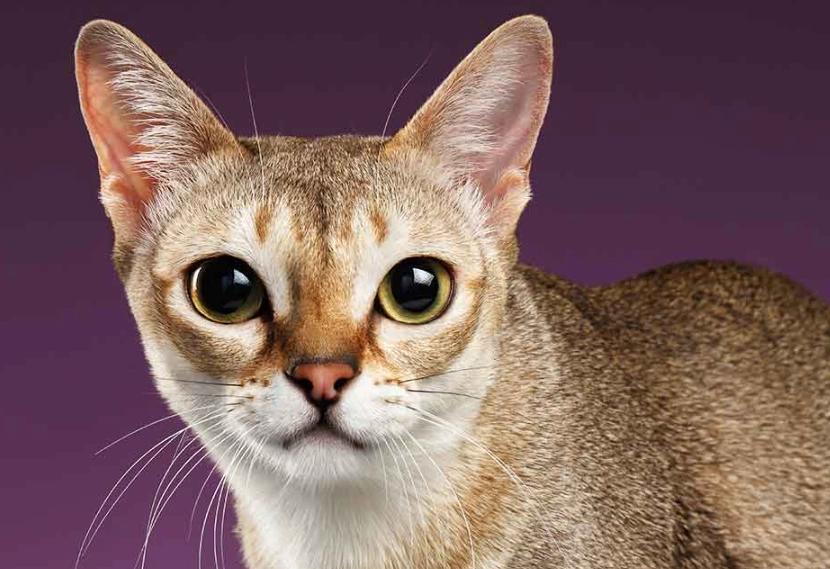
The Challenges: Things You Must Consider
Now, the other side of the coin. Their curiosity and intelligence can be a double-edged sword. A bored Singapura in a small space might turn to mischief. You need to provide plenty of interactive toys, puzzle feeders, and regular play sessions. Think of them as a smart, energetic companion who needs mental stimulation.
Their small size makes them more… fragile. This is crucial if you have very young children who might not understand how to handle a delicate animal gently. It’s also a safety concern with things like heavy doors, high falls from furniture (though they are agile), and even other larger pets.
Perhaps the biggest practical challenge in Singapore is availability and cost. As a relatively rare and recognized pedigree breed, finding a Singapura cat in Singapore from a responsible source is not like picking up supplies from the supermarket.
How to Get a Singapura Cat in Singapore: Adoption vs. Responsible Breeding
This is where your journey truly begins. You have two main paths, each with its own philosophy and process.
Option 1: Adoption and Rescue
Can you adopt a purebred Singapura cat in Singapore? It’s rare, but not impossible. Sometimes, breed-specific rescues or general cat welfare groups might have a Singapura or a mix that strongly resembles one who needs a home. The reasons vary – an owner passed away, moved overseas, or had a change in life circumstances.
Where to look:
- Cat Welfare Society (CWS): They are the leading cat rescue organization in Singapore. While they rarely have purebreds, it’s always worth checking their adoption listings. The process is thorough, involving an application, home visit, and adoption fee that covers sterilization, vaccinations, and microchipping. This is a fantastic way to give any cat a home, even if it’s not a pedigree Singapura. You can visit their adoption page at catwelfare.org/adopt.
- SPCA Singapore: Similar to CWS, they occasionally have cats of specific breeds or mixes. Their adoption drive is also rigorous and responsible.
- Facebook Groups: Groups like "Adopt Cats Singapore" or "Singapore Cat Adoption" sometimes post about cats in need. Always practice caution and verify the legitimacy of the poster.
The pros of adoption are immense: you’re saving a life, the costs are significantly lower than buying from a breeder, and the cat is usually already sterilized and vaccinated. The con is that finding a specific, purebred kitten this way requires immense patience and luck.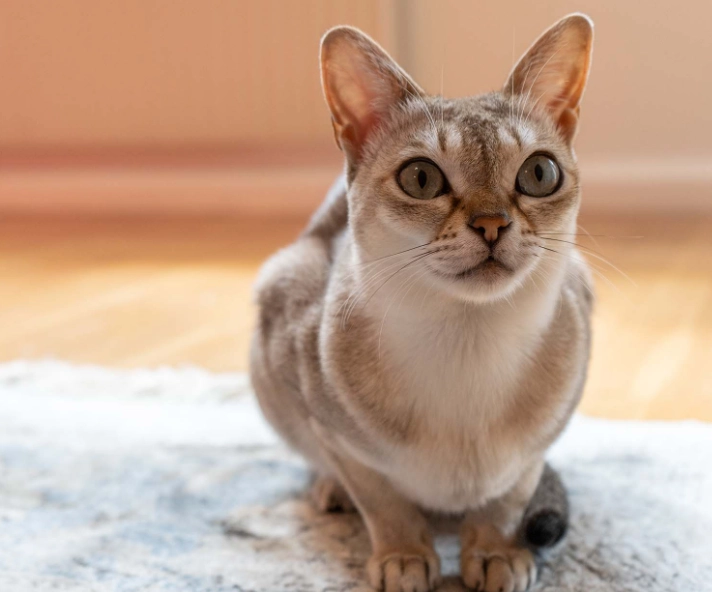
Option 2: Responsible Breeding
This is the more likely route if you have your heart set on a Singapura kitten. The keyword here is responsible.
A responsible breeder in Singapore (or one you might import from) will:
- Be registered with a recognized cat registry, like The International Cat Association (TICA) or the Cat Fanciers' Association (CFA).
- Breed for health and temperament first, not just looks or quantity.
- Perform genetic health screening on their breeding cats for known issues (like Pyruvate Kinase Deficiency, a rare blood disorder that can affect the breed). They should show you the certificates.
- Raise kittens in their home, not in cages, with plenty of human interaction.
- Ask you as many questions as you ask them. They will want to ensure you are a suitable home.
- Provide a contract that includes a health guarantee and requires you to sterilize the kitten if not already done.
- Will be a resource for you for the cat’s entire life, willing to answer questions and take the cat back if you ever cannot keep it.
In Singapore, the community of Singapura breeders is small. A good starting point is to look for registered breeders through the Singapore Cat Club (SCCS), which is affiliated with TICA. Attending a local cat show (when they are held) can also be a way to meet breeders in person and see the cats. Expect a waiting list. Expect to pay a significant sum, easily ranging from SGD $2,500 to $4,000 or more for a pet-quality kitten. Show-quality cats are even more.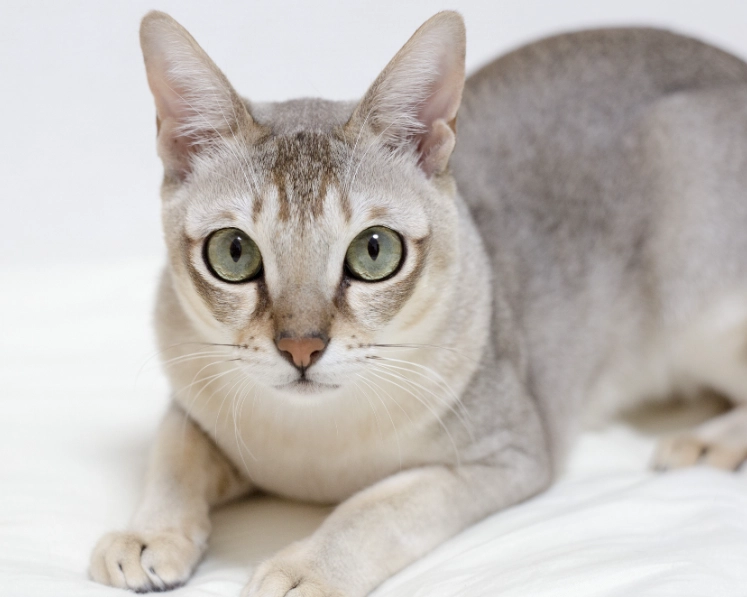
Let’s break down the two options clearly:
| Aspect | Adoption/Rescue | Responsible Breeder |
|---|---|---|
| Primary Goal | Rehoming a cat in need. | Preserving and improving a specific breed. |
| Cost | Low (Adoption fee, usually $100-$250). | Very High ($2,500+). |
| Cat's Age | Often adults or older kittens. | Usually kittens (8-16 weeks old). |
| Health History | Varies; usually basic vet work done. | Detailed; includes genetic screening of parents. |
| Known Background | Usually not. | Yes. |
| Wait Time | Depends on availability. | Often long (months). |
The Real Cost of a Singapura Cat in Singapore
Let’s talk money, because it’s a major factor. The initial purchase or adoption fee is just the beginning. Here’s a breakdown of what you’re looking at to responsibly care for a Singapura cat in Singapore.
- Initial Costs (One-Time):
- Cat/Kitten: Adoption fee ($150) or Breeder price ($2,500+).
- Sterilization (if not included): $150 - $300.
- Microchipping & Registration: ~$50-$80. It's mandatory in Singapore to microchip and license your pet with the Animal & Veterinary Service (AVS). You can find info on their official website.
- Essential Supplies: Carrier ($80), litter box & litter ($50), scratching posts ($60), bed, bowls, initial toys ($100). A good cat tree (crucial for vertical space) can be $150-$300.
- Initial Vet Check-up: $80-$150.
- Recurring Annual Costs:
- High-Quality Food (Wet & Dry): $50 - $100 per month ($600-$1200/year). Their small size means they eat less than a big cat, but quality matters.
- Cat Litter: $30-$50 per month ($360-$600/year).
- Annual Vet Check-up & Vaccinations: $150-$300.
- Parasite Prevention (Flea/Tick/Heartworm): $150-$250/year.
- Pet Insurance: Highly recommended. Plans can start from $300/year and can save thousands in an emergency.
- Toys & Treats: $100-$200/year.
- Grooming Supplies: $50/year (minimal for short hair).
- Emergency Fund: You should have at least $1,000 - $2,000 set aside for unexpected illnesses or accidents. A major surgery can cost $3,000-$5,000+ easily.
So, realistically, you’re looking at a minimum of $1,500+ in the first year for an adopted cat (excluding emergency fund), and $3,000+ for one from a breeder, followed by $1,500-$2,500+ per year thereafter. It’s a significant, long-term financial commitment.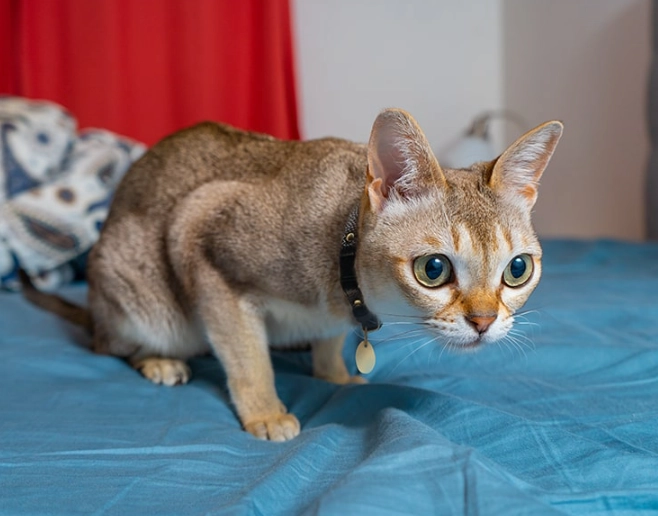
Daily Life with a Singapura: Care, Health, and Singapore-Specific Tips
Okay, you’ve brought your tiny companion home. Now what?
Diet and Nutrition
Because they are small, their metabolism can be quite high. They often do better with multiple small meals a day rather than one or two large ones. I’m a big advocate for incorporating high-quality wet food into their diet. It provides hydration, which is crucial, especially in our air-conditioned or dehumidified homes. Dry kibble is fine as a supplement or for free-feeding, but shouldn’t be the sole diet. Look for foods with real meat as the first ingredient. Avoid fillers like corn and wheat.
Grooming
Easy peasy. A quick brush once a week with a soft bristle brush or grooming glove is enough to remove dead hair and distribute skin oils. Trim their claws every 2-3 weeks. Check their ears occasionally for wax. Brush their teeth regularly – yes, really. Dental disease is a common issue in cats. Start young to get them used to it.
Health Considerations
Singapuras are generally a healthy, robust breed. However, a responsible breeder will screen for:
- Pyruvate Kinase Deficiency (PKD): A genetic condition causing anemia. Reputable breeders test for this.
- Uterine Inertia: Some lines may have issues with queens giving birth naturally. This is a breeder’s concern, not an owner’s, if you spay your pet.
As with all cats, watch for common issues like urinary tract infections, dental disease, and obesity (though less common in this active breed). Annual vet check-ups are non-negotiable.
Singapore-Specific Living Tips
- Window Safety: This is rule #1. Singaporeans love open windows for ventilation. You must install secure, sturdy window grilles or mesh screens (like the ‘invisible grilles’). Cats, especially curious ones like Singapuras, can and do fall from high floors. It’s tragic and preventable.
- Air Conditioning: They handle heat well, but don’t let your air-con get too cold. A constant blast of 18°C might be uncomfortable. Aim for a comfortable 24-26°C.
- Hydration: Encourage water intake. Consider a cat water fountain, as many cats prefer running water.
- National Parks (NParks) Rules: If you live in an HDB flat, you are allowed to keep one cat per flat under the current pilot program in selected towns. Always check the latest guidelines from NParks for the most current pet ownership rules.
- Vector Control: Keep up with flea prevention year-round. Singapore’s climate is perfect for parasites.
Common Questions About Singapura Cats in Singapore (FAQs)
1. Are Singapura cats hypoallergenic?
No cat is 100% hypoallergenic. Allergies are usually triggered by a protein (Fel d 1) in cat saliva and skin secretions, not just fur. Singapuras have short fur and may groom less obsessively than some breeds, so they might produce fewer allergens. But if you have severe allergies, spend time with one before committing. Don’t rely on the “hypoallergenic” label as a guarantee.
2. How long do they live?
With good care, a Singapura cat can live 12 to 15 years, sometimes longer. It’s a long-term companion.
3. Are they good for first-time cat owners in Singapore?
Yes and no. Their affectionate and generally easy-going nature is great for beginners. However, their high intelligence and energy mean they need more interactive engagement than a more placid breed. A first-time owner must be prepared to play and engage daily. If you want a cat that just sleeps all day, look elsewhere.
4. Can I let my Singapura cat go outside in Singapore?
Absolutely not. Singapore’s urban environment is dangerous for free-roaming cats: traffic, territorial fights with other cats, risk of disease, theft, or cruelty. The Cat Welfare Society strongly advocates for keeping cats indoors (“Cats Indoors” campaign). You can provide a safe, enclosed “catio” or use a harness for supervised exploration on your balcony or in a quiet park, but never allow unsupervised outdoor access.
5. Where can I find a vet experienced with Singapura cats?
Most good general practice vets in Singapore are perfectly capable. Look for a vet with a “cat-friendly” practice (quieter, separate waiting areas from dogs). You don’t necessarily need a breed specialist. Ask for recommendations in local pet owner Facebook groups or from your breeder/rescue organization.
6. What’s the difference between a Singapura and a similar-looking local “Singapore” street cat?
Many local street cats (often called “Singapore Specials”) have the ticked tabby pattern and are small. The main differences in a pedigreed Singapura are the consistency of the sepia agouti color (no stripes), the specific large-eyed, large-eared head structure, and the extremely fine bone structure. More importantly, the pedigree cat comes with a known health history and predictable temperament from generations of selective breeding. The local cat is a unique, wonderful individual, but its background and adult traits are less predictable.