Your Quick Guide
- The Tuxedo Cat Personality: Debunking the "Formal" Myth
- Reading the Feline Fine Print: Body Language is Everything
- The Art of the Purr-fect Pickup: How to Hold a Cat (The Right Way)
- Building a Cuddlier Bond: From Tolerance to Enjoyment
- Common Scenarios & Your Burning Questions Answered
- When the Answer is "No": Loving Your Independent Tuxedo
You see that perfect little gentleman or lady in a fur tuxedo, looking all dignified and composed. It's almost impossible not to want to scoop them up and give them a cuddle. But then you hesitate. Will they appreciate it? Or will you be met with a look of utter disdain and a wriggling escape? That's the million-dollar question for so many tuxedo cat owners and admirers: do tuxedo cats like to be held?
The short, and maybe frustrating, answer is: it depends. Completely. On the cat.
I know, I know. You wanted a definitive yes or no. But with cats, especially when we're talking about personality traits linked to coat color (which is a whole can of worms itself), there are rarely absolutes. The idea that all orange cats are lazy goofballs or all torties are sassy is fun folklore, but it doesn't hold up to individual scrutiny. Your tuxedo cat is a unique individual first, and a wearer of a snazzy black-and-white suit second.
That said, we can dive deep into the factors that influence whether any cat, tuxedo or otherwise, will tolerate or even enjoy being held. We'll look at personality whispers, body language you must learn to read, the right (and terribly wrong) ways to pick them up, and how to build trust so that maybe, just maybe, they'll start purring in your arms.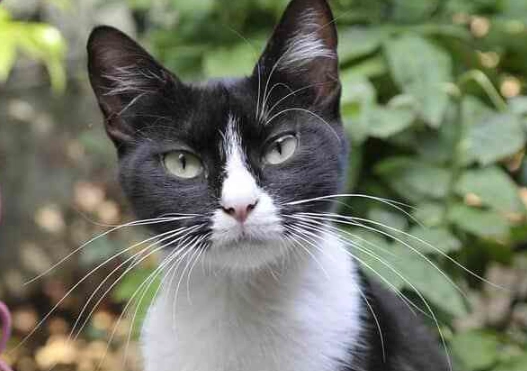
The Tuxedo Cat Personality: Debunking the "Formal" Myth
Let's get this out of the way. There is no scientific evidence that a cat's coat color directly determines its personality. The color is just genetics—specifically, piebald or white-spotting genes that create those crisp white patches on a black background. Their personality is shaped by a much more complex soup of genetics, early socialization, life experiences, and even their daily mood.
So why does the stereotype of the intelligent, quirky, dog-like tuxedo cat persist? It might be a combination of confirmation bias (we notice when they do something clever) and the striking contrast of their coat making their expressions easier to read. Those white whiskers against a black muzzle? Every smirk and twitch is on full display.
When we ask "do tuxedo cats like to be held?", we're often really asking about their perceived personality. And while we can't generalize, we can look at common traits reported by owners that might influence their cuddle preferences.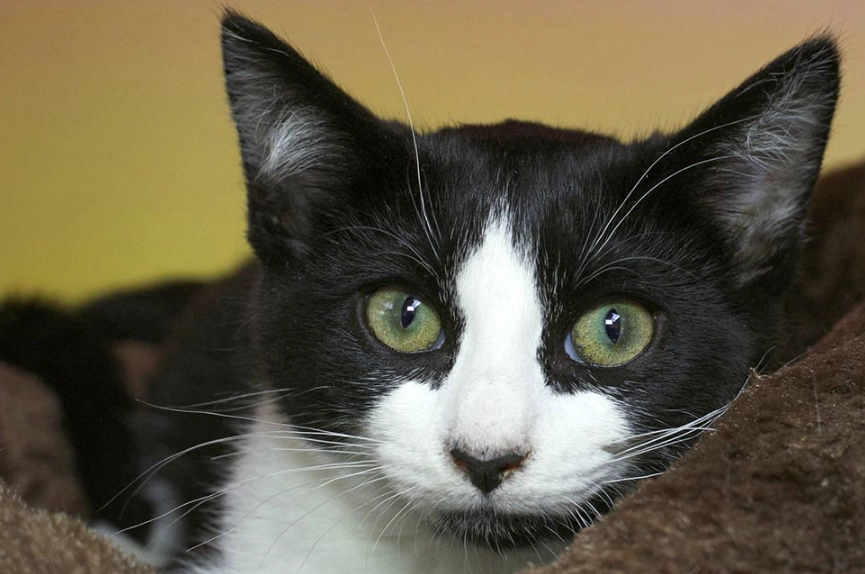
| Commonly Reported Trait | How It Might Affect "Lap Time" |
|---|---|
| Social & People-Oriented | More likely to seek proximity, which can include laps. But seeking proximity isn't the same as enjoying restraint. |
| Intelligent & Curious | May get bored easily. A held cat can't explore. They might enjoy a short cuddle if it's on their terms, then want down. |
| Vocal & Communicative | This is a gift! They'll clearly tell you (with meows, chirps, or body tension) when they've had enough. Listen to them. |
| Playful & Energetic | Kittens and young cats often have too much energy to sit still. They may become more cuddly as they mature. |
| Confident & Assertive | They know what they want. If they want held, they'll let you know. If not, good luck convincing them. |
See the pattern? It's all about control. A social cat might love sitting next to you or on you, but being held removes their option to leave instantly. That's a big deal in the feline world.
Reading the Feline Fine Print: Body Language is Everything
Before you even reach for your cat, you need to become a fluent speaker of Cat. Their body language will scream the answer to "do you like to be held?" long before you lift an inch.
The Green Light: Signs Your Tuxedo Cat Might Be Receptive
- The Slow Blink: The ultimate sign of trust. If they're giving you sleepy, loving blinks from across the room, the mood might be right.
- Head-Butting & Cheek-Rubbing: They're marking you as safe and familiar. This is a great invitation for interaction, though not necessarily for pickup.
- Purring & Kneading: If they're already on your lap doing this, they're in a state of contentment. You might be able to gently adjust them into a held position.
- Relaxed Posture: Lying on their side, belly partially exposed (though touching the belly is a separate negotiation!), eyes half-closed.
- They Approach and Lean: This is a big one. If they walk over and lean their body against your legs or hands, they're seeking contact.
The Red Light: Signs to Back Off Immediately
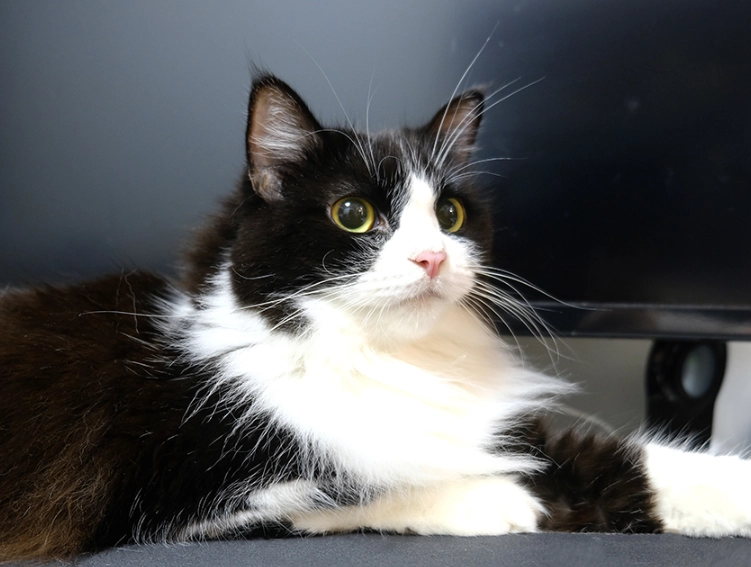
- Twitching or Lashing Tail: This isn't a happy wag. It's a warning sign of irritation or overstimulation.
- Ears Flattened to the Side or Back: Often called "airplane ears." This signals fear, annoyance, or anxiety.
- Dilated Pupils: When not in low light, big pupils can mean they're scared or over-aroused.
- Tense Body, Hunched Shoulders: They look like they're ready to spring away. They are.
- Swiveling Head, Looking for an Exit: They're not engaged with you; they're planning their escape route.
So, do tuxedo cats like to be held? The ones that do will give you the green light. The ones that don't will flash the red. Your job is to watch and learn their specific dialect.
The Art of the Purr-fect Pickup: How to Hold a Cat (The Right Way)
Let's say you've gotten the green light. Your tuxedo cat is purring, rubbing on you, the mood is perfect. Now what? Most people pick cats up in a way that feels inherently insecure to the animal. Imagine being hoisted by your armpits with your legs dangling—you'd hate it too.
Here's a step-by-step method that provides maximum support and makes a cat feel secure, not trapped.
- Approach Calmly: No sudden movements. Speak softly. Let them see and smell your hand first.
- The Two-Hand Foundation: Place one hand under their chest, between their front legs, to support the front half of their body. Your fingers should be able to gently cradle their chest.
- Support the Rear: Immediately use your other hand to scoop up their hind legs and bottom. This is crucial! All their weight should be supported.
- Bring Them Close: Gently lift and bring their body against your chest, so they can lean into you. This feels much safer than being held out in space.
- Optional Cradle: For extra-relaxed cats, you can adjust them into a cradle position in your arms, like a baby, with their back supported along your forearm.
- Let Them Decide the Duration: Keep the first sessions short—maybe 30 seconds to a minute. Before they start to fidget, gently lower them back to a stable surface.
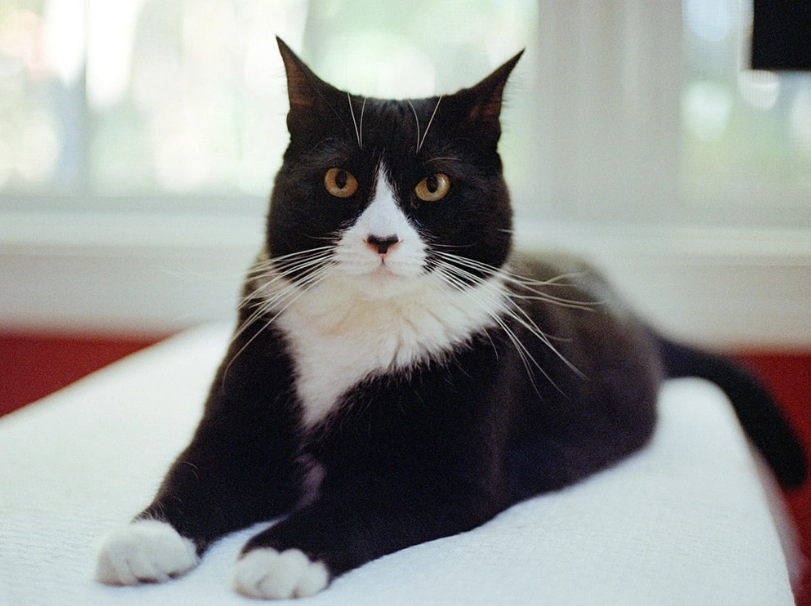
What about cats that go limp or splay their legs out, making them impossible to hold? That's a passive resistance. They're not fighting you, but they're making their body completely uncooperative. It's a very clear "no." Respect it. Put them down.
Building a Cuddlier Bond: From Tolerance to Enjoyment
Maybe your tuxedo cat currently tolerates being held for about 10 seconds before squirming. Can you change that? Sometimes, yes. But you have to move at their pace, not yours.
- Start on Their Level: Don't initiate holds from a standing position looming over them. Sit on the floor. Let them come to you. Pet them while you're both grounded.
- The Lap is a Gateway: Focus on getting them to enjoy sitting on your lap while you're seated. This gives them more control—they can get on and off easily. Use a warm laptop, a cozy blanket, or gentle petting as an incentive.
- Respect the "Off" Switch: Every cat has one. It might be three strokes on the back, or a certain spot being touched. Learn where it is and stop before you hit it. Ending the session on a positive note is key.
- Create Safe Heights: Cats feel vulnerable. If you hold them while standing, it's a long way down. Try holding them while you're sitting on a couch or bed first. The lower fall risk makes them feel safer.
- Never Force It: This can't be overstated. Forcing a hold to "get them used to it" has the opposite effect. It creates negative associations and can make them afraid of your hands.
I think a lot of the anxiety around the question "do tuxedo cats like to be held?" comes from our own human need for physical affection as proof of love. We have to understand that cats show love in dozens of other ways: following you room to room, bringing you "gifts," slow blinking, greeting you at the door. A cat that sleeps at the foot of your bed but doesn't want to be held still loves you. They're just showing it on their terms.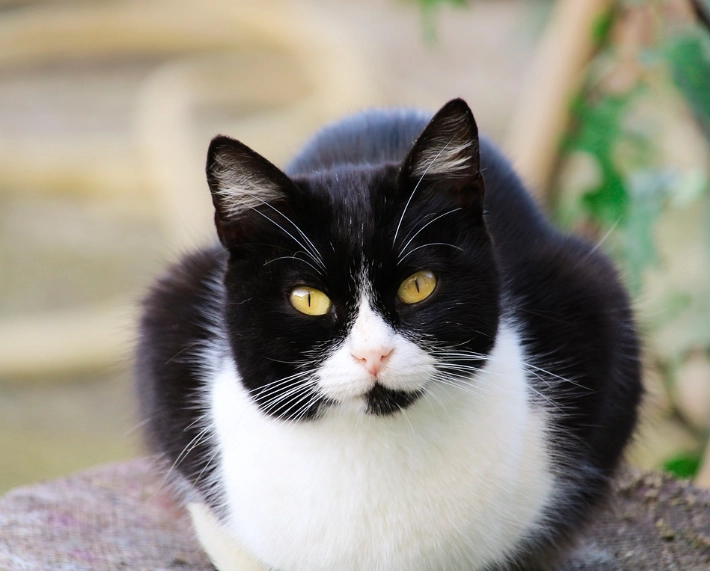
Common Scenarios & Your Burning Questions Answered
Why does my tuxedo kitten not like to be held anymore?
This is classic! Kittens are often more malleable. As they hit adolescence (around 6-18 months), they become more independent, energetic, and focused on exploring their world. That cuddly baby phase can fade. It doesn't mean you did anything wrong. Often, as they mature into adults (3+ years), they mellow out and may become more affectionate again. Patience is key.
My cat likes being held but only by me/my partner. Why?
This is the highest compliment. It means they have incredibly specific trust. It could be related to how you pick them up, your smell, your calm energy, or simply that you're their primary caregiver. Cats aren't always democratic with their affection.
Is it true male tuxedo cats are more affectionate than females?
Another common stereotype. Some studies suggest neutered males can be more easygoing and prone to staying playful (and cuddly) into adulthood, while some females can be more selective. But again, the individual variation is massive. I've known aloof males and velcro females. Don't choose a cat based on this assumption.
What if my cat suddenly hates being held?
Sudden behavior changes are a red flag. Pain is a major cause. Arthritis, an injury, a sore tooth—being held might hurt. The first step is always a vet check to rule out medical issues. If they get a clean bill of health, think about environmental stress: a new pet, a new baby, construction noise. Cats under stress have less tolerance for everything.
Are some cat breeds that often have tuxedo coloring more likely to be lap cats?
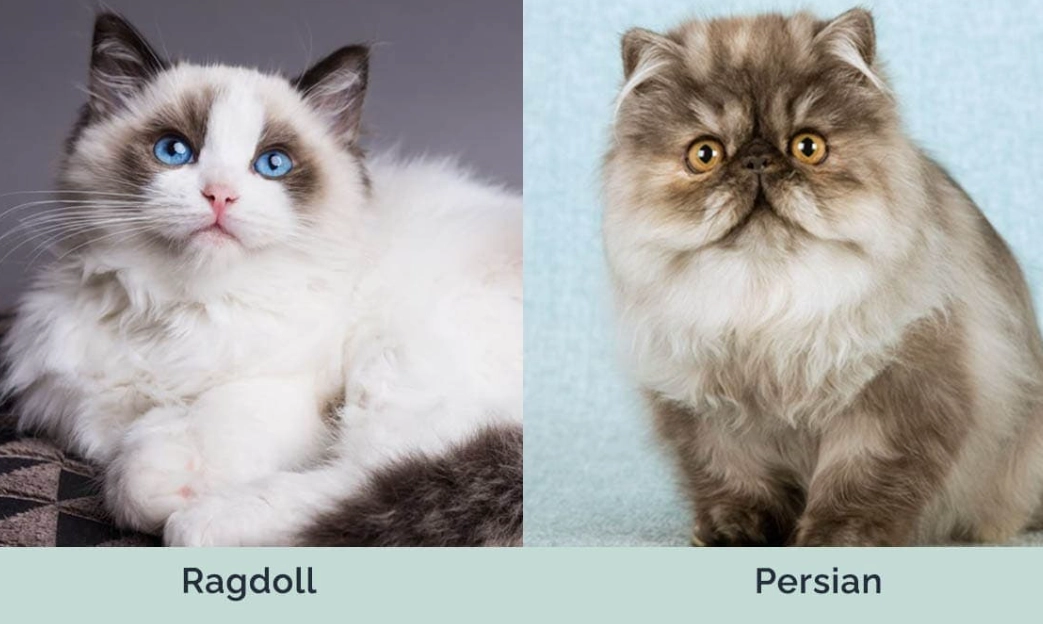
Now this is a more fruitful angle than just coat color. Breeds known for their relaxed, people-oriented personalities might be more predisposed to enjoying cuddles. Many Domestic Shorthairs (the regular house cat) can have tuxedo patterns, and their personalities are a wild card. But if you have a tuxedo-patterned Ragdoll or Maine Coon (breeds famous for their gentle, dog-like demeanors), you might have hit the cuddle jackpot. The breed temperament plays a bigger role than the suit they're wearing.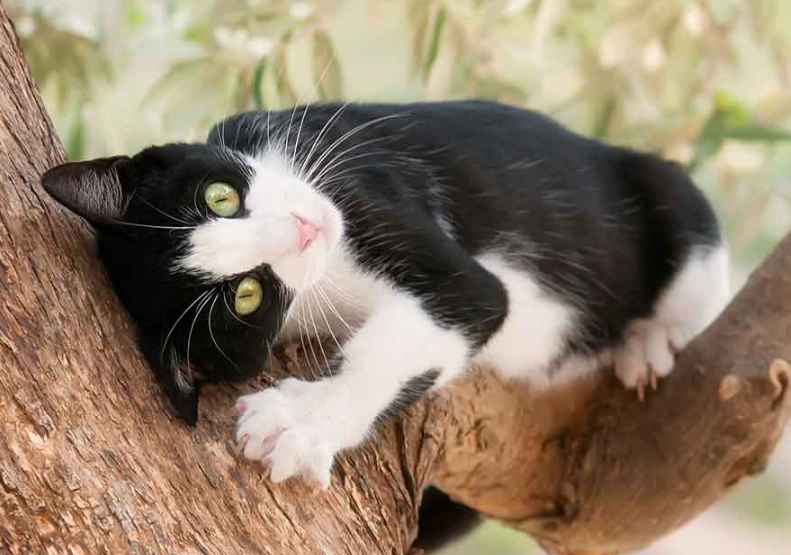
When the Answer is "No": Loving Your Independent Tuxedo
You've tried everything. You read the body language, you support the bum, you use treats. And your tuxedo cat still clearly, unequivocally, does not like to be held. It's okay. It really is.
It doesn't mean they don't love you. It means they have a strong preference for autonomy, which is a very core feline trait. Your relationship just needs to be built on different forms of bonding.
- Interactive Play: This is the number one way to bond with a non-cuddly cat. A daily wand toy session builds trust and burns energy. They associate you with fun, not restraint.
- Clicker Training: Teach them tricks! Target training, high-fives, spins. This engages their brain and builds a communication channel based on positive reinforcement.
- Quality Petting Sessions: Find the spots they love (often under the chin, cheeks, base of the tail) and stick to those. Let them rub on you while you stay still.
- Co-Existing Peacefully: Simply being in the same room, you reading and them napping in a sunbeam, is a form of bonding. You're part of their safe colony.
The Cornell Feline Health Center notes that stress in cats often manifests as avoidance or aggression. A cat that feels forced into interactions it dislikes is a stressed cat. By respecting their boundaries, you're directly contributing to their long-term wellbeing and happiness. That's more important than a forced cuddle. You can explore more about cat behavior and stress signals from resources like Cornell's Feline Health Center.
So, do tuxedo cats like to be held?
Some do, absolutely. They'll melt in your arms and purr like little engines. Some tolerate it briefly on very specific terms. And some would rather you keep your hands to yourself, thank you very much.
The key is to stop seeing it as a test of their love or your worth as a cat parent. See it as just one piece of their complex personality. Your job isn't to make them enjoy being held; your job is to understand them well enough to know if they do or don't, and to love them fiercely either way. That sleek little cat in the tuxedo chose you for a reason. Honor that choice by respecting who they are, not who you wish they were.
Now go give your cat a slow blink from across the room. See if they blink back. That right there? That's love.