You typed that question into Google, didn't you? "Are Angora cats expensive?" It's a smart first question. I remember asking myself the same thing before I got my first fluffy companion. The short, honest answer is yes, they can be. But that single word "expensive" is like an iceberg. You see the tip—the initial price tag—but there's a massive, often surprising chunk of cost lurking beneath the surface that determines whether you can truly afford the commitment.
This isn't just about whether you can scrape together a few hundred or thousand dollars once. It's about your lifestyle, your budget for the next 15+ years, and what you're willing to invest in a living creature that depends entirely on you. We're going to dissect every penny, from the dreamy kitten stage to the dignified senior years. We'll look at buying from breeders, the beautiful option of adoption, and all those sneaky ongoing costs that nobody really talks about until the first vet bill arrives.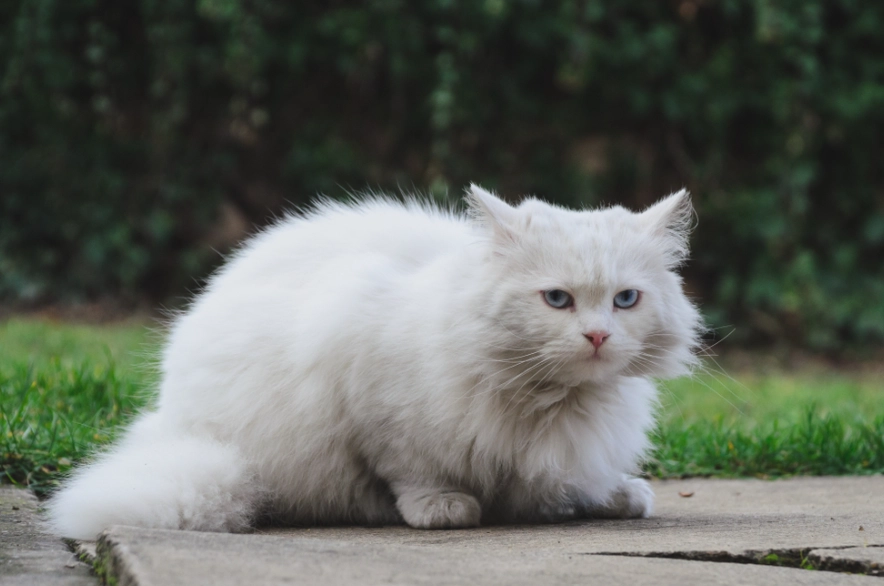
Breaking Down the Initial Sticker Shock: Purchase & Adoption
This is where most people's journey to answer "Are Angora cats expensive?" begins. The number you see advertised. And wow, can that number vary.
The Breeder Route: A Premium Price Tag
Getting an Angora kitten from a reputable breeder is the most costly upfront path. We're not talking about someone on Craigslist with a "purebred" litter. A true, ethical breeder dedicated to the health and standard of the Turkish Angora is a different ballgame. Their prices reflect decades of careful breeding, genetic testing, and early care.
You're typically looking at a range between $800 and $2,500. Sometimes more for a show-quality kitten with exceptional lineage or rare colors (like the all-white, odd-eyed classic). Why the huge range? Let's list the factors:
- Pedigree & Bloodlines: Kittens from champion lines command higher prices. It's simple genetics and prestige.
- Color & Markings: While all colors are accepted, the iconic pure white Turkish Angora often carries a premium, especially with one blue and one amber/green eye.
- Breeder Reputation & Location: A well-known breeder with a long waiting list or one located in a high-cost area will charge more.
- Inclusions: Does the price include initial vaccinations, deworming, microchipping, spay/neuter, and a health guarantee? A higher price that includes all this is often better value than a lower price that leaves you to foot these bills separately.
I once spoke to a breeder who explained her pricing simply: "The sale price of one kitten helps fund the health testing for the entire next litter." That stuck with me. You're not just buying a cat; you're supporting a practice that aims to eliminate genetic diseases.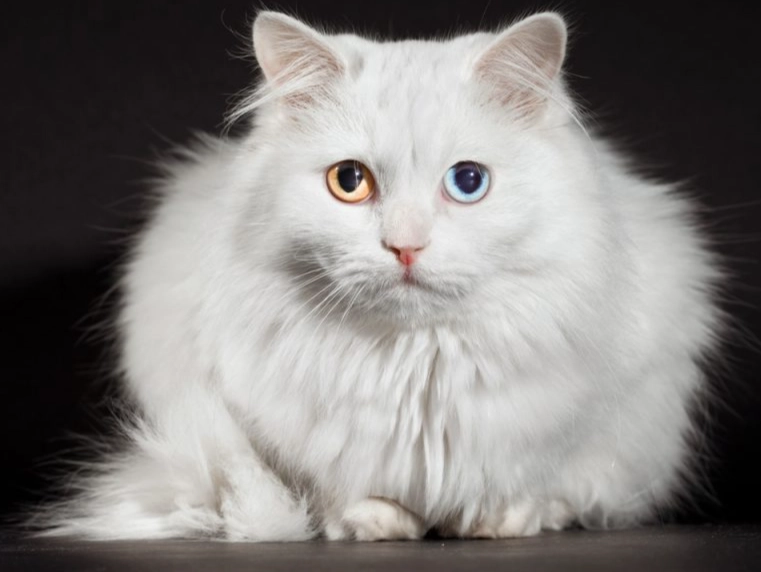
The Adoption Alternative: A Different Kind of Value
Here's where the answer to "Are Angora cats expensive?" gets more heartwarming and affordable. Many Angoras, especially adults or mixes, end up in shelters or breed-specific rescues. Adoption fees are dramatically lower, usually between $75 and $300.
Adopting an adult Angora has hidden financial perks beyond the lower fee. They're often already spayed/neutered, vaccinated, and sometimes even microchipped. You skip the chaotic, sometimes destructive kitten phase (goodbye, shredded curtains!). Their personality is fully formed, so you know exactly what you're getting—a cuddly lap cat or an independent explorer.
Organizations like Petfinder or the International Cat Association (TICA) website sometimes have breeder referral pages that may also list cats in need of rehoming. Checking local shelters consistently is key; purebreds do turn up.
Honestly, adoption is where you find the soul of pet ownership, not just the transaction. The cost is lower, but the value is immense.
The Real Budget Killer: Ongoing & Lifetime Costs
This is the part that catches new owners off guard. The purchase price is a one-time event. The costs below are the recurring subscription to having a healthy, happy Angora. When people wonder, "Are Angora cats expensive?", they often forget to calculate this half of the equation.
Non-Negotiable Health & Wellness
Angoras are generally healthy, but they have predispositions. The Cornell Feline Health Center notes that all cats, including purebreds, benefit from proactive care. For Angoras, this means budgeting for:
| Expense Category | Estimated Annual Cost | Why It's Crucial for Angoras |
|---|---|---|
| High-Quality Food | $300 - $700 | Their active metabolism and luxurious coat need premium protein. Cheap food can lead to dull fur and health issues. |
| Routine Vet Visits (Check-ups, Vaccines) | $200 - $400 | Prevention is cheaper than treatment. Annual exams catch issues early. |
| Grooming Supplies & Potential Professional Grooming | $100 - $300 | That gorgeous semi-long hair mats without regular care. Brushing tools, quality shampoo, and the occasional pro groom are a must. |
| Litter & Supplies | $150 - $300 | They can be picky! You might go through a few brands to find one they like. |
| Pet Insurance OR Emergency Fund Contribution | $300 - $600 (insurance) / $500+ (fund) | This is non-negotiable. Either pay a monthly insurance premium or religiously save into a dedicated savings account. One emergency surgery can cost $3,000+. |
Look at that last row. Pet insurance. I can't stress this enough. When my friend's Angora swallowed a piece of string (a classic cat move), the endoscopy and hospital stay topped $2,800. Her insurance covered 80%. Without it, she'd have been in serious debt or faced an impossible choice. So, are Angora cats expensive? They can be financially devastating if you're unprepared for the unexpected.
The Grooming Time & Money Sink
You don't get that feathery, silky coat for free. While they lack an undercoat (so they're not as prone to matting as Persians), their fine hair tangles easily. You need to commit to brushing at least 2-3 times a week, and daily during shedding seasons.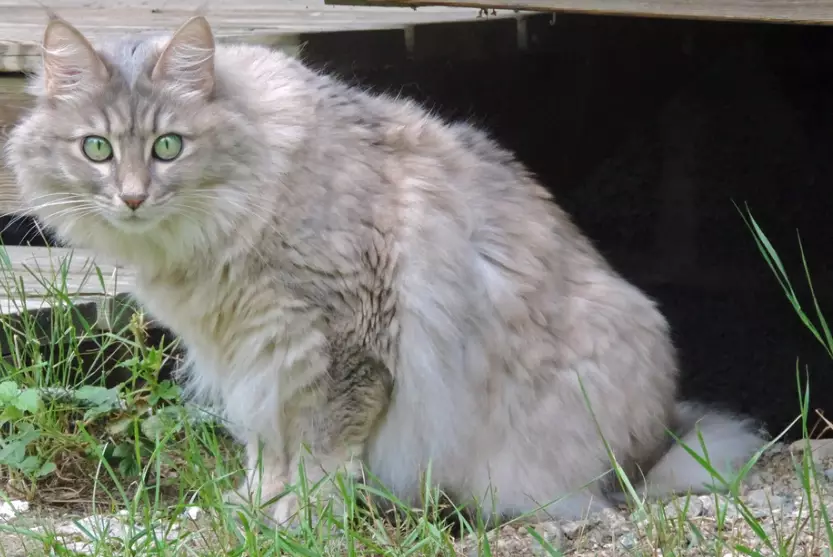
You'll invest in a slicker brush, a fine-toothed comb, and maybe a de-shedding tool. Some owners, especially those with show cats or limited time, opt for professional grooming every few months for a bath, blow-dry, and trim—easily $70-$100 per session.
Neglect grooming, and you're not just looking at a scruffy cat. Mats pull on the skin, cause pain, and can hide skin infections. The vet bill to sedate and shave a severely matted cat is a harsh financial lesson.
Environmental Enrichment (They're Smart!)
Angoras are intelligent, agile, and playful well into adulthood. A bored Angora is a destructive Angora. You'll need to budget for:
- Sturdy, tall cat trees: They love to climb and survey their kingdom. A flimsy tree won't last.
- Interactive toys: Puzzle feeders, wand toys, laser pointers (used responsibly).
- Window perches: Bird-watching is a serious hobby for them.
These aren't frivolous expenses. They're essential for their mental health and for protecting your furniture from becoming their alternative playground.
The "Gotcha" Costs & Long-Term Financial Planning
Beyond the annual budget, there are lumpy, irregular expenses that define the true cost of ownership.
Initial Setup: The First-Day Shopping Spree
Before your cat even comes home, you'll need to drop a few hundred dollars on essentials. This is a one-time(ish) outlay, but it's significant.
| Item | Estimated Cost (Mid-Range Quality) | Notes |
|---|---|---|
| Cat Tree (Large, Sturdy) | $120 - $250 | Don't cheap out. It's their main furniture. |
| Carrier | $40 - $80 | A hard-sided, airline-approved one is best. |
| Litter Box & Mat | $50 - $100 | Some prefer covered, some open. You might buy both. |
| Food & Water Bowls (Stainless Steel/Ceramic) | $30 - $60 | Plastic can cause chin acne. |
| Scratching Posts/Pads (Multiple) | $50 - $100 | Place them strategically to save your sofa. |
| Initial Toy Assortment | $40 - $80 | To discover their preferences. |
| Bedding | $30 - $70 | They'll probably sleep on your bed anyway, but it's nice to offer. |
| Initial Setup Total | $360 - $740 |
See? The cat itself might cost $200 from a shelter, but bringing it home properly is another $400. This directly shapes the answer to are Angora cats expensive.
Senior Care: The Golden Years Come with Bills
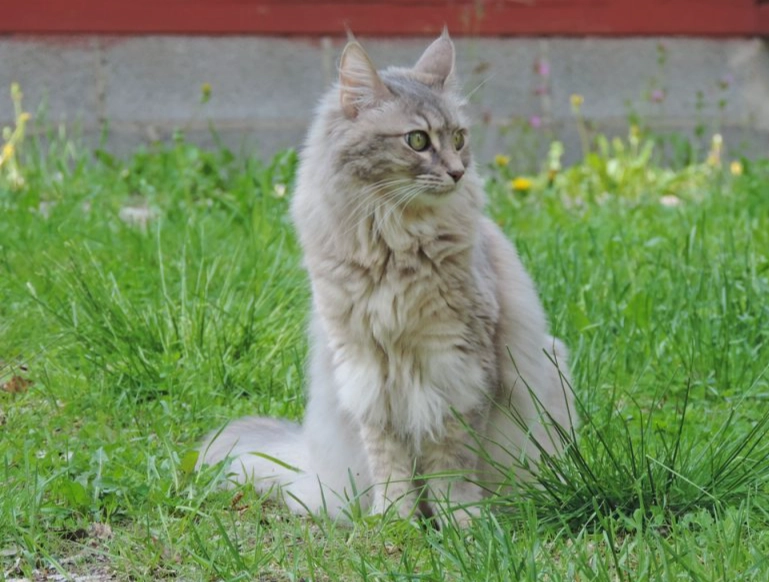
An Angora can live 15-18 years, sometimes longer. The last third of their life will likely involve increased veterinary care. Arthritis management, kidney support diets, dental cleanings (which often require anesthesia), and more frequent bloodwork become common. Budgeting an extra $500-$1,000 annually for senior care is a prudent, if sobering, reality.
 It's a 15+ year financial commitment. That's longer than most car loans or university degrees.
Adoption vs. Breeder: A Cost-Benefit Face-Off
Let's visualize the five-year financial picture to really see the difference. This assumes a healthy cat with no major emergencies (which is a big assumption!).
Scenario A: Reputable Breeder Kitten
- Initial Purchase: $1,500
- Initial Setup: $500
- Annual Costs (Years 1-5, avg $1,200/year): $6,000
- Estimated 5-Year Total: ~$8,000
Scenario B: Shelter Adoption (Adult Cat)
- Adoption Fee: $150
- Initial Setup: $500 (may need less if cat comes with items)
- Annual Costs (Years 1-5, avg $1,200/year): $6,000
- Estimated 5-Year Total: ~$6,650
The difference over five years? About $1,350. The breeder route gives you a known history, specific breed traits from kittenhood, and often breeder support. Adoption saves money upfront and gives a home to a cat in need. Neither is "wrong," but the cost structures are different. The ongoing costs are remarkably similar, proving that the purchase is just the entry fee.
Answering Your Burning Questions (FAQ)
The Final Verdict: Are They Worth It?
So, after all this number-crunching, are Angora cats expensive? The definitive answer is: Yes, they are a significant financial commitment. They are not a low-budget pet.
But here's the flip side you can't put a price on: the soft headbutt at dawn, the graceful leap to the top of the bookshelf, the intelligent chirp at a bird, the feeling of that impossibly soft fur under your hand, the quiet companionship of a creature that chooses to love you. An Angora cat is a living piece of elegance and affection.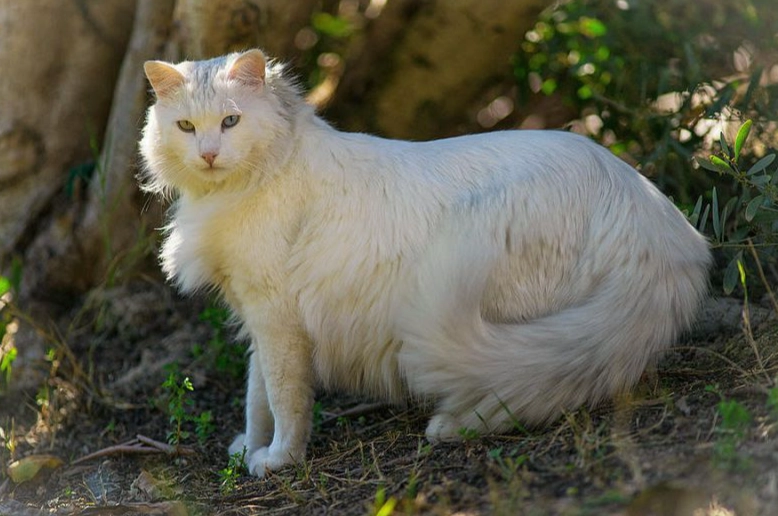
The cost is the practical reality. The value is emotional and immeasurable. Your job is to honestly assess the first part so you can fully enjoy the second, without the constant stress of financial strain. If you've budgeted for the initial costs, the annual upkeep, and the emergency fund, and you're still saying "yes," then you're not just buying a cat—you're ready to welcome a family member. And for the right person, no matter the price, that's always worth it.
Do your homework. Check resources like the Cat Fanciers' Association (CFA) for breeder guidelines and breed information. Talk to owners. Visit a shelter. Crunch your personal numbers. Then decide if the beautiful, costly, wonderful journey of owning an Angora cat is the right path for you.